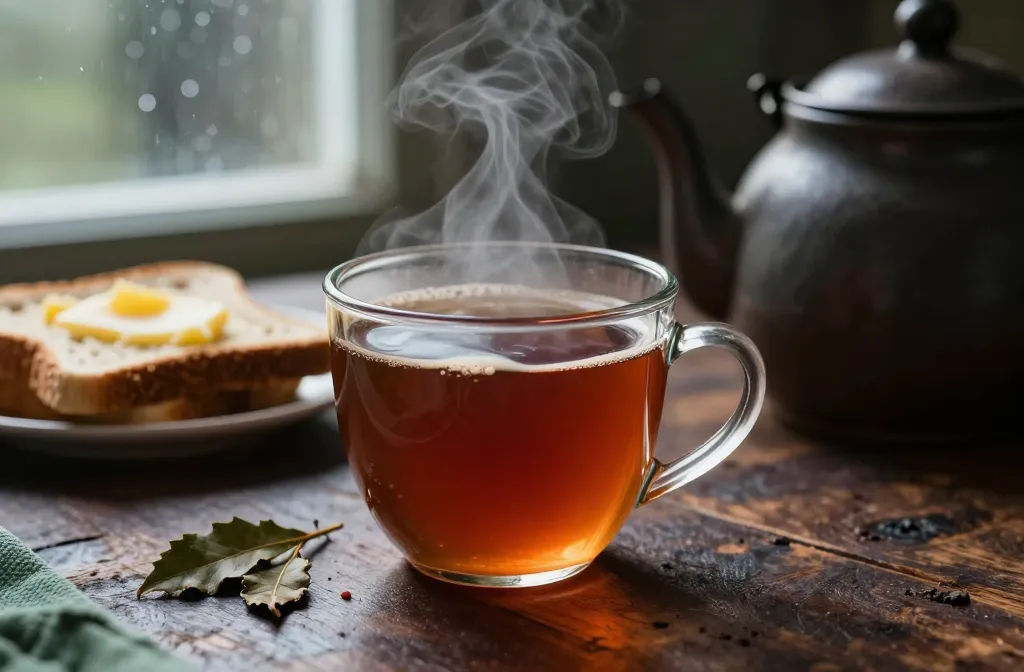
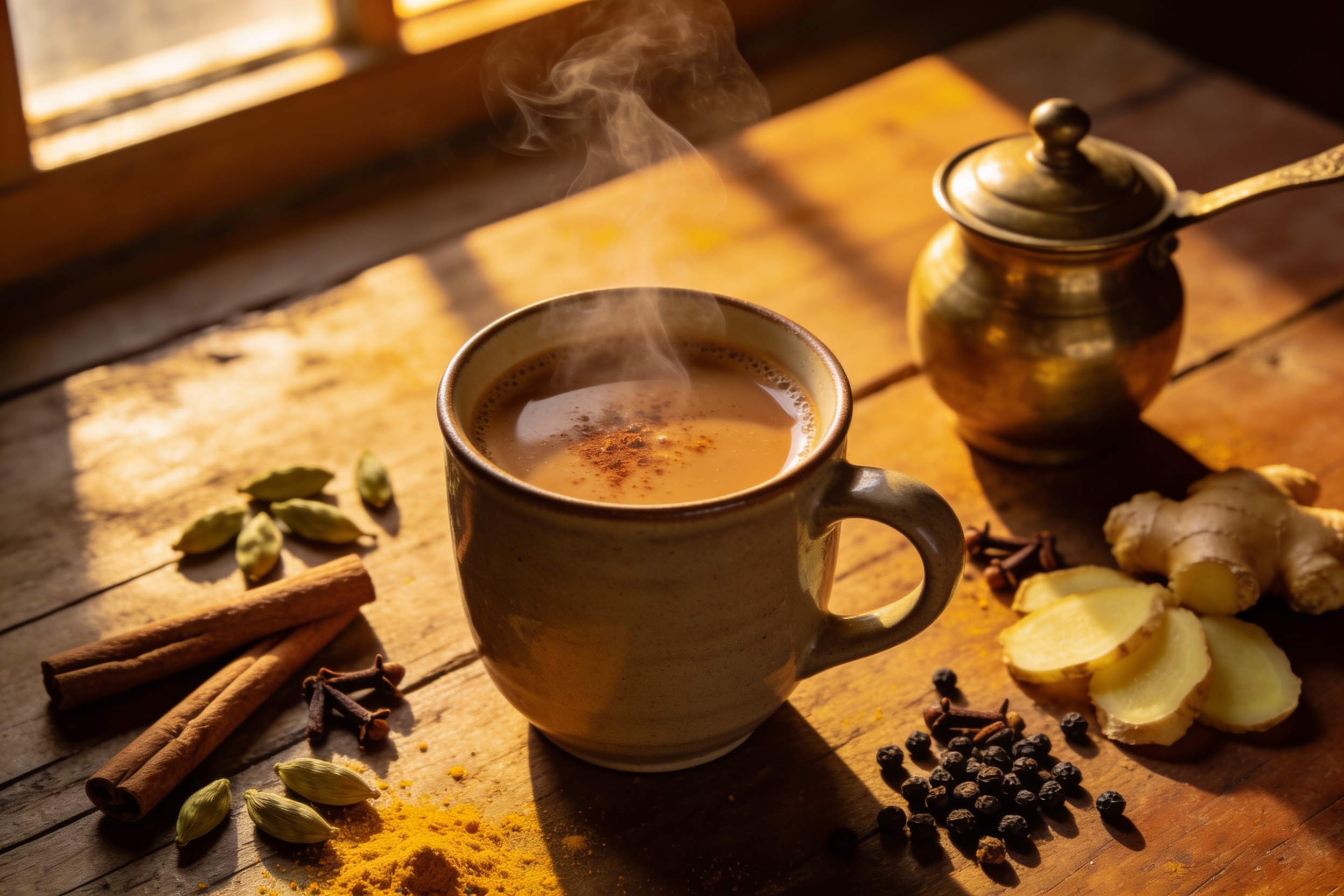
Irish Breakfast Tea doesn’t whisper; it kicks down the door, hands you a mug, and says, “Let’s get on with it.” Strong, malty, and unapologetically bold, it’s the black tea blend you brew when you need results, not vibes. If English Breakfast is the steady handshake, Irish Breakfast is the hearty bear hug with a wink. Ready to learn what makes this blend the breakfast MVP?
What Exactly Is Irish Breakfast Tea?
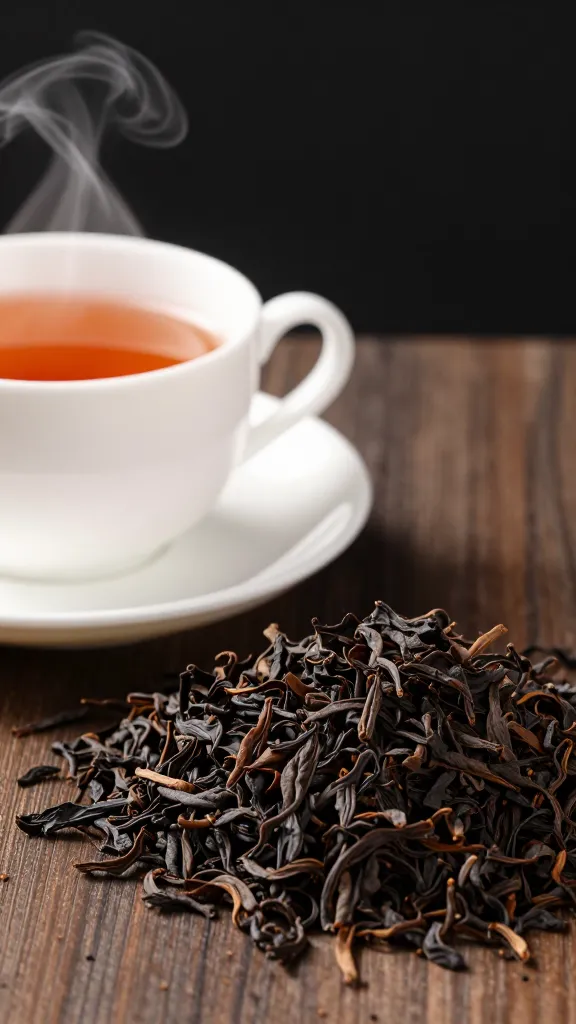
Irish Breakfast Tea is a blend of black teas, typically heavy on Assam. That’s where you get that signature malty, robust flavor and deep amber color. Many blends also include Ceylon or Kenyan teas to add brightness and balance. Unlike some delicate teas that ask politely for your attention, Irish Breakfast stands up to milk and sugar like a champ. Pour a splash of milk, maybe a touch of sweetener, and it still punches through with body and depth. IMO, that’s the magic: it’s comfortable and consistent, but never boring.
Flavor Profile: Big, Bold, and Breakfast-Ready
You’ll taste bold malt, a hint of toast, and a little brisk snap. Think granary bread, a bit of honeyed grain, and a finish that wakes you up without shouting. Many Irish Breakfast blends bring:
Maltiness: Rich and bready, the bread crust kind, not sourdough influencer kind.
Body: A loaded-mouthfeel that pairs perfectly with milk.
Briskness: A light astringency that keeps it refreshing, not muddy.
Color: Deep copper to red-amber—aka “looks like morning sunlight in a cup.”
Assam vs. Ceylon in the Blend
– Assam: The backbone—malty, strong, and structured. – Ceylon: Adds citrusy lift and clarity so the cup doesn’t feel heavy. FYI, some blends also sneak in Kenyan teas for extra brightness and a clean finish. No shade—those Kenyan leaves know how to add sparkle.
How to Brew It Like You Mean It
First rule: use good water. If your tap water tastes like a swimming pool, your tea will too. Filtered water helps the tea’s sweetness shine and keeps bitterness in check.
Step-by-Step Brewing (Loose Leaf)
Measure: 2–3 grams tea per 8 oz (240 ml) water. That’s about 1 rounded teaspoon for most loose leaves.
Heat: 95–100°C (203–212°F). Go fully boiling if you like it bold.
Steep: 3–4 minutes for a balanced cup, 5 minutes if you want full send. Don’t wander off; bitterness sneaks up fast.
Finish: Add milk and sugar/honey if you want. Taste, then adjust. No medals for suffering.
Using Tea Bags
Tea bags brew faster and stronger. Steep 2–3 minutes, then taste every 30 seconds. Pull the bag when it’s bold but not fuzzy-tongue bitter.
Tips for Best Results
Preheat your mug or teapot: Keeps the temperature steady and flavor consistent.
Soft water = sweeter cup: Hard water can mute flavor. Try filtered water if your tea tastes flat.
Add milk after pouring: You’ll control the color and body better.
Short steeps, multiple rounds: With high-quality loose leaf, try two shorter steeps instead of one long one.
Milk, Sugar, and The Great Add-Ins Debate
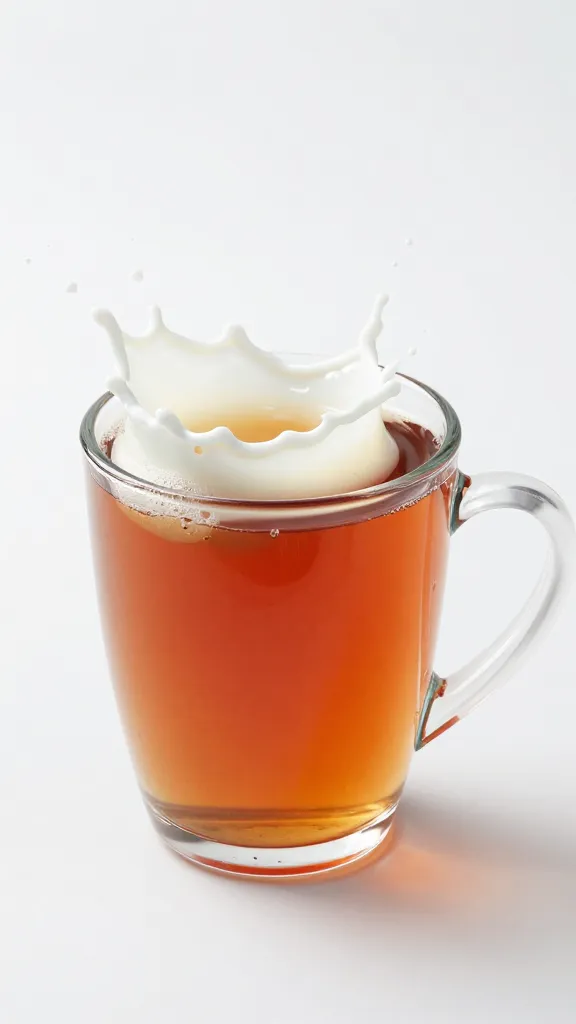
Traditionally, many people drink Irish Breakfast with milk. It softens tannins and highlights that malty sweetness. Sugar or honey? Totally fair game.
Non-dairy: Oat milk blends best with maltiness; almond can taste thin. Barista versions froth nicely.
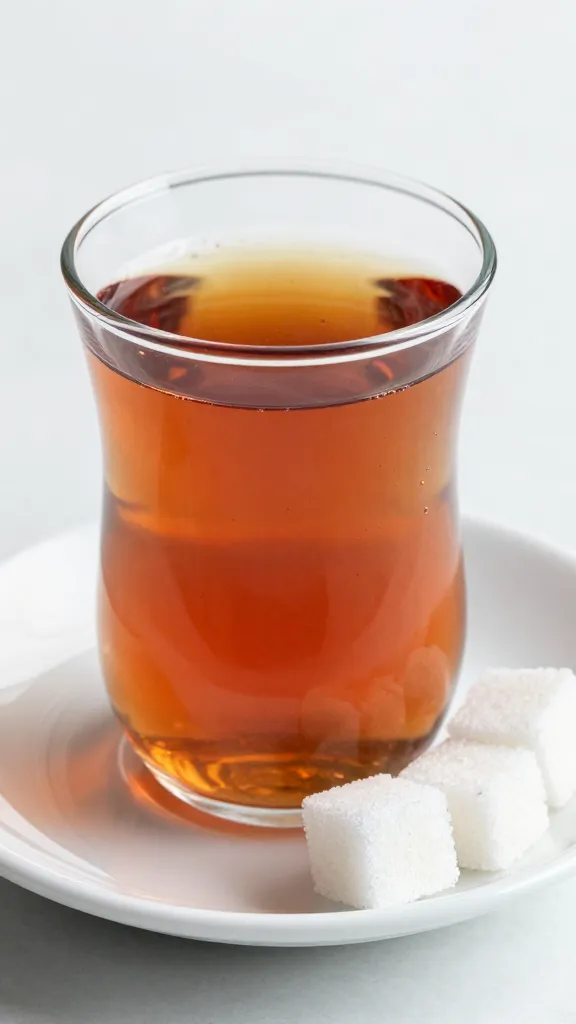
Sweetener: Demerara sugar or honey adds warmth; maple syrup throws in a cozy note.
Spice twist: A tiny pinch of ground cardamom or cinnamon in the cup—don’t overdo it or you’ll eclipse the tea.
Pairing Irish Breakfast with Food
This tea loves a hearty plate. It cuts through fat, complements sweetness, and never gets lost. Think:
Full breakfast: Bacon, eggs, sausages—Irish Breakfast keeps your palate awake.
Toast & jam: The brisk snap loves berry jams and marmalade.
Baked goods: Scones, brown bread with butter, or banana bread. Yes, banana bread works—trust me.
Quick Pairing Tips
– Salty foods? The tea’s tannins reset your palate. – Sweet foods? The malt echoes caramelized notes. – Eggs? The briskness cuts any lingering richness.
Where It Came From (and Why It’s “Irish”)
Ireland fell in love with strong black tea in the 1800s, especially from Assam. Over time, a distinctive national preference formed: darker, punchier blends that could handle milk and hearty breakfasts. Brands in Ireland curated blends that leaned malty, and the style stuck. Today, “Irish Breakfast” isn’t a protected designation—it’s a style. Different companies tweak ratios, but you’ll always find bold tea built for mornings. It’s the tea equivalent of a reliable friend who shows up with coffee cake and a screwdriver set.
Iced Irish Breakfast? Absolutely. It turns out crisp and caramelly if you brew it right.
Iced Method (No Bitterness, Promise)
Brew double strength: 4–5 grams per 8 oz (240 ml) boiling water, 3–4 minutes.
Strain immediately over a full glass of ice.
Add a splash of milk or a simple syrup. Lemon works too, but go light.
Irish Breakfast Latte
– Brew strong (5 minutes), add a spoon of brown sugar, and top with steamed milk. – Finish with a dusting of cinnamon or cocoa. It’s like a hug from a wool sweater—minus the itch.
How to Buy: Loose Leaf vs. Bags, and What to Look For
If you want the best flavor, go for loose leaf. You’ll usually get larger leaf grades that brew smoother and sweeter. Tea bags offer convenience and consistency—great for busy mornings or office survival.
Shopping Checklist
Leaf size: Larger leaves = smoother cup. Fine dust/fannings = faster, stronger, sometimes harsher.
Freshness: Look for recent packaging dates and resealable, opaque bags.
Blend transparency: Brands that list origin components (Assam, Ceylon, Kenyan) usually care about quality.
Smell test: You should get warm malt and clean brightness—not musty cupboard vibes.
FAQ
Does Irish Breakfast have more caffeine than other black teas?
It’s on the higher end because of its Assam-heavy blend, but caffeine varies by brand and steep time. Expect roughly 40–70 mg per 8 oz cup. If you need a serious jolt, brew a bit stronger and keep the steep under five minutes to avoid bitterness.
Can I drink it without milk?
Totally. A 3–4 minute steep gives a smooth, malty cup that tastes great plain. If it hits too hard, add a teaspoon of hot water to dilute—no shame in adjustments.
Is Irish Breakfast the same as English Breakfast?
Nope. English Breakfast aims for balance and roundness, while Irish Breakfast skews bolder and maltier. If English Breakfast is a well-behaved golden retriever, Irish Breakfast is the cheerful lab that just found a tennis ball.
What’s the best water temperature?
Boiling works fine for most blends, especially if you add milk. If you sip it straight and want less bite, try 95°C (203°F) and a 3–4 minute steep.
Loose leaf or tea bags—what tastes better?
Loose leaf usually wins for flavor clarity and smoothness. Tea bags bring speed and punch. Both can taste excellent if you control steep time and water quality.
Can I re-steep Irish Breakfast?
With high-quality loose leaf, yes—expect a lighter, slightly sweeter second infusion. For tea bags, the second round often tastes flat, so IMO, start fresh.
Conclusion
Irish Breakfast Tea brings bold flavor, big comfort, and zero fuss. It handles milk like a pro, pairs with basically everything breakfast-y, and doesn’t ghost you halfway through the cup. Brew it hot, pour it over ice, or latte it up—whatever your morning needs, this blend shows up. Strong tea, strong day. Simple as that.
Disclosure: This post may contain affiliate links.
If you make a purchase through these links, I may earn
a small commission at no extra cost to you.
prab chahal
Hi, I’m Prabjot Chahal – the heart (and taste buds) behind this blog!
Food has always been my love language – from experimenting with family recipes to discovering unique flavors from around the world. I believe that cooking isn’t just about following a recipe, it’s about creating moments, sharing stories, and connecting with others over something delicious. Through this blog, I want to build a vibrant food community where we share more than just recipes – we share inspiration, tips, and the joy of making and enjoying good food together. Whether you’re here for quick weekday dinners, festive treats, or creative seasonal ideas, you’re part of this table. So grab a fork (or a whisk!) and let’s cook, bake, and share our love for food – one recipe at a time.