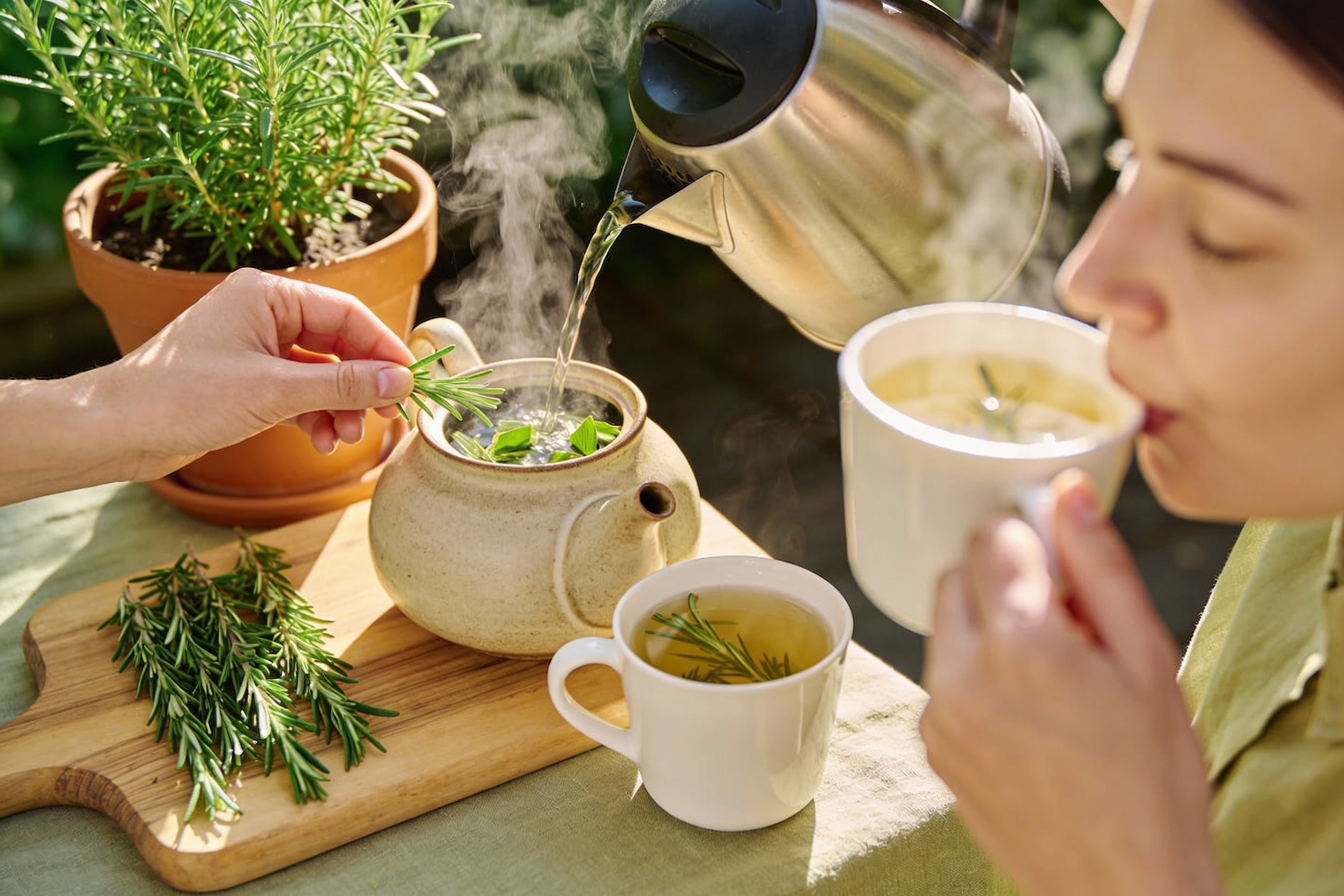
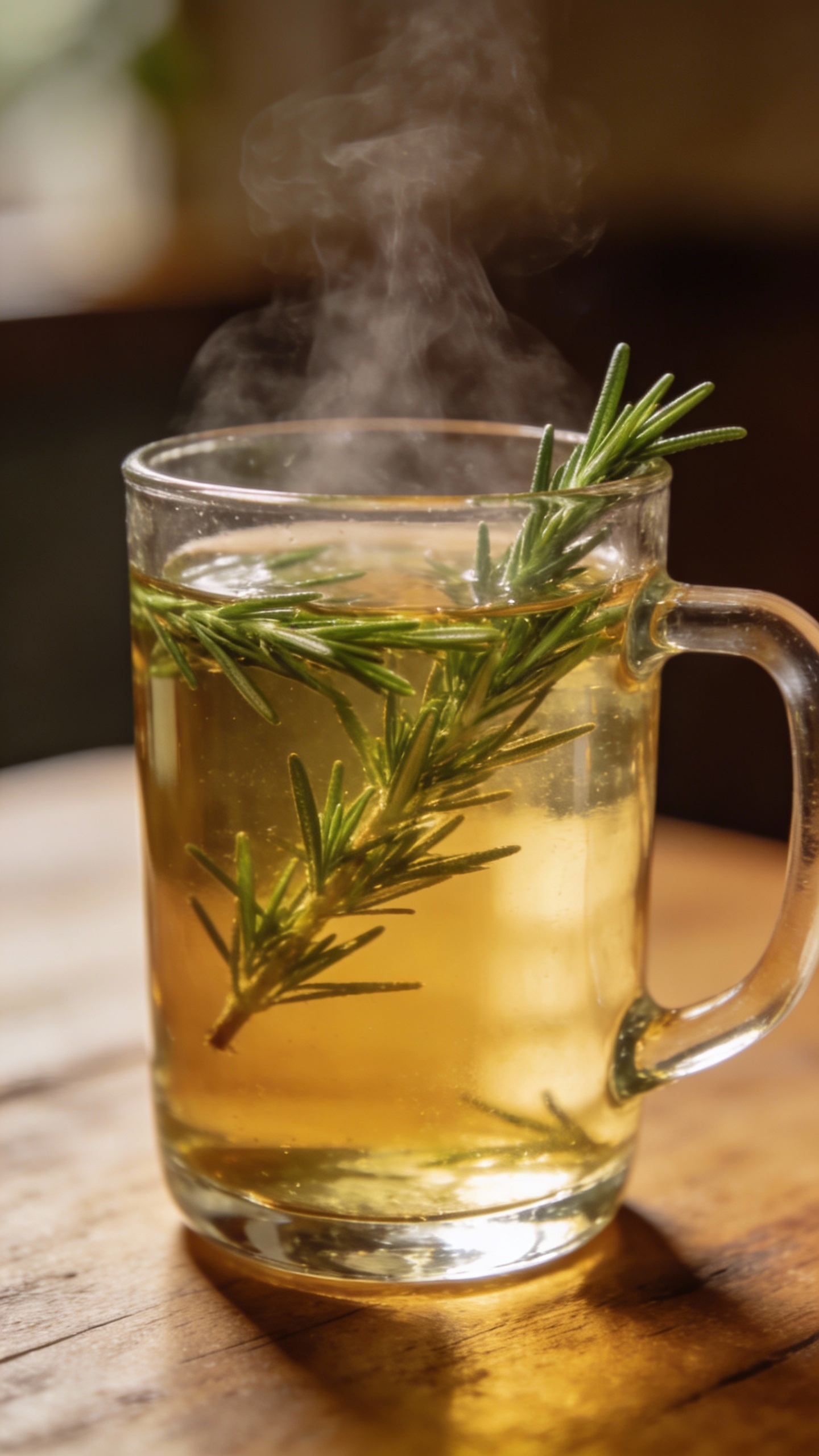
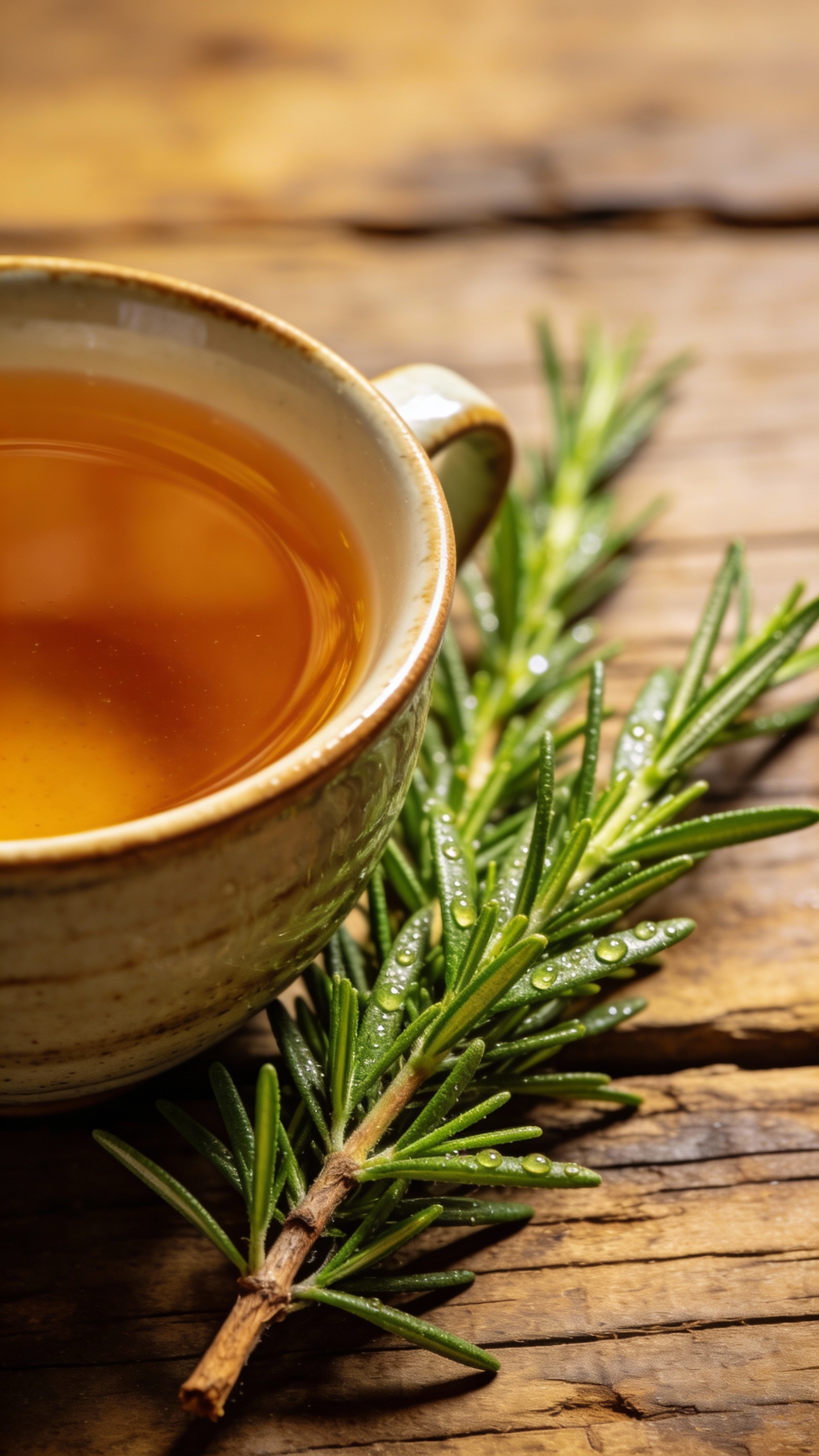
You want a cozy drink that smells like a Mediterranean garden and might help your brain and belly chill out? Say hello to rosemary tea. It’s simple, fragrant, and surprisingly versatile. You can brew it fresh from the backyard or use dried leaves from your pantry. And yes, it tastes better than it sounds—especially if you treat it right.
Why Rosemary Tea Deserves a Spot in Your Mug
Rosemary isn’t just for roasted potatoes. This woody herb packs compounds like rosmarinic acid, carnosic acid, and essential oils that bring both flavor and potential health perks. Think clarity, calm, and a little digestive support. Top reasons to sip:
Brain vibes: People use rosemary for focus and memory. The aroma alone can feel like a mental reset.
Digestive nudge: It may ease bloating and support gut comfort after heavy meals.
Antioxidant backup: Those plant compounds help neutralize oxidative stress. Not a superhero cape, but close.
Mood lift: The scent feels energizing without caffeine jitters. A win for late afternoons.
FYI: Rosemary tea won’t replace medical treatment. But as a ritual for focus and calm? IMO, it’s solid.
How to Make Perfect Rosemary Tea
You only need water and rosemary. That’s it. But the magic lives in the details.
Using Fresh Rosemary
1 medium sprig (about 5–6 inches), lightly bruised with your fingers
8–10 oz hot water (just off the boil)
Rinse the sprig, then smack it gently to release oils. Therapy for both of you.
Steep 5–7 minutes covered. Covering traps those fragrant oils.
Strain and sip. Add honey or lemon if you like.
Flavor tip: Fresh rosemary tastes brighter and piney with a hint of citrus.
Using Dried Rosemary
1 teaspoon dried rosemary (crushed slightly)
8–10 oz hot water
Steep 4–6 minutes, covered.
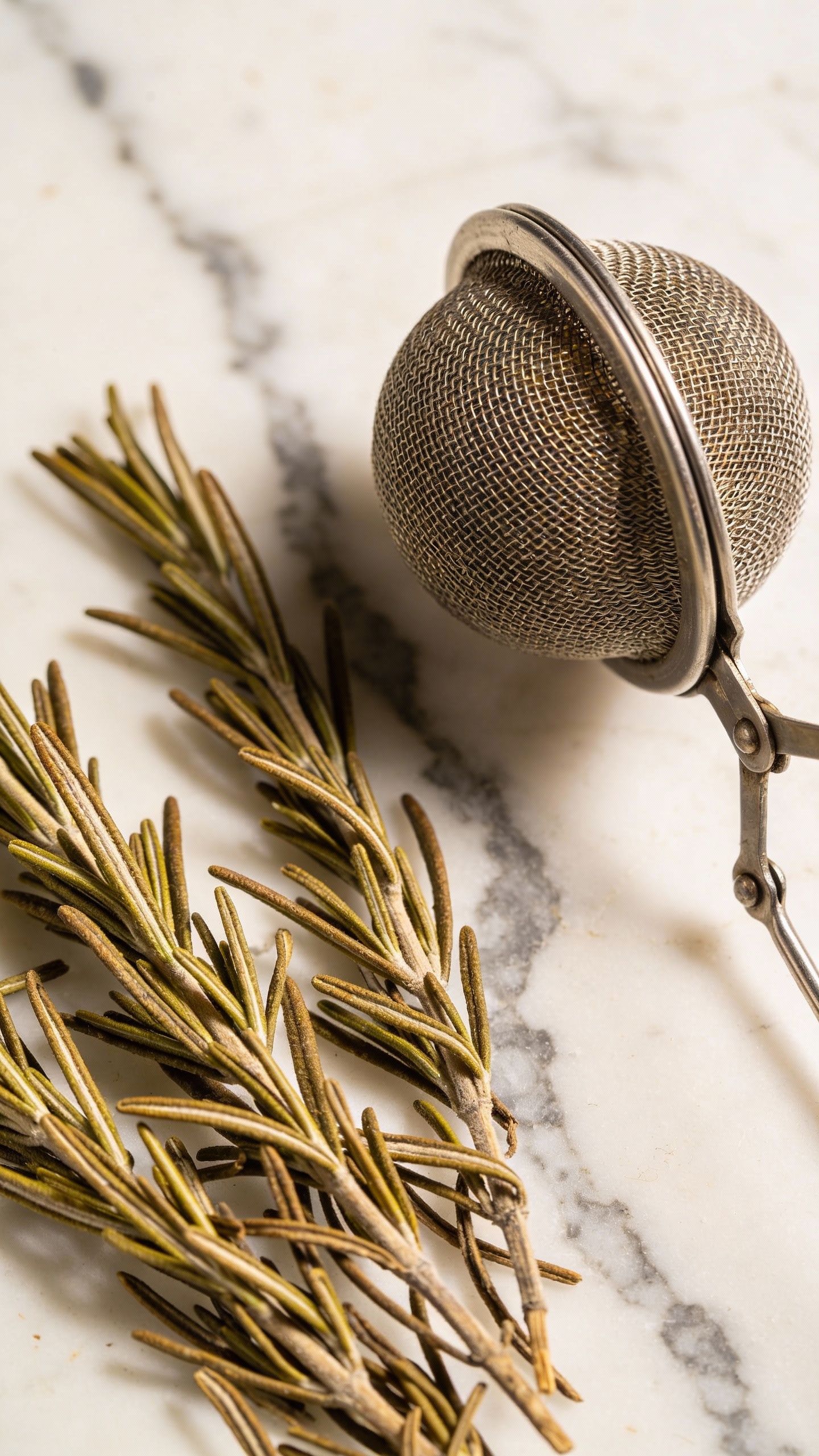
Strain through a fine mesh so you don’t sip twigs. Crunchy is not the goal.
Flavor tip: Dried rosemary runs a little stronger and more resinous. Start small, adjust to taste.
Cold Brew (Delicate and Smooth)
2 fresh sprigs or 2 teaspoons dried
16 oz cold filtered water
Combine in a jar, refrigerate 6–8 hours.
Strain and serve over ice with lemon.
Why cold brew? Fewer bitter notes, more gentle aromatics. Great summer move.
Make It Taste Amazing (Without Losing the Herb Vibe)
You can keep it pure, or you can dress it up a little. Both paths lead to happiness.
Lemon or orange peel: Brightens the piney notes. Add a small strip while steeping.
Honey: Balances bitterness. Maple syrup works too.
Rosemary tea won’t turn you into a genius, but research (and centuries of tradition) points to real potential.
Cognitive support: The scent of rosemary may enhance alertness and memory. Drinking it provides antioxidants like rosmarinic and carnosic acid, which may support brain health.
Digestive comfort: Many people report less bloating and smoother digestion after sipping rosemary tea post-meal.
Antioxidant and anti-inflammatory support: Those compounds help tame oxidative stress and mild inflammation in everyday life.
Respiratory perk: The steam can feel soothing when you’re stuffy. Old-school trick: cup your face over the mug and breathe.
Mood and energy: Aromatic herbs often feel uplifting. Rosemary gives a gentle pick-me-up without caffeine.
IMO, the ritual matters too. The act of brewing, smelling, and sipping? That’s a mini reset for your nervous system.
Serving size: 1 cup at a time, using 1 sprig fresh or 1 teaspoon dried.
Daily amount: 1–2 cups for most people feels good.
Steep time: 4–7 minutes. Longer gets bitter and overly resinous.
Cycle it: Enjoy regularly, but take a day off here and there. Herbs love balance.
Storage and Freshness
Fresh sprigs: Keep in water like flowers in the fridge, or wrap in damp paper towel.
Dried rosemary: Airtight jar, dark cupboard, use within 6–9 months for peak flavor.
Pre-brewed tea: Refrigerate up to 48 hours. Reheat gently or drink cold.
Safety, Interactions, and Common Sense
Herbal doesn’t mean unlimited. Let’s keep it smart.
Pregnancy: Culinary amounts in tea usually stay mild, but avoid concentrated forms. Check with your healthcare provider.
Medications: Rosemary may interact with blood thinners, blood pressure meds, and diabetes meds. If you take these, get a quick professional thumbs-up.
Allergies: If you react to rosemary or other Lamiaceae herbs (like mint, basil, sage), start tiny.
Essential oil warning: Never ingest rosemary essential oil. The tea uses leaves, not bottled oils.
Beyond the Mug: Creative Uses
Because once you fall for the fragrance, you’ll want it everywhere.
Latte-style: Brew strong rosemary tea, add steamed milk (dairy or oat), and a drizzle of honey.
Mocktail: Iced rosemary tea + grapefruit juice + splash of tonic + rosemary sprig.
Cooking crossover: Use cooled tea to cook grains or as a base for a light pan sauce.
FAQ
Does rosemary tea have caffeine?
Nope. Rosemary tea is naturally caffeine-free. It feels energizing because of the aroma and volatile oils, not stimulants.
Can I use rosemary from my garden?
Yes—just rinse well and skip any heavily sprayed plants. Choose sprigs that look fresh and green, not woody and brittle. If your plant flowered, those blossoms taste delicate and slightly sweet—totally brewable.
What does rosemary tea taste like?
Herbal, piney, and a bit lemony with a resinous edge. When you brew it right, it tastes clean and refreshing. Over-steep it and it goes bitter—so time your steep.
Can I drink rosemary tea every day?
For most healthy adults, 1–2 cups per day is fine. If you take medications or have underlying conditions, check in with your healthcare provider. And if your body says “that’s enough,” listen to it.
Is dried or fresh better?
Both work. Fresh brings a brighter, softer flavor. Dried is more concentrated and convenient. Start with smaller amounts of dried rosemary and adjust to taste.
Will rosemary tea help hair growth?
People love rosemary for scalp care, especially in rinses and oils. Drinking the tea supports general wellness, but it’s not a magic hair potion. If you’re curious, a rosemary rinse on your scalp might be a better play than sipping alone.
Conclusion
Rosemary tea checks all the boxes: easy, aromatic, and surprisingly functional. Brew it fresh for a bright, piney cup, or go dried for convenience. Use lemon, honey, or ginger to dial in your flavor. Most of all, enjoy the ritual—because the best “benefit” often comes from taking five minutes to breathe, sip, and reset. Cheers to simple herbs doing the most.
Disclosure: This post may contain affiliate links.
If you make a purchase through these links, I may earn
a small commission at no extra cost to you.
prab chahal
Hi, I’m Prabjot Chahal – the heart (and taste buds) behind this blog!
Food has always been my love language – from experimenting with family recipes to discovering unique flavors from around the world. I believe that cooking isn’t just about following a recipe, it’s about creating moments, sharing stories, and connecting with others over something delicious. Through this blog, I want to build a vibrant food community where we share more than just recipes – we share inspiration, tips, and the joy of making and enjoying good food together. Whether you’re here for quick weekday dinners, festive treats, or creative seasonal ideas, you’re part of this table. So grab a fork (or a whisk!) and let’s cook, bake, and share our love for food – one recipe at a time.