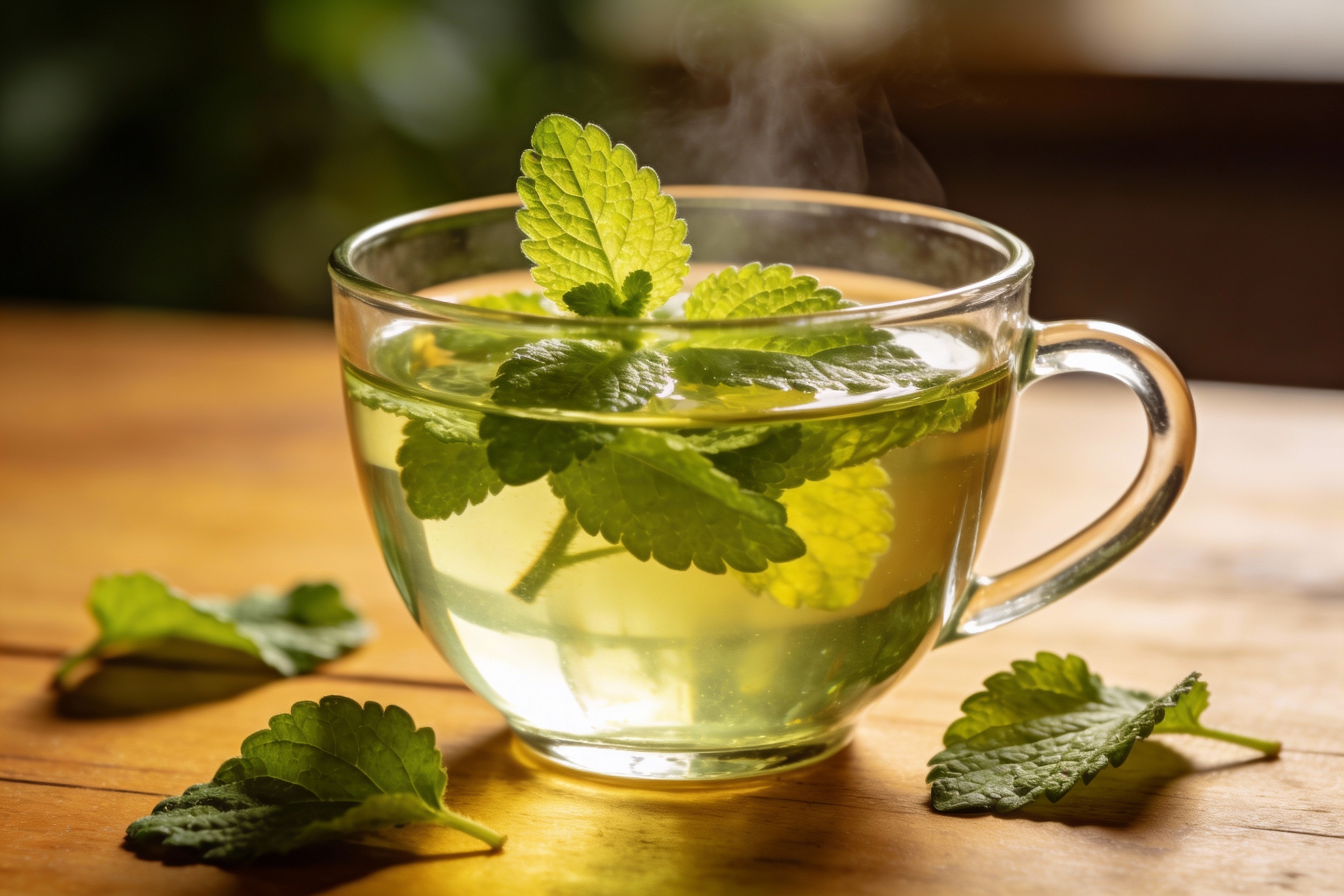
Lemon balm tea doesn’t need a sales pitch. You pluck a handful of fresh, citrusy leaves, pour hot water on them, and your kitchen suddenly smells like a tiny spa. It’s simple, cozy, and slightly magical—like the herb keeps its own little mood-light switch. If you want a soothing cup that calms your nerves without knocking you out, you’re in the right place.
Why lemon balm steals the show
Lemon balm (Melissa officinalis) tastes like mint met lemon and they decided to be best friends. It brings a soft, lemony fragrance with a minty backdrop that feels refreshing and mellow. No harsh bitterness. No weird aftertaste.
Beyond flavor, people sip it for its chill factor. Lemon balm may help reduce stress, ease digestion, and support sleep. You won’t get a sedative sledgehammer—just a gentle “you’re okay” vibe. IMO, it’s the tea equivalent of someone handing you a fluffy blanket and telling you to breathe.
Fresh vs. dried: what’s the difference?
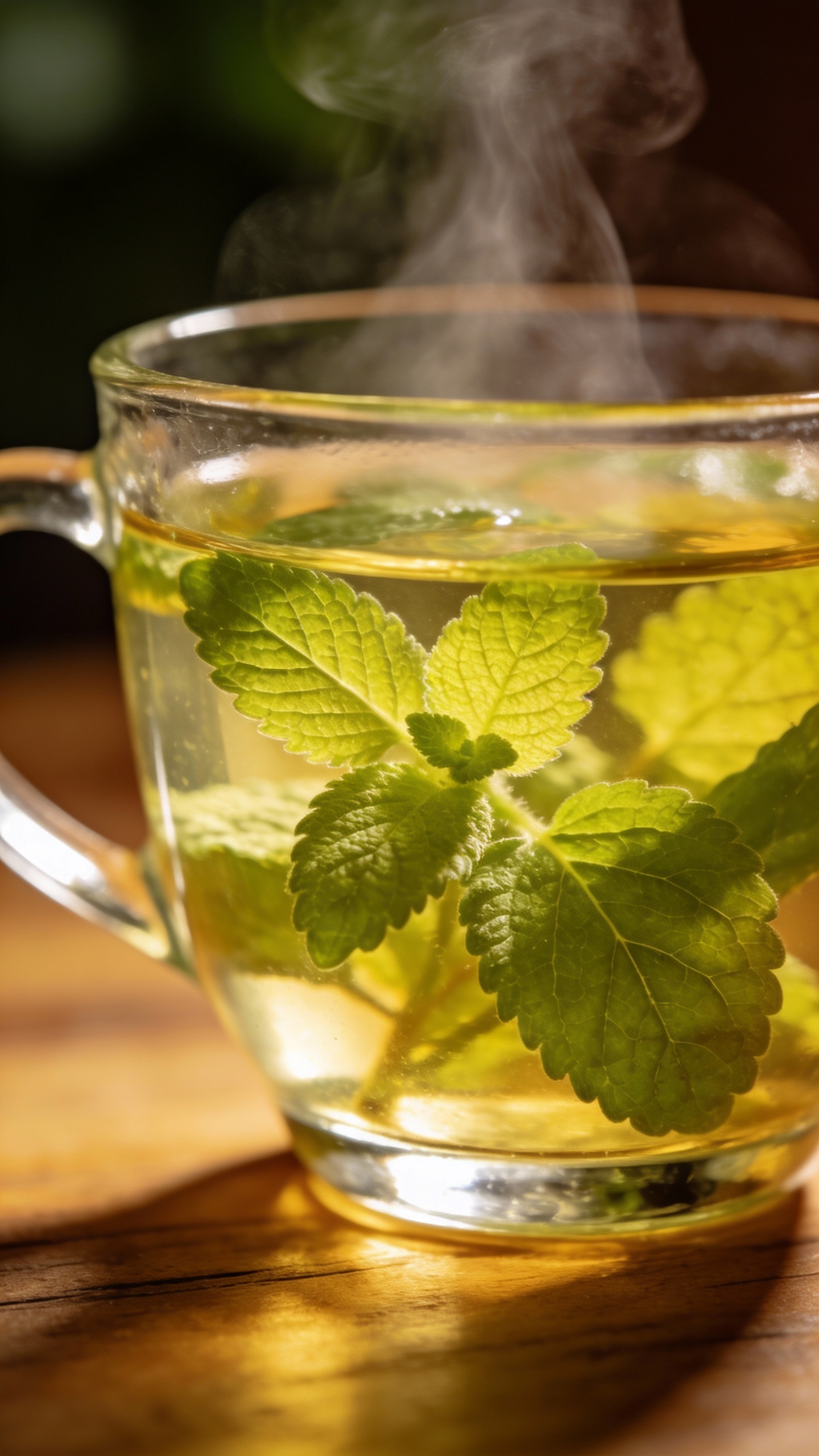
You can use both, but they behave differently. Fresh leaves deliver brighter citrus notes and a greener, more delicate flavor. Dried leaves taste a bit deeper and more herbal—and they’re convenient when your plant takes a winter nap.
- Fresh: Vibrant, aromatic, perfect for quick cups. Use more leaves since water content dilutes the flavor.
- Dried: Concentrated and consistent. Great for blends and bigger batches.
How much should you use?
– Fresh: 2–3 tablespoons loosely packed leaves per cup of water
– Dried: 1–2 teaspoons per cup of water
Adjust to taste. If you like a stronger brew, steep longer rather than piling in too much leaf, or it can turn a tad grassy.
Your foolproof lemon balm tea method
You don’t need fancy gear—just decent water and a mug you love. The basics never fail.
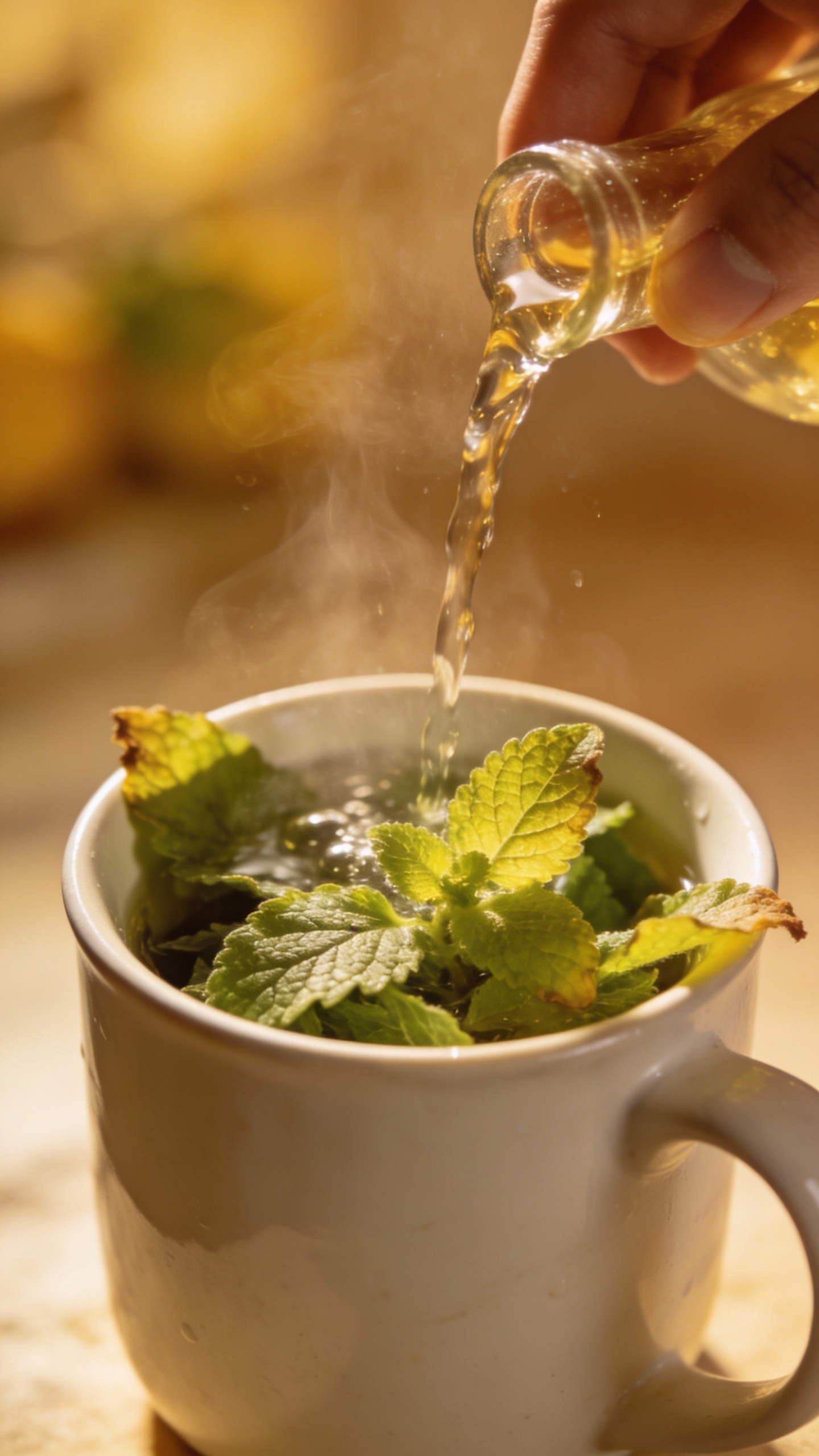
- Heat water to about 190–200°F (just below a boil). No thermometer? When the water starts to bubble steadily but not rage, you’re there.
- Lightly bruise the leaves (fresh) by rolling them between your fingers. You’ll release those citrus oils and they’ll smell like happiness.
- Steep 5–7 minutes for a balanced cup. Go up to 10 minutes if you want more oomph.
- Strain and sip. Sweeten gently if you like—honey pairs beautifully.
Flavor upgrades that never miss
– Lemon zest + honey: Bright and cozy, perfect for evenings
– Ginger slices: Add warmth and a mild kick
– Chamomile: Double down on calm (great before bed)
– Peppermint: Cooler, crisper cup; also nice for digestion
– Lavender buds: Use sparingly—like, tiny pinch—or it gets perfumey fast
How to grow and harvest like a pro (without trying too hard)
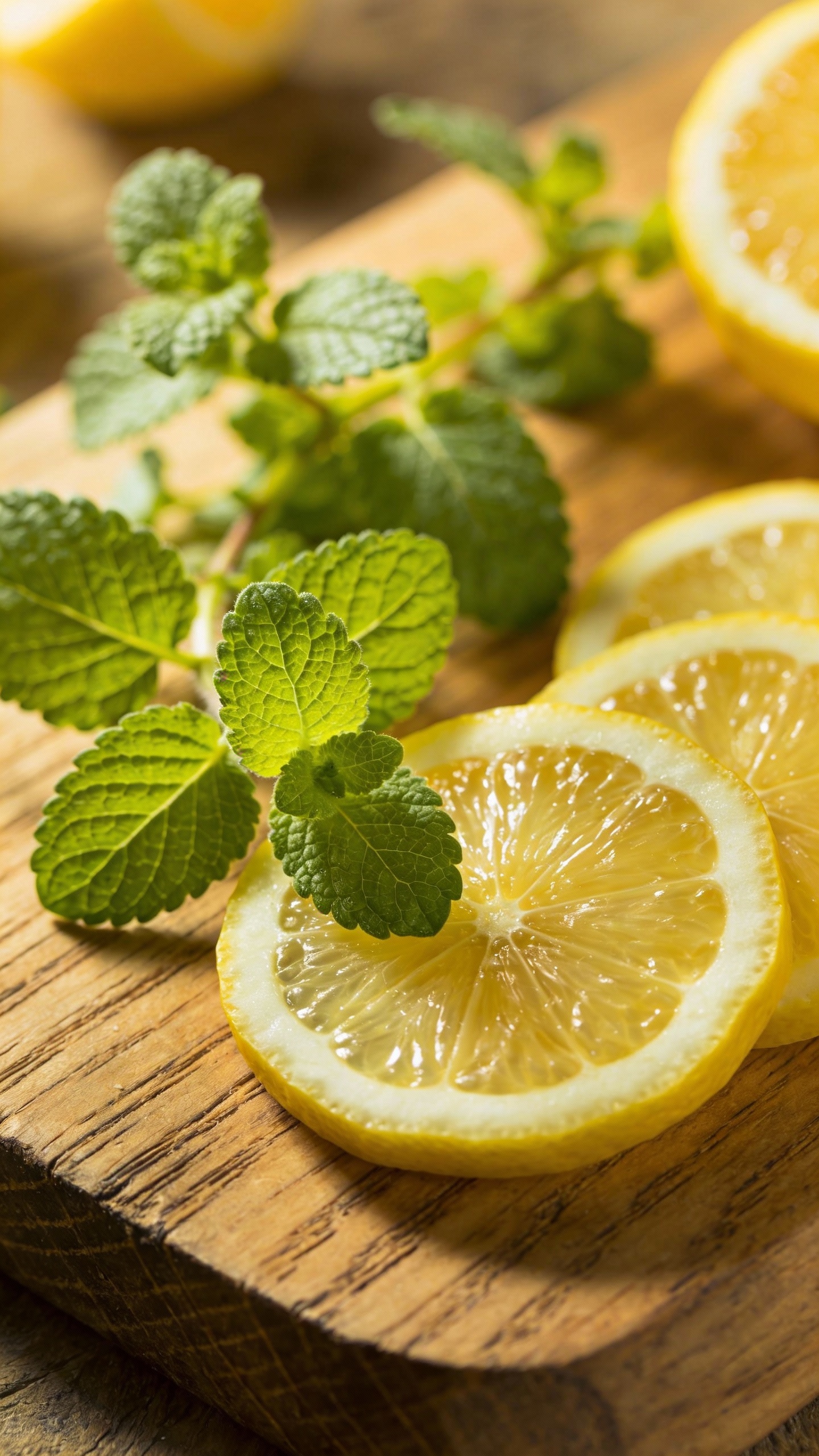
Lemon balm grows like it has rent due. It thrives in pots or beds, sun or light shade, and forgives your neglect. You can snip from it all season.
- Harvest in the morning after the dew dries. The oils concentrate, so your tea tastes brighter.
- Pick the top stems just above a leaf node to encourage bushy growth.
- Rinse gently and pat dry if needed. No leaf drowning, please.
Drying and storing tips
– Tie small bundles and hang upside down in a warm, airy spot out of sunlight
– Or use a dehydrator at low temp (95–105°F) until leaves feel crisp
– Store in an airtight jar, away from heat and light
– Label the date—dried lemon balm stays best for about 6–9 months
When (and why) to drink it
Lemon balm works any time you want calm without fog. It shines:
- Afternoons when you need focus but not caffeine jitters
- After meals to settle a fussy stomach
- Evenings to wind down (without committing to hardcore sleepiness)
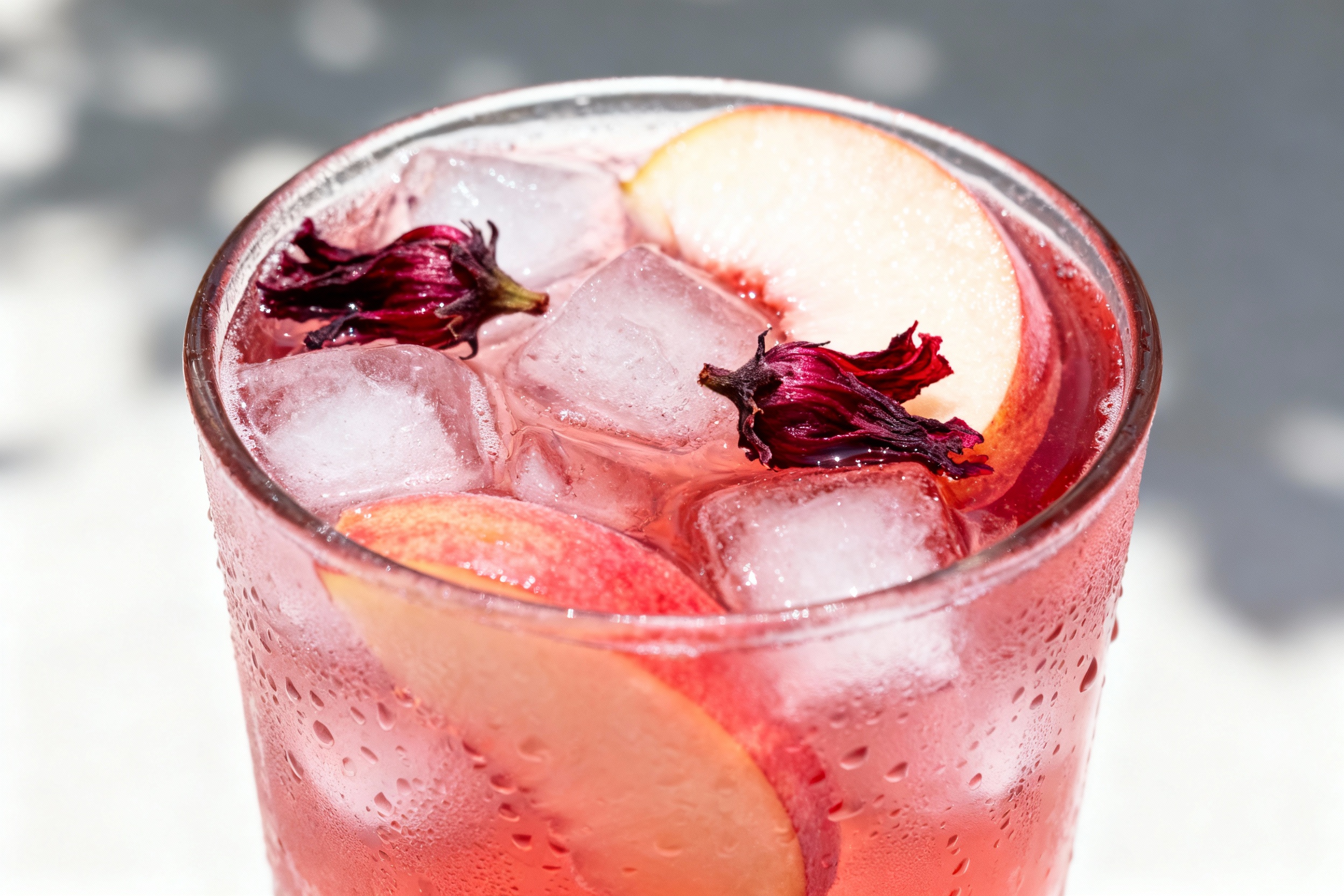
FYI, it makes incredible iced tea. Brew strong, chill it, and add lemon slices and a touch of honey. It tastes like sunshine and good decisions.
Related Posts:





Make-ahead iced tea concentrate
– Brew 4 cups of hot water with 8–10 teaspoons dried lemon balm (or a big handful of fresh) for 10 minutes
– Strain, cool, and refrigerate up to 3 days
– Dilute 1:1 with cold water or sparkling water over ice
– Add a squeeze of lemon and a few mint leaves if you’re feeling fancy
Taste troubleshooting: fix your cup
Not vibing with your brew? Easy fixes.
- Tastes weak: Steep longer or increase leaf by a teaspoon per cup.
- Too grassy: Lower water temp slightly and shorten the steep by 1–2 minutes.
- Flat or dull: Add a pinch of lemon zest or a drop of honey to wake it up.
- Too bitter (rare but possible): Use fewer dried leaves and avoid boiling water.
Sweeteners and add-ins that play nice
– Honey or agave for softness
– A squeeze of lemon for brightness
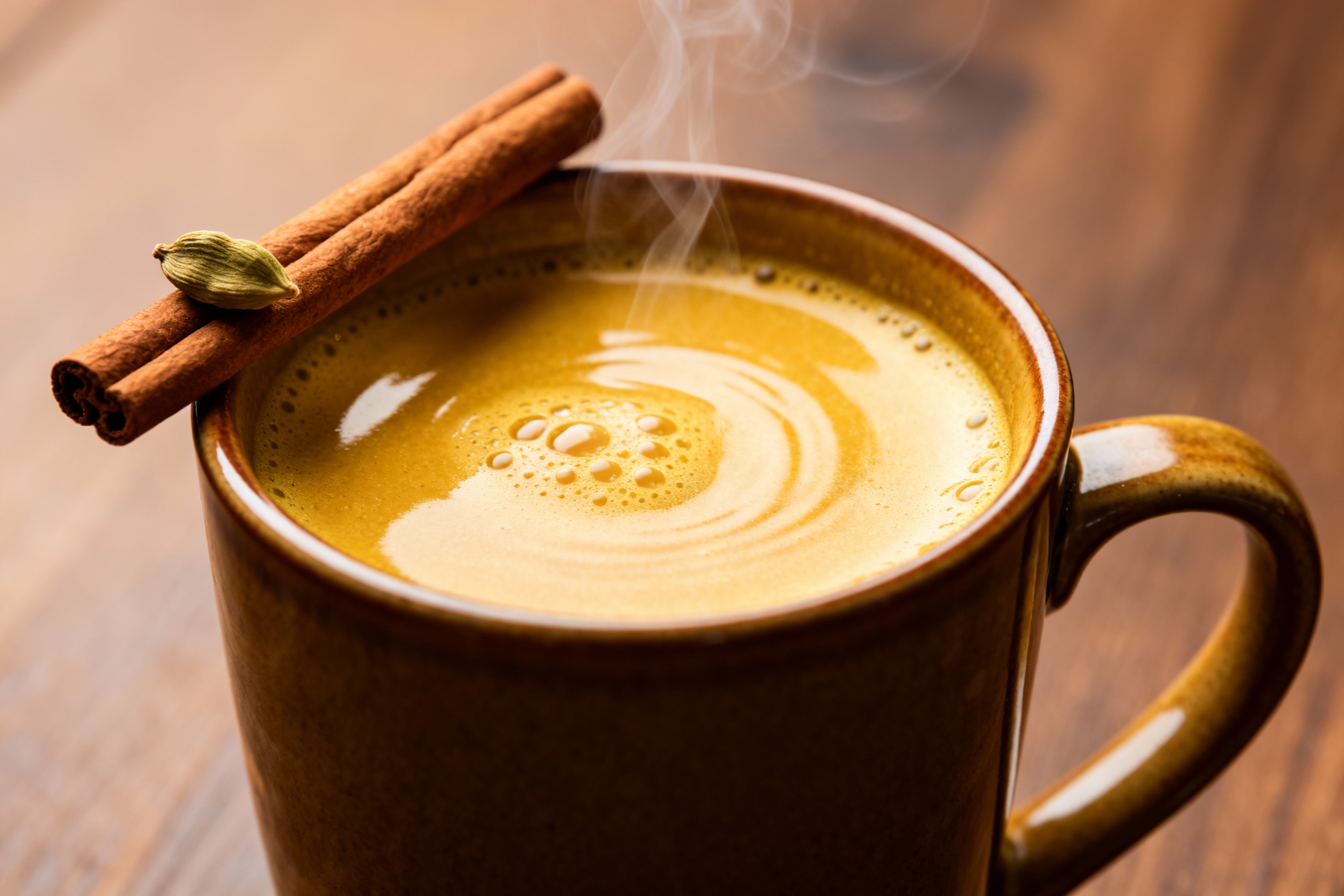
– Cinnamon stick for cozy depth (especially in winter)
– Apple slices if you want a light fruitiness—surprisingly great
Is lemon balm tea good for you?
Short answer: yes, with common-sense limits. People have used lemon balm for centuries for mood, digestion, and sleep. Modern research hints at calming effects, mild digestive support, and antioxidant properties. It won’t replace your doctor, but it can definitely support your daily rhythm. IMO, it’s the mellow teammate you want on your wellness roster.
Who should use extra caution?
– If you take thyroid medication, talk to your clinician—lemon balm may interact with thyroid function in some contexts.
– If you’re pregnant or breastfeeding, check with your provider first.
– Start with one cup and see how you feel—herbs are gentle but not invisible.
Fun blends to try (and brag about later)
Ready to freestyle a little? Try these:
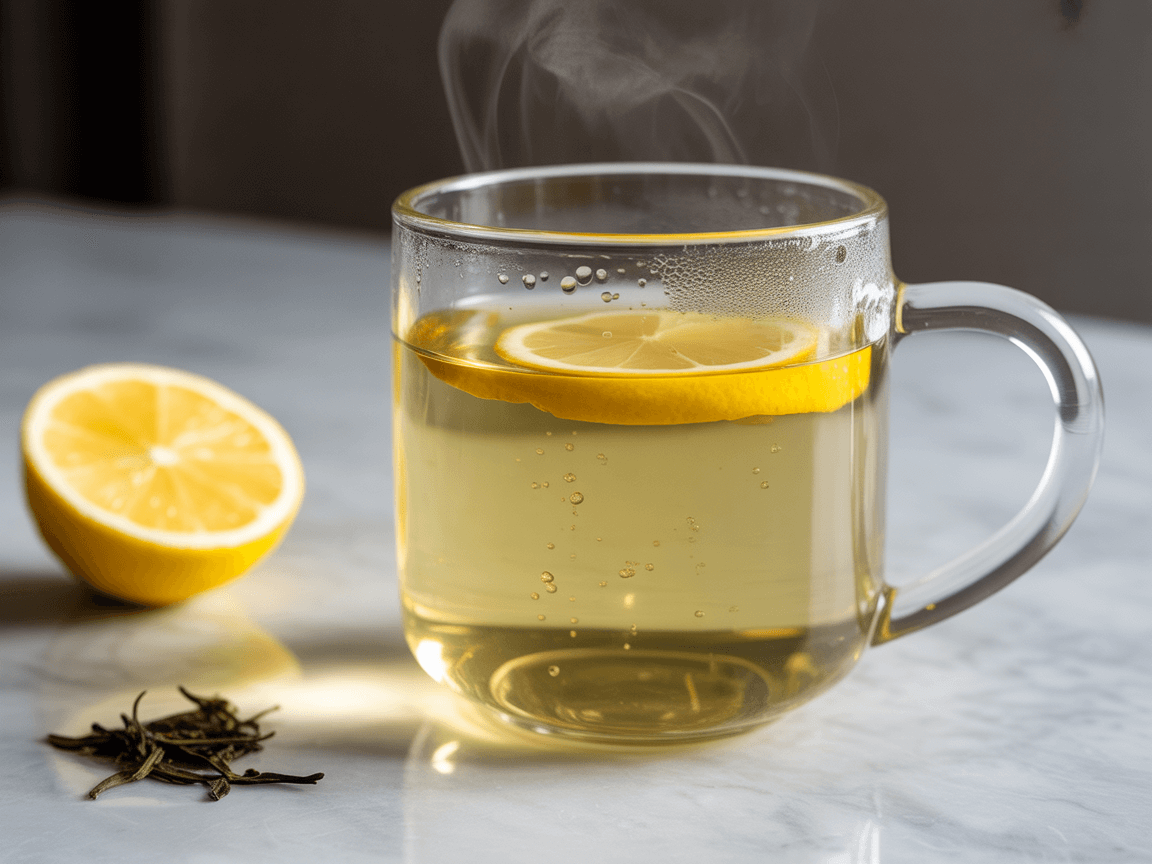
- Calm Focus: Lemon balm + green tea (50/50). Zing without anxiety.
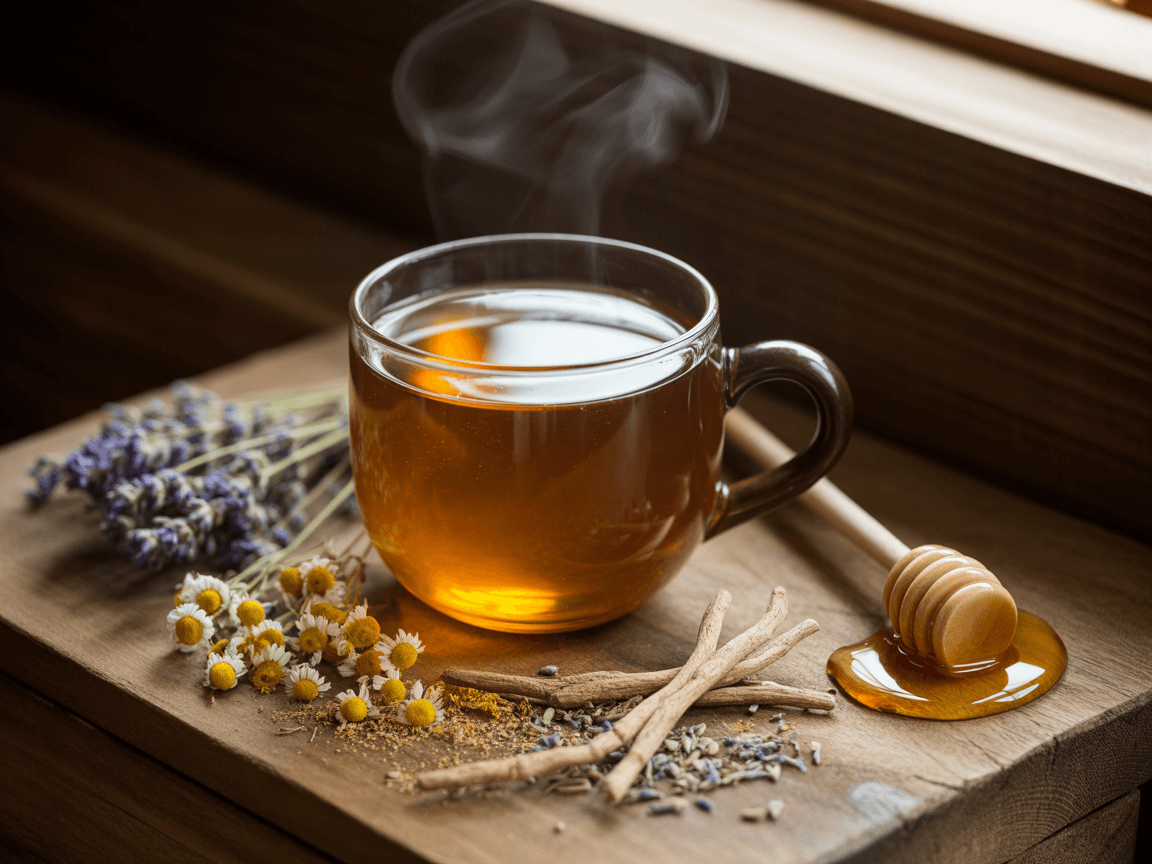
- Bedtime Bliss: Lemon balm + chamomile + a pinch of lavender.
- Digestive Hero: Lemon balm + peppermint + a slice of ginger.
- Summer Spritz: Lemon balm concentrate + sparkling water + lemon wedge.
FAQ
Can I drink lemon balm tea every day?
Yes. Most people enjoy 1–3 cups daily without issues. Start with one cup and adjust. If you take meds or have thyroid concerns, check with a healthcare pro.
Does lemon balm tea have caffeine?
Nope. It’s naturally caffeine-free. You can sip it late and still wind down like a normal human.
What does lemon balm taste like, exactly?
Light lemon, gentle mint, slightly sweet, zero bitterness when brewed right. Think “relaxed lemonade” without the sugar crash.
Can kids drink lemon balm tea?
Often yes in small amounts, but always check with a pediatrician first. Keep it mild, maybe with honey (for kids over one year old only).
How long should I steep lemon balm tea?
Aim for 5–7 minutes for balance. Go up to 10 for stronger flavor. Longer than that can edge into grassy territory.
Can I mix lemon balm with black or green tea?
Absolutely. It softens the edges of caffeinated teas and adds a citrusy lift. Just watch steep times so the base tea doesn’t turn bitter.
Conclusion
Homemade lemon balm tea keeps things simple: a handful of leaves, hot water, and a minute to yourself. It tastes bright, smells dreamy, and brings calm without knocking you out. Keep a pot on your windowsill, dry a few bundles, and you’ve got comfort on demand. Now go steep a cup—you’ve earned it.