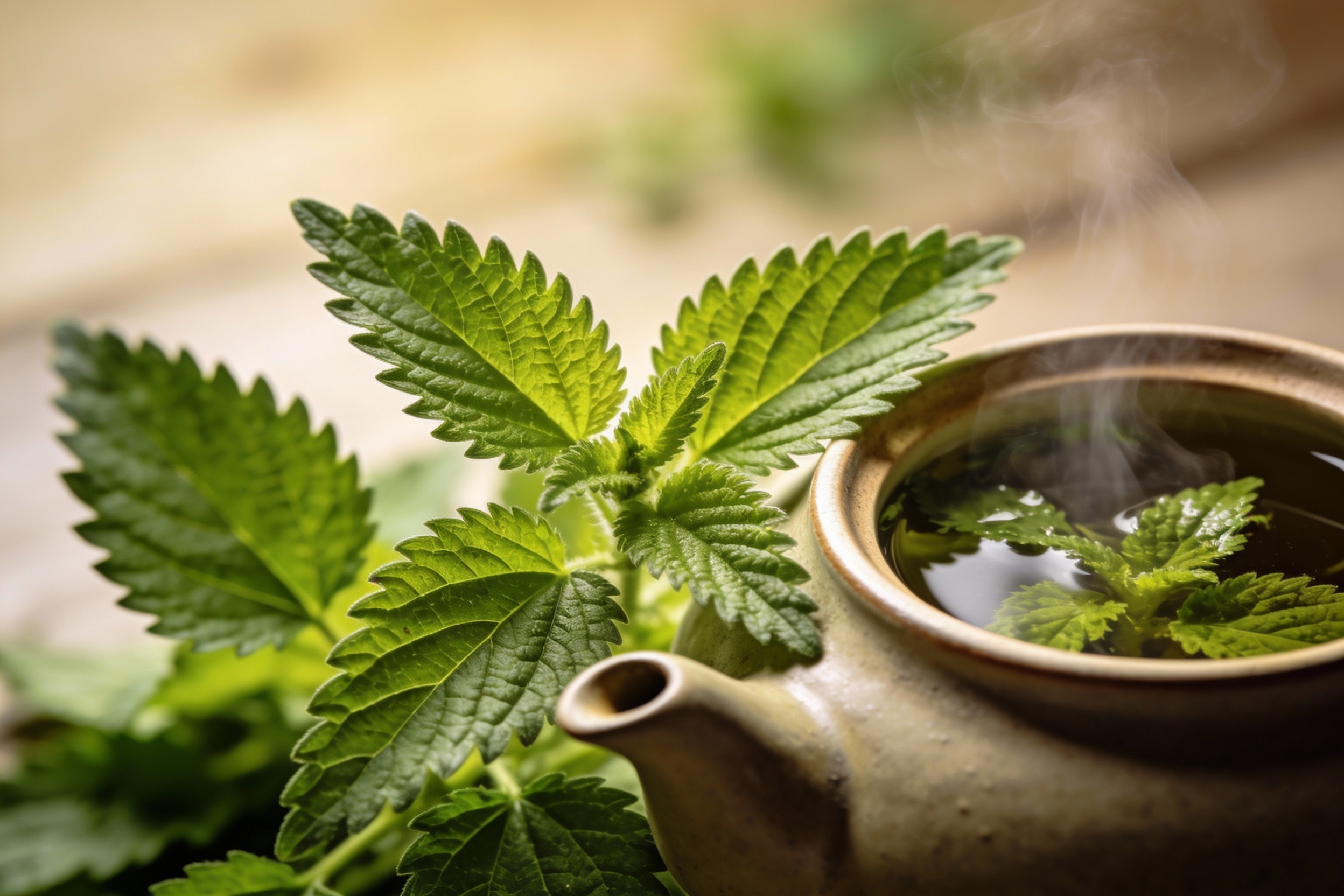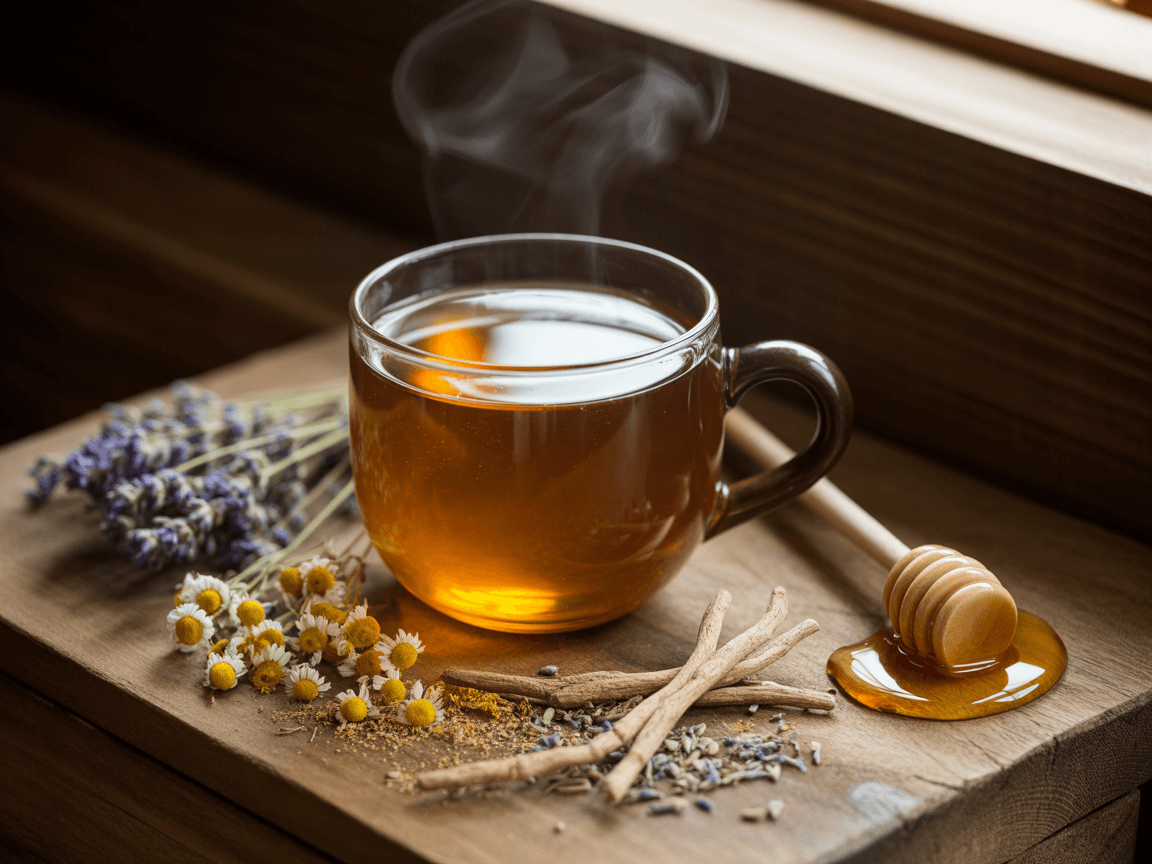
A warm cup of herbal tea can set the tone for a gentle, restful night. This soothing blend brings together calming herbs with soft floral notes and a touch of natural sweetness. It’s simple to prepare, smells lovely, and feels like a quiet exhale after a long day.
You don’t need special tools, just a kettle, a mug, and a few pantry-friendly herbs. Whether you’re easing into a bedtime routine or need a break from screens and noise, this tea helps slow everything down.
What Makes This Herbal Sleep Tea Recipe So Good
- Balanced, gentle relaxation: The blend uses chamomile, lavender, lemon balm, and passionflower for a calm, not knockout, effect.
- No caffeine, no jitters: Every ingredient is naturally caffeine-free and bedtime-friendly.
- Comforting flavor: Floral and citrus notes with a hint of natural sweetness from honey or apple slices.
- Quick to make: It’s ready in about 10 minutes, including steeping time.
- Easy to customize: Adjust strength, sweetness, and herbs to suit your taste and needs.
Ingredients Needed For Herbal Sleep Tea
- 1 tablespoon dried chamomile flowers (or 1 chamomile tea bag)
- 1 teaspoon dried lavender buds (culinary grade)
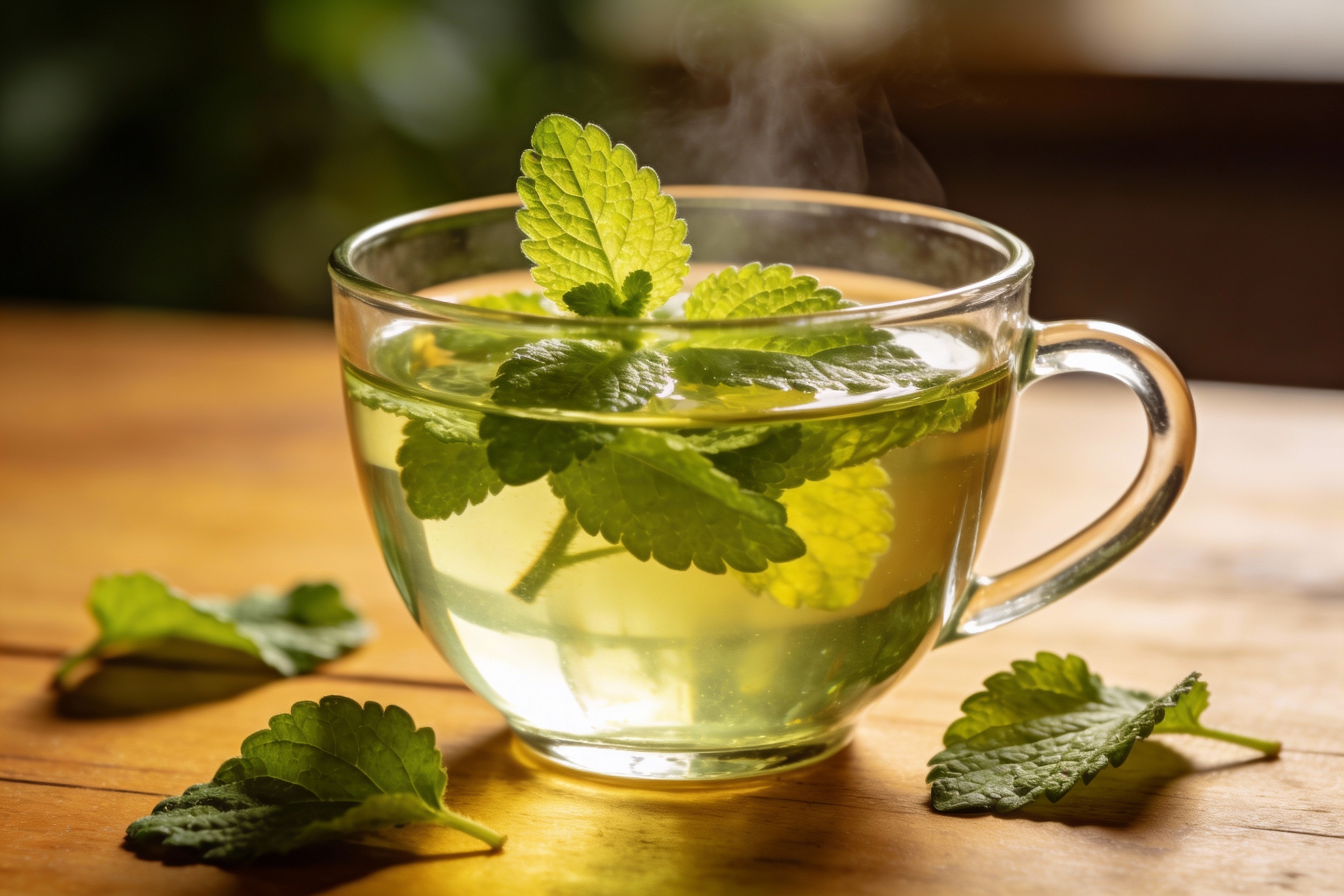
- 1 teaspoon dried lemon balm (or fresh, roughly chopped)
- 1 teaspoon dried passionflower (optional but helpful for deep relaxation)
- 1 thin slice of fresh ginger (optional, for warmth and digestion)
- 1 small strip of lemon peel (avoid the white pith)
- 8–10 ounces hot water (just off the boil)
- 1–2 teaspoons honey or maple syrup (optional)
How to Make This Herbal Sleep Tea
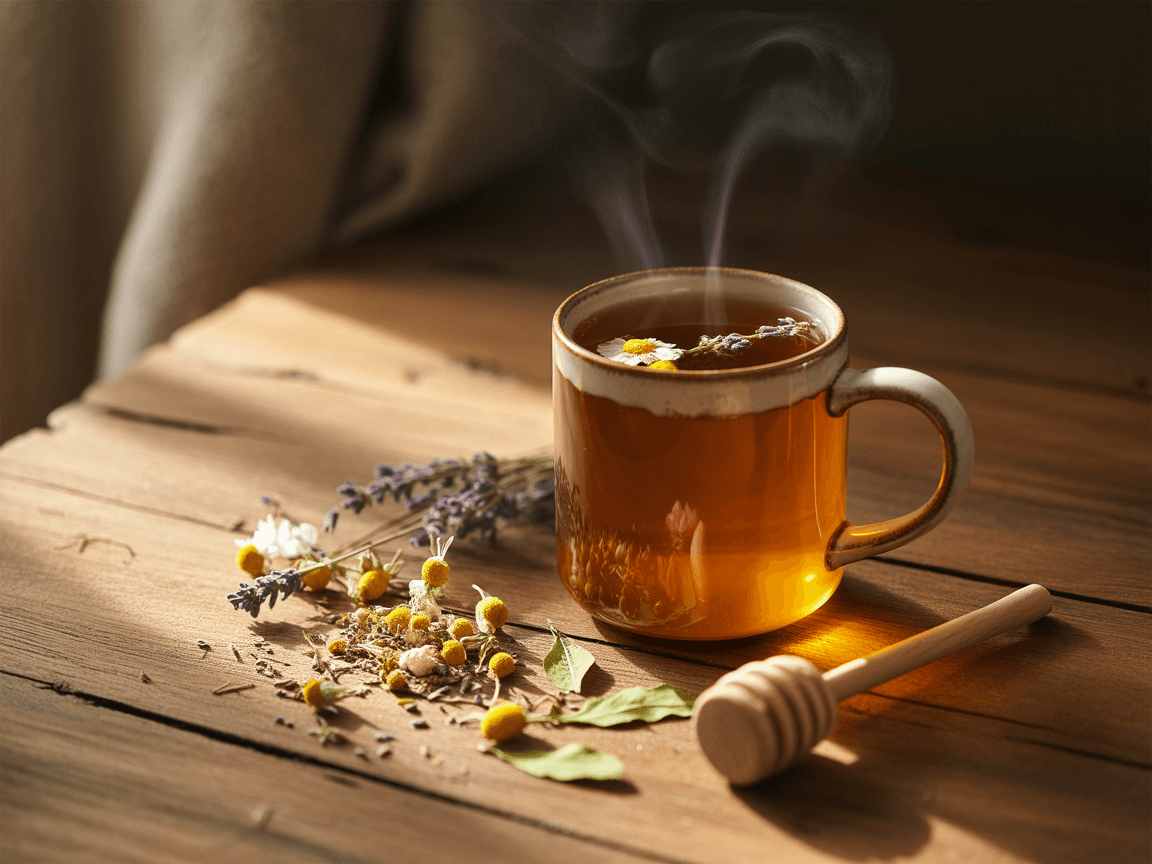
- Warm the mug: Rinse your mug with hot water to keep the tea hot longer.
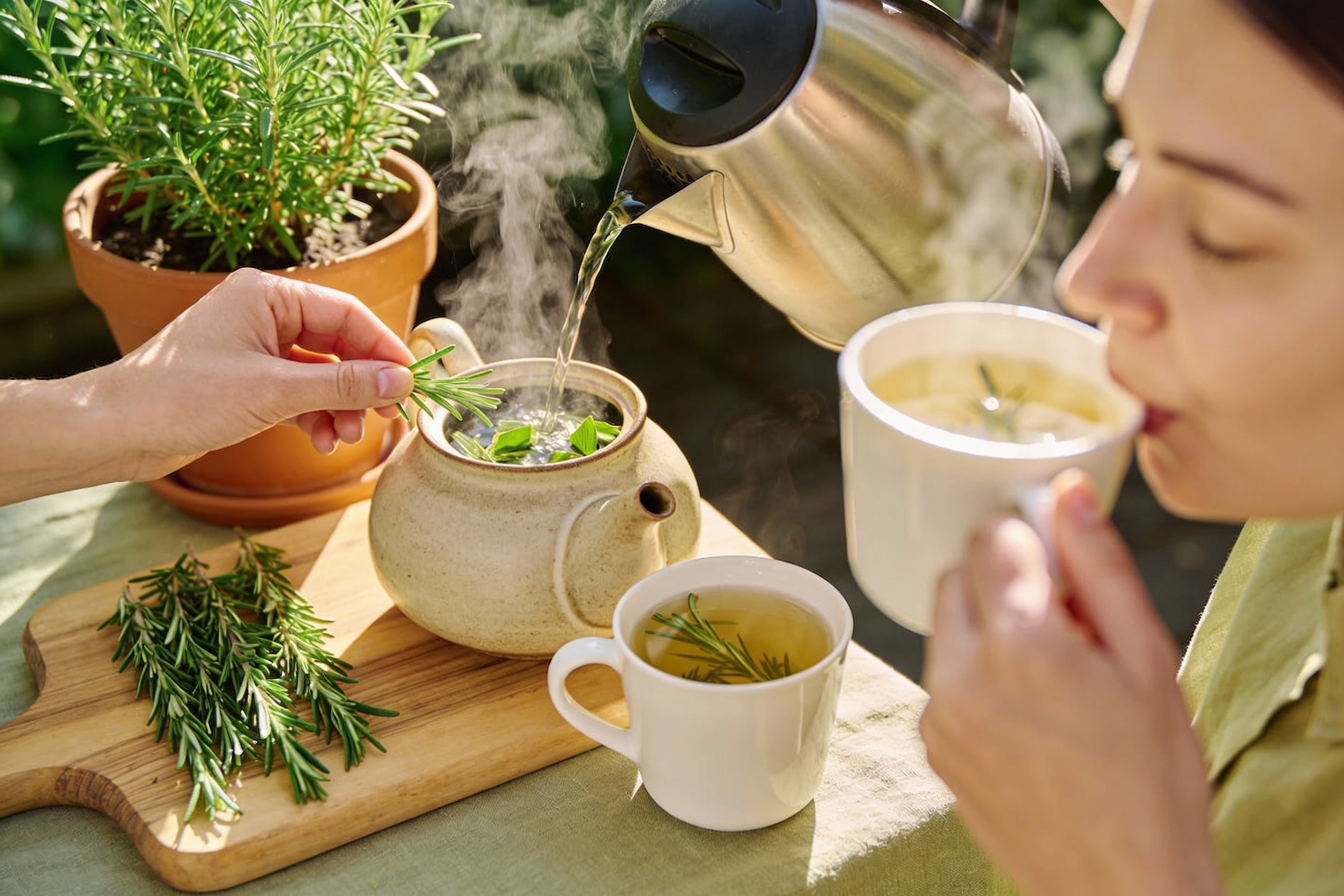
- Measure the herbs: Add chamomile, lavender, lemon balm, and passionflower to a tea infuser, tea bag, or small teapot. Add ginger and lemon peel if using.
- Heat the water: Bring water to a boil, then let it sit for 30 seconds.
Very hot, not violently boiling, protects the delicate flavors.
- Steep: Pour water over the herbs. Cover the mug with a small plate to keep in the steam and aromatics. Steep for 6–8 minutes.
- Taste and sweeten: Remove the herbs.
Stir in honey or maple syrup if you like. Start small; the tea is naturally fragrant.
- Slow sip: Drink it about 30–60 minutes before bed as part of your wind-down routine.
How To Keep Herbal Sleep Tea Fresh
- Store dried herbs: Keep them in airtight glass jars, away from heat, light, and moisture. A pantry cabinet is perfect.
- Label with dates: Dried herbs are best within 6–12 months.
After that, they lose aroma and potency.
Related Posts:
- Make a batch blend: Mix the dry herbs in a larger jar for quick nightly scoops. Use within 2–3 months for the best flavor.
- Brew ahead: You can brew a larger pot, cool it, and refrigerate for up to 24 hours. Reheat gently on the stove, not in a rolling boil.





Why This Herbal Sleep Tea is Good for You
- Chamomile: Traditionally used for relaxation and gentle digestive support.
Its mild apple-like flavor also soothes the senses.
- Lavender: Known for easing tension and restlessness. A little goes a long way; it adds calm without overpowering.
- Lemon balm: Bright, lemony, and often used to support mood and relaxation. Great for winding down after a busy day.
- Passionflower: Commonly used to support deeper sleep quality and reduce overactive thoughts at bedtime.
- Ginger and lemon peel: Gentle on digestion and adds cozy warmth and aroma.
Note: While these herbs are widely considered safe for most adults, always check with your healthcare provider if you’re pregnant, nursing, on medication, or dealing with specific health conditions.
Pitfalls to Watch Out For: Herbal Sleep Tea
- Too much lavender: More than a teaspoon can taste soapy and overpower the blend.
- Oversteeping: Leaving herbs in too long can make the tea bitter.
Aim for 6–8 minutes.
- Excess sweetener: Too much honey or syrup masks the delicate floral notes and can feel heavy before bed.
- Using stale herbs: Old herbs taste flat and won’t deliver the same calming effect. Check the aroma before brewing.
- Timing: Drinking big mugs right at bedtime can lead to late-night bathroom trips. Sip about an hour before sleep.
Alternatives For Herbal Sleep Tea
- Swap lemon balm: Try spearmint for a cool, gentle flavor.
It’s milder than peppermint at night.
- Skip passionflower: If you don’t have it, the tea will still be calming with chamomile and lavender.
- Valerian root option: For stronger support, add 1/2 teaspoon dried valerian root and steep 8–10 minutes. Note: it has a strong, earthy aroma and may not suit everyone.
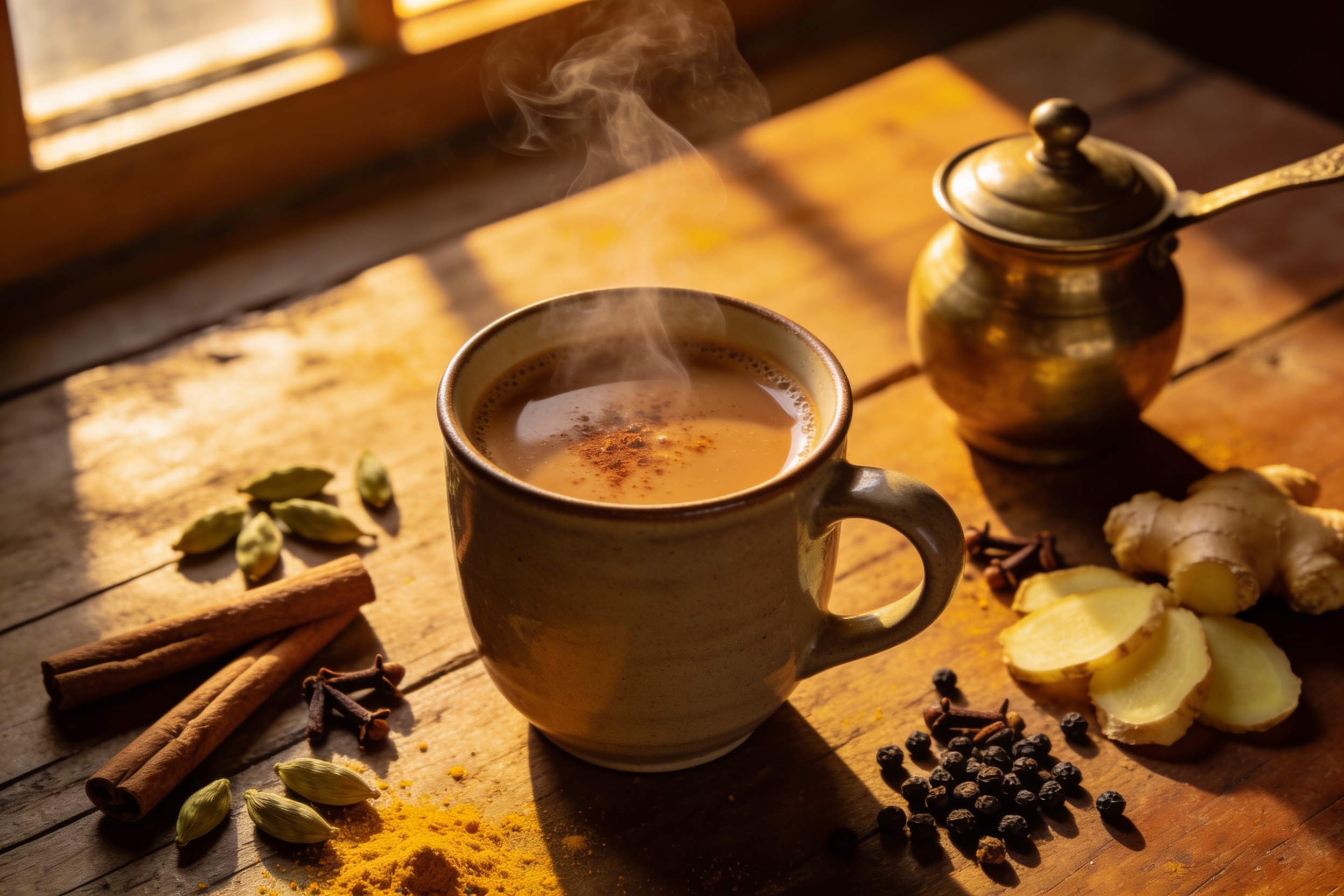
- Caffeine-free spice twist: Add a small pinch of cinnamon or a cardamom pod for warmth without stimulating effects.
- No honey: Use a slice of fresh apple while steeping for a light, natural sweetness.
- Cold version: Brew strong (using 1.5x the herbs), let cool, then pour over ice with a lemon slice. Still soothing, especially in warm weather.
FAQ About Herbal Sleep Tea
Can I drink this tea every night?
Yes, most people can enjoy this nightly.
Rotate herbs every few weeks if you like, and listen to your body. If you’re on medication or have health concerns, check with your doctor first.
Is it safe during pregnancy or breastfeeding?
Some herbs in this blend, like passionflower, may not be recommended. Always consult your healthcare provider before using herbal blends during pregnancy or while nursing.
How soon before bed should I drink it?
Aim for about 30–60 minutes before sleep.
That gives time for the calming effects to kick in without interrupting sleep later.
Will it make me drowsy in the morning?
This blend is designed to relax, not sedate. Most people wake up clear-headed. If you feel groggy, reduce the amount of passionflower or skip valerian if you tried that variation.
Can I use tea bags instead of loose herbs?
Absolutely.
Use 1 chamomile bag plus a lavender or lemon balm bag if available. If not, add a pinch of culinary lavender and lemon peel to the mug.
What if I don’t like floral flavors?
Cut the lavender in half and add more lemon balm or a little spearmint. You’ll still get calming benefits with a fresher taste.
Does it interact with medications?
Some calming herbs can interact with sedatives, anti-anxiety medications, or antidepressants.
If you take prescription meds, consult your healthcare provider first to be safe.
Conclusion On Herbal Sleep Tea
A calm evening starts with simple rituals, and this herbal sleep tea fits right in. It’s gentle, fragrant, and easy to make, helping your body and mind shift into rest mode. Keep a small jar of the blend ready, put the kettle on, and let the steam signal your night’s slowdown.
Small steps like this can make bedtime feel welcoming, unhurried, and deeply peaceful.
Related Post: Decaf Green Tea Made Simple – All the Comfort Without the Caffeine