Your joints feel cranky, your skin looks annoyed, and your brain wants a chill pill. Enter nettle leaf tea—the prickly plant that somehow turns into a smooth, soothing brew with serious anti-inflammatory chops. It’s earthy, comforting, and surprisingly effective. If you want less ache and more “ahhh,” grab a mug and let’s dig in.
Why Nettles for Inflammation?
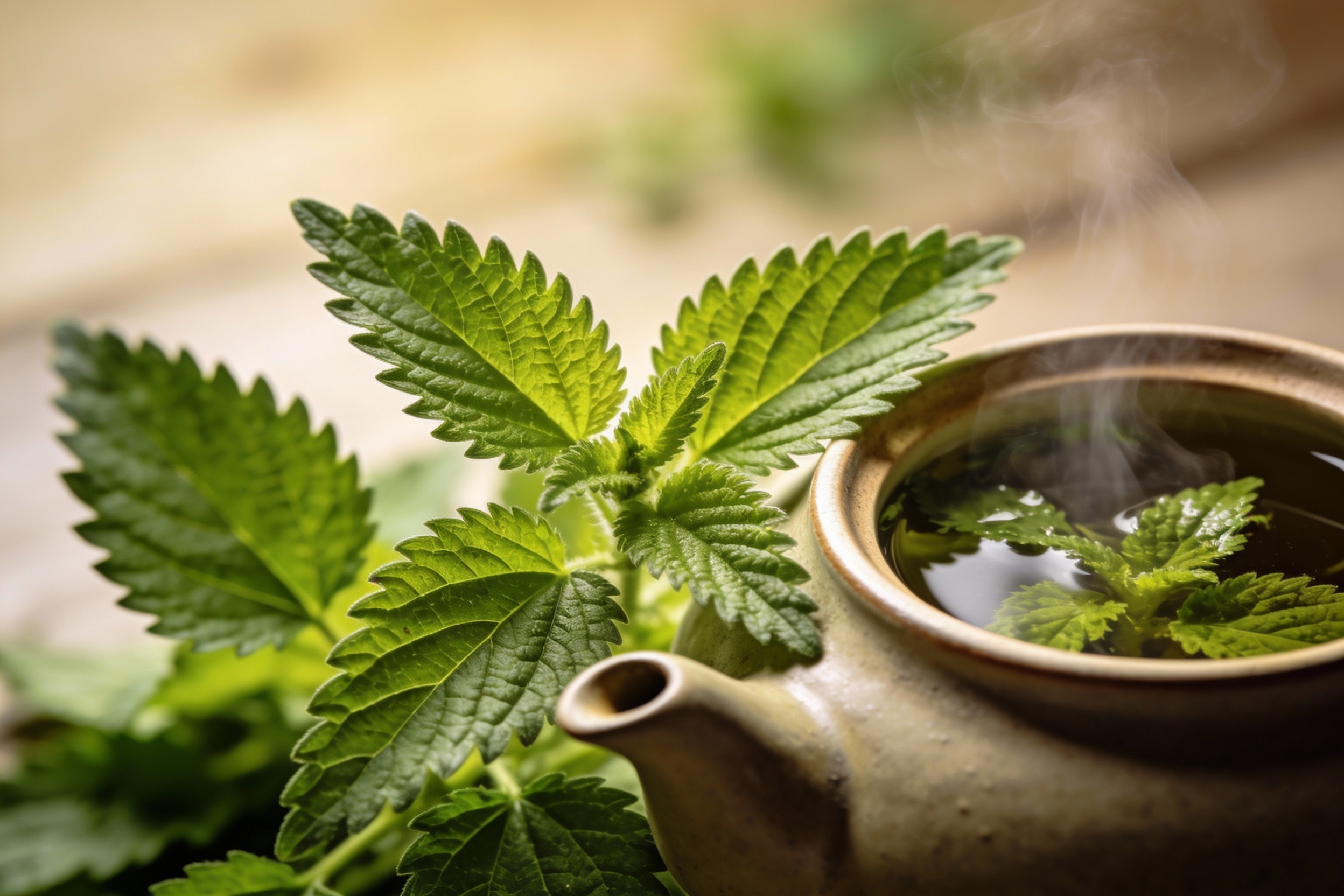
Nettle (Urtica dioica) looks like a plant that wants to start a fight, but brewed as tea, it brings the peace. It carries natural compounds that help calm your body’s inflammatory response. Think of it as your internal firefighter—minus the siren.
What makes nettle useful?
- Anti-inflammatory compounds: Nettle contains flavonoids (like quercetin) and phenolic acids that may dial down inflammatory pathways.
- Mineral-rich: It’s naturally high in magnesium, potassium, calcium, and iron—great for overall balance and recovery.
- Gentle on digestion: Many folks tolerate nettle better than some spicy or bitter herbs that can irritate the gut.
How It Works (Without the Snooze-Fest)
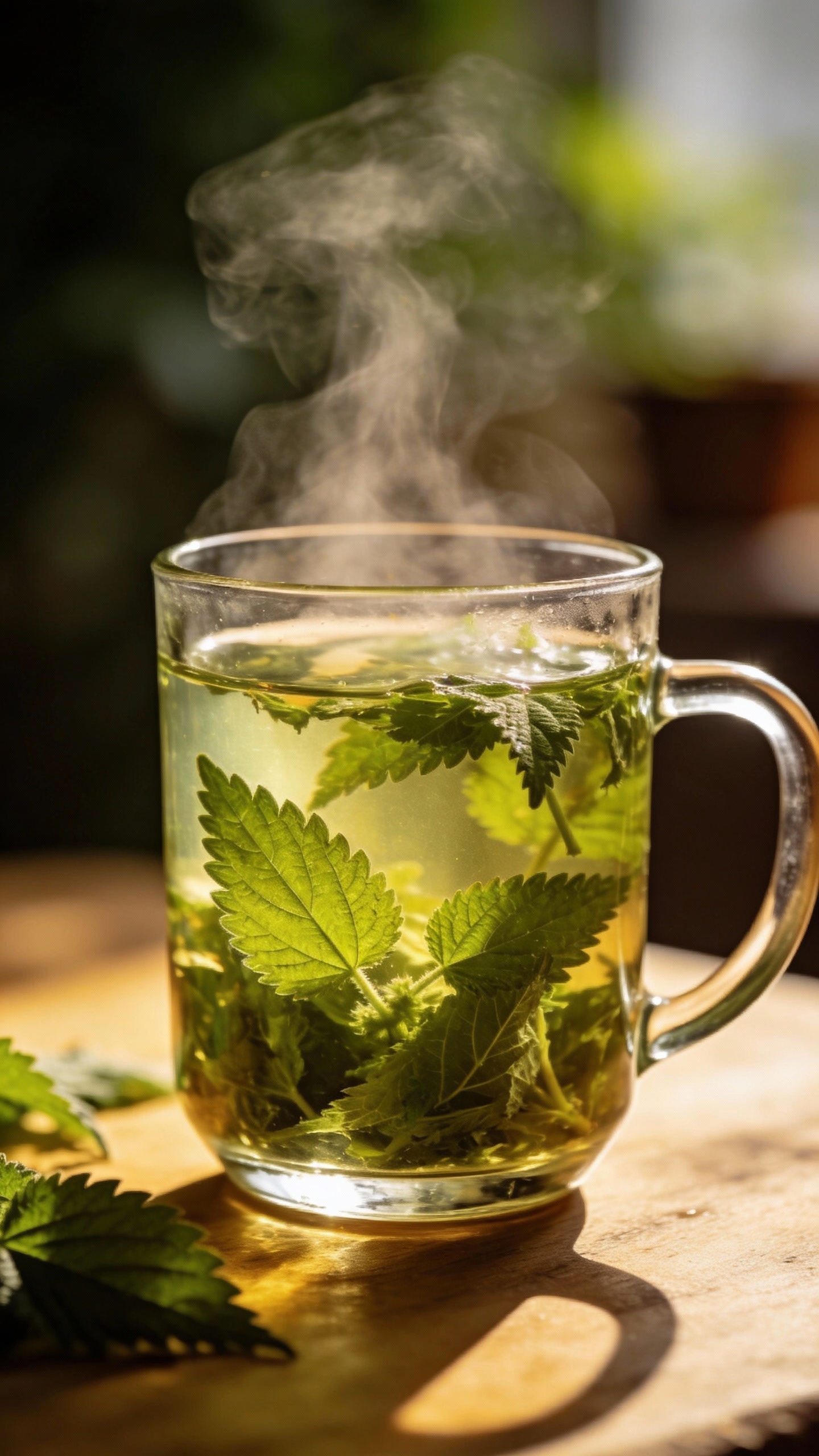
Your body uses signaling molecules—prostaglandins, cytokines, the usual suspects—to ramp inflammation up and down. Nettle seems to nudge those signals toward “calm down.” It won’t bulldoze your immune system; it just helps it stop overreacting, like a friend who takes the megaphone away at the right moment.
The star compounds, in plain English
- Quercetin: An antioxidant that may help stabilize mast cells and reduce histamine—handy if your allergies or skin flare-ups join the party.
- Chlorogenic acid and caffeic acid: Plant compounds that support antioxidant activity and modulate inflammation.
- Lignans and polysaccharides: Subtler players that may support immune balance and joint comfort.
What It Can Help With (IMO)
I’m not calling it a miracle brew, but it shows up for a lot of people. FYI, consistent use beats one-off sips.
- Stiff joints and mild aches: Many folks drink nettle daily for joint comfort, especially when mornings feel creaky.
- Seasonal sniffles: Because nettle can chill histamine release, it might ease the “my nose hates spring” situation.
- Skin tantrums: Eczema-prone? Some people notice fewer flare-ups when they include nettle regularly.
- Water retention: Nettle acts gently diuretic. Translation: less puff, more pep.
Who gets the most benefit?
- People with on-and-off joint irritation who want a daily tea ritual.
- Allergy sufferers who prefer a plant-based assist.
- Anyone building a simple, mineral-rich, caffeine-free wellness routine.
How to Brew Nettle Leaf Tea (Like You Mean It)
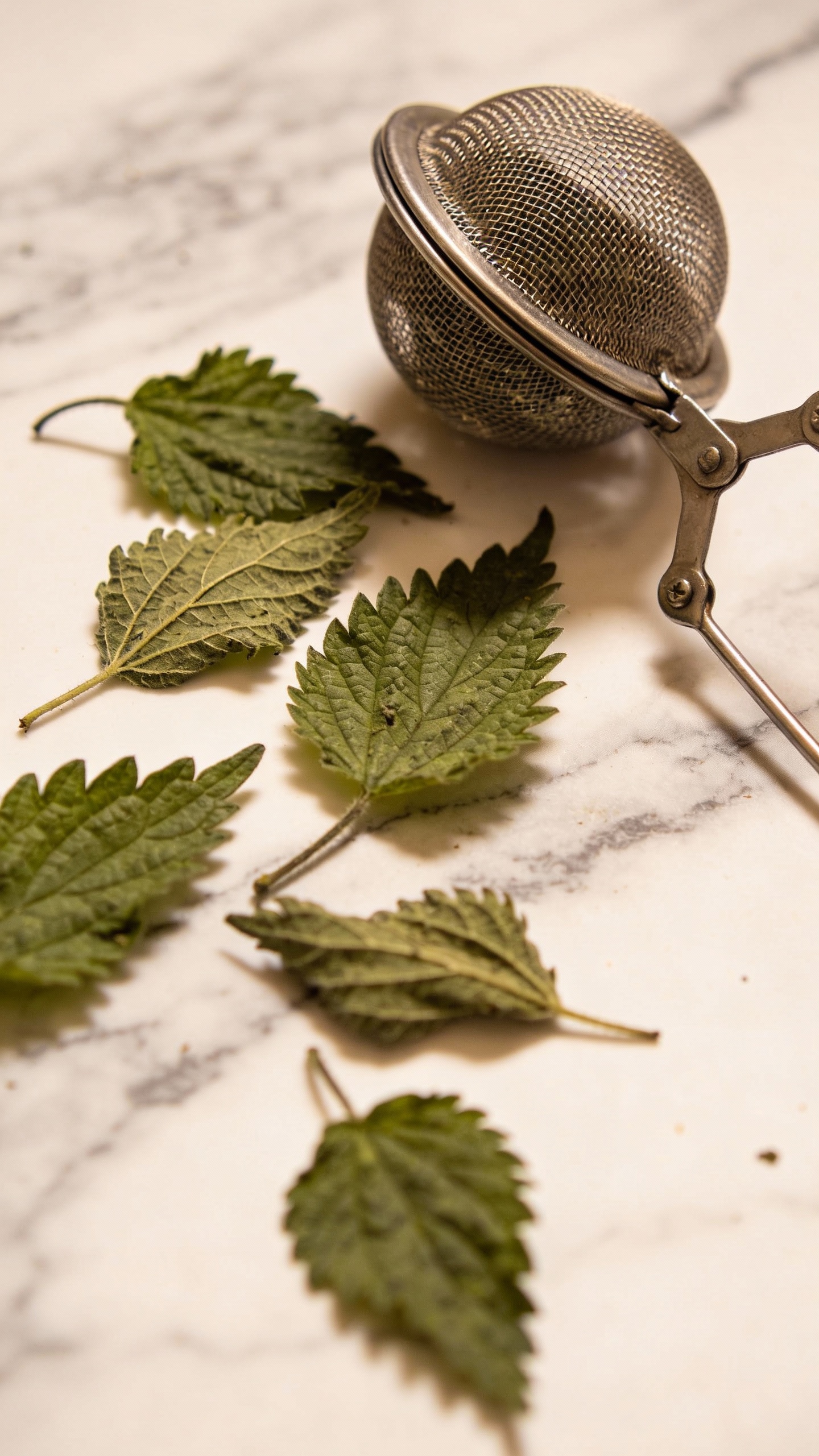
You can steep nettle like a dainty tea—or you can make it properly strong for anti-inflammatory support.
Simple daily cup
- Use 1 tablespoon dried nettle leaf per 8–10 oz hot water.
- Steep 10–15 minutes, covered (keeps the good stuff in).
- Strain, sip, and enjoy earthy vibes. Add lemon or honey if you want.
Stronger “infusion” for deeper support
- Add 1/2–1 cup dried nettle leaf to a quart jar.
- Fill with just-boiled water, cap, and steep 4–8 hours or overnight.
- Strain, refrigerate, and drink 1–2 cups daily for 3–5 days a week.
Pro tips:
- Cover your mug or jar while steeping—volatile compounds like to escape.
- Blend with peppermint for flavor or ginger for an extra anti-inflammatory nudge.
- Use leaf only for tea; roots serve different purposes (usually for urinary or prostate support).
Dosing, Timing, and “How Long Till I Feel Something?”
You’ll get a gentle lift right away, but real anti-inflammatory effects often build over time. Think weeks, not hours.
- Daily rhythm: 1–3 cups per day. Morning and mid-afternoon work well.
- Consistency: Try a 3–4 week stretch, track how your body feels, then adjust.
- On tough days: Go for the stronger infusion version.
Pairing nettle with other supports
- Turmeric + black pepper: Culinary dose with meals for a team effort.
- Omega-3s: If your diet lacks fatty fish, consider a supplement. Nettles + omega-3s = calmer baseline.
- Magnesium: Great for muscle comfort and sleep, and nettle naturally contains some.
Safety, Side Effects, and “Should I Ask My Doctor?”
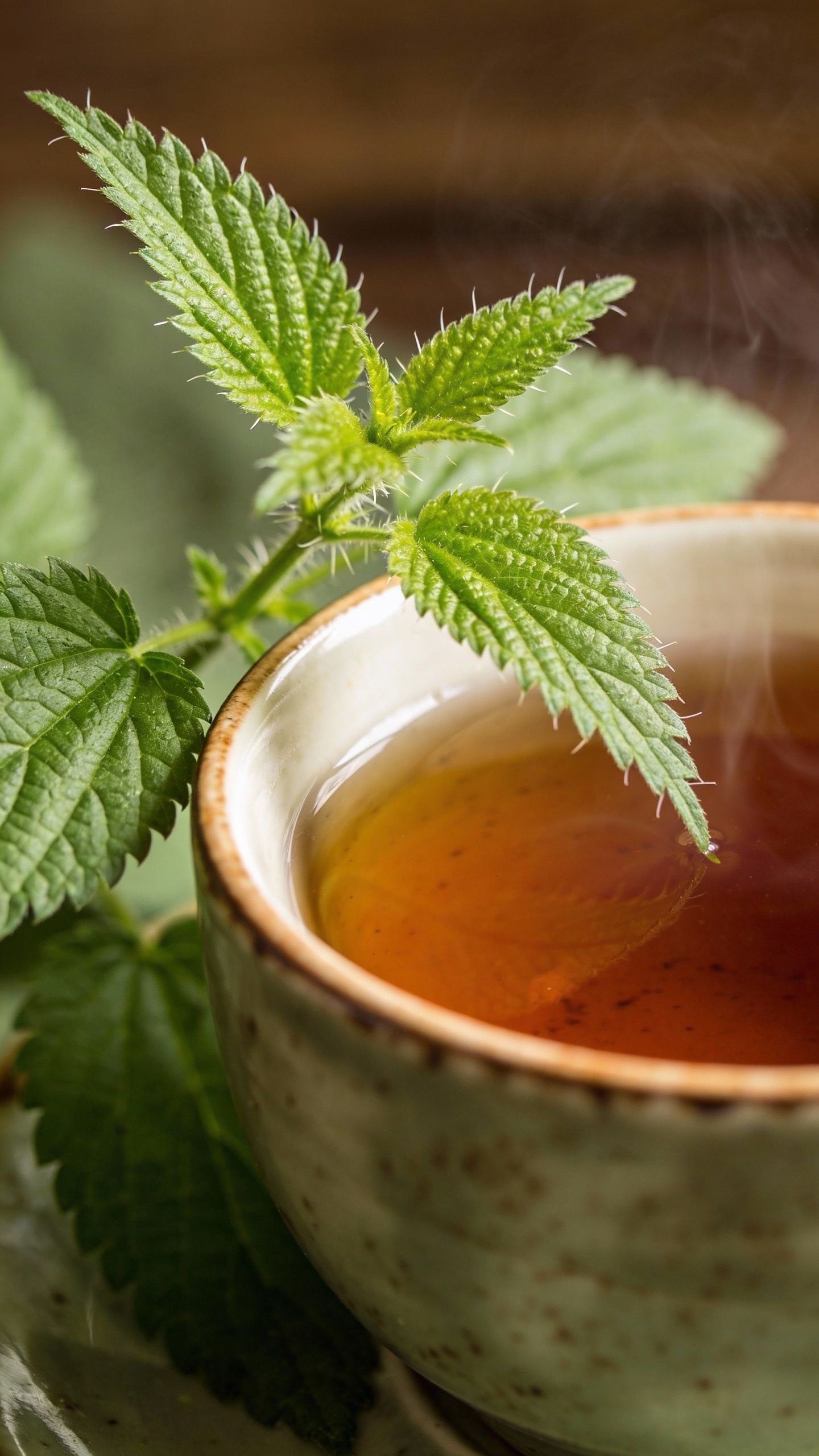
Nettle leaf tea counts as gentle for most people, but it still deserves respect (like a cat that tolerates you).
Watch-outs:
- Diuretics or blood pressure meds: Nettle can mildly lower blood pressure and increase urination. Monitor and talk to your clinician.
- Blood thinners: The vitamin K content in strong infusions may matter. Coordinate with your care team.
- Pregnancy: Opinions vary; stick with light doses and get professional guidance.
- Allergies: If you react to nettle plants or develop itching or stomach upset, stop.
Quality matters (a lot)
- Choose dried leaf that looks vibrant green, not brown and dusty.
- Buy from reputable herbal suppliers that test for contaminants.
- Store airtight, away from heat and light, and use within 6–12 months.
Flavor, Blends, and Making It Actually Delicious
Nettle tastes earthy and slightly grassy—like green tea’s chill cousin. If you love it as-is, amazing. If not, easy fix.
- Brighten it: Lemon peel, lemongrass, or a squeeze of fresh lemon.
- Warm it up: Ginger slices, cinnamon, or cardamom pods.
- Cool it down: Peppermint or spearmint = summer-friendly iced tea.
- Sweeten lightly: Honey, maple, or stevia—totally optional.
Two go-to blends
- Allergy season sipper: Nettle + peppermint + lemon balm.
- Joint comfort blend: Nettle + ginger + a pinch of turmeric (add black pepper).
Realistic Expectations (and a Gentle Reality Check)
Nettle tea won’t replace your meds or erase a gnarly diet, but it can support your baseline inflammation levels in a meaningful, steady way. Pair it with sleep you actually prioritize, consistent movement, and fewer ultra-processed foods. IMO, nettle shines when you stack small, smart habits.
Results you might notice:
Related Posts:






- Slightly easier mornings and less stiffness.
- Calmer skin or fewer flare days.
- Better hydration and, yes, more bathroom trips—occupational hazard.
FAQ
Can I drink nettle tea every day?
Yes—many people enjoy 1–3 cups daily. If you brew strong infusions, consider taking one or two days off each week to keep things balanced. Listen to your body and adjust.
How fast does it work for inflammation?
Some folks feel lighter within a few days, but consistent relief often shows up after 2–4 weeks. Keep notes on joint comfort, skin, and energy so you can track real changes instead of guessing.
Is fresh nettle better than dried?
Fresh nettle tastes brighter and feels more “alive,” but dried leaf is convenient and still potent. If you forage, use gloves (obviously), blanch to remove the sting, and dry at low temps for later tea.
Can I drink it at night?
Absolutely. Nettle contains no caffeine. Just remember it’s mildly diuretic, so maybe don’t slam a giant mug right before bed unless you enjoy 2 a.m. bathroom adventures.
What if I’m on medications?
Talk with your healthcare provider, especially if you take diuretics, blood pressure meds, lithium, or blood thinners. Bring your tea routine to the conversation—makes life easier for everyone.
Does nettle leaf tea cause allergies?
Rarely, but it can. If you notice itching, dizziness, or stomach upset, stop drinking it. People with plant allergies should start with small amounts and see how they do.
Bottom Line
Nettle leaf tea gives you a simple, earthy way to calm inflammation without turning your life upside down. Brew it strong, drink it regularly, and pair it with smart habits. It won’t fix everything, but it can help your body find its chill—and that’s worth a spot in your mug, IMO.