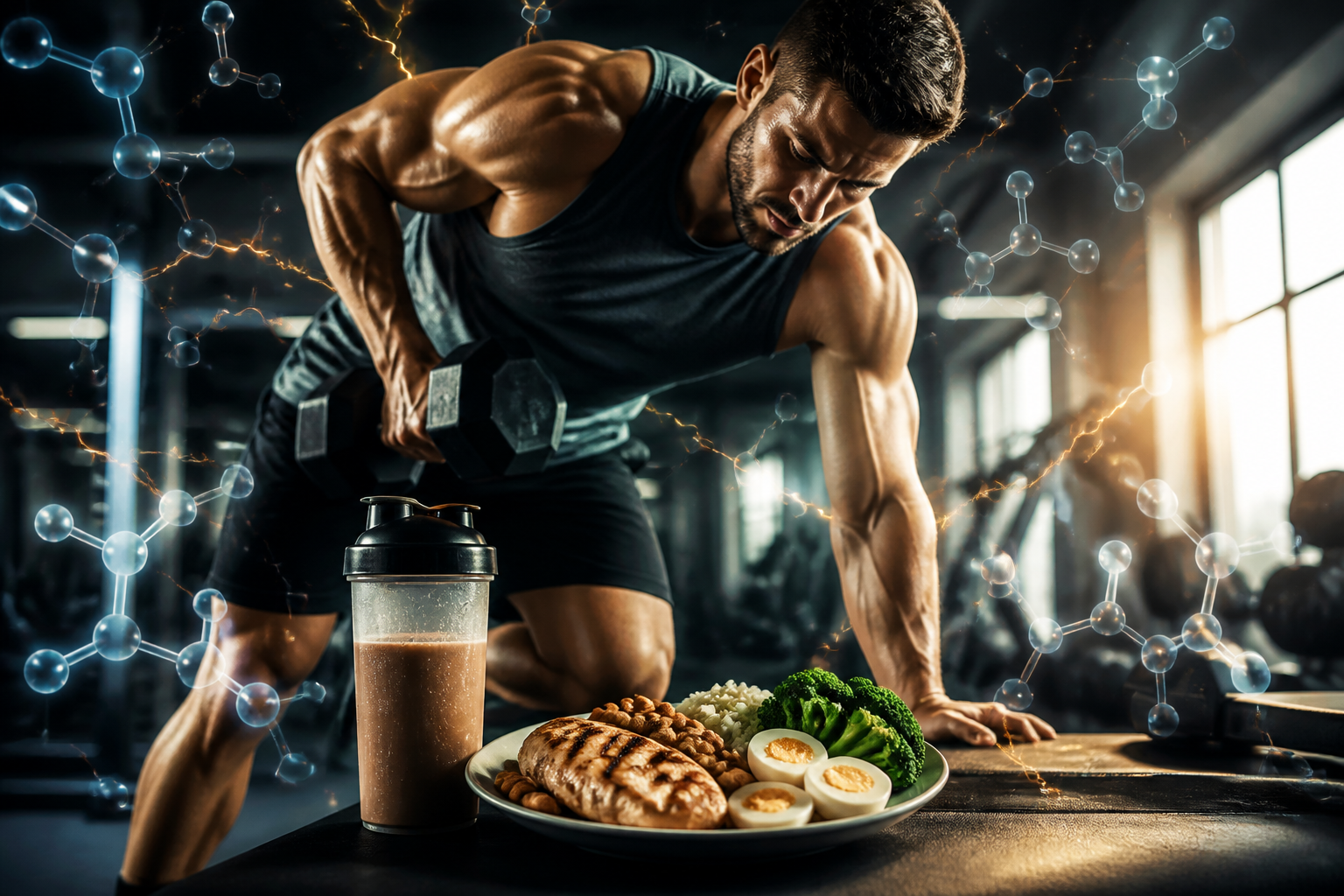
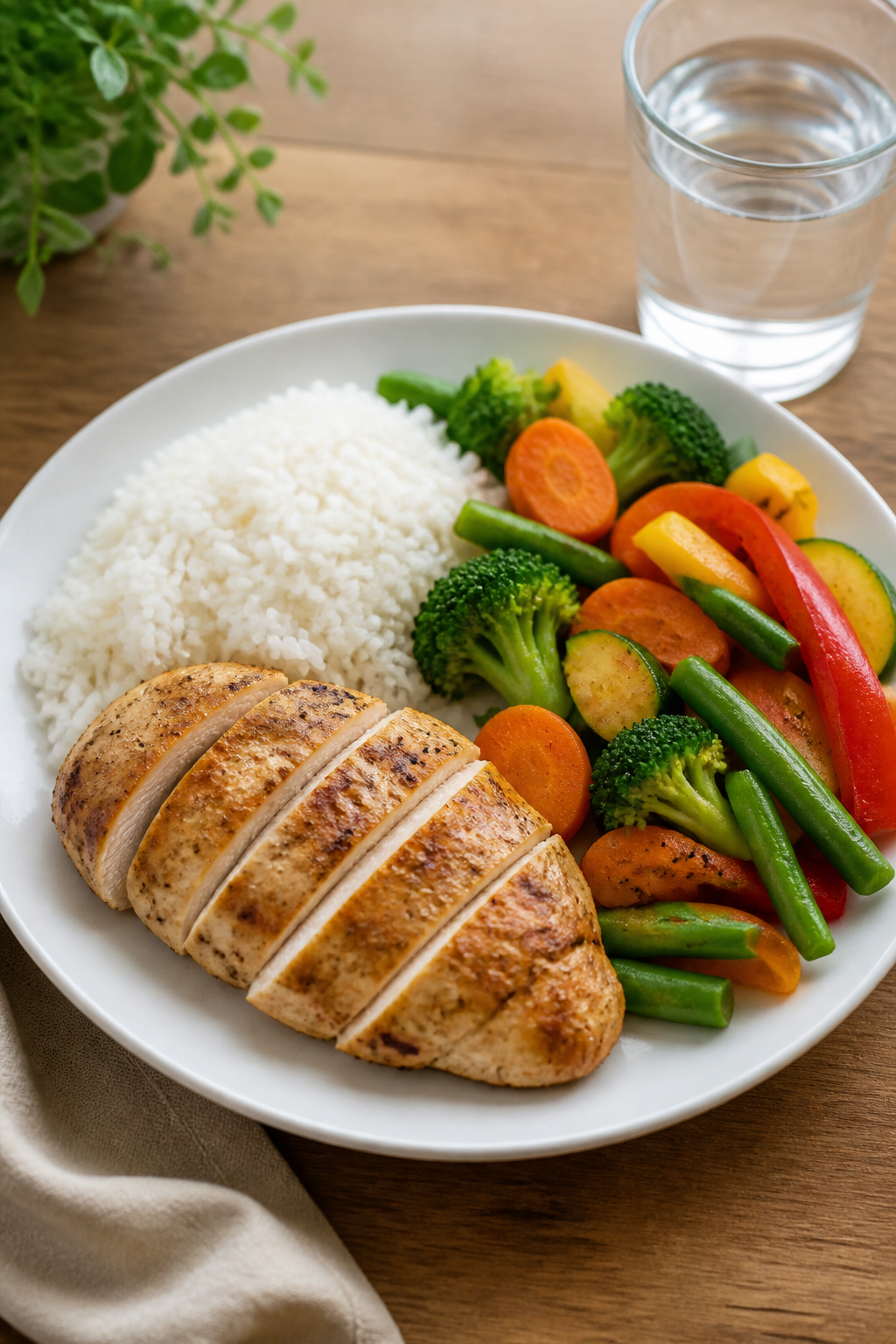
If you’re chucking back protein shakes and still wondering where the gains are, you’re not alone. Let’s demystify the mystery in plain English and a bit of humor. You’ll walk away with practical fixes, not more confusion.
Protein is Just the Start: What Truly Signals Muscle Growth
– You’ve heard the protein myth: more protein equals bigger muscles. False. Recovery, calories, and training quality matter just as much. – Calories in vs. calories out determines net growth. If you’re not eating enough overall, those amino acids never get a chance to build. – Training signals your muscles to grow. Protein provides the raw materials, but your workouts supply the spark.
How Much Protein Do You Really Need?
– The quick answer: aim for 1.6–2.2 grams per kilogram of body weight per day for most people chasing gains. – If you’re lean and lifting heavy, push toward the upper end. If you’re bigger or older, keep consistent protein intake across meals. – Spread it out: 3–5 protein-rich meals or snacks daily helps maximize muscle protein synthesis.
Practical dosing tips
Distribute evenly: 25–40 grams of high-quality protein per meal typically works well.
Pre- and post-workout protein can help, but total daily intake matters more.
Don’t rely on supplements alone—whole foods provide balance, fiber, and micronutrients.
Quality Over Quantity: Are You Using the Right Protein?
– Not all proteins are created equal for muscle growth. Complete proteins that include all essential amino acids matter. – Animal sources—chicken, beef, eggs, dairy—are convenient for high-quality protein. – Plant-based athletes can still win, but you may need more planning to hit essential amino acid targets.
Spotlight on amino acids
Leucine leads the charge in starting protein synthesis—aim for roughly 2–3 grams per meal if you’re counting.
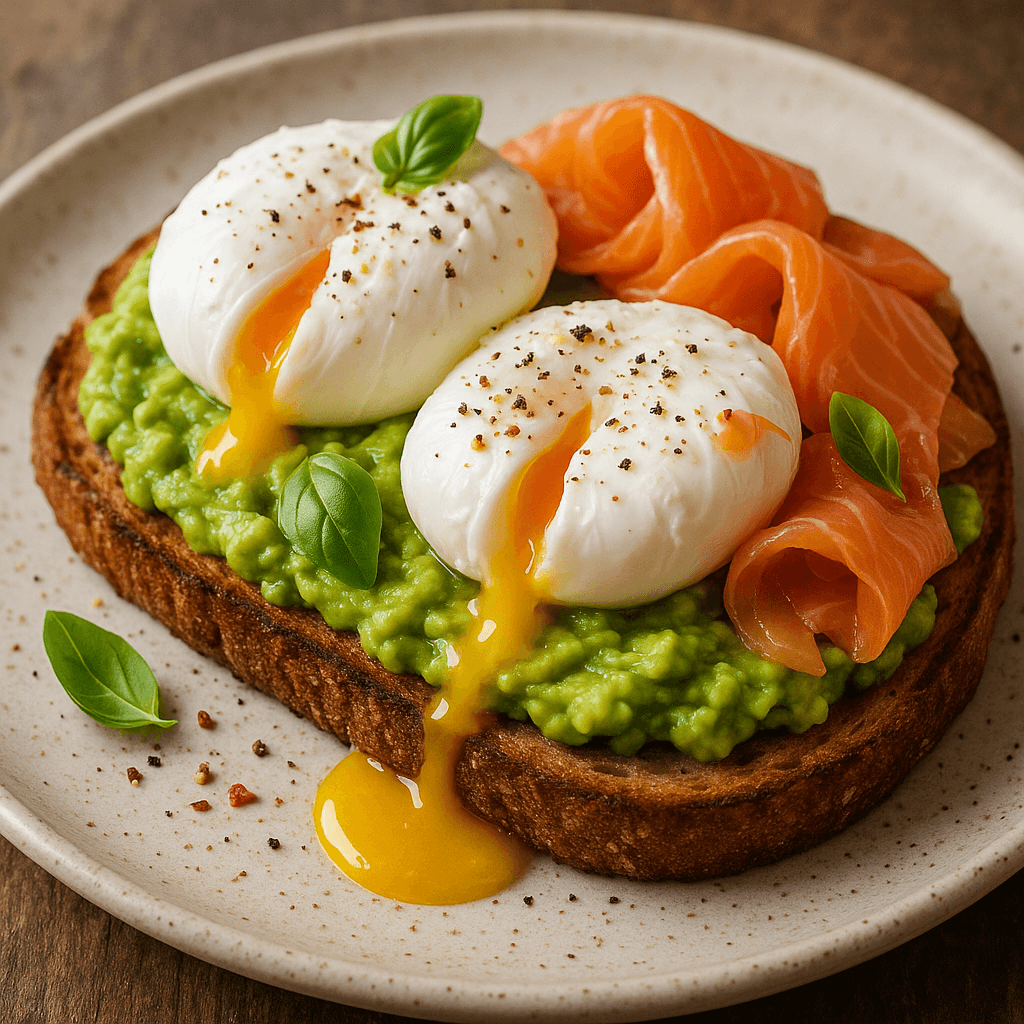
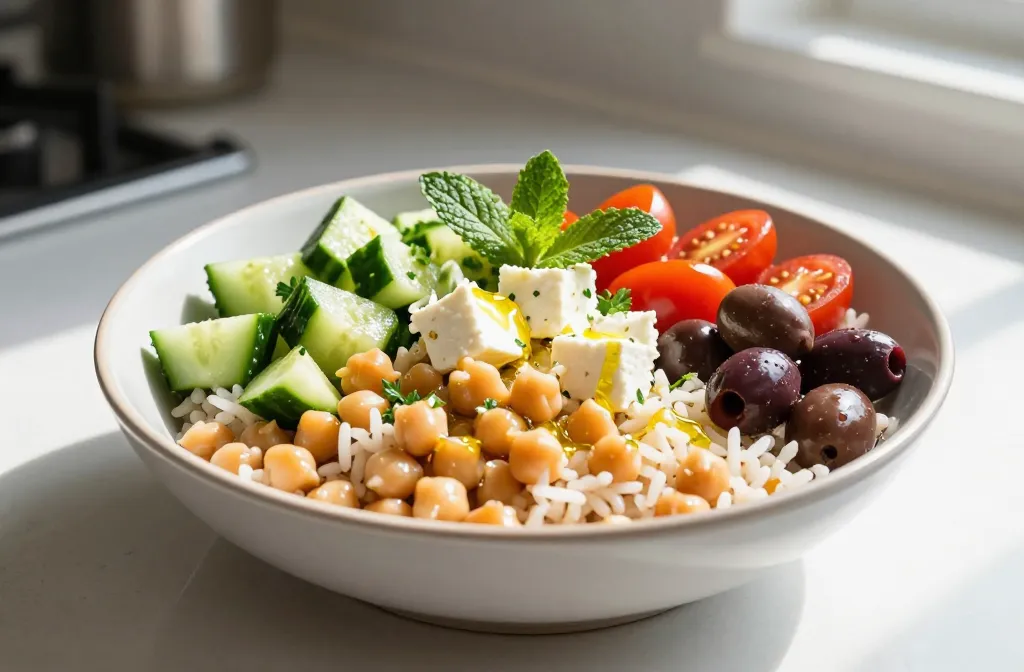
Complete proteins pair well: rice and beans, peanut butter on whole grain bread, or quinoa with lentils help cover all bases.
The Real Driver: Training Quality and Recovery
– Protein fuels growth, but you must stimulate growth with progressive resistance. If workouts stagnate, gains stall. – Recovery is where the magic happens. Sleep, stress management, and nutrition all play supporting roles.
Make workouts count
Progressive overload: increase weight, reps, or volume gradually.
Focus on compound lifts early in workouts for maximal stimulus.
Include some high-intensity interval or tempo work to keep muscles responsive.
Calories: The Invisible Helper (Or Saboteur)
– If you’re not in a slight surplus, the body won’t dedicate energy to muscle-building, no matter how much protein you consume. – A modest surplus plus steady training beats big protein intake with a boring training plan.
Quick calorie-checklist
Track for a week to gauge your baseline intake.
Increase by 250–500 calories on training days if you’re not seeing progress.
Don’t assume “protein first” means you’re good—carbs and fats matter for performance and recovery too.
Timing and Frequency: Do I Have to Eat 6 Meals a Day?
– Constant grazing isn’t required, but regular protein distribution helps maximize muscle protein synthesis. – If you have a busy schedule, two solid protein-rich meals plus a couple of snacks can still hit targets.
Smart meal timing
Post-workout protein within 1–2 hours supports recovery, especially if you trained hard.
Hydration and electrolytes matter for performance and recovery too.
Common Pitfalls: Where You’re Actually Going Wrong
– Under-eating overall: You can slam protein, but if calories are too low, your body won’t grow. – Skipping workouts: Protein without stimulus is like fuel for a car with no engine. – Overreliance on supplements: Shakes don’t replace meals, and some “protein” powders sneak in tons of sugar or fats. – Inconsistent sleep: Poor sleep sabotages recovery and hormones that drive growth.
Spot-check your week
Did you hit the protein target every day or just on “protein days”?
Did you train 3–5 times with adequate intensity?
Are you getting 7–9 hours of sleep most nights?
FAQ
Can I build muscle on a plant-based diet?
Yes, you can. It takes a bit more planning to hit essential amino acids, but combining foods like tofu, tempeh, lentils, quinoa, and nuts can cover your bases. Consider a protein shake with complementary proteins if you struggle to meet daily targets. FYI, you might need a slightly higher total protein intake to match animal-based diets.
Is a protein shake after workouts a must?
No, not a must, but it’s convenient. If you’re training intensely and your post-workout meal is delayed, a shake can bridge the gap. If you’re eating a solid protein-rich meal within a couple hours, you’ll still be fine.
Why aren’t my muscles growing even though I eat enough protein?
Because several gears must turn together: calories, training stimulus, recovery, and sleep. If one gear is off, gains stall. Check your total calories, lift progression, and nightly rest—these often fix things faster than chasing another supplement.
How important is rest between workouts?
Rest is critical. Muscles rebuild between sessions. Aim for 48–72 hours before hitting the same muscle group intensely again. Shorter rests can be okay for certain goals, but growth needs time to patch the fibers.
Should I worry about protein timing on rest days?
Not as much as you think. Stay consistent with total daily intake. If you enjoy a bigger meal after training, that works well. On rest days, spread protein evenly and don’t panic about exact timing.
Conclusion
Protein is essential, but it’s not a magic wand. Your gains show up when protein supply meets training demand, calories aren’t starving the process, and recovery actually happens. If you’re feeling stuck, audit your week like a detective: are you lifting hard enough, eating enough overall, and sleeping enough? IMO, small, consistent tweaks beat drastic, unsustainable measures every time. FYI, progress isn’t linear, but it’s definitely real when you align the basics.
Disclosure: This post may contain affiliate links.
If you make a purchase through these links, I may earn
a small commission at no extra cost to you.
prab chahal
Hi, I’m Prabjot Chahal – the heart (and taste buds) behind this blog!
Food has always been my love language – from experimenting with family recipes to discovering unique flavors from around the world. I believe that cooking isn’t just about following a recipe, it’s about creating moments, sharing stories, and connecting with others over something delicious. Through this blog, I want to build a vibrant food community where we share more than just recipes – we share inspiration, tips, and the joy of making and enjoying good food together. Whether you’re here for quick weekday dinners, festive treats, or creative seasonal ideas, you’re part of this table. So grab a fork (or a whisk!) and let’s cook, bake, and share our love for food – one recipe at a time.