An honest, no-nonsense look at what happens when protein shows up at every bite. We’ll slow down the hype, dish out the science, and tell you what actually sticks. Spoiler: your muscles aren’t the only winners.
First Things First: Why Protein Every Meal?
Protein is the squeaky wheel of appetite control and metabolism. If you’re chasing satiety, steady energy, or muscle maintenance, protein is your sidekick. But is more always better? Not necessarily. The goal is balance, not a protein avalanche.
What Happens in the Body When You Eat Protein at Each Meal
Protein does a lot of legwork in your body. Here’s the quick-and-dirty rundown.
Satiety boost: Protein helps you feel full longer, which can curb snacking between meals.
Muscle maintenance: Regular protein intake supports muscle repair and growth, especially if you’re active.
Blood sugar stability: Protein slows the absorption of carbohydrates, helping avoid big sugar spikes.
Thermogenesis: Your body uses more energy to digest protein, a tiny metabolic extra boost.
What It Means for Appetite and Snacking
If you’re hungry between meals, protein at each meal can be a game-changer. It tends to blunt cravings and reduce grazing. FYI, don’t skip fats and fiber, though—your gut loves a balanced plate just as much as your brain loves a snack-free afternoon.
Impact on Muscle, Strength, and Fitness
If you lift, protein at every meal helps you recover faster and preserve lean mass. For beginners, this can feel like magic; for seasoned lifters, it’s about maintaining consistency. Staying in a slight caloric balance with adequate protein often yields the best muscle outcomes.
How Much Protein Do You Need?
There’s no one-size-fits-all, but a practical target is about 0.6–0.9 grams per pound of body weight per day for most active people, spread across meals. That tends to feel doable without turning meals into a protein math problem.
Digestive Realities: Can Your Digestion Handle It?
Your stomach doesn’t hate protein; it just needs time. Spreading protein out over 3–4 meals gives your body a smoother processing rhythm. If you’re dairy-sensitive or vegetarian, you’ll customize with plant-based or alternative protein sources. The key is variety to cover all essential amino acids.
Plant-Based vs Animal-Based: Does It Change the Game?
Both paths work, but they require planning. Animal proteins are often more complete on their own, while plant proteins can be combined to hit all amino acids. FYI, cooking methods and fiber content can also affect digestion and satiety.
Practical Ways to Eat Protein at Every Meal
Let’s get practical, because theory without food ideas is just philosophy with calories.
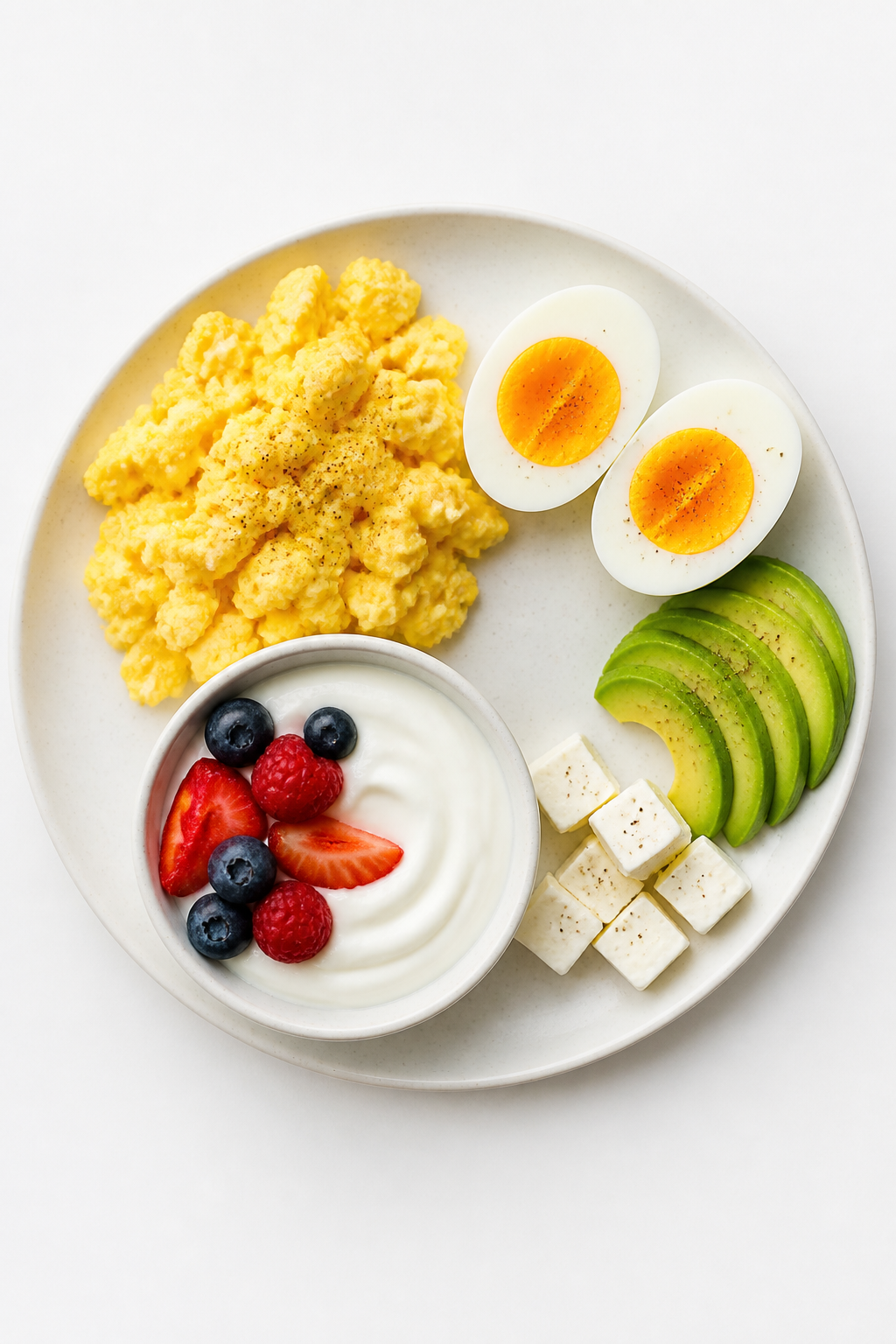
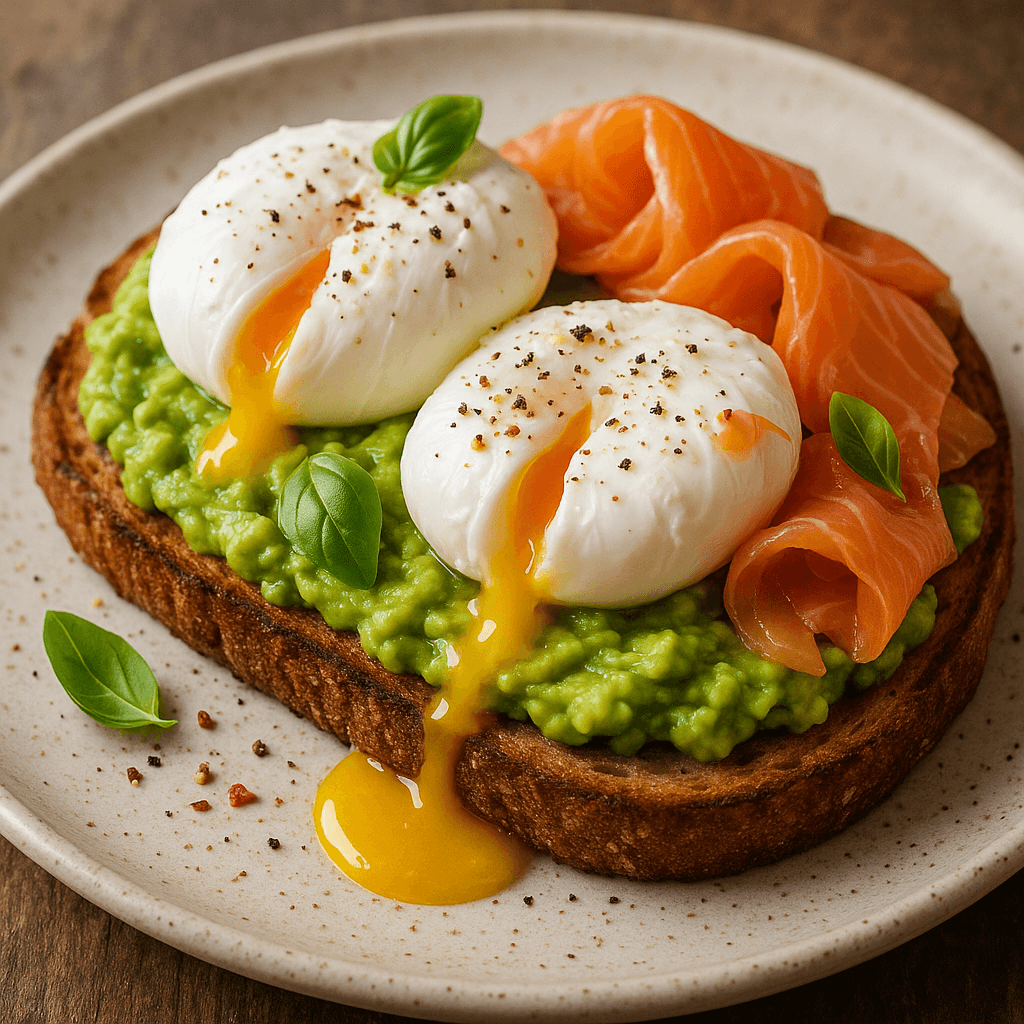
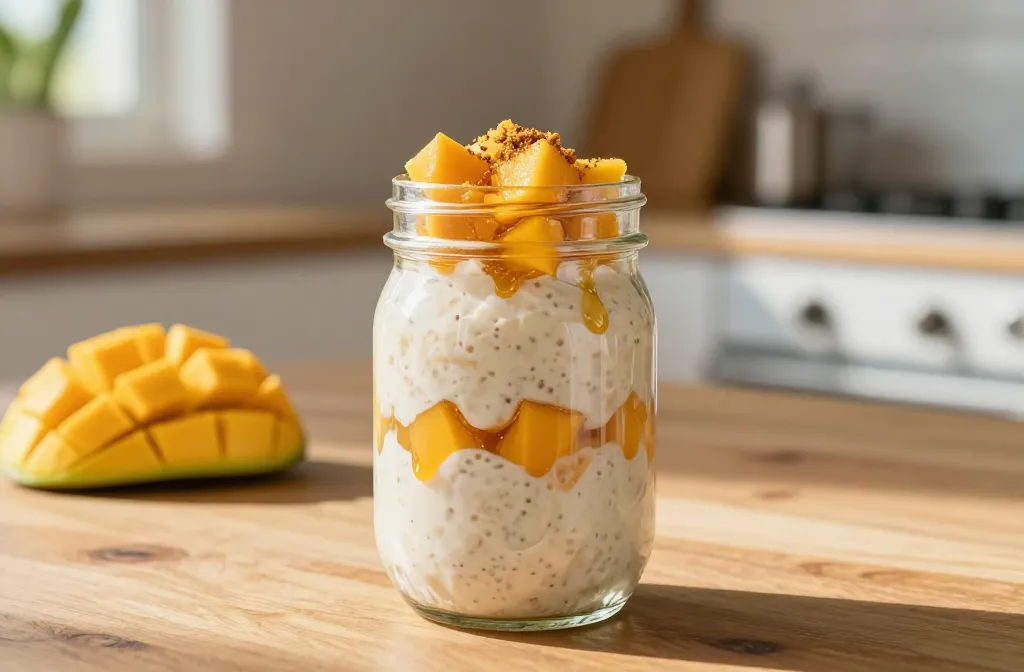
Start with a protein-forward breakfast: eggs, Greek yogurt, or a protein smoothie.
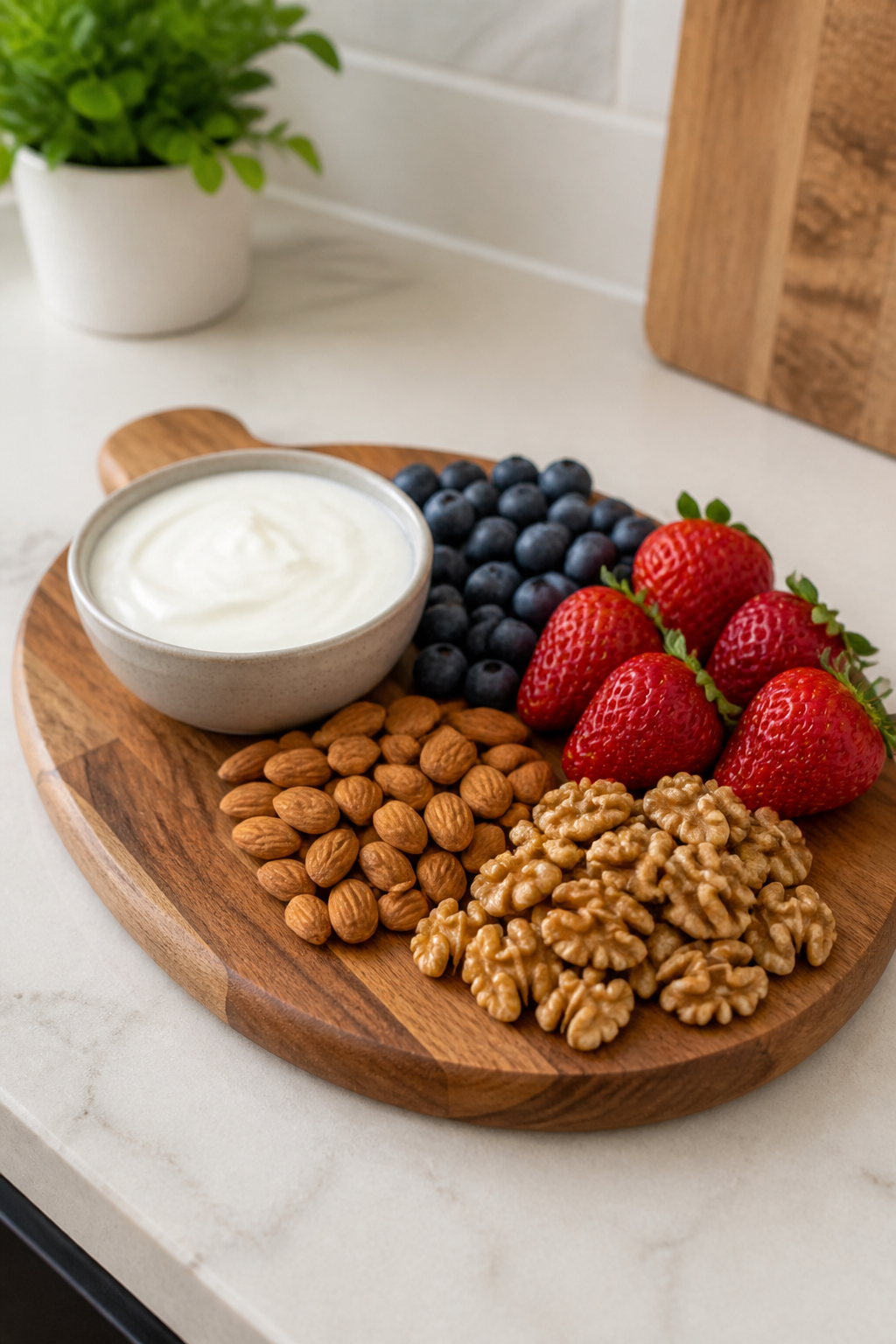
Mid-morning snack that includes protein: a handful of almonds or a cheese stick.
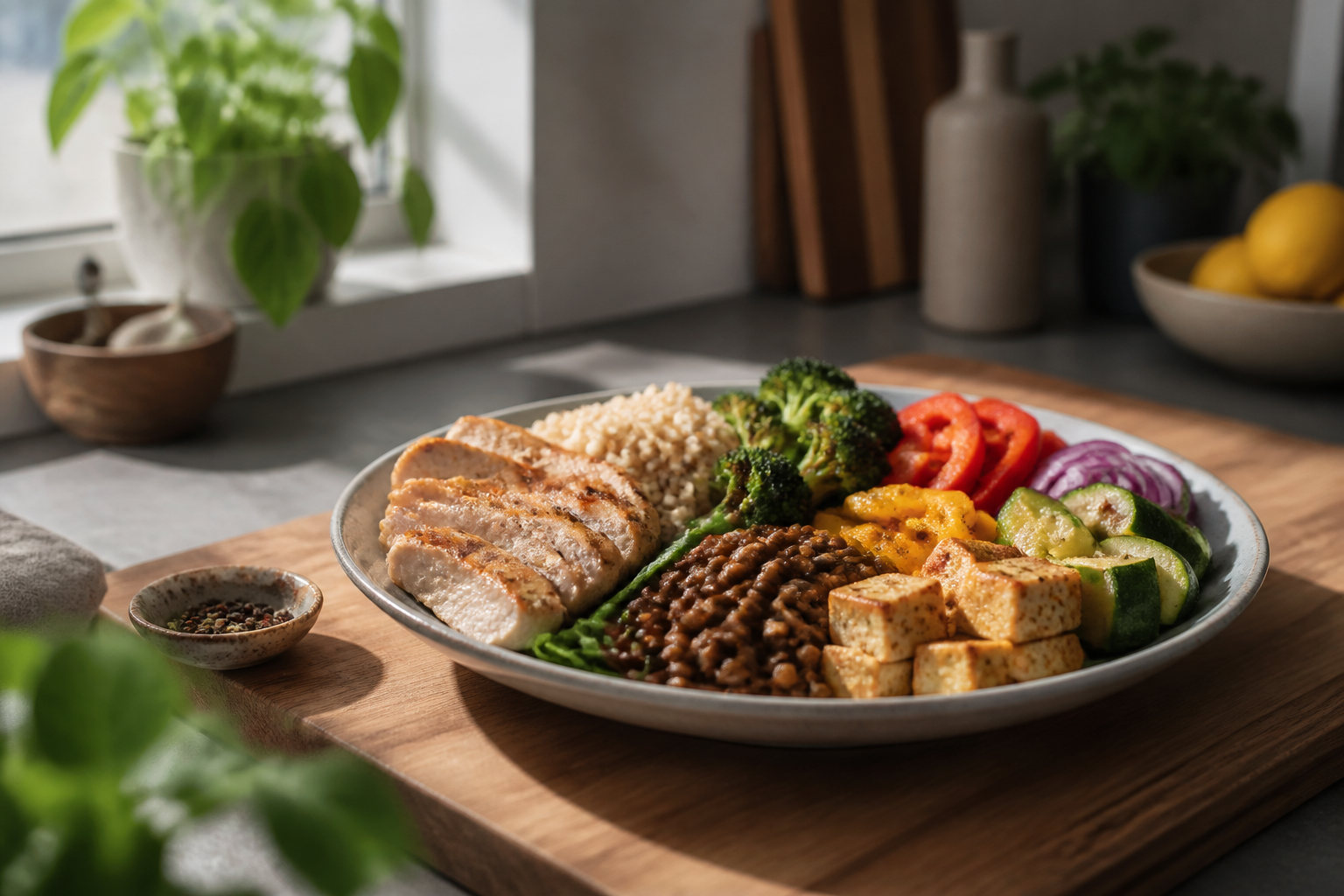
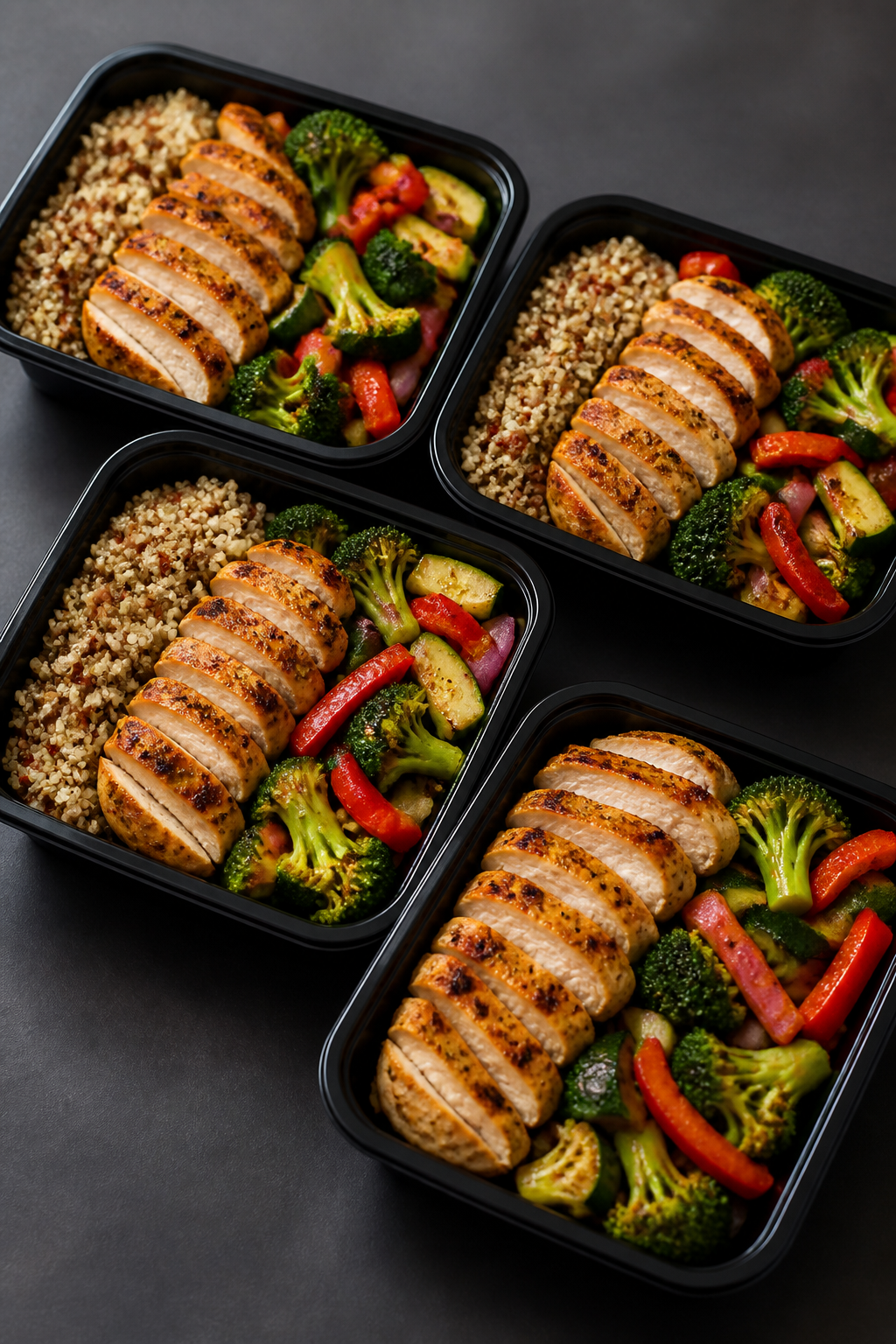
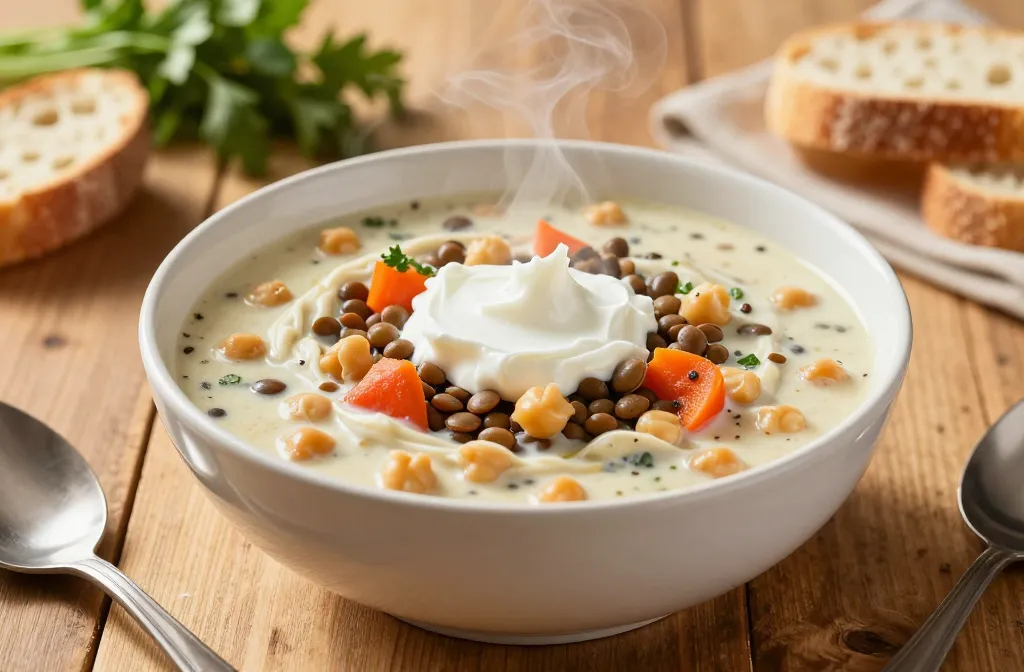
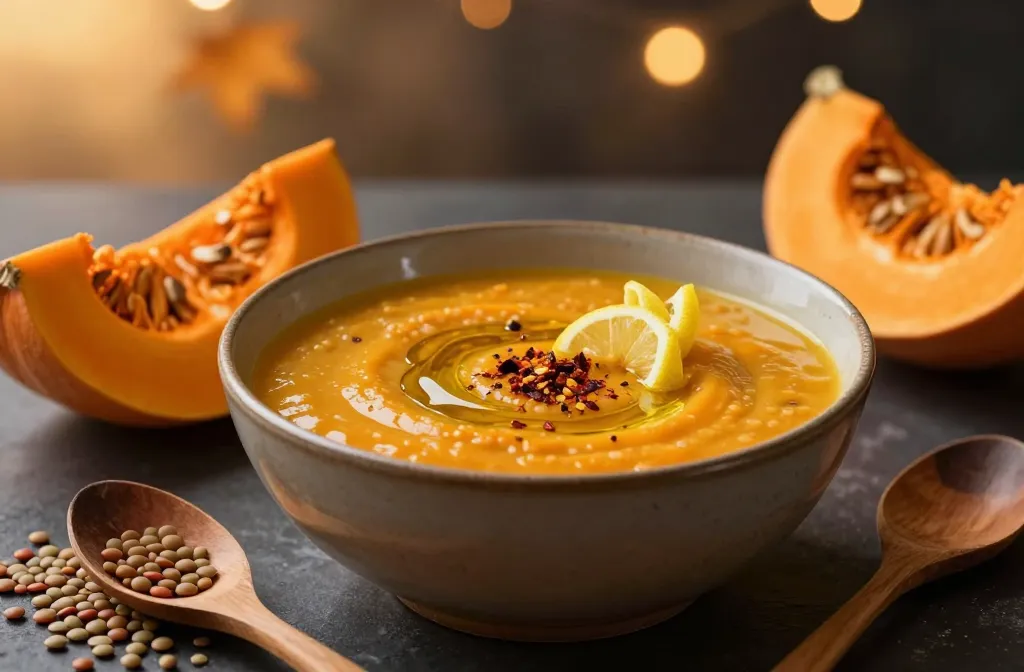
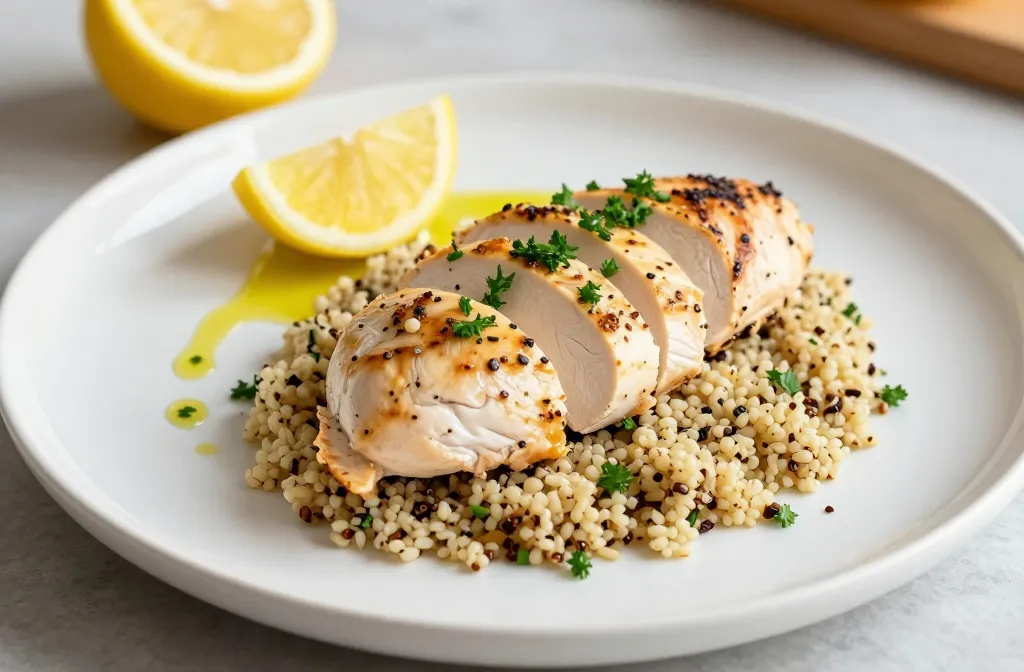
Lunch with protein as a star: chicken, tofu, lentils, or fish on your plate.
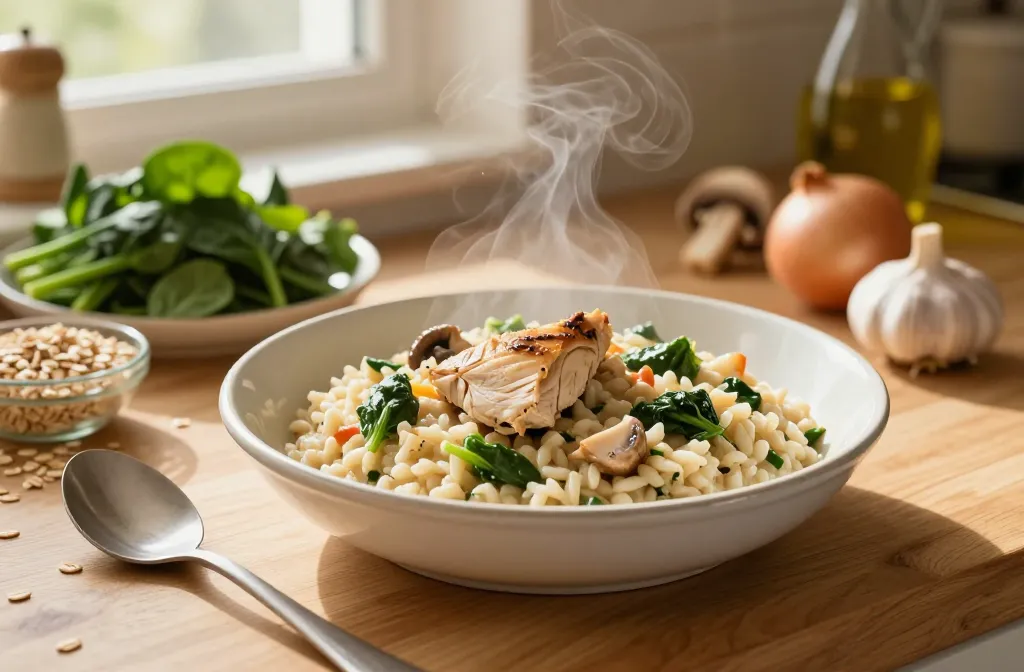
Dinner that loves your muscles too: salmon, lean beef, beans, or tempeh.
Smart snack options: edamame, cottage cheese, or a protein protein bar (read labels).
Common Pitfalls: When More Protein Isn’t Better
– Over-reliance on protein powder can crowd out whole foods and fiber. – Very high protein with little plants can feel heavy on the gut. – If you’re not active, extra protein may just be extra calories.
Introduce protein gradually if you’re switching to higher intake. Hydration helps, and don’t forget fiber from veggies, fruit, and grains. If GI issues pop up, consider spreading protein more evenly or trying different sources.
Is This Approach Right for You?
It depends on your goals, schedule, and preferences. If you’re aiming for increased fullness, steadier energy, and better muscle maintenance, this approach can be effective. If you’re in a super strict calorie deficit or have specific medical conditions, chat with a clinician or dietitian to tailor it.
When to Tweak Based on Activity
– Light activity days: a bit less protein may be fine, focusing on balanced meals. – Heavy training days: bump up protein a touch to support recovery. – Endurance days: pair protein with carbs to sustain energy.
FAQ
Is it safe to eat protein at every single meal?
Yes, for most people, eating protein at multiple meals is safe and beneficial when the rest of the diet is balanced. If you have kidney disease or any medical condition, check with a healthcare professional to tailor your intake.
Will I gain weight if I eat more protein?
Weight gain only comes if you’re in a caloric surplus. Protein can help with fullness and preserve lean mass, which often supports a healthy body composition. FYI, tracking habitually isn’t required, but awareness helps.
What are some high-protein breakfast ideas?
Think eggs any style, Greek yogurt with berries, cottage cheese with fruit, or a smoothie with protein powder, spinach, and oats. Quick and satisfying is the secret sauce.
Can plant-based eaters get the same benefits?
Absolutely. Combine sources (beans, lentils, quinoa, tofu, tempeh, seitan) to cover all essential amino acids. You’ll miss out on nothing with careful planning.
How should I space protein across meals?
Aim for roughly 20–40 grams per meal, depending on your body size, activity, and goals. Spreading it evenly tends to support fullness and muscle maintenance.
Do I need supplements?
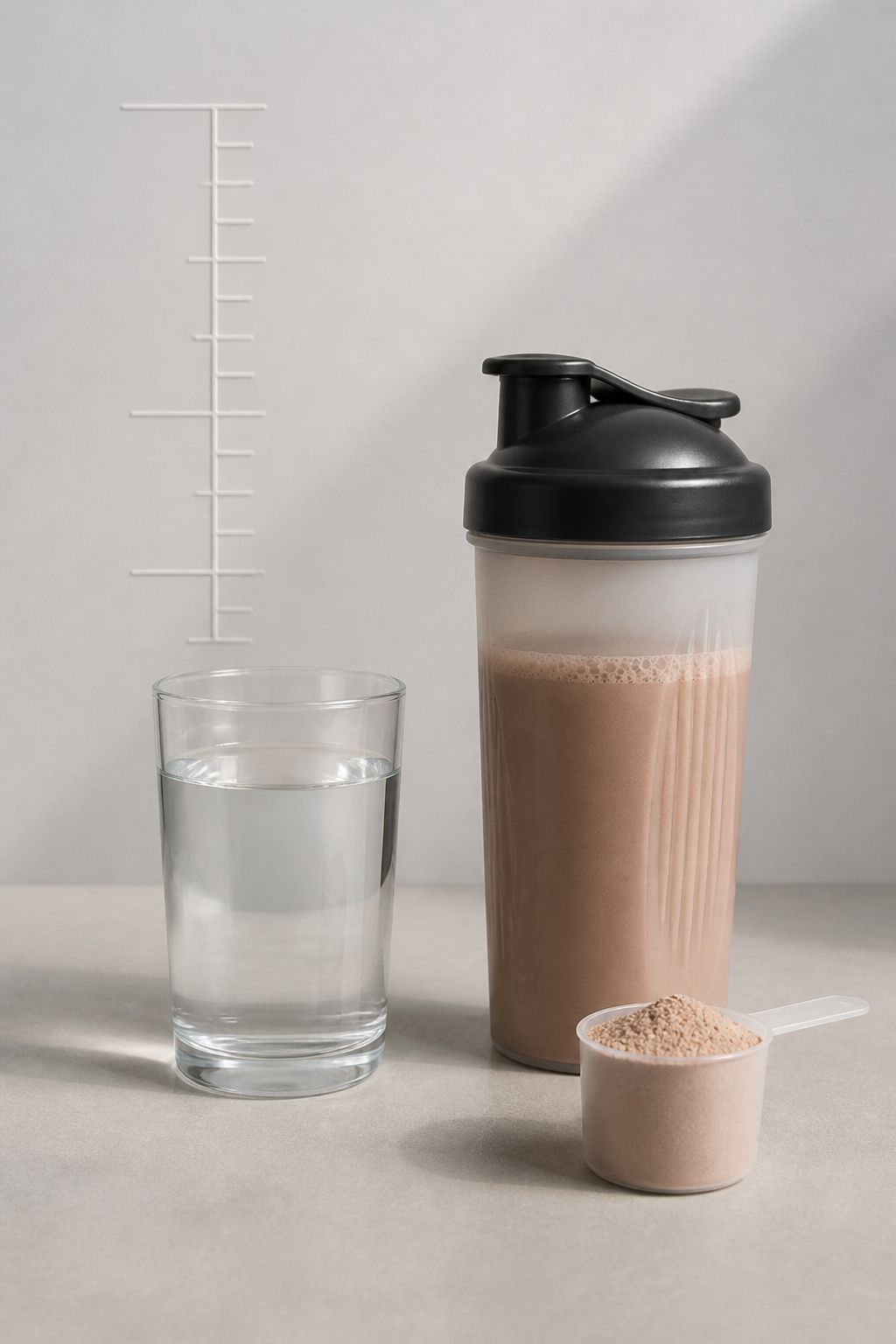
Most people don’t need supplements if they’re getting a variety of protein foods. A whey or plant-based protein powder can fill gaps when meals are tight, but it’s not mandatory.
Conclusion
Eating protein at every meal can be a simple way to boost fullness, stabilize energy, and protect muscle. It’s not a magic pill, but it’s a practical habit with real-world payoff when paired with balanced carbs, fats, and fiber. Start with small tweaks, listen to your body, and adjust based on how you feel in a few weeks. If you’re curious, try a week of protein-forward breakfasts and light lunches and see how your cravings, energy, and workouts respond. You might just find this habit sticks like your favorite playlist.
Disclosure: This post may contain affiliate links.
If you make a purchase through these links, I may earn
a small commission at no extra cost to you.
prab chahal
Hi, I’m Prabjot Chahal – the heart (and taste buds) behind this blog!
Food has always been my love language – from experimenting with family recipes to discovering unique flavors from around the world. I believe that cooking isn’t just about following a recipe, it’s about creating moments, sharing stories, and connecting with others over something delicious. Through this blog, I want to build a vibrant food community where we share more than just recipes – we share inspiration, tips, and the joy of making and enjoying good food together. Whether you’re here for quick weekday dinners, festive treats, or creative seasonal ideas, you’re part of this table. So grab a fork (or a whisk!) and let’s cook, bake, and share our love for food – one recipe at a time.