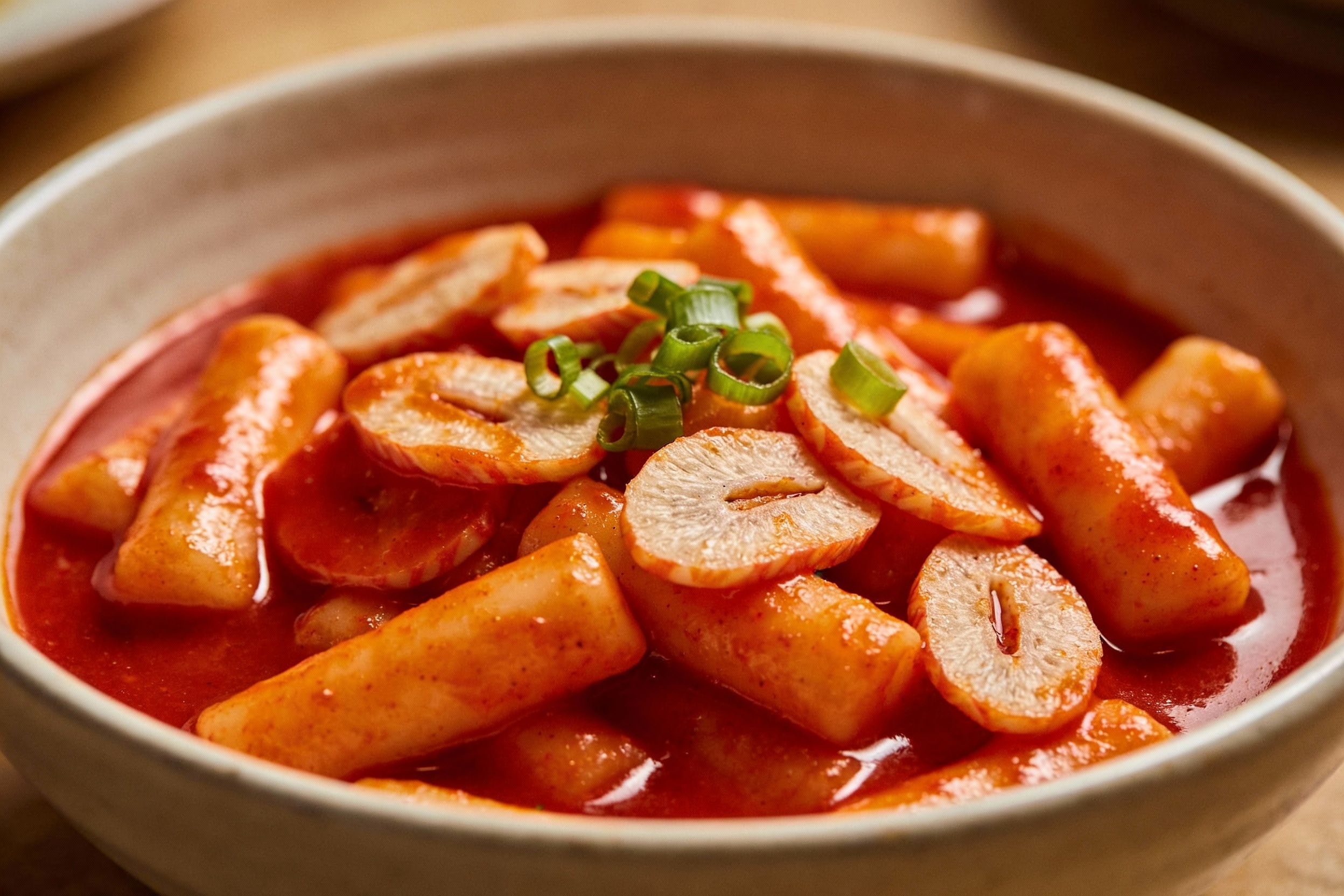
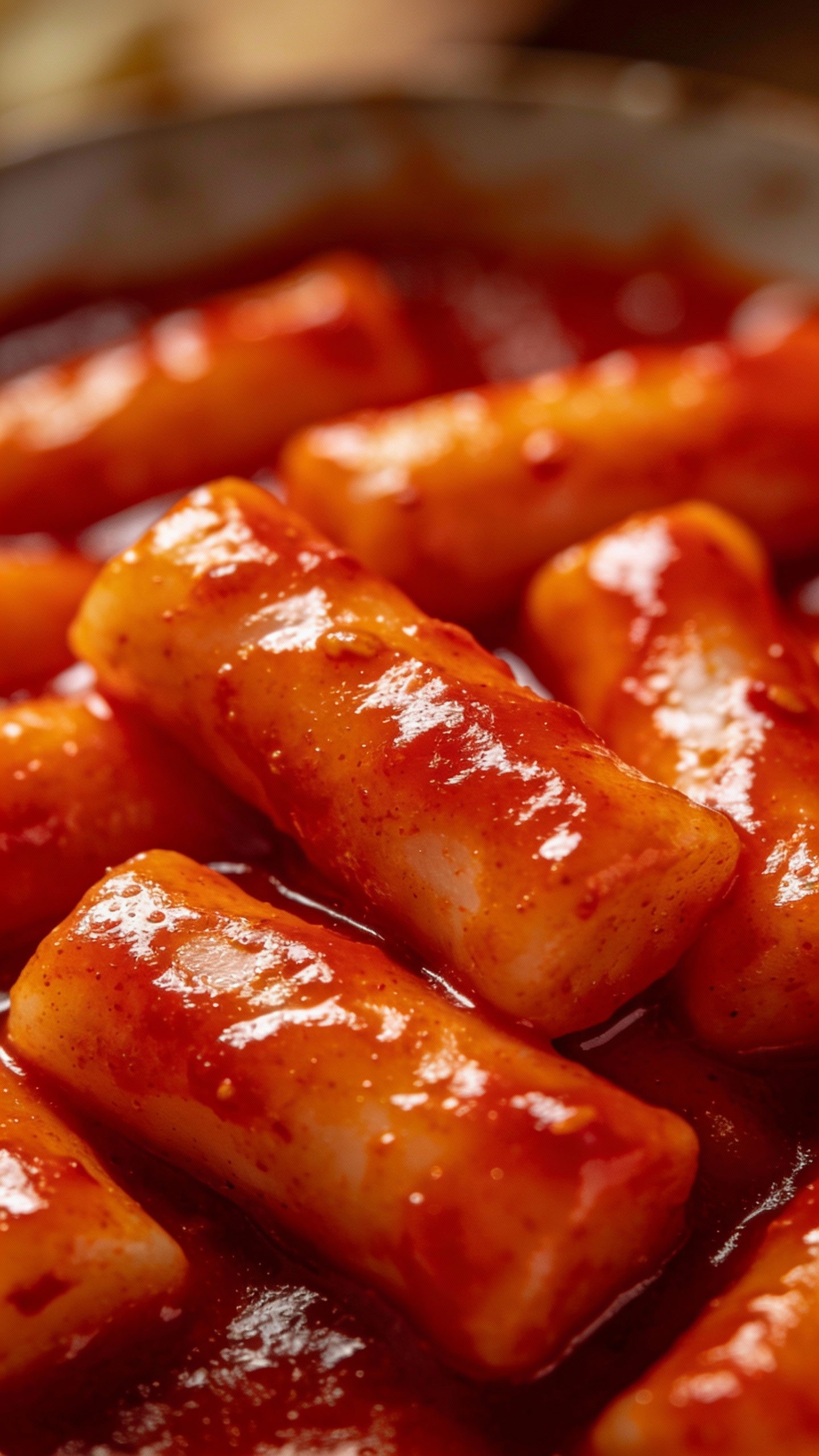
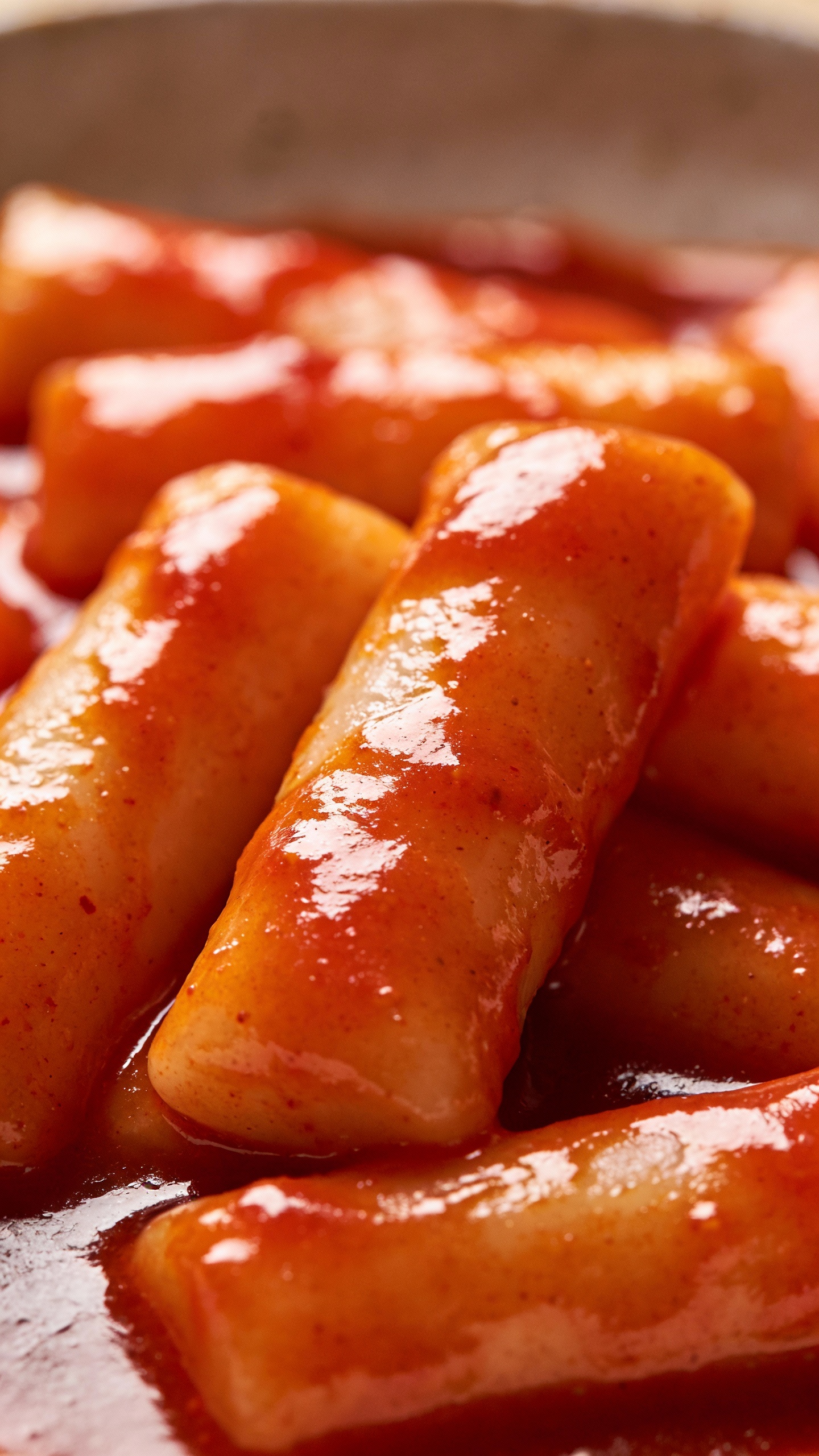
Tteokbokki doesn’t whisper; it shouts. Red, glossy sauce clings to chewy rice cakes that fight back just enough with each bite. It’s sweet, spicy, funky, and a little chaotic—in the best way. If you’ve ever wanted a dish that tastes like a drum solo, this is it.
What Exactly Is Tteokbokki?
Tteokbokki (also spelled “topokki” or “tteokpoki”) is a beloved Korean street food made with chewy rice cakes called tteok, simmered in a fiery-sweet gochujang sauce. Think comfort food with swagger. You’ll find it everywhere in Korea: sidewalk carts, bustling markets, and even fancy restaurants that dress it up with seafood or truffles. At its core, you get a few simple parts:
Garaetteok: the cylinder-shaped rice cakes that chew like a dream
Gochujang: Korean red pepper paste that brings heat, sweetness, and umami
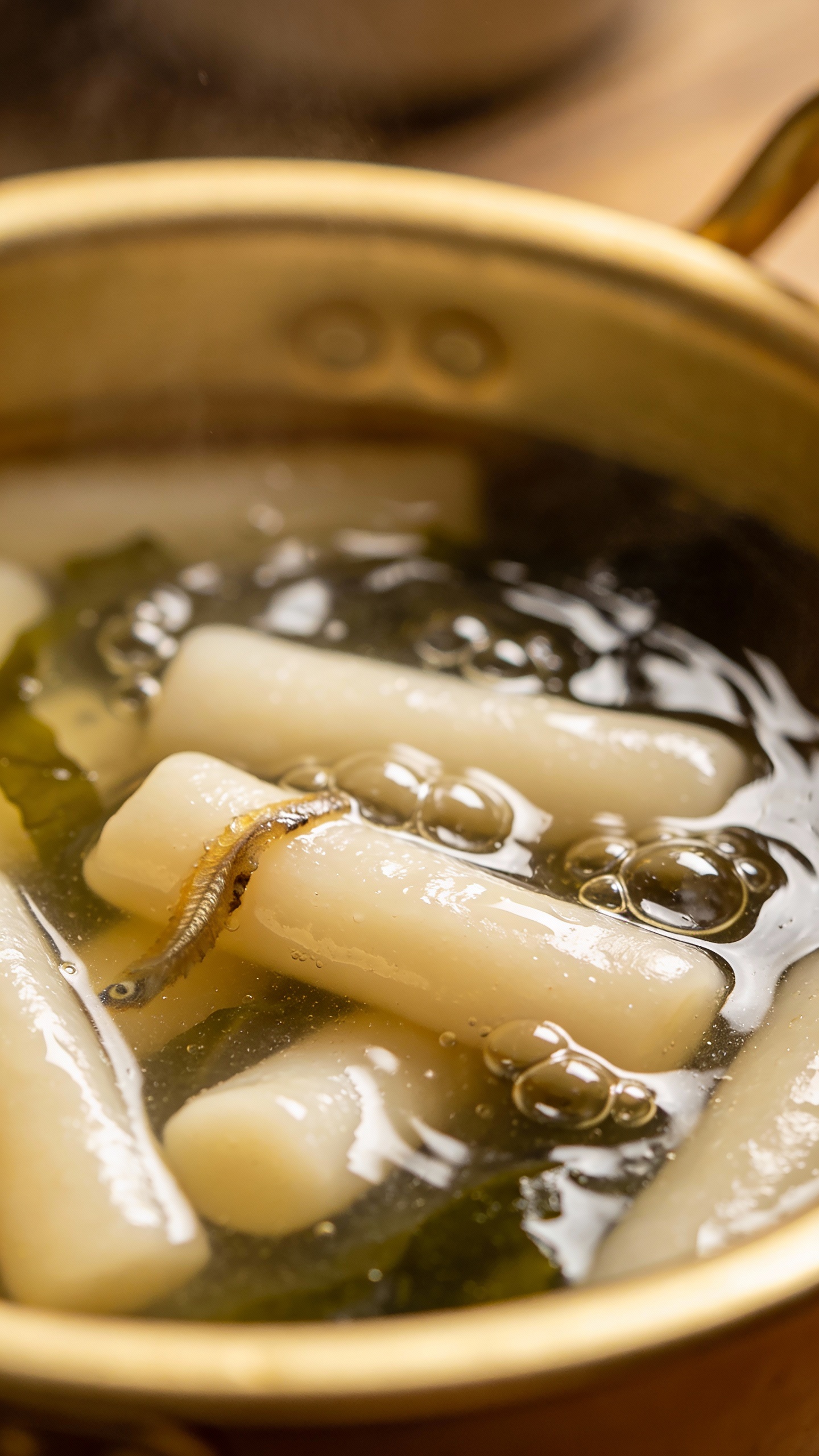
Anchovy-kelp broth: a light stock that keeps the sauce from turning cloying
Add-ins: fish cakes, boiled eggs, scallions, cabbage, ramen—choose your fighter
A Quick Trip Through Tteokbokki History
Tteokbokki didn’t start as a chili party. People originally cooked it in a soy-based sauce called gungjung tteokbokki, which tasted savory and slightly sweet, no heat. It showed up in royal court cuisine centuries ago, so yes, kings and queens chewed rice cakes too. Then gochujang entered the chat. Around the mid-20th century, street vendors popularized the red, spicy version we now crave at 11 p.m. The new style stuck because it hits every pleasure button—sweet, spicy, salty, chewy. IMO, it’s the perfect example of how street food can reshape a country’s taste.
The Anatomy of That Addictive Sauce
If you think the rice cakes do all the heavy lifting, think again. The sauce steals the show.
Gochujang: Provides the backbone—heat, color, depth.
Gochugaru (Korean chili flakes): Boosts spice and adds a smoky edge.
Sweeteners: Sugar, rice syrup, or honey for balance.
Savory base: Anchovy-kelp stock for umami; vegetable stock if you want it meat-free.
Seasonings: Soy sauce, garlic, and sometimes a splash of fish sauce for extra oomph.
How Spicy Should You Go?
You pick your heat level. For gentle warmth, stick with gochujang only. For medium, add a teaspoon or two of gochugaru. For “I made choices,” go full send and add both plus a dab of gochujang extra-hot. FYI, the rice cakes mellow the heat a bit, so don’t panic.
Types of Rice Cakes (And Why Texture Matters)
Texture makes or breaks tteokbokki. You want chew—no mush.
Garaetteok (cylinders): Classic shape, perfect for soaking sauce.
Sliced tteok: Oval disks used for tteokguk (New Year soup), but they work in a pinch.
Fresh vs. Frozen: Fresh cooks fast and turns plush. Frozen needs a brief soak to revive.
Prepping Like a Pro
Soak refrigerated or frozen rice cakes in warm water for 10–15 minutes to loosen and soften. They’ll cook more evenly and keep that bouncy bite. Also, keep a bit of extra broth nearby; the sauce thickens fast.
Build-Your-Own Tteokbokki: A Friendly Blueprint
Let’s keep it simple and ridiculously good.
Make broth: Simmer dried anchovies and kelp in water for 10 minutes, then remove. Or use vegetable broth.
Mix sauce: Whisk gochujang, gochugaru, soy sauce, sugar, and minced garlic into the broth.
Add rice cakes: Slide in soaked tteok and simmer until soft and glossy, about 8–10 minutes.
Layer flavors: Add fish cakes, cabbage, scallions, and optional ramen or glass noodles.
Finish: When the sauce clings like velvet, top with boiled eggs and sesame seeds. Done.
Flavor Boosters You Should Try
Butter or cheese: A knob of butter or shredded mozzarella turns the sauce creamy.
Kimchi: Adds tang and funk—great if your sauce tastes flat.
Seafood: Shrimp or mussels transform it into a meal with swagger.
Peanut or tahini: Not traditional, but a spoonful adds nutty richness (don’t @ me).
Regional Spins and Popular Variations
Korean street food loves customization. You can eat tteokbokki differently every week and never get bored.
Rose tteokbokki: Cream or milk softens the heat and turns the sauce silky pink.
Jjajang tteokbokki: Black bean paste brings a savory, caramelized depth—zero fire, all flavor.
Supreme street-cart style: Extra fish cakes, cabbage, and ladles of sauce. You’ll need napkins.
Gungjung (soy-based): Stir-fried with beef and veggies—sweet-salty, no chili.
Street Cart Tips to Steal
– Keep your heat medium so the sauce reduces without burning. – Stir gently but often to prevent sticking. – Let the rice cakes sit off heat for a couple minutes before serving—they absorb more flavor.
We’ve all done at least one of these. No judgment—just solutions.
Too thick, too fast: Add more broth a splash at a time. Stir.
Rice cakes won’t soften: They’re old or not soaked long enough. Soak in warm water and simmer longer.
One-note sweetness: Add soy sauce, a pinch of salt, or a teaspoon of vinegar. Kimchi works too.
Not enough heat: Add gochugaru, but toast it in the sauce for 30 seconds to wake it up.
Rubbery leftovers: Reheat with extra broth or milk. The sauce will revive them.
What to Serve with Tteokbokki
You can treat it like a snack or a full meal. Your call.
Crispy mandu (dumplings): Dunk them in the sauce. Life-changing.
Gimbap: The rice and veggies balance the spice.
Fried foods: Tempura sweet potatoes or seaweed rolls are classic pairings.
Cold side dishes: Pickled radish or cucumbers cut through the richness.
Drinks: Iced barley tea, beer, or soju. IMO, beer wins on game night.
FAQ
Is tteokbokki gluten-free?
Usually, yes—rice cakes are rice-based. But check labels. Some gochujang brands and fish cakes include wheat. If you need gluten-free, look for certified gochujang and gluten-free soy sauce or tamari.
Can I make it vegan?
Totally. Use vegetable stock or kombu-dashi and skip fish cakes. Add tofu, mushrooms, or fried eggplant for texture. A dash of mushroom powder or a splash of soy sauce adds umami back in.
How do I store and reheat leftovers?
Refrigerate in an airtight container for up to 3 days. Reheat on the stove with broth or milk to loosen the sauce. The rice cakes firm up in the fridge, so give them time to plump back up.
What’s the difference between gochujang and gochugaru?
Gochujang is a fermented paste—thick, sweet, spicy, and savory. Gochugaru is dried chili flakes—fruity, smoky, and adjustable. Use both for depth and heat control.
My sauce tastes flat. What now?
Add a pinch of salt or a splash of soy sauce, then simmer for a minute. A teaspoon of sugar or rice syrup can balance bitterness. A spoonful of kimchi brine works magic, FYI.
Can I air-fry or pan-sear the rice cakes first?
Yes, and it’s delicious. Sear in a little oil until the edges crisp, then simmer in sauce. You’ll get contrast: crispy outside, chewy inside. Win-win.
Conclusion
Tteokbokki brings bold flavors and unapologetic personality to the table. It loves weeknights, parties, and late-night cravings equally. Start with the basics, then riff until it tastes like your perfect bowl. And if a strand of mozzarella stretches halfway across your kitchen—yeah, that’s the point.
Disclosure: This post may contain affiliate links.
If you make a purchase through these links, I may earn
a small commission at no extra cost to you.
prab chahal
Hi, I’m Prabjot Chahal – the heart (and taste buds) behind this blog!
Food has always been my love language – from experimenting with family recipes to discovering unique flavors from around the world. I believe that cooking isn’t just about following a recipe, it’s about creating moments, sharing stories, and connecting with others over something delicious. Through this blog, I want to build a vibrant food community where we share more than just recipes – we share inspiration, tips, and the joy of making and enjoying good food together. Whether you’re here for quick weekday dinners, festive treats, or creative seasonal ideas, you’re part of this table. So grab a fork (or a whisk!) and let’s cook, bake, and share our love for food – one recipe at a time.