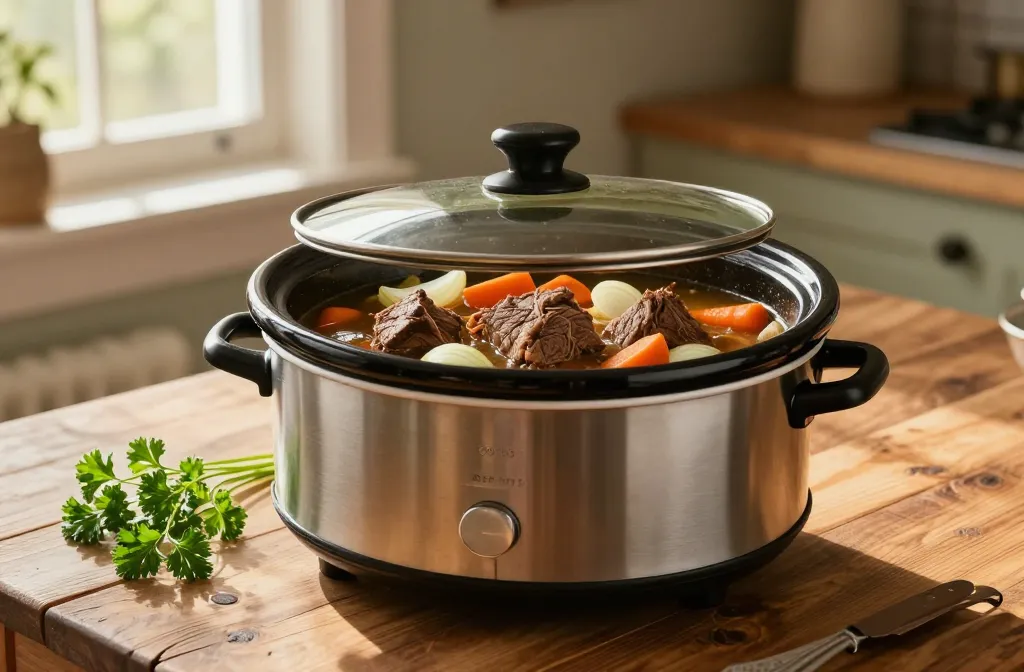
It might be the simplest dinner you pull off a busy week and somehow your family swoons over it. Slow Cooker Beef Pot Roast (Grandma’s Classic – 4 Ingredients) proves that four ingredients and a patient cooker can win dinner-night gold. You’re about to unlock a cozy, nostalgic dinner that tastes like a warm hug from the grandma you wish you had.
Why this four-ingredient pot roast works like magic
This recipe nails flavor with almost zero effort. The beef, onion, carrots, and a splash of broth mingle in the crock until they’ve turned into something that feels fancy but is embarrassingly easy. FYI, slow cooking concentrates flavor and tenderizes even tougher cuts—so your chuck roast practically melts in your mouth. The kitchen smells like Sunday roast even on a Tuesday, and yes, it’s as comforting as it sounds.
What you’ll need (the short list, promise)
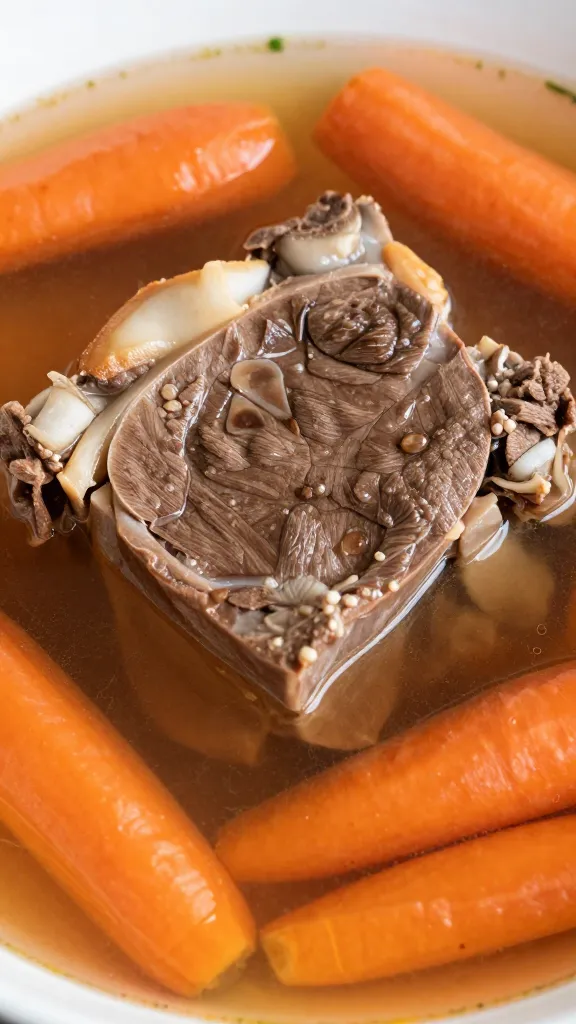
– Beef chuck roast, about 3 to 4 pounds – Onion, sliced into thick wedges – Carrots, peeled and cut into large chunks – Beef broth or stock, 2 cups Optional garnish: fresh parsley or thyme for a pop of color This is the kind of recipe where you can improvise without guilt. If you’ve got baby potatoes lurking in the pantry or a few mushrooms begging to join the party, feel free to toss them in. The core 4 ingredients stay the star, but extras aren’t forbidden dreams.
How to assemble it without turning the kitchen into a circus
– Layer your onions and carrots in the slow cooker first. They’re the bed that keeps the beef comfy and juicy. – Place the chuck roast on top and season it generously. If you’ve got salt, pepper, and a pinch of garlic powder, you’re good to go. – Pour in the beef broth. It should come up about halfway up the roast, so it braises rather than steams. – Cook on low for 8–10 hours or on high for 4–6 hours. Yes, your home will smell incredible. No, you don’t have to hover over the pot. Let it do its thing. Pro tip: don’t lift the lid during the cooking time—every peek loses you precious moisture and elongates cook time. I know you want to see the magic happen, but resist the urge. FYI, your kitchen will smell like a bakery for a while after this, and that’s not a complaint.
How to know it’s done and how to serve it
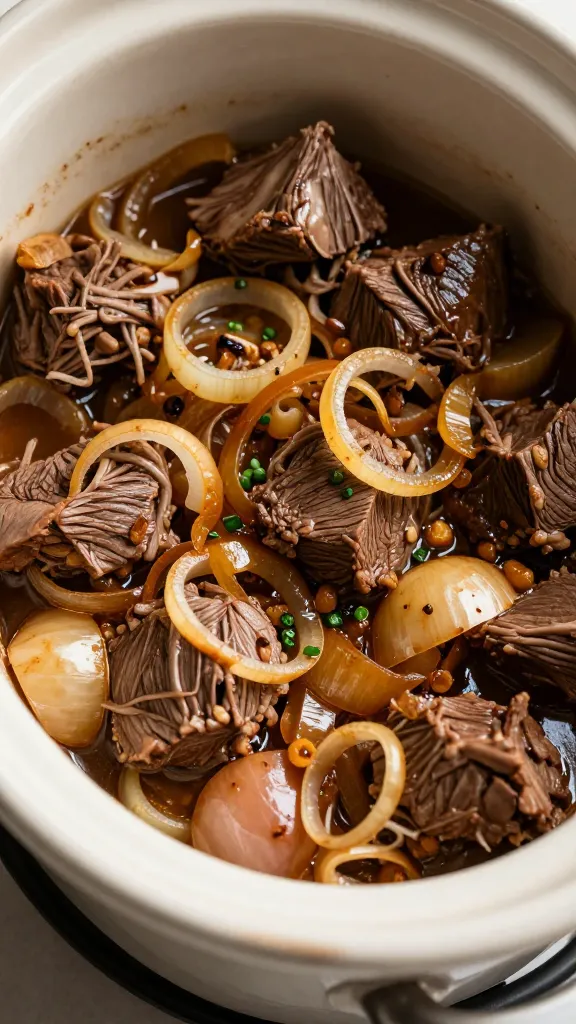
– The beef should be fork-treakable and shreddy, but not falling apart in a sad, dry way. If you can’t pull it apart with minimal effort, give it an extra 30 minutes. – The vegetables should be tender but not mushy. If you’re using potatoes, they should be creamy on the inside. – The broth will be rich and gravy-like. If you want more gravy, you can whisk a quick slurry with a tablespoon of cornstarch and a splash of cold water, then stir it in and simmer briefly. Serving ideas: – Spoon the beef and veggies over mashed potatoes for “grandma who lived in comfort food” vibes. – Serve with a side of crusty bread to soak up the gravy. Yes, bread is essential here. – A quick green salad on the side gives the plate a fresh contrast.
Tips for best results
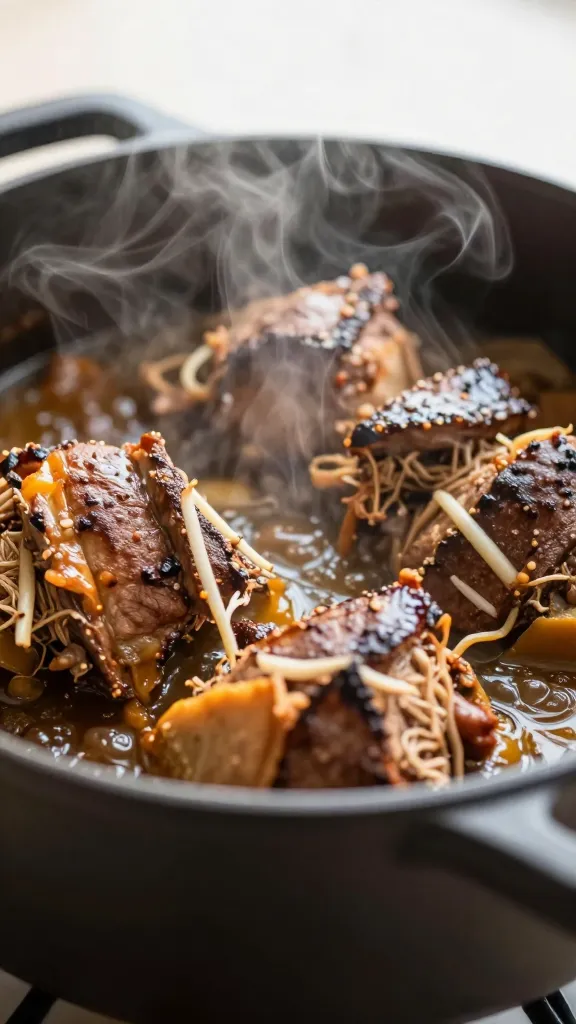
– Brown the roast first for a deeper flavor. If you’re short on time, sear the meat in a hot skillet for 2–3 minutes per side before adding it to the slow cooker. – Keep it simple with the 4 ingredients. Don’t overwhelm the pot with too many seasonings; the magic is in the braise. – Use a good cut of chuck roast. It’s forgiving and cost-effective, and it holds up beautifully to long, gentle cooking. – Skim if needed after the first hour or so. A little fat on top is natural, but you don’t want a greasy finish. – Rest before serving for 10–15 minutes. It helps the juices redistribute and makes the meat easier to slice.
Common mistakes (and how to dodge them)
– Too much liquid: You don’t want a soup; you want a braise. If your broth covers the roast completely, you’ll end up with a thinner gravy and a steamy kitchen. – Overcooking: Yes, it’s hard to overcook in a slow cooker, but if you leave it too long on high, the meat can dry out slightly. Stick to 8–10 hours on low or 4–6 hours on high. – Not letting the meat rest: Resting is real. It keeps the juices in the meat rather than running all over your cutting board. – Skipping the browning step: If you skip searing, you still get a tasty meal, but you’ll miss that deep roast flavor. IMO, worth the extra minute or two.
Variations to keep things interesting
– <strongHerb swap: Add a sprig of rosemary or thyme for a fragrant lift. A bay leaf can also add subtle depth. – <strongSaucy upgrade: Stir in a splash of red wine or a tablespoon of worcestershire at the end for a richer, deeper gravy. – <strongVegetable mix: Swap in parsnips or turnips for a different sweetness and bite. – <strongCheesy finish: Serve with a sprinkle of grated Parmesan for a salty twist on the classic.
Pro tips
– If your roast is extra large, slice it into big chunks before layering. It cooks more evenly and makes shredding easier. – For a quicker weeknight version, use a 2–3 pound roast and cut vegetables into bite-sized pieces. It’ll still be delicious, just faster. – Want leftovers nitro-fast? Shred the beef and refrigerate the meat and veggies separately. Reheat gently and reclaim that cozy flavor in minutes.
Common mistakes (quick recap)
– Forgetting to rest the meat. Results in dry slices. – Using the wrong cut. Primer: chuck roast is best here. – Too salty broth. Start with low-sodium broth and adjust after tasting.
– Gluten-free note: Ensure your broth doesn’t have hidden gluten if you’re serving gluten-sensitive guests. – Low-carb friendly: Serve over cauliflower mash instead of potatoes to keep things keto/low-carb.
Comparison blocks
– Traditional vs. 4-ingredient approach: The four-ingredient method shines for speed and simplicity, but you can easily scale up spices and vegetables for a more “chef’s dinner” vibe. If you want a richer sauce, add a little red wine or tomato paste; if you want pure nostalgia, keep it minimal and let the beef shine. – Oven braise vs. slow cooker: Oven braising can yield crisper edges and deeper browning, but it demands attention. The slow cooker is hands-off and reliable—great for busy days or if you’re juggling kids and chaos.
FAQ
Q: Can I use a different cut of beef?
A: Chuck roast is ideal because it stays juicy and becomes tender with slow cooking. You can try brisket or round, but expect slightly different texture and moisture levels.
Q: Do I need to brown the meat?
A: Not strictly, but browning adds flavor and a nicer color to the finished dish. If you skip it, you’ll still get a tasty pot roast—just with a milder crust on the outside.
Q: How long will leftovers keep?
A: In the fridge for 3–4 days, or freeze for up to 3 months. Reheat gently to keep the beef tender.
Conclusion
This Grandma’s Classic Slow Cooker Beef Pot Roast proves that uncomplicated ingredients can deliver unforgettable comfort. The four ingredients do the heavy lifting, and the slow cooker does the pampering. It’s the kind of dish you reach for when you want a hug on a plate, no fancy culinary school needed. So dust off that slow cooker, set it to low, and let the magic happen. You won’t regret it.
Disclosure: This post may contain affiliate links.
If you make a purchase through these links, I may earn
a small commission at no extra cost to you.
prab chahal
Hi, I’m Prabjot Chahal – the heart (and taste buds) behind this blog!
Food has always been my love language – from experimenting with family recipes to discovering unique flavors from around the world. I believe that cooking isn’t just about following a recipe, it’s about creating moments, sharing stories, and connecting with others over something delicious. Through this blog, I want to build a vibrant food community where we share more than just recipes – we share inspiration, tips, and the joy of making and enjoying good food together. Whether you’re here for quick weekday dinners, festive treats, or creative seasonal ideas, you’re part of this table. So grab a fork (or a whisk!) and let’s cook, bake, and share our love for food – one recipe at a time.