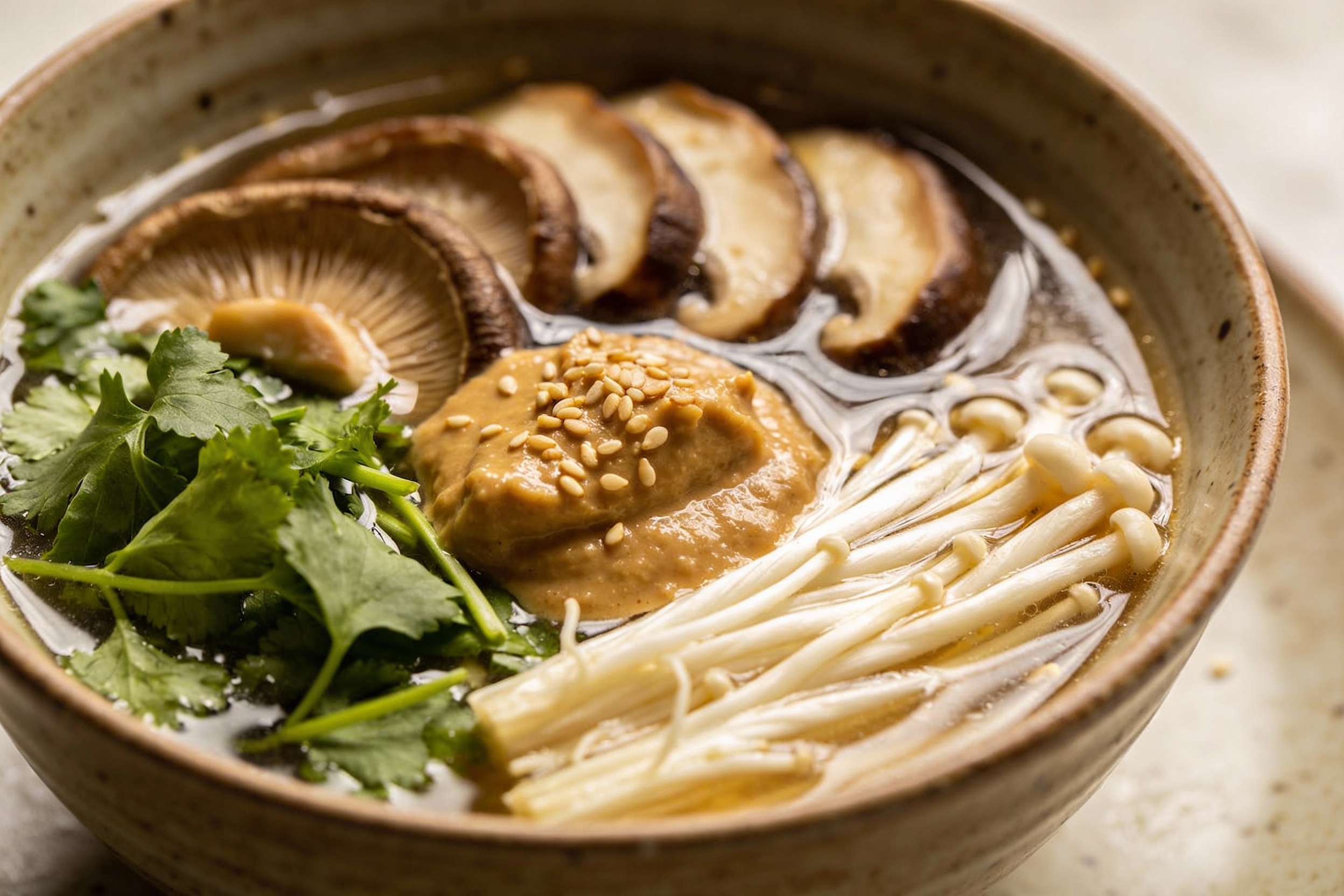
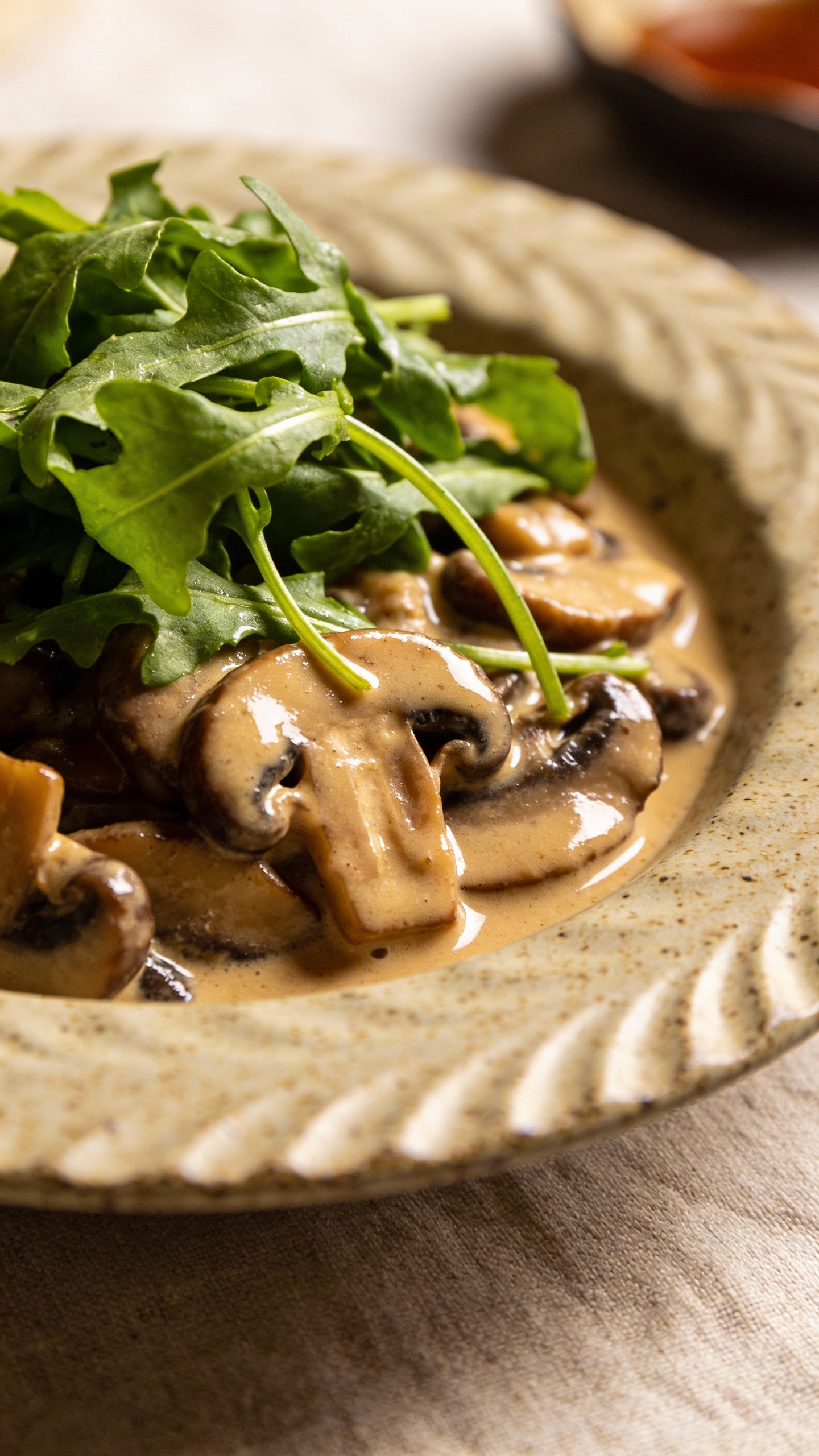
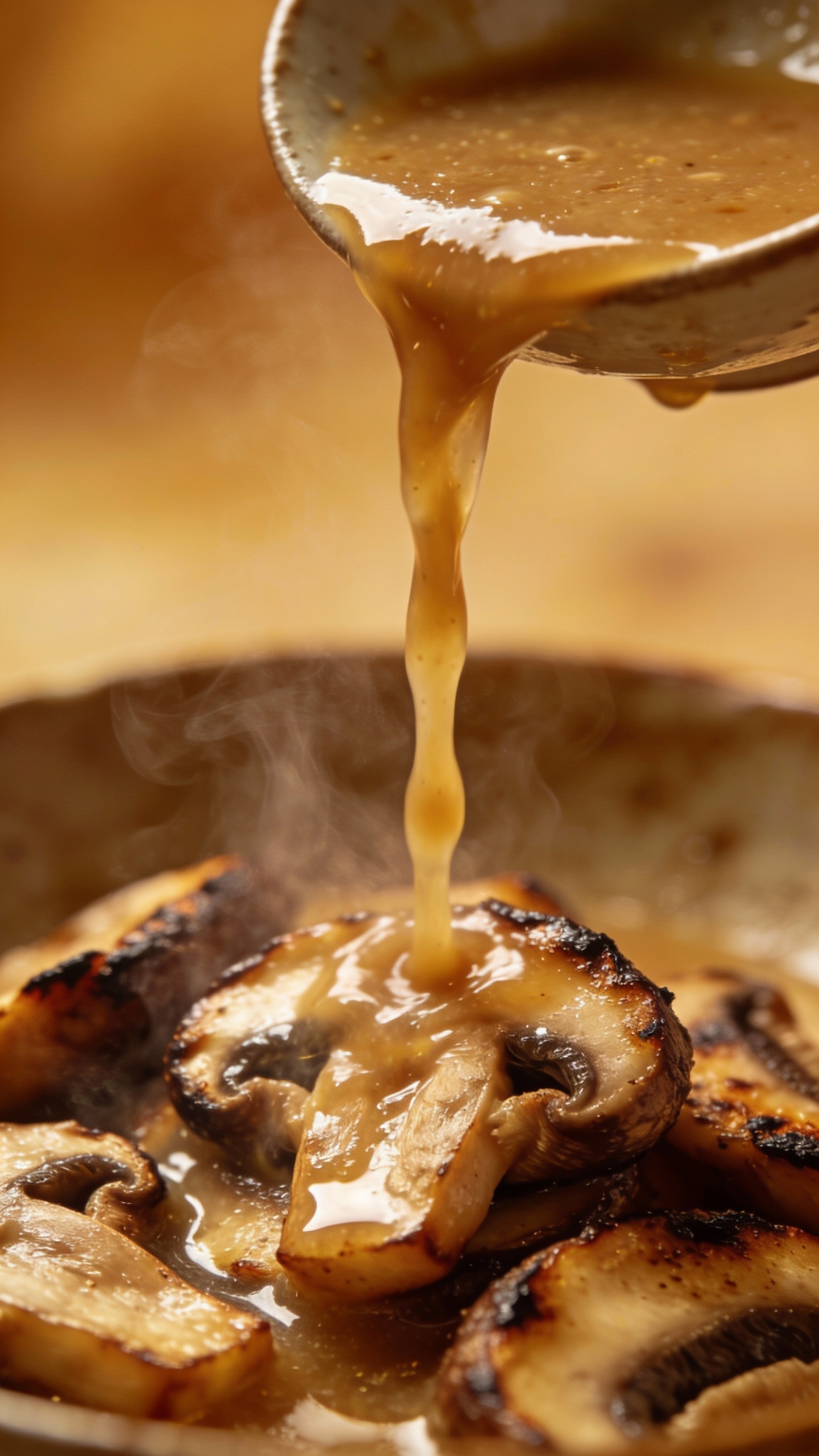
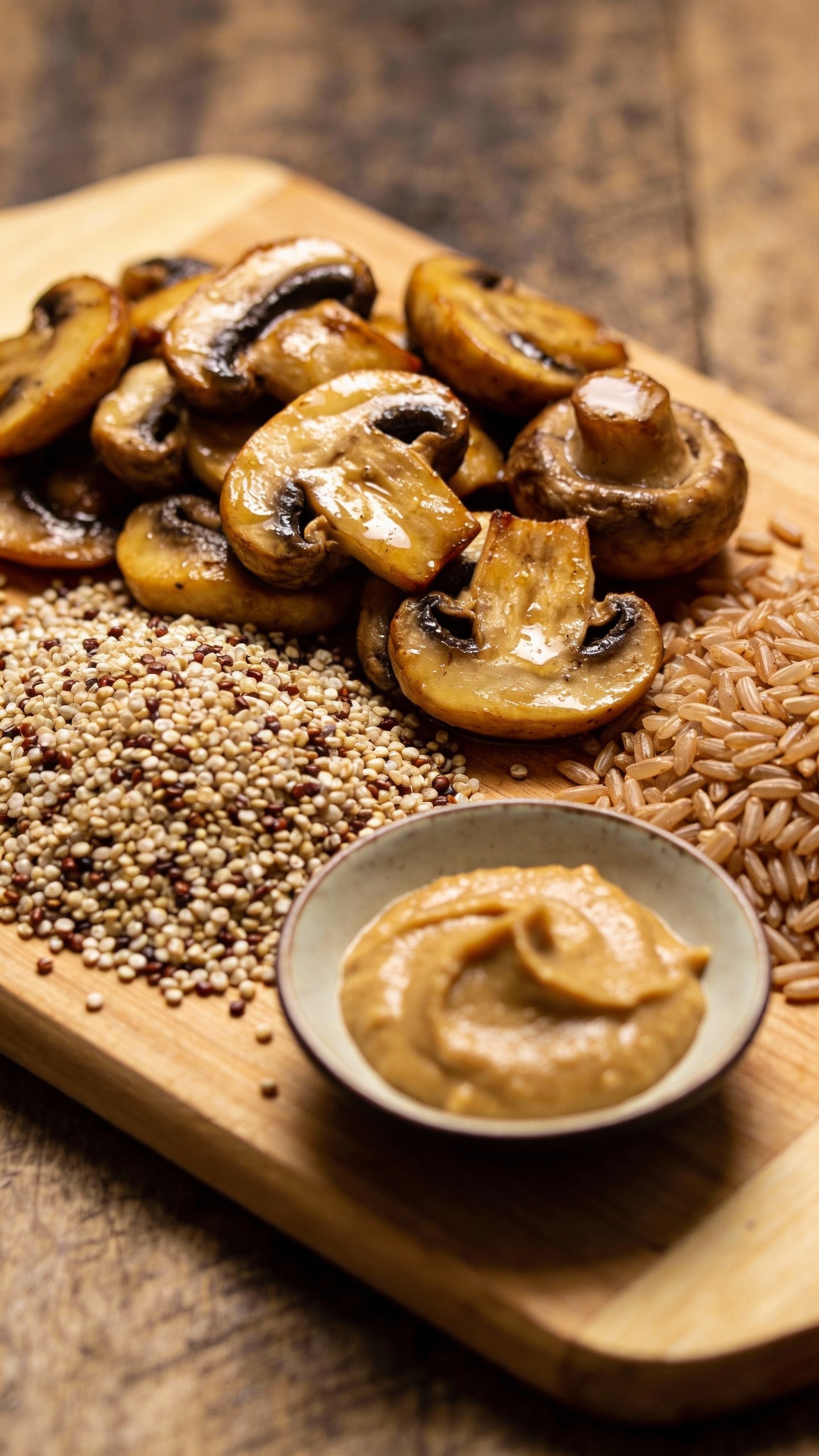
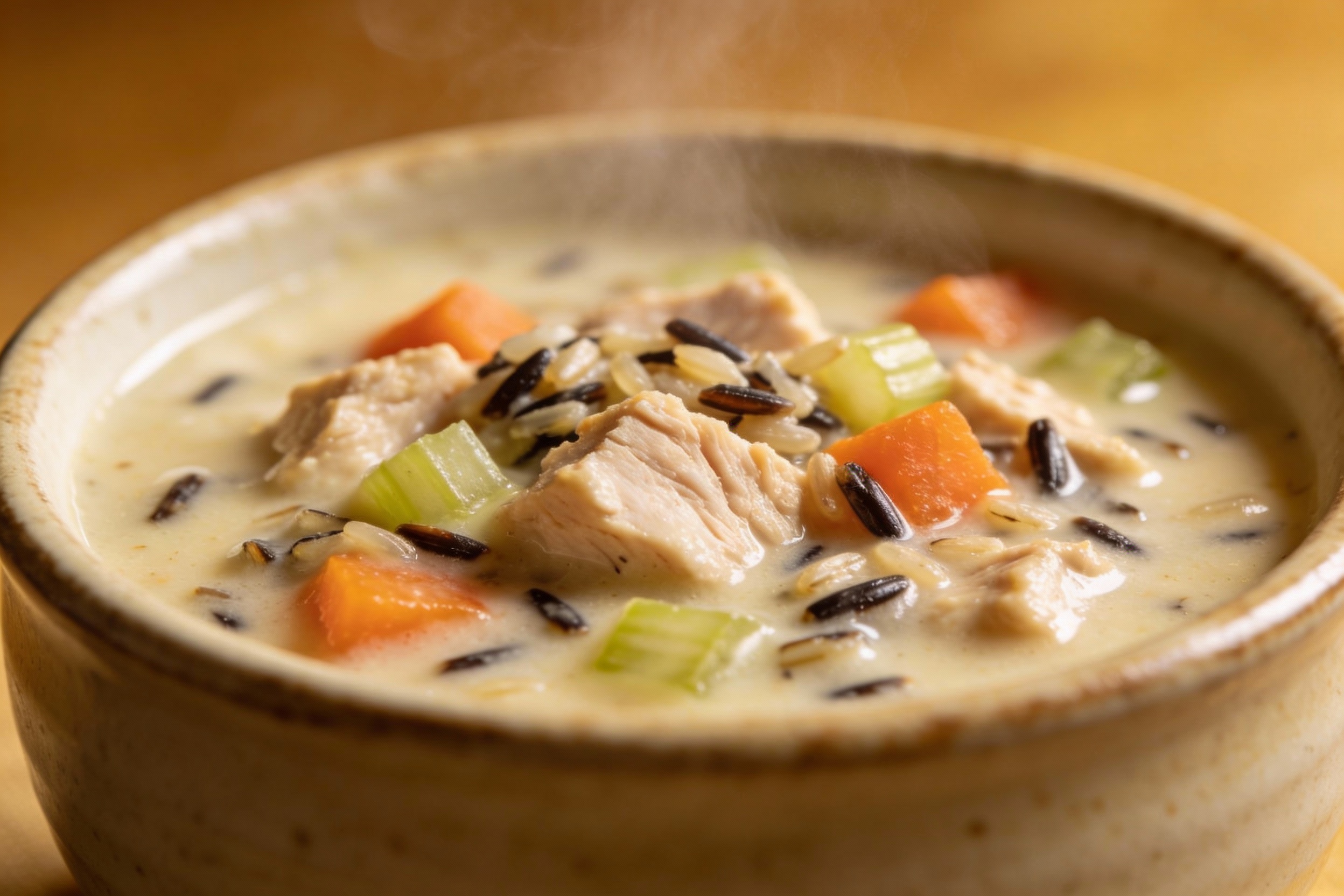
You want a bowl that calms your belly, tastes like dinner at a cozy izakaya, and comes together without a culinary diploma? Meet the Probiotic Miso & Mushroom Gut Care Bowl. It’s earthy, umami-packed, and your microbiome will send you a thank-you emoji. We’ll build a simple bowl, layer in probiotics and prebiotics, and keep it craveable enough to make again tomorrow.
Why This Bowl Loves Your Gut (And Tastebuds)
We’re combining probiotic miso with prebiotic-rich mushrooms and fiber-forward veggies. That sweet combo feeds your good bacteria while adding new friendly strains to the party. Flavor-wise, think savory, slightly sweet, with a silky broth vibe if you go saucy. Key upsides:
Probiotics from miso (live cultures = happy gut)
Prebiotics from mushrooms, onions, and garlic
Fiber from whole grains and greens
Umami + comfort without heavy cream or mystery powders
The Core Formula (Make It Your Way)
Let’s keep it flexible. You build it like a template, not a strict recipe. Use what you have, tweak to your tastes, and call it chef-y.
Pick Your Base
Brown rice for hearty, nutty chew
Quinoa for protein and lightness
Buckwheat soba for noodle comfort (great cold too)
Cauli rice if you want low-carb (no judgment, just vibe)
Choose Your Mushrooms
Use a mix for depth. Aim for 2 cups total, sliced.
Shiitake: smoky, meaty
Cremini/portobello: budget-friendly umami
Oyster: delicate, silky
Enoki: thin and fun, great texture
Veggie Players
Your gut likes variety. Add 2-3 of these:
Bok choy or Napa cabbage: mild, quick to cook
Carrots: sweetness and crunch
Spinach or kale: iron and fiber
Scallions: prebiotic boost + brightness
Protein Options
Soft tofu for silkiness
Tempeh for nutty chew and extra fermentation points
Poached egg for richness (and yolk drama)
Shredded chicken if you want it omnivore-friendly
The Miso Magic: How to Keep Probiotics Alive
Miso contains live cultures—if you boil them, they peace out. We want them alive and thriving.
Heat Strategy
Cook your mushrooms, veggies, and base as usual.
Make your sauce or broth, then take it off the heat.
Whisk in miso paste when the liquid feels hot but sippable (around 120–140°F). FYI, if it’s bubbling, it’s too hot.
Miso Paste 101
White (shiro) miso: sweeter, milder, great for beginners
Yellow (shinshu) miso: balanced, slightly funky
Red (aka) miso: bold, salty, deep umami; use less
Step-by-Step: Probiotic Miso & Mushroom Gut Care Bowl
Serving size: 2 hungry humans or 3 “I’m behaving” portions.
Ingredients
2 cups cooked base (brown rice, quinoa, or soba)
2 cups mixed mushrooms, sliced
2 cups greens (bok choy, spinach, or kale), chopped
Protein of choice: 7–8 oz soft tofu or tempeh; or 2 eggs
Toppings: toasted sesame seeds, chili crisp, nori flakes, lime
Method
Sauté the aromatics: Heat sesame oil in a skillet. Add garlic and ginger. Cook 30–45 seconds until fragrant (don’t brown it).
Cook mushrooms: Add mushrooms with a pinch of salt. Let them sear undisturbed for 2–3 minutes, then stir until tender and slightly golden.
Add greens + carrot: Toss in greens and carrot. Cook 2–3 minutes until greens wilt but stay bright.
Warm the base: If using rice or quinoa, stir it into the pan to warm. If using soba, keep it separate to avoid clumping.
Make miso broth/sauce: Heat broth in a small pot until steaming, then remove from heat. Whisk in miso until fully dissolved. Taste and adjust salt.
Protein time: Gently fold in tofu or tempeh. If using eggs, poach separately and add on top at the end.
Assemble: Divide base into bowls. Spoon mushroom-veg mix on top. Pour warm miso broth over (or drizzle like a sauce if you used less liquid).
Finish strong: Add scallions, sesame seeds, a few drops of sesame oil, chili crisp if you like heat, and a squeeze of lime for brightness. Done.
Flavor Upgrades That Keep Things Gut-Friendly
You want more pop without messing with your stomach? Easy.
Rice vinegar for tang without dairy
Tamari or coconut aminos for extra umami
Nori or furikake for sea-y depth and minerals
Kimchi as a topping for bonus probiotics (add cold at the end)
Maple syrup or honey for a whisper of sweetness
Low-FODMAP or Sensitive Stomach Tweaks
Use garlic-infused oil instead of fresh garlic.
Choose oyster or enoki mushrooms (often gentler).
Keep miso mild and portioned; start with 1 tsp and increase as tolerated.
Swap cabbage for bok choy or spinach if brassicas bother you.
The Gut Science (Simple, Not Boring)
Let’s connect the dots without a lecture, IMO. Your gut likes three things: beneficial microbes, food for those microbes, and a calm environment.
Miso brings live cultures from fermentation. You add them at the end so they survive.
Mushrooms, onions, garlic, and greens bring prebiotic fibers that feed good bacteria.
Whole grains add resistant starch and steady energy. Stable blood sugar = less gut drama.
Ginger and sesame can feel soothing and reduce meal-time chaos.
But Will It Actually Help Bloating?
It can. Everyone’s gut is unique (fun!), but this bowl leans gentle: low in dairy, balanced in fiber, and packed with fermentation. Start with smaller portions and build up as your microbiome adapts.
Cook the base and roasted/sautéed mushrooms/veggies up to 4 days ahead.
Store miso paste separately and whisk it into warm broth right before serving to keep probiotics alive.
Pack toppings (scallions, sesame, chili crisp) in a little container so they stay perky.
Reheat gently and add miso off-heat. No boiling. Protect the microbes like the precious babies they are.
Frequently Asked Questions About Probiotic Miso & Mushroom Soup
Can I use any miso, or does the color matter?
You can use any miso. White miso tastes mild and a bit sweet, so it blends easily. Red miso runs salty and deep—use less and balance with a touch of lime or maple. If you feel unsure, start with white or yellow and graduate to red when you crave more oomph.
What if I’m gluten-free?
Choose certified gluten-free miso (some use barley, which contains gluten). Use tamari instead of soy sauce, and pick buckwheat soba labeled 100% buckwheat or go with rice or quinoa. You get all the flavor without the side-eye from your gut.
Will heating miso destroy probiotics?
High heat can reduce live cultures. Aim for warm, not boiling. Take the pot off heat, whisk miso in, and serve. If you accidentally boil it? The flavor still slaps, but you’ll lose some probiotic benefits. No need to cry—just add a little fresh miso to the bowl as a fix.
Can I make it high-protein?
Absolutely. Use quinoa as the base, add tempeh or tofu, and toss in a soft egg on top. Sprinkle hemp seeds for extra protein and healthy fats. You’ll get a bowl that feels gym-hero without tasting like it.
How do I keep the mushrooms from turning soggy?
Dry them well and don’t crowd the pan. Use medium-high heat, let them sear before stirring, and salt after they release moisture. A little patience equals golden, meaty mushrooms instead of mushroom sadness.
Is this bowl kid-friendly?
Usually, yes. Go light on ginger and chili, use white miso, and slice everything small. Kids love the slurpy broth version and noodle bases, IMO. Let them sprinkle their own sesame seeds—it feels like confetti and somehow makes dinner fun.
Conclusion On Probiotic Miso & Mushroom Soup
This Probiotic Miso & Mushroom Gut Care Bowl checks all the boxes: cozy, customizable, and microbiome-approved. You get silky miso, juicy mushrooms, and enough texture to keep every bite interesting. Keep the miso off the boil, pile on the toppings, and tweak it to your taste. Your gut—and your tastebuds—will happily co-sign.
Disclosure: This post may contain affiliate links.
If you make a purchase through these links, I may earn
a small commission at no extra cost to you.
prab chahal
Hi, I’m Prabjot Chahal – the heart (and taste buds) behind this blog!
Food has always been my love language – from experimenting with family recipes to discovering unique flavors from around the world. I believe that cooking isn’t just about following a recipe, it’s about creating moments, sharing stories, and connecting with others over something delicious. Through this blog, I want to build a vibrant food community where we share more than just recipes – we share inspiration, tips, and the joy of making and enjoying good food together. Whether you’re here for quick weekday dinners, festive treats, or creative seasonal ideas, you’re part of this table. So grab a fork (or a whisk!) and let’s cook, bake, and share our love for food – one recipe at a time.