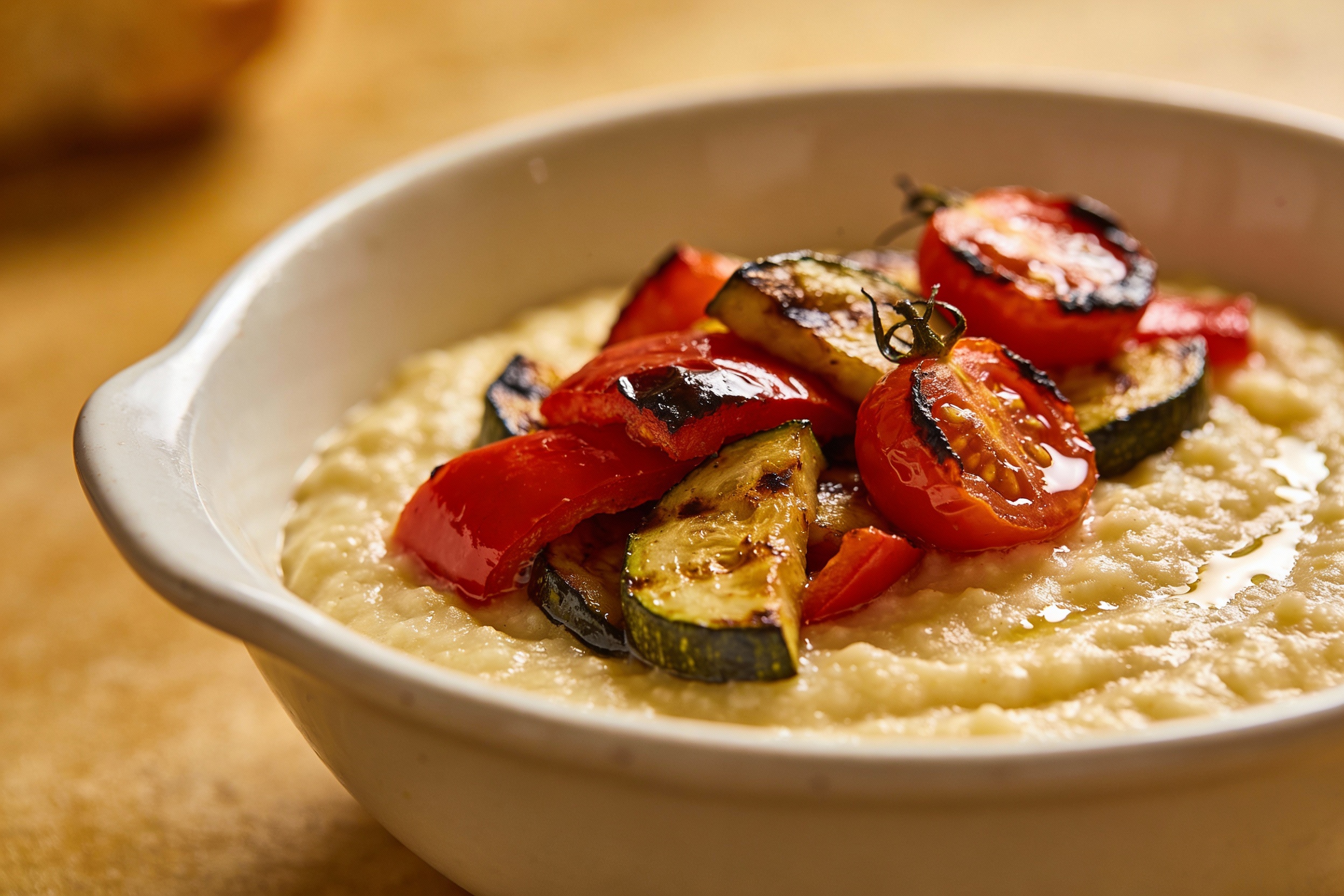
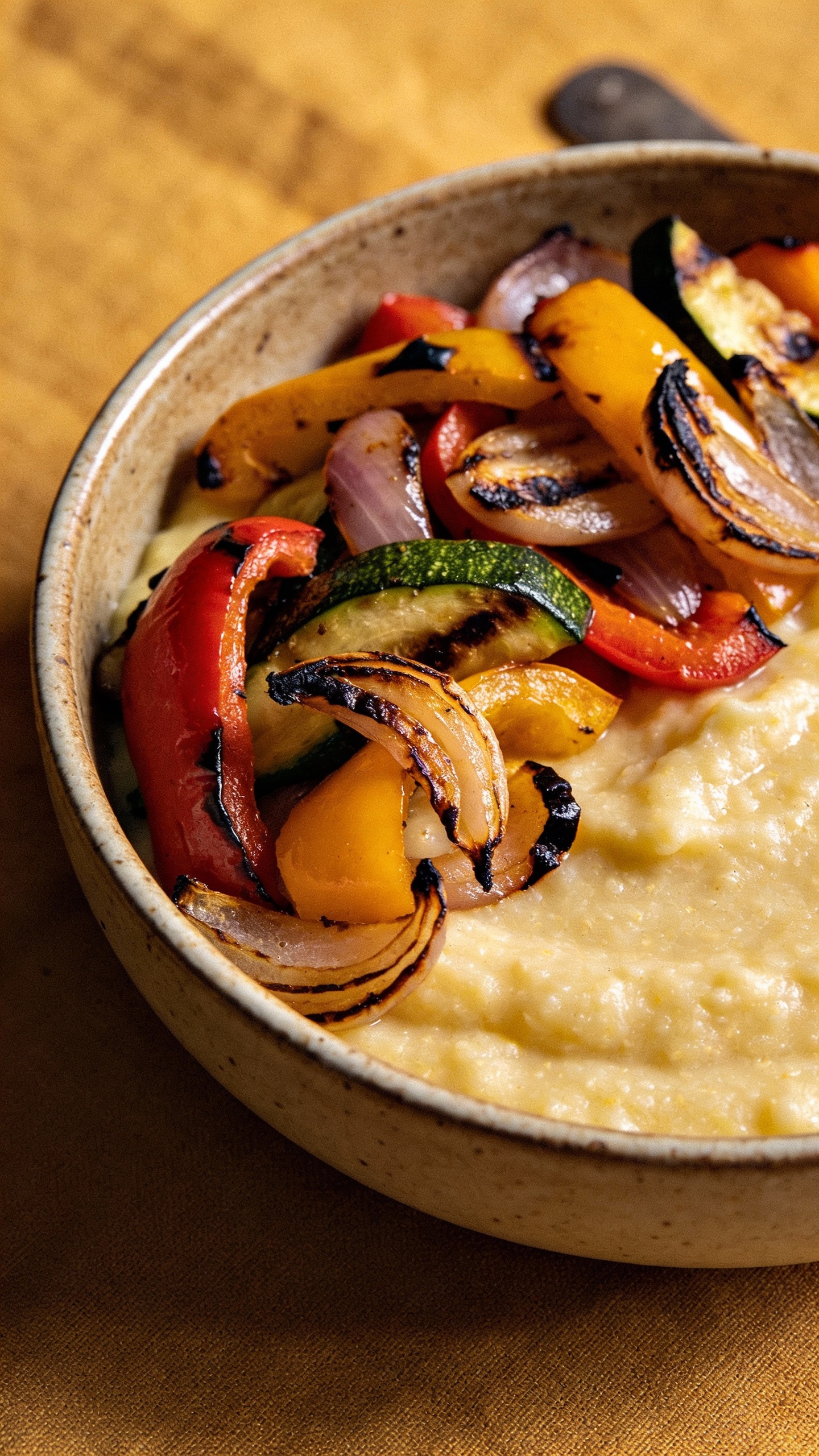
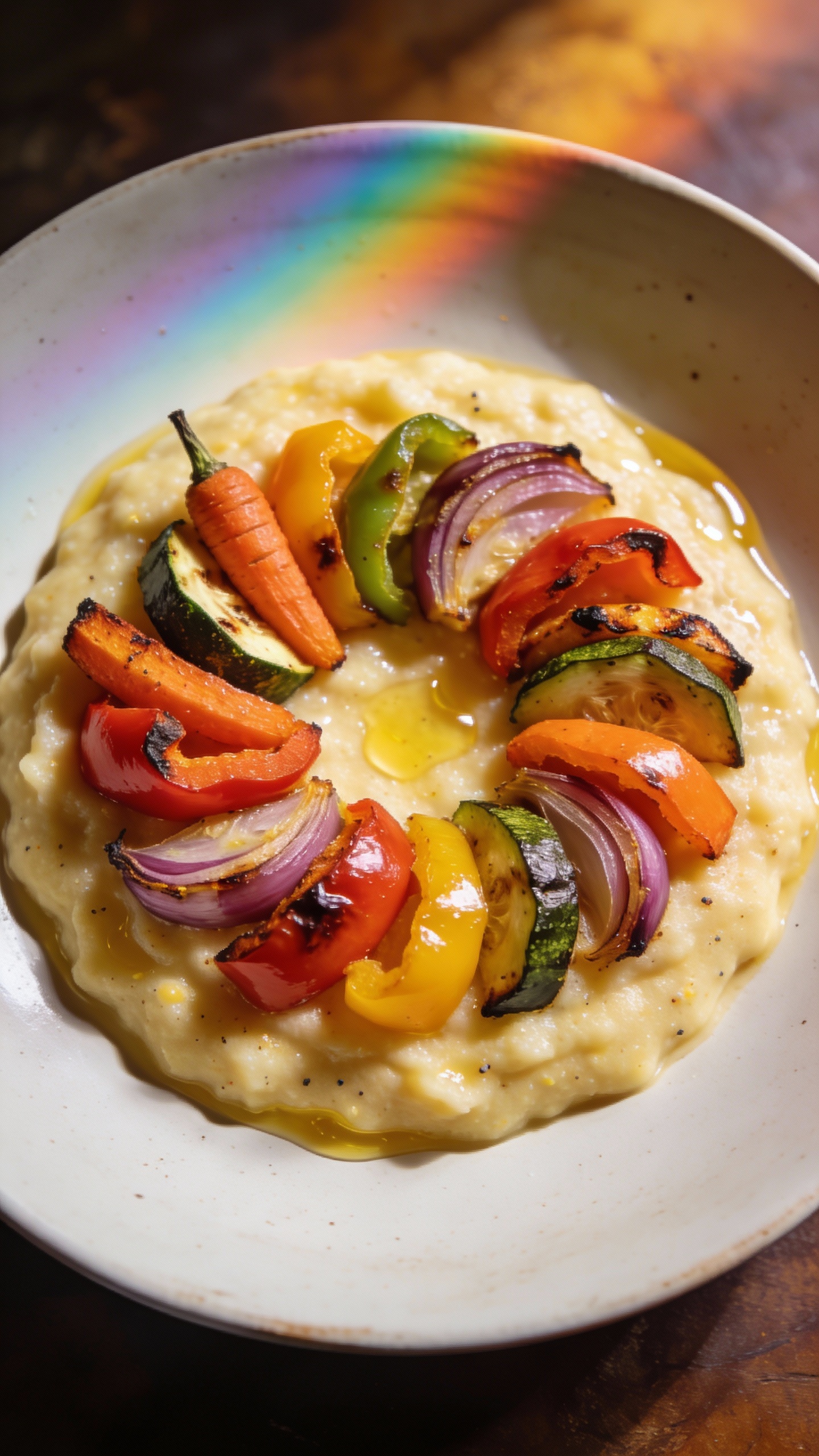
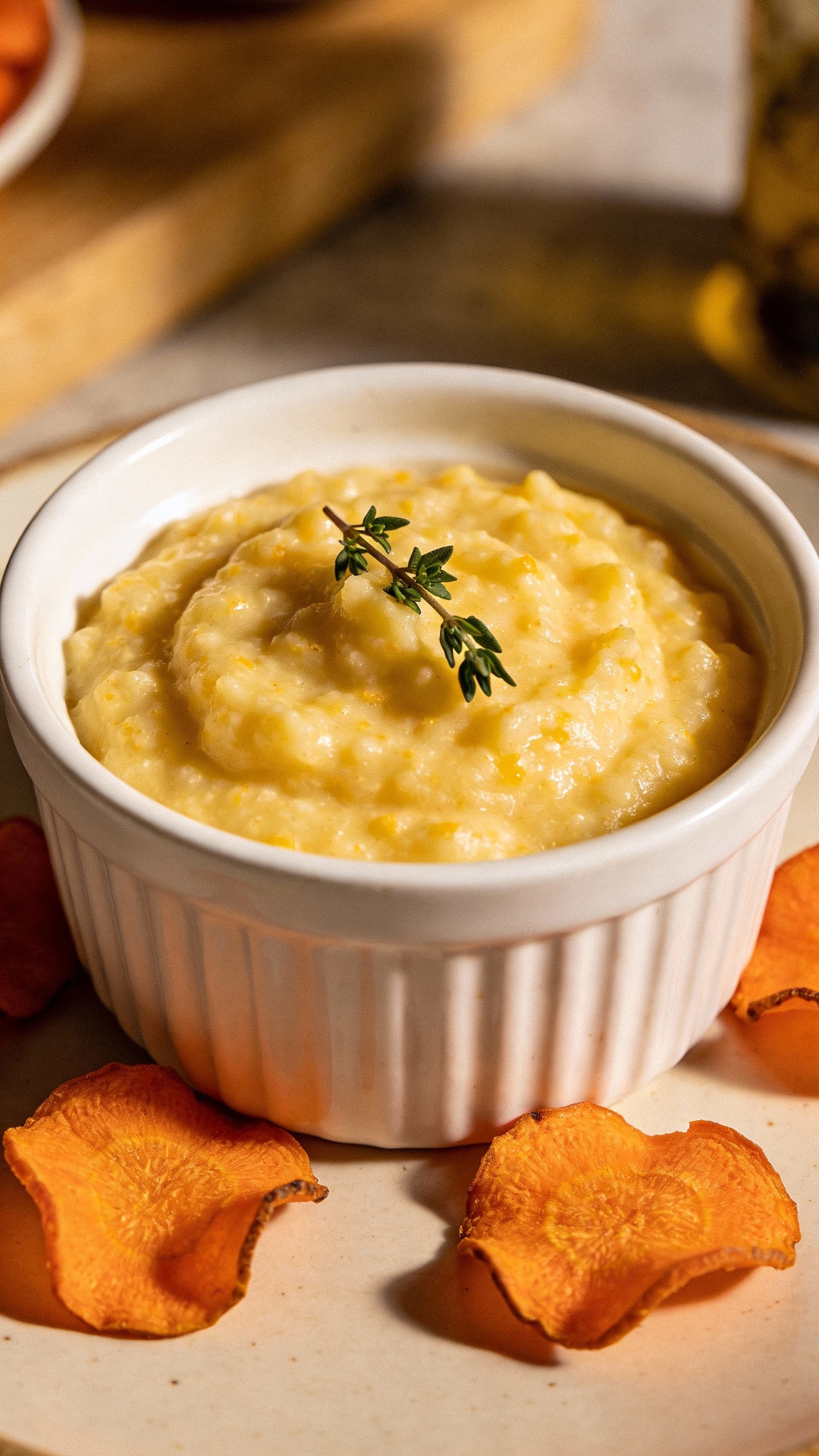
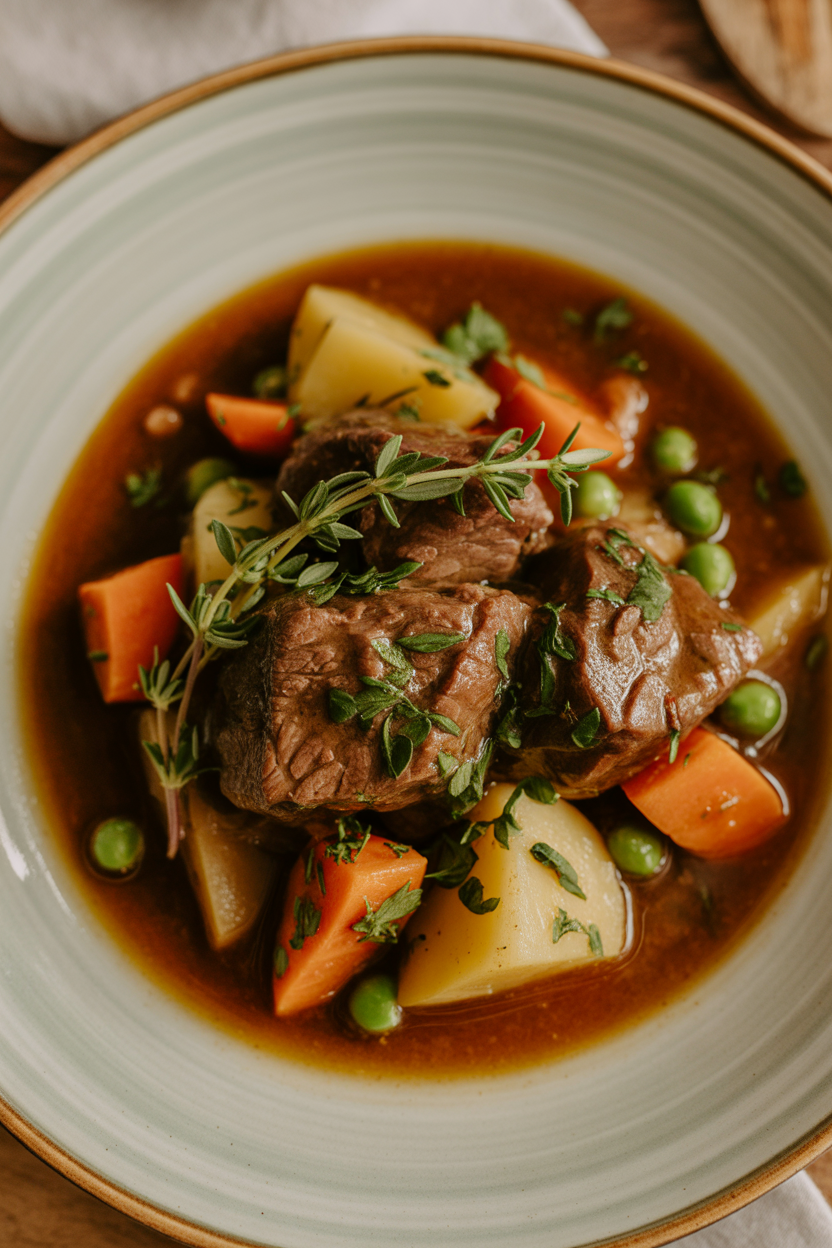
Polenta with roasted vegetables hits that sweet spot between comfort and color. You get a creamy, buttery base that plays nice with crispy, caramelized veg on top. It looks fancy, tastes like a hug, and secretly uses up whatever’s rolling around your crisper drawer. Ready to make dinner that feels restaurant-y without the panic? Let’s go.
Why Polenta + Roasted Veg Works So Well
Creamy meets crunchy. That textural contrast sells the entire dish. You spoon soft, cheesy polenta into a bowl, then pile on hot, charred veggies that bring sweetness and bite. Flavor-wise, it’s a dream team. Polenta loves fat and salt, while roasted vegetables bring concentrated flavor from high heat. Add herbs, a zingy topping, and boom—balanced and bold. Also, you control everything. Dairy or dairy-free? Herb bomb or minimalist? Spicy or mellow? Polenta acts like a canvas, and your veg are the paint. You’re basically a delicious little art studio.
What You’ll Need (And What You Can Swap)
Let’s not overcomplicate this. You probably have most of it already.
Polenta or coarse cornmeal: Stone-ground tastes best. Avoid instant if you want peak creaminess, but it works in a pinch.
Liquid: Water, stock, milk, or a combo. Stock gives flavor; milk adds richness.
Fat: Butter, olive oil, or vegan butter. Finish with extra for shine and flavor.
Cheese (optional): Parmesan, pecorino, or a melty cheese like fontina.
Flavor boosts: Garlic, thyme, rosemary, chili flakes, lemon, vinegar, parsley, or basil.
Swaps to keep it flexible:
Use coconut milk for creamy, dairy-free polenta.
Swap parmesan for nutritional yeast for a savory, nutty vibe.
Add chickpeas or white beans to the veg for extra protein.
The Game Plan: Roasting + Stirring
We’ll do two things at once, but don’t stress. You’ve got this.
Heat the oven to 425°F (220°C). Hot oven = caramelization. Line a sheet pan for easy cleanup.
Chop the veg. Aim for similar sizes so they finish together. Toss with olive oil, salt, pepper, and any sturdy herbs.
Roast for 25–35 minutes. Flip halfway. Look for crispy edges and deep color. That’s flavor.
Start the polenta. Bring 4 cups liquid to a simmer for every 1 cup polenta. Whisk as you rain in the polenta to avoid lumps.
Simmer low for 30–40 minutes. Stir every few minutes. You want thick and creamy, not a corn brick.
Finish the polenta. Stir in butter and cheese. Taste, then season like you mean it.
Assemble. Scoop polenta, top with veg, and finish with something bright: lemon zest, a balsamic drizzle, or chopped herbs.
Instant Polenta Shortcut
If time’s tight, use instant polenta. Whisk into boiling liquid and cook 3–5 minutes. Add more fat and cheese to make up for flavor. FYI, it won’t be quite as silky, but your taste buds will still be happy.
Choosing Vegetables That Shine
You can roast almost anything, but some vegetables crush it every time.
Broccoli & cauliflower: Charred florets get nutty and sweet. Don’t crowd the pan.
Brussels sprouts: Halve them so they crisp. Toss with a splash of balsamic after roasting.
Peppers & red onions: Sweet, jammy, and gorgeous color contrast.
Carrots & parsnips: Earthy and caramel-sweet. Add a touch of honey if you like.
Mushrooms: Umami bombs. Don’t wash them; wipe clean and keep them dry for browning.
Butternut or delicata squash: Cozy vibes. A pinch of chili flakes keeps them from going too sweet.
Polenta and roasted veggies work for cozy nights, brunch, or low-key dinner parties where you want compliments without stress.
Bowl bar: Keep polenta warm on the stove; set out a tray of roasted vegetables and toppings. Let everyone build their own.
Set polenta “fries”: Pour leftover polenta into a pan, chill until firm, slice, and pan-fry in olive oil until crispy. Top with leftover veg.
Reheat like a pro: Polenta stiffened in the fridge? Add hot water or stock and whisk until creamy again. Roast veg at 400°F to re-crisp.
What To Drink
White wine: A crisp pinot grigio cuts through the richness.
Red wine: Light-bodied like pinot noir won’t steamroll the veg.
Non-alcoholic: Sparkling water with lemon and a pinch of salt. Refreshing and shockingly good with rich food.
FAQ About polenta with roasted vegetables
Can I use instant polenta?
Yes. Instant polenta cooks in minutes and tastes great if you boost it with extra butter, olive oil, and cheese. Traditional polenta brings better texture, but instant keeps weeknights sane. IMO, both have their place.
How do I avoid lumpy polenta?
Whisk the polenta into simmering liquid slowly while you pour. Keep whisking for a minute or two, then switch to a wooden spoon. If lumps happen, use an immersion blender for a few pulses to smooth things out. No shame.
What if my roasted vegetables turn soggy?
Crowding kills crispiness. Spread the veg out with space between pieces, use a hot oven (425°F), and pat watery veg dry before roasting. Also, avoid too much oil—just enough to coat.
Is polenta gluten-free?
Yes, polenta is made from corn, so it’s naturally gluten-free. Double-check any add-ins (stock, cheese, toppings) to make sure they don’t sneak in gluten-containing thickeners.
Can I make this dairy-free?
Absolutely. Use olive oil or vegan butter in the polenta, and swap cheese for nutritional yeast. A spoonful of miso or a splash of coconut milk adds depth and creaminess without dairy.
How do I scale this for a crowd?
Use a large pot and keep stirring so it doesn’t catch. Roast the vegetables on multiple sheet pans and rotate them halfway. Hold the polenta warm over very low heat and whisk in a little hot water as needed to keep it creamy.
Conclusion On polenta with roasted vegetables
Polenta with roasted vegetables gives you creamy comfort, crispy edges, and big flavor without drama. You can freestyle with whatever’s in season, pile on fresh herbs, and finish with a pop of acid. The result? A bowl that feels luxurious and tastes like you planned it days ago—even if you whipped it up between emails. Make it once and it’ll slide into your regular rotation, FYI.
Disclosure: This post may contain affiliate links.
If you make a purchase through these links, I may earn
a small commission at no extra cost to you.
prab chahal
Hi, I’m Prabjot Chahal – the heart (and taste buds) behind this blog!
Food has always been my love language – from experimenting with family recipes to discovering unique flavors from around the world. I believe that cooking isn’t just about following a recipe, it’s about creating moments, sharing stories, and connecting with others over something delicious. Through this blog, I want to build a vibrant food community where we share more than just recipes – we share inspiration, tips, and the joy of making and enjoying good food together. Whether you’re here for quick weekday dinners, festive treats, or creative seasonal ideas, you’re part of this table. So grab a fork (or a whisk!) and let’s cook, bake, and share our love for food – one recipe at a time.