Some recipes try to impress you with truffle oil and a degree in sauce theory. Old-fashioned goulash just shows up with a big spoon and says, “You hungry?” It’s cozy, it’s beefy, and it turns a humble pot into pure comfort. If you want a dish that makes the house smell amazing and the table go quiet, you’ve found it.
What Exactly Is Old-Fashioned Goulash?
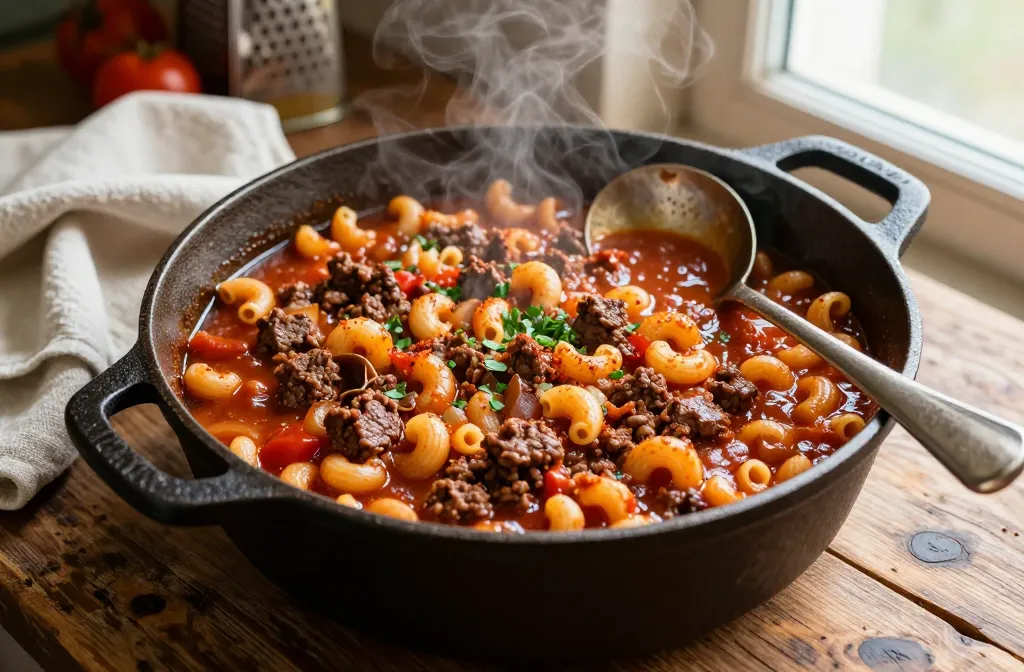
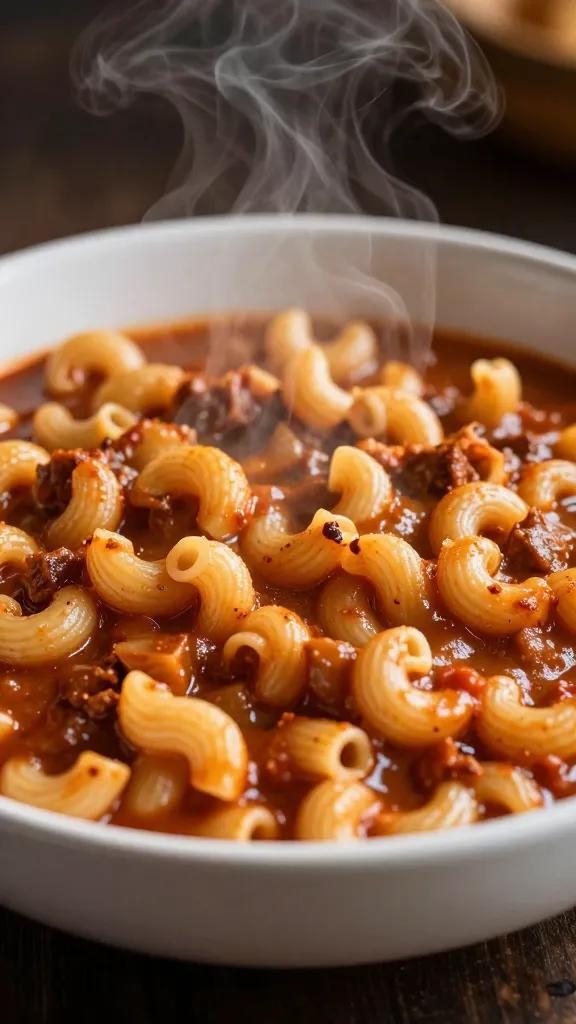
Old-fashioned American goulash is a one-pot wonder with ground beef, elbow macaroni, tomatoes, and a garlicky, paprika-kissed sauce. Think weeknight hero, not culinary thesis. It’s hearty, crowd-friendly, and extremely forgiving. You’ll also see Hungarian goulash out there (hi, paprika stew nation). That version leans into chunks of beef, tons of paprika, and no pasta. Delicious, but a different vibe. We’re staying in the American lane today—grandma’s pot on a chilly night, you know the one.
The Flavor Blueprint
You don’t need fancy ingredients. You need the right ones, cooked with a little intention. Here’s your base flavor lineup:
Ground beef: 80/20 for max flavor. Drain if needed, but keep some fat for taste.
Onion and garlic: Non-negotiable. They build the foundation.
Paprika: Sweet Hungarian if you have it. It brings warmth without heat.
Tomatoes: Crushed or diced + tomato sauce for body. A splash of tomato paste = extra depth.
Broth: Beef or chicken. Water works, but broth wins.
Elbow macaroni: Holds sauce perfectly, cooks right in the pot, and slurps like a champ.
Worcestershire and soy (optional): Little umami bombs that make it taste “cooked all day.”
Tips for Best Results
Brown hard, not gray: Let the beef sit and sear. Color = flavor.
Season in layers: Salt the beef, then season the sauce, then taste again at the end.
Undercook the pasta slightly: It will keep drinking sauce even off heat.
Finish with acid: A splash of red wine vinegar or a squeeze of lemon brightens everything. IMO, it’s the secret handshake.
The Step-by-Step You’ll Actually Use
No drama. No fifteen pans. Just a big pot and some good smells.
Sizzle the aromatics: Film the pot with oil, then soften chopped onion with a pinch of salt. Add minced garlic and cook 30 seconds more.
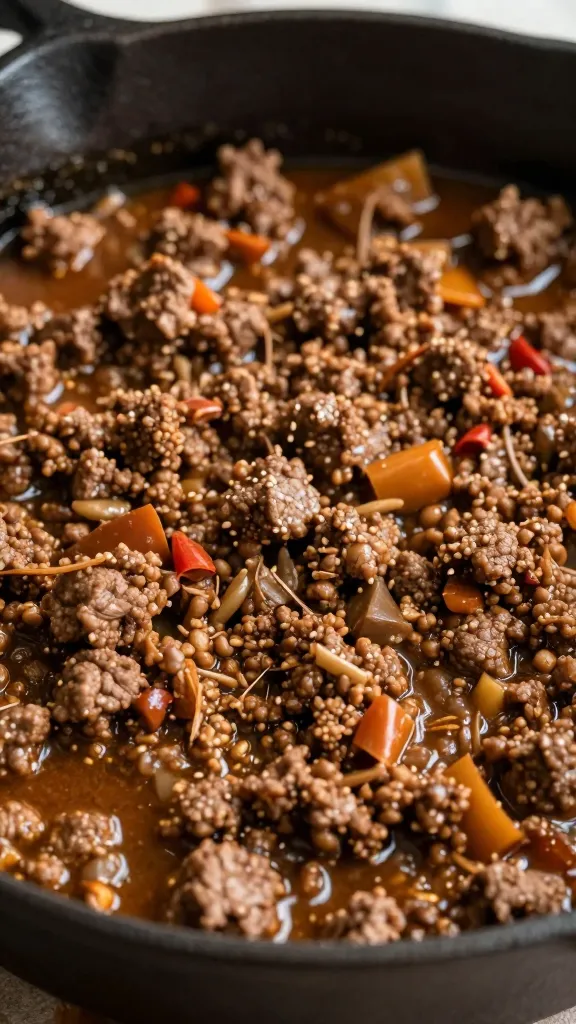
Brown the beef: Crumble it in, let it get crispy edges, then stir. Drain extra fat if necessary, but keep a tablespoon for flavor.
Spice it: Stir in paprika, black pepper, and a dash of red pepper flakes if you like a kick. Toast the spices for 30 seconds.
Build the sauce: Add tomato paste (1-2 tablespoons), then crushed/diced tomatoes and tomato sauce. Splash in broth. Add Worcestershire and soy if using.
Simmer: Let it bubble gently 10-15 minutes so the flavors mingle like neighbors at a block party.
Cook the pasta in the pot: Stir in elbows. Add more broth/water as needed to keep things saucy. Stir occasionally to prevent sticking.
Finish: When pasta is just tender, taste. Add salt, a pinch of sugar if it’s too tangy, and a splash of vinegar. Stir in a handful of shredded cheddar if you want it extra cozy. Serve hot with parsley on top if you’re feeling fancy.
Ingredient Swaps That Still Slap
Protein: Turkey or chicken instead of beef. For meatless, use plant-based crumbles or lentils.
Pasta: Shells, cavatappi, or gluten-free elbows. Just adjust liquid and timing.
Tomatoes: Swap in fire-roasted for smoky vibes. No tomato paste? Add a little ketchup. Yes, really.
Heat: Smoked paprika or chipotle powder for a deeper kick.
Dairy: Stir in sour cream for tangy creaminess. Or top with ricotta scoops—untraditional, but delicious.
Dialing In Texture and Thickness
Everyone has a preferred goulash personality: soupy, saucy, or almost casserole. Choose your path.
Soupy: Add extra broth and stop the pasta when al dente. Serve in bowls.
Saucy: Standard route. The pasta absorbs just enough to cling.
Thick and cozy: Let it sit 10 minutes off heat. The starch tightens everything up. FYI, leftovers get thicker—expect a level-up tomorrow.
Make-Ahead and Leftovers
Make-ahead base: Cook everything except the pasta. Chill. Reheat, add pasta and liquid, and finish fresh. Best texture, zero mush.
Leftovers: Add a splash of broth or water when reheating. Low and slow on the stove beats microwaving, IMO.
Freeze: Freeze the meat sauce only, not the finished pasta. Future you will thank present you.
Flavor Upgrades That Don’t Overcomplicate
Want to push it from “tasty” to “whoa”? Small moves, big payoff.
Caramelized onions: Take 10 extra minutes at the start for deeper sweetness.
Bay leaf + thyme: Toss in while simmering, then fish out before serving.
Parmesan rind: Simmer it in the pot for umami magic. Remove before serving.
Veggie boost: Bell pepper, mushrooms, or finely grated carrot disappear beautifully into the sauce.
Cheese topper: Cheddar is classic, but a sprinkle of pecorino or a dollop of ricotta turns it into a hug.
Serving Ideas
Garlic bread for scooping up every last bit.
Simple salad with a zingy vinaigrette to cut the richness.
Pickles or a crisp dill cucumber salad for contrast. Don’t knock it till you try it.
Common Pitfalls (and How to Dodge Them)
We’ve all been there: bland, watery, or mushy sadness. Here’s your escape plan.
Blandness: Salt in layers, taste often, and finish with acid. You can’t fix bland at the table.
Watery sauce: Simmer uncovered to reduce. Add a spoon of tomato paste to concentrate.
Mushy pasta: Cook it in the sauce but pull it early. It keeps softening while you set the table.
Grease pool: Drain some fat after browning, but not all. Flavor lives there.
FAQ
Is this the same as Hungarian goulash?
Nope. Hungarian goulash is a paprika-forward beef stew with chunks of meat and no pasta. Old-fashioned American goulash uses ground beef, macaroni, and a tomato sauce. Both are great; they just tell different stories.
Can I make it in a slow cooker?
Yes, but cook the pasta separately. Brown the beef with onions and garlic, transfer to the slow cooker with tomatoes, broth, and spices, and cook on low 4-6 hours. Stir in freshly boiled pasta at the end so it doesn’t turn to mush.
How do I make it spicy without wrecking it?
Use red pepper flakes, a diced jalapeño, or a teaspoon of hot paprika. Add in stages and taste. You want warmth, not a five-alarm situation that nukes the other flavors.
You can hack it. Tomato soup makes a sweeter, creamier sauce—reduce other liquids slightly. A tablespoon or two of ketchup adds body and tang; balance with extra paprika and a splash of vinegar.
Can I make it dairy-free or gluten-free?
Totally. Use gluten-free pasta and check labels on broth and Worcestershire. Skip cheese or swap in a dairy-free cheddar. The core recipe still shines.
How can I stretch it for a crowd?
Add an extra cup of broth, more pasta, and toss in a can of beans (kidney or cannellini). Top with cheese, bake 10 minutes, and pretend you planned a casserole all along.
Conclusion
Old-fashioned goulash doesn’t need to trend to be legendary. It fills bowls, warms moods, and turns leftovers into a lunchtime victory lap. Keep the method simple, season with confidence, and don’t forget that splash of acid at the end. Dinner: handled.
Disclosure: This post may contain affiliate links.
If you make a purchase through these links, I may earn
a small commission at no extra cost to you.
prab chahal
Hi, I’m Prabjot Chahal – the heart (and taste buds) behind this blog!
Food has always been my love language – from experimenting with family recipes to discovering unique flavors from around the world. I believe that cooking isn’t just about following a recipe, it’s about creating moments, sharing stories, and connecting with others over something delicious. Through this blog, I want to build a vibrant food community where we share more than just recipes – we share inspiration, tips, and the joy of making and enjoying good food together. Whether you’re here for quick weekday dinners, festive treats, or creative seasonal ideas, you’re part of this table. So grab a fork (or a whisk!) and let’s cook, bake, and share our love for food – one recipe at a time.