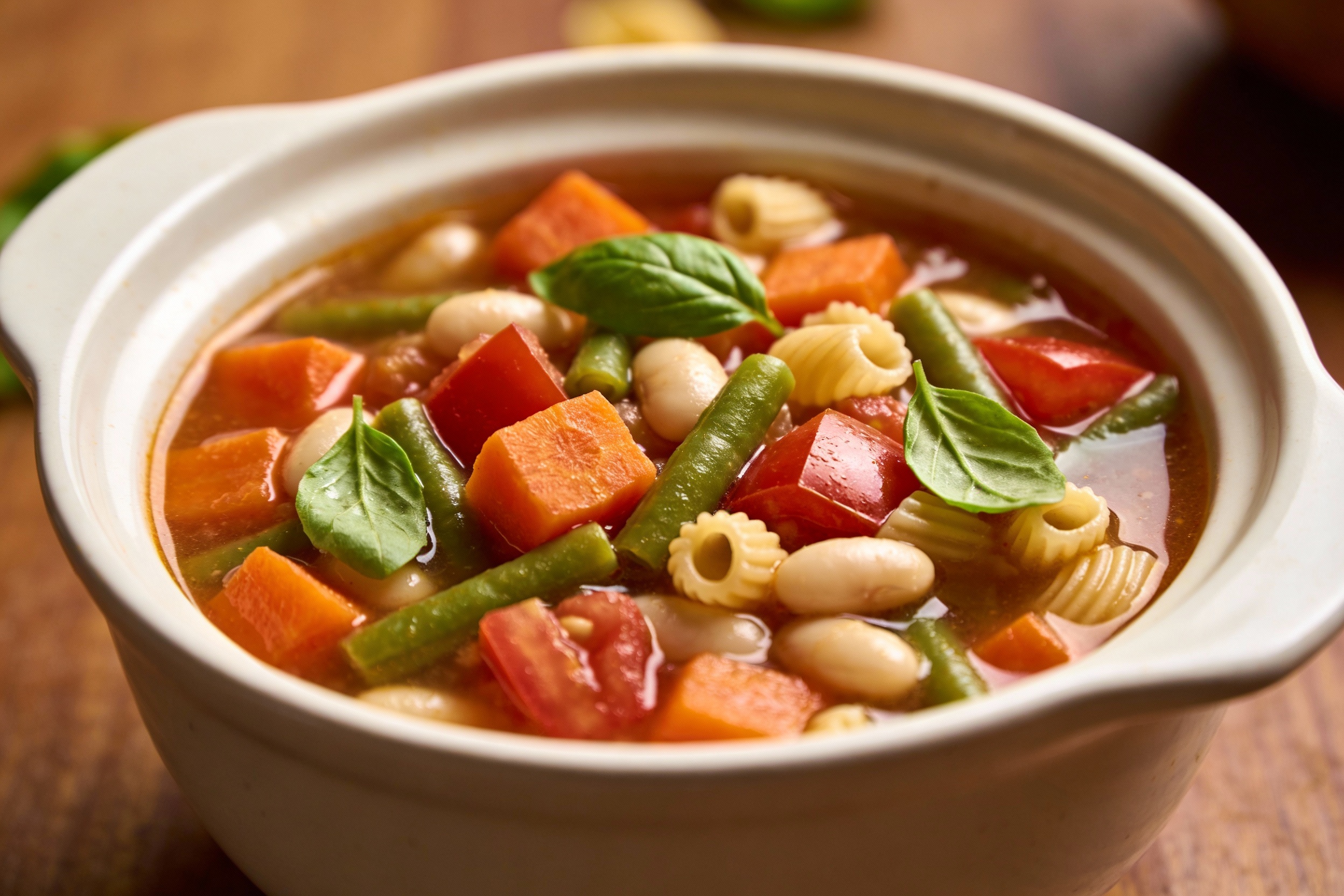
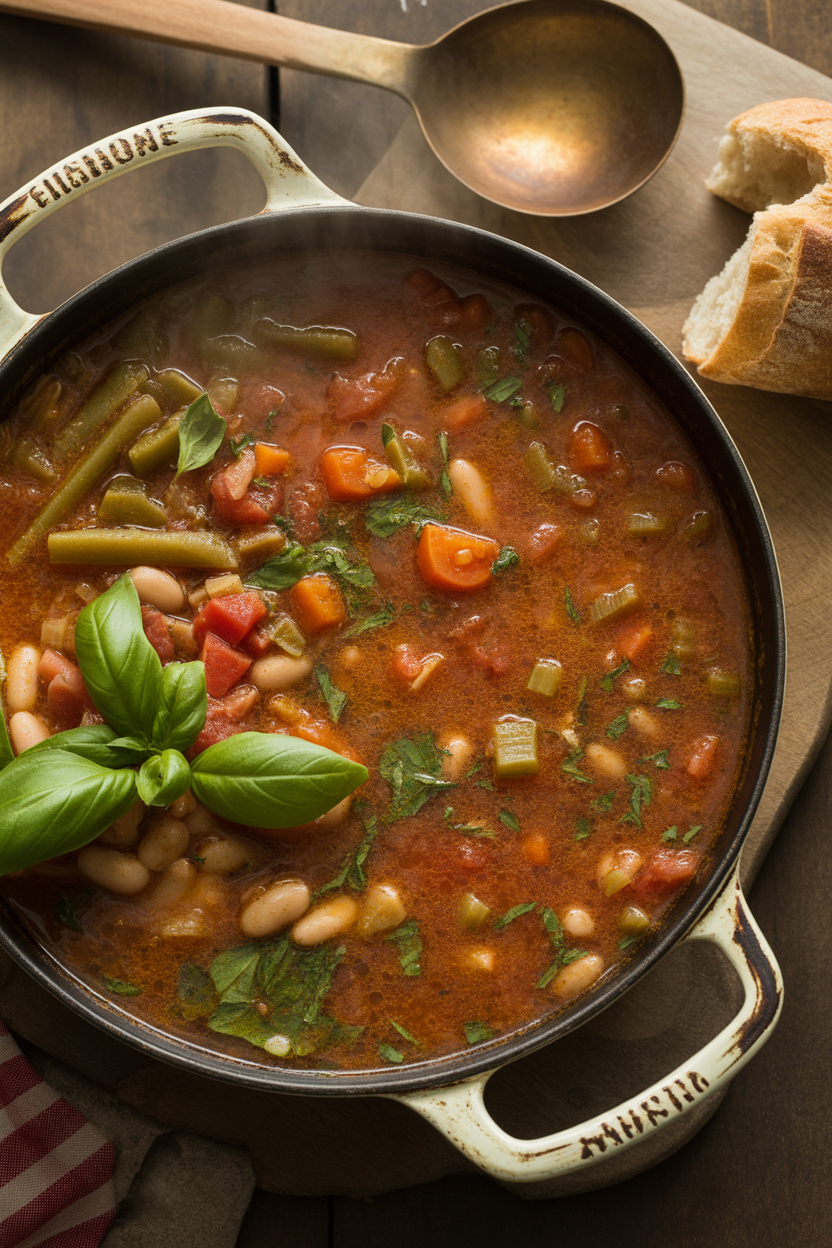
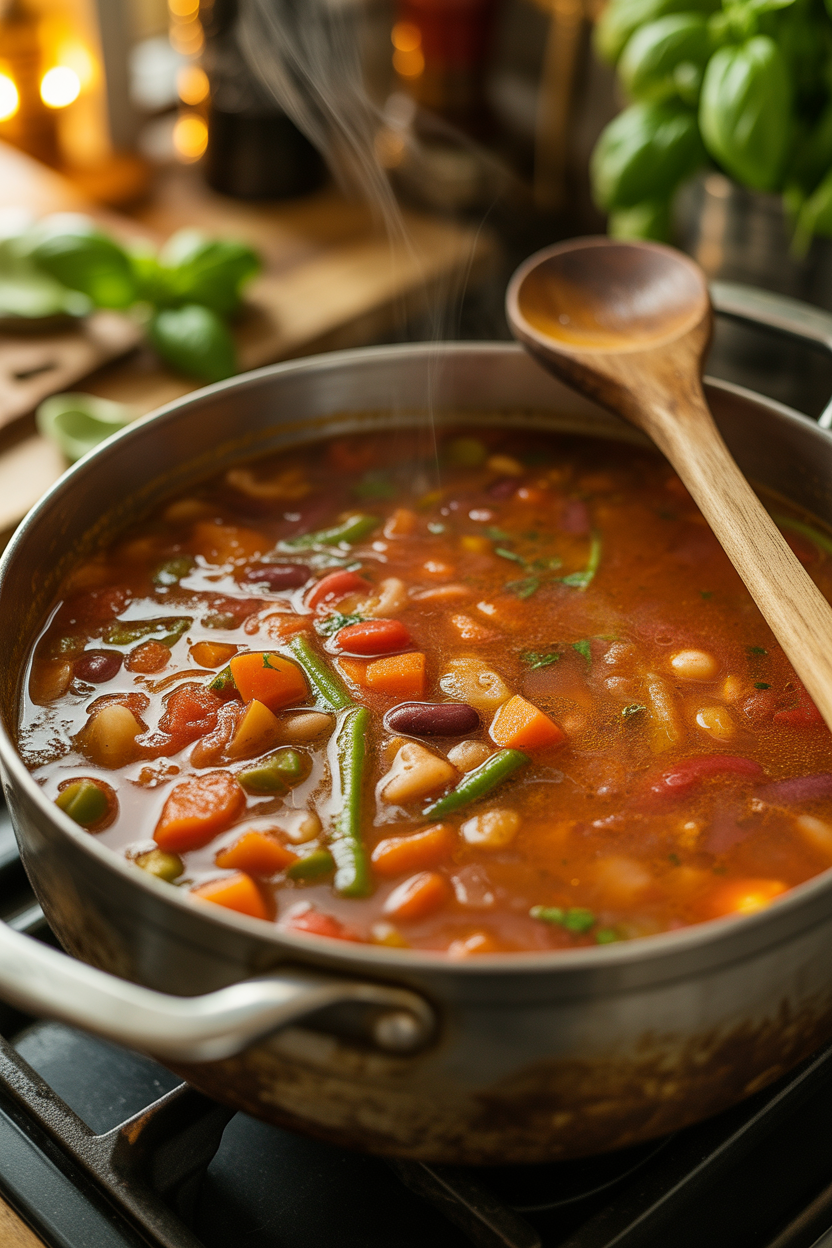
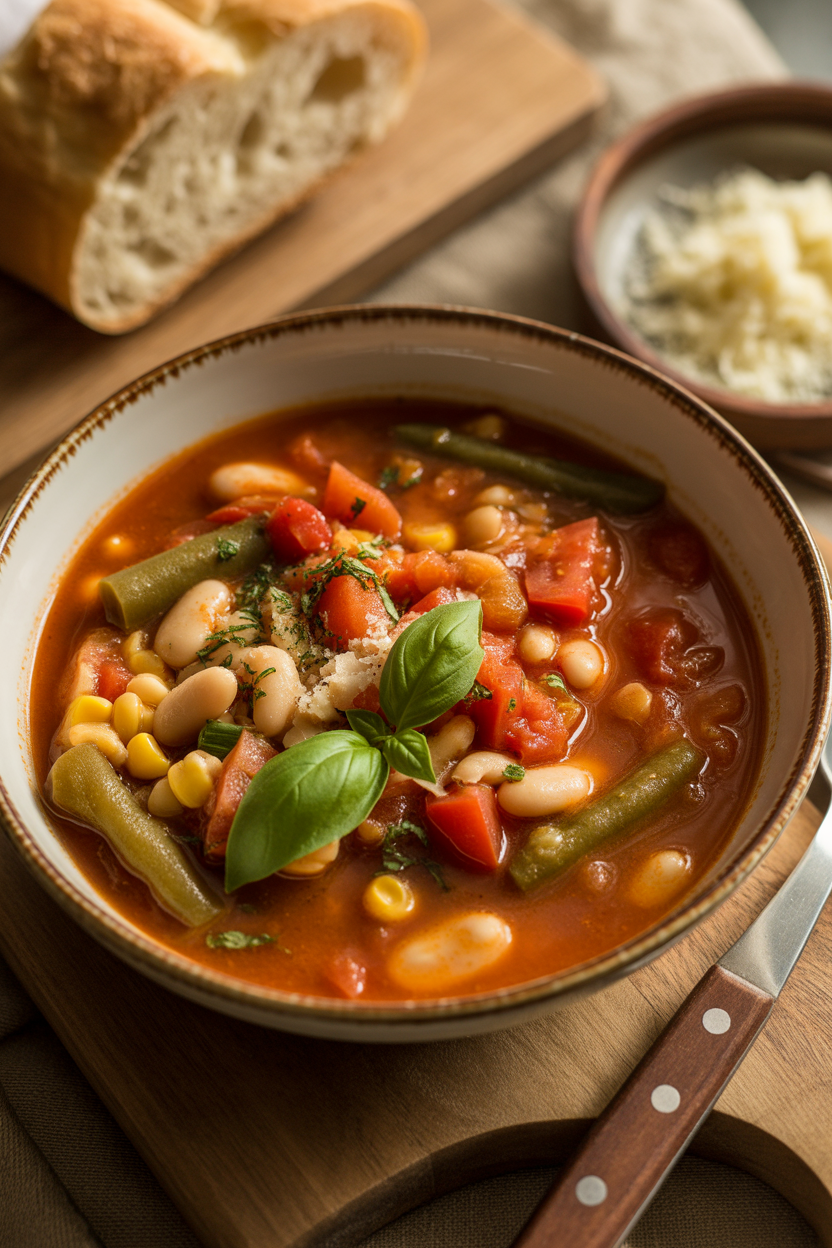
You want a bowl that fills you up, tastes amazing, and doesn’t leave you feeling like you ate a brick? Meet the Fiber Power Minestrone Vegetable Bowl. It’s hearty, colorful, and sneaks in a ridiculous amount of fiber without tasting like homework. Give me 10 minutes and a pot, and I’ll show you why this bowl becomes your weeknight hero.
We’re not just tossing veggies into a pot and hoping for the best. This bowl layers fiber from multiple sources so you feel satisfied for hours. The combo of beans, whole grains, and veggies does the heavy lifting. Here’s where the fiber hits hard:
Beans (kidney, cannellini, or chickpeas): 6–8g per half cup
Vegetables (carrots, celery, kale, tomatoes, zucchini): 2–5g per cup combined
Whole grains (whole-wheat pasta, farro, or barley): 3–5g per serving
Bonus boosters (peas, lentils, or a sprinkle of chia): 2–4g extra
FYI, fiber isn’t just about digestion. It helps stabilize blood sugar, supports heart health, and keeps you full so you’re not raiding the pantry by 9 p.m.
The Flavor Strategy (Because Fiber Should Taste Good)
If your last minestrone tasted watery, we’re fixing that. Big flavor comes from building a base and adding layers.
Build a Bold Base
Sweat your aromatics: Onion, celery, and carrots in olive oil until soft and fragrant.
Garlic + tomato paste: Stir in until it darkens slightly. That “tomato paste toast” equals depth.
Herb trio: Bay leaf, thyme, and oregano. Add rosemary if you feel wild.
Umami pop: A splash of soy sauce or a Parmesan rind. Trust me.
Go Big on Veg Texture
Add tender veggies (zucchini, green beans) later so they don’t melt into mush. Toss in kale or spinach at the end for bright color and a little chew. Texture equals satisfaction. Mush equals sadness.
Choose-Your-Own-Adventure Ingredients
I love flexibility here—use what you’ve got, keep it budget-friendly, and still get a bowl that slaps. Pick 1–2 from each category:
Beans: Kidney, cannellini, chickpeas, or lentils (brown or green hold best)
Grains/Pasta: Whole-wheat elbow pasta, farro, barley, or quinoa
Veggies: Carrots, celery, onion, zucchini, tomatoes (canned or fresh), green beans, peas, kale/spinach
Liquids: Low-sodium vegetable broth + water; crushed tomatoes for body
Finishers: Lemon juice, fresh parsley, basil, red pepper flakes, grated Parmesan, or olive oil
IMO, farro + cannellini beans + kale = peak cozy, but you can’t go wrong with whole-wheat pasta either.
Quick Recipe: Fiber Power Minestrone Bowl
This version clocks serious fiber, tastes rich, and uses pantry staples. Serves 4 hearty bowls.
Protein Boost: Stir in cooked chicken or turkey sausage if you eat meat. Still fiber-forward, just extra oomph.
IMO, the chili oil finish transforms a “nice soup” into a “whoa, what is that?” moment.
Serving Ideas That Elevate the Bowl
Soup and salad? Basic. Let’s glow up.
Crunch factor: Garlic croutons or toasted seeds on top.
Creamy swirl: A dollop of ricotta or Greek yogurt for contrast.
Grainy goodness: Spoon over cooked quinoa or brown rice for max fullness.
Bread, obviously: Thick toast rubbed with garlic and olive oil. Not optional, IMO.
FAQ
Can I make this gluten-free?
Absolutely. Use gluten-free pasta or swap in quinoa or brown rice. Double-check broth labels and skip the Parmesan rind if cross-contamination worries you.
What if I don’t like beans?
Use lentils instead—they break down less and feel heartier. Or go half-and-half with beans and extra veggies like mushrooms and cauliflower for bulk and texture.
How do I stop the pasta from getting soggy?
Cook pasta separately and add it to each bowl right before serving. If the soup sits overnight, the pasta keeps its bite and doesn’t steal the broth like a starchy bandit.
Can I cook this in a slow cooker?
Yes, but do the aromatic step on the stove first for flavor. Then combine everything except pasta/greens in the slow cooker on low for 6–7 hours. Add pasta (pre-cooked) and greens in the last 15 minutes.
Is this high enough in protein for a full meal?
For most people, yes. Between beans, grains, and Parmesan, it lands around 15–20g per serving. Want more? Stir in extra beans, a scoop of Greek yogurt on top, or add diced tofu or chicken.
What’s the best way to freeze it?
Cool completely, ladle into freezer-safe containers, and leave a little headspace. Skip the pasta before freezing; add fresh pasta or grains when reheating so the texture stays great.
Conclusion
The Fiber Power Minestrone Vegetable Bowl checks every box: big flavor, big fiber, minimal fuss. You build layers, you get textures, and you end up with a pot of comfort you’ll actually crave. Make it once and you’ll start keeping beans and greens stocked on autopilot. Now go simmer something glorious—and don’t forget the crusty bread.
Want just the essential recipe details without scrolling through the article? Get our printable recipe card with just the ingredients and instructions.
Disclosure: This post may contain affiliate links.
If you make a purchase through these links, I may earn
a small commission at no extra cost to you.
prab chahal
Hi, I’m Prabjot Chahal – the heart (and taste buds) behind this blog!
Food has always been my love language – from experimenting with family recipes to discovering unique flavors from around the world. I believe that cooking isn’t just about following a recipe, it’s about creating moments, sharing stories, and connecting with others over something delicious. Through this blog, I want to build a vibrant food community where we share more than just recipes – we share inspiration, tips, and the joy of making and enjoying good food together. Whether you’re here for quick weekday dinners, festive treats, or creative seasonal ideas, you’re part of this table. So grab a fork (or a whisk!) and let’s cook, bake, and share our love for food – one recipe at a time.