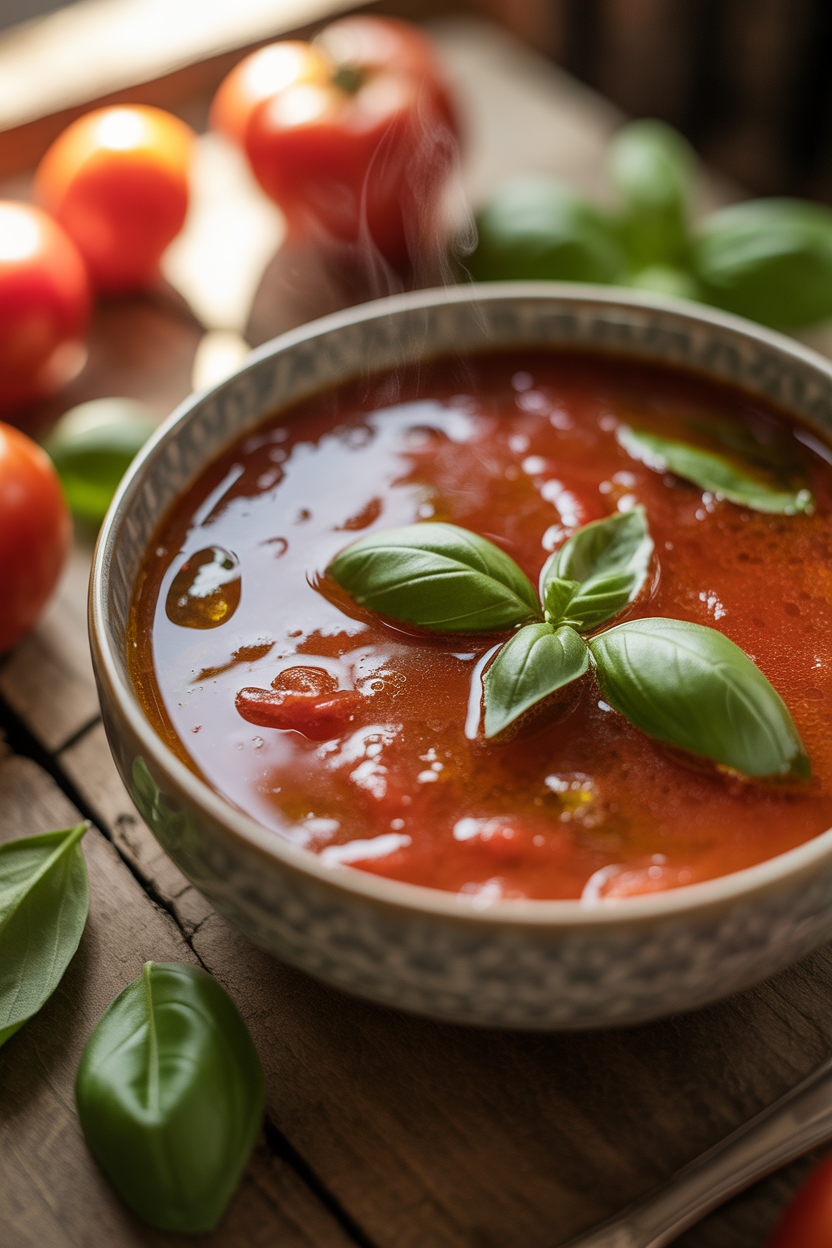
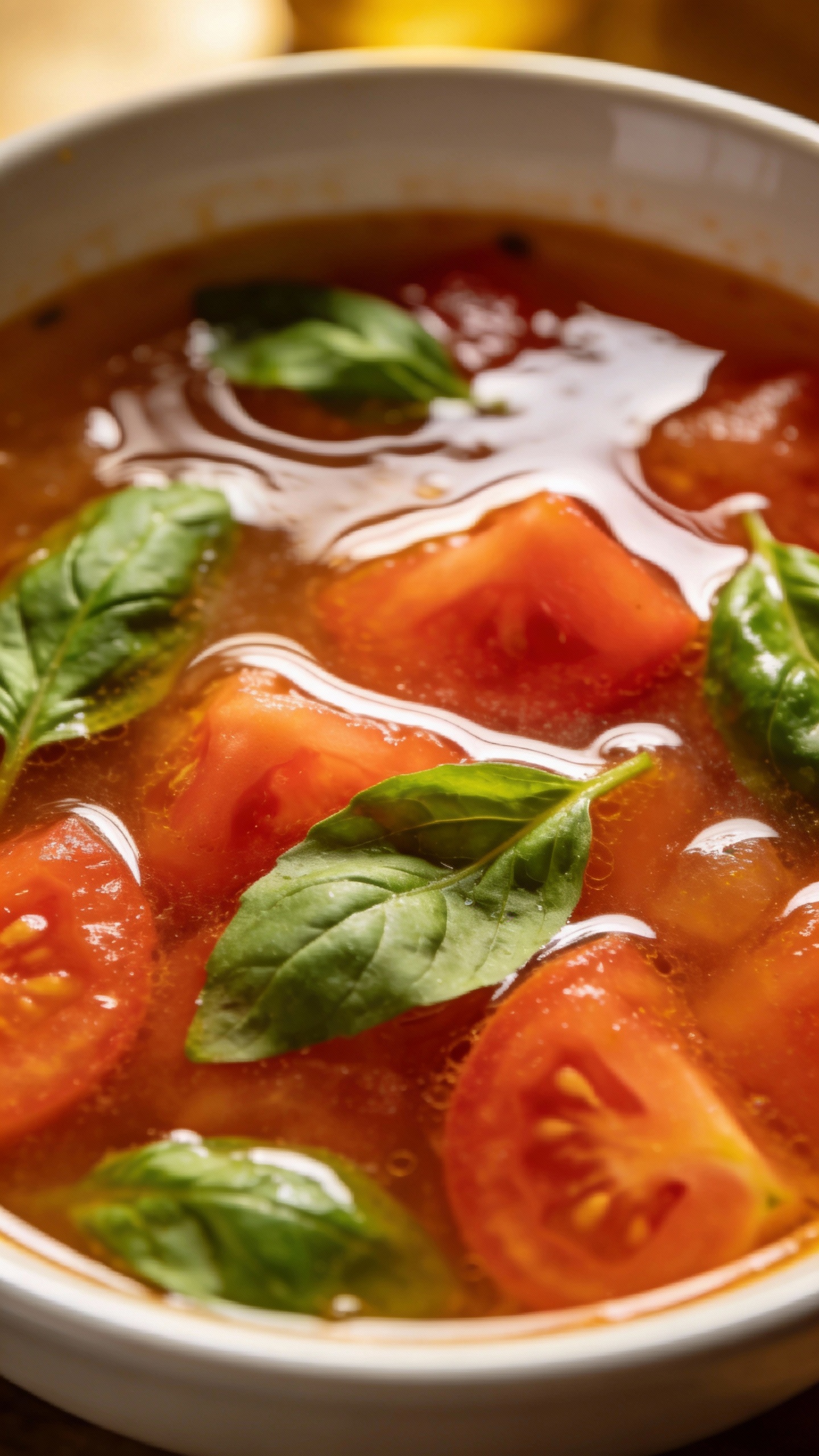
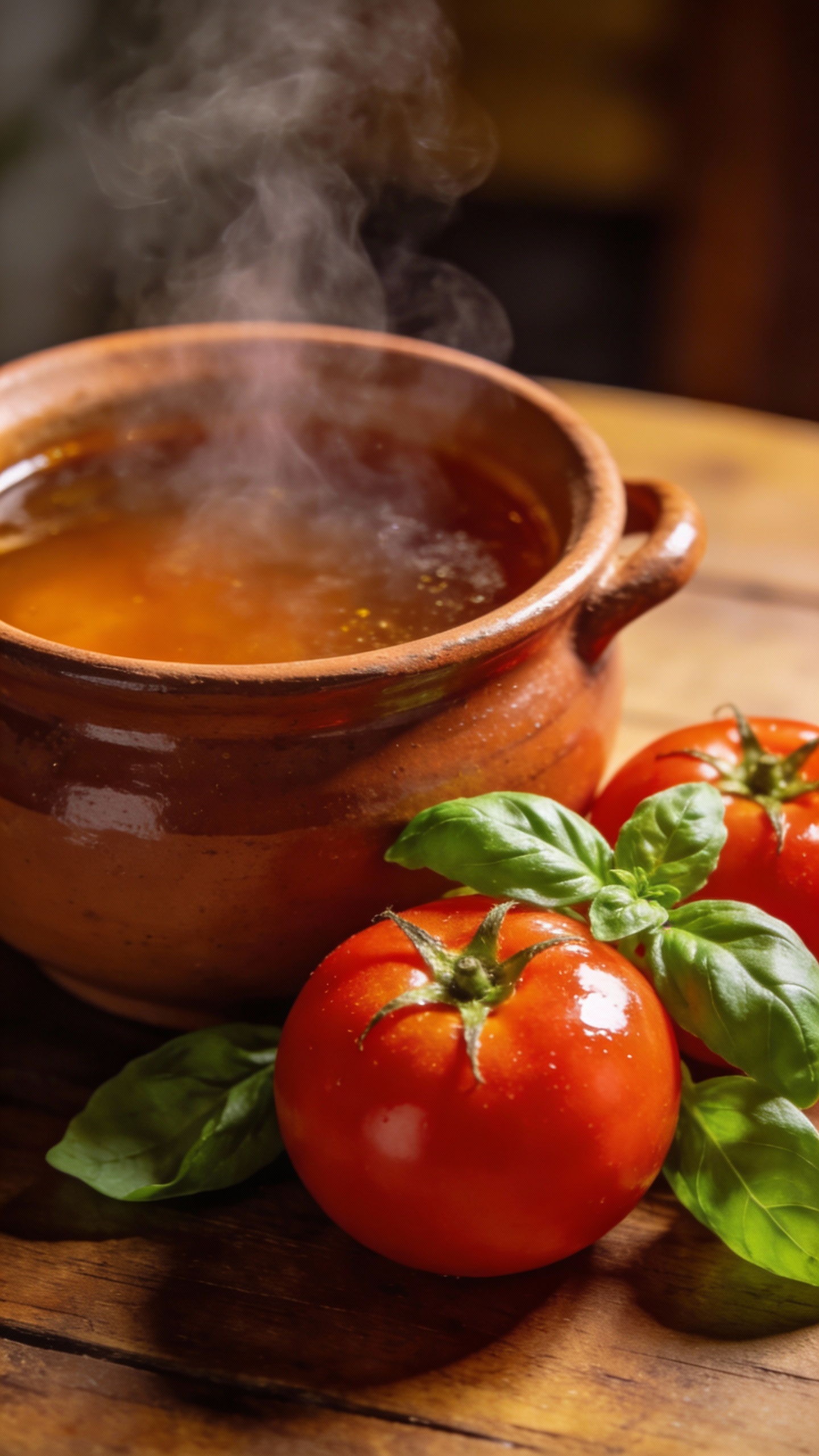
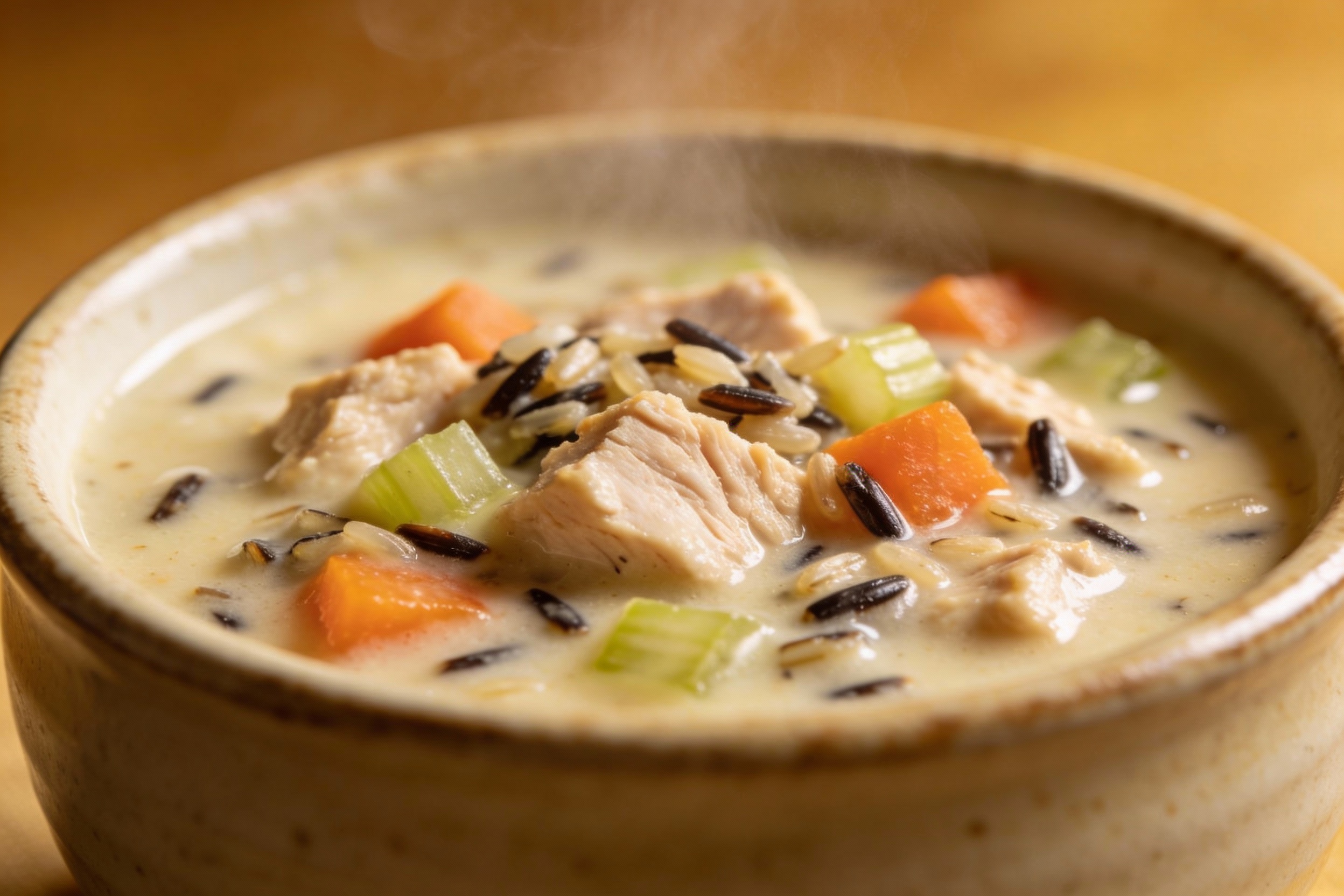
Tomato basil broth sounds basic, but it hits that sweet spot: big flavor, light body, and no guilt. You can sip it solo, pour it over beans or veggies, or use it as a base for soups. And here’s the kicker—it can play nice with your blood pressure. No bland “health food” vibes here, just a savory bowl that doesn’t wreck your numbers.
Why This Tomato Basil Broth Loves Your Blood Pressure
Tomatoes and basil bring more than flavor. They bring nutrients that help your heart chill out. You get potassium from tomatoes, which helps balance sodium and supports normal blood pressure. Tomatoes also pack lycopene, an antioxidant linked to heart health. Basil adds subtle peppery notes and potential anti-inflammatory compounds. And when you keep sodium in check, you’ve got a broth that’s cozy, savory, and smart.
The Core Recipe (And How Not to Overdo the Salt)
You don’t need chef-level skills for this. You need a pot, good tomatoes, fresh basil, and some aromatics. The trick: build depth with technique, not salt.
Ingredients
2 tablespoons olive oil
1 medium onion, chopped
3 cloves garlic, sliced
1 large carrot, chopped
1 stalk celery, chopped
2 tablespoons tomato paste (no-salt-added if possible)
1 can (28 oz) no-salt-added crushed tomatoes OR 2 pounds ripe tomatoes, chopped
4 cups low-sodium vegetable broth or water
1 small bunch fresh basil (about 1 cup leaves, plus stems)
Salt to taste, but start low (or skip and finish with citrus)
Method
Warm the olive oil over medium heat. Add onion, carrot, and celery. Cook until soft and lightly golden, 8–10 minutes. Don’t rush—this browning builds flavor so you don’t need to lean on salt.
Add garlic and tomato paste. Stir until the paste darkens slightly, about 2 minutes. That “tomato caramel” vibe? That’s your secret weapon.
Stir in crushed tomatoes and broth (or water). Toss in basil stems and the bay leaf. Simmer gently 20–25 minutes.
Fish out the basil stems and bay leaf. Add basil leaves and simmer 2 more minutes just to wilt.
Blend with an immersion blender until smooth (or leave it rustic—your call). Finish with vinegar or lemon, black pepper, and red pepper flakes. Taste before adding salt—you may not need it.
Pro tip: Salt lightly at the table, not the pot. You’ll use less and still taste it.
Flavor Boosters That Don’t Spike Sodium
You want big flavor without the salt bomb? Say less. Layer umami and acidity, and use heat wisely.
Umami moves: Toasted tomato paste (already in there), a splash of low-sodium soy or coconut aminos, or a crumble of dried mushrooms simmered in.
Acid balance: Lemon juice, red wine vinegar, or sherry vinegar brightens without salt. Start small and taste.
Heat: Red pepper flakes bring warmth that tricks your brain into perceiving more depth.
Herbs: Basil is the star, but thyme and parsley stems also add oomph without sodium.
Roasting: Roast fresh tomatoes, onion, and garlic first for extra sweetness. IMO, this is worth the time on weekends.
What If You Only Have Canned Tomatoes?
You’re fine. Choose no-salt-added or low-sodium. Simmer longer to mellow acidity, then finish with a splash of olive oil for silkiness.
How This Tomato Basil Broth Helps Your Numbers (Without Being Boring)
Let’s connect the dots so it’s not just “health halo” claims.
Potassium content: Potassium helps your body balance fluids and counter sodium’s effects on blood pressure.
Low sodium by design: We control salt by using herbs, acidity, and umami. You keep flavor, ditch the bloat.
Lycopene and antioxidants: Tomatoes bring compounds linked to heart benefits. Not magic, just helpful.
Light yet satisfying: Keeps you full without heavy cream or butter. FYI, your arteries will not miss those.
Smart Serving Ideas
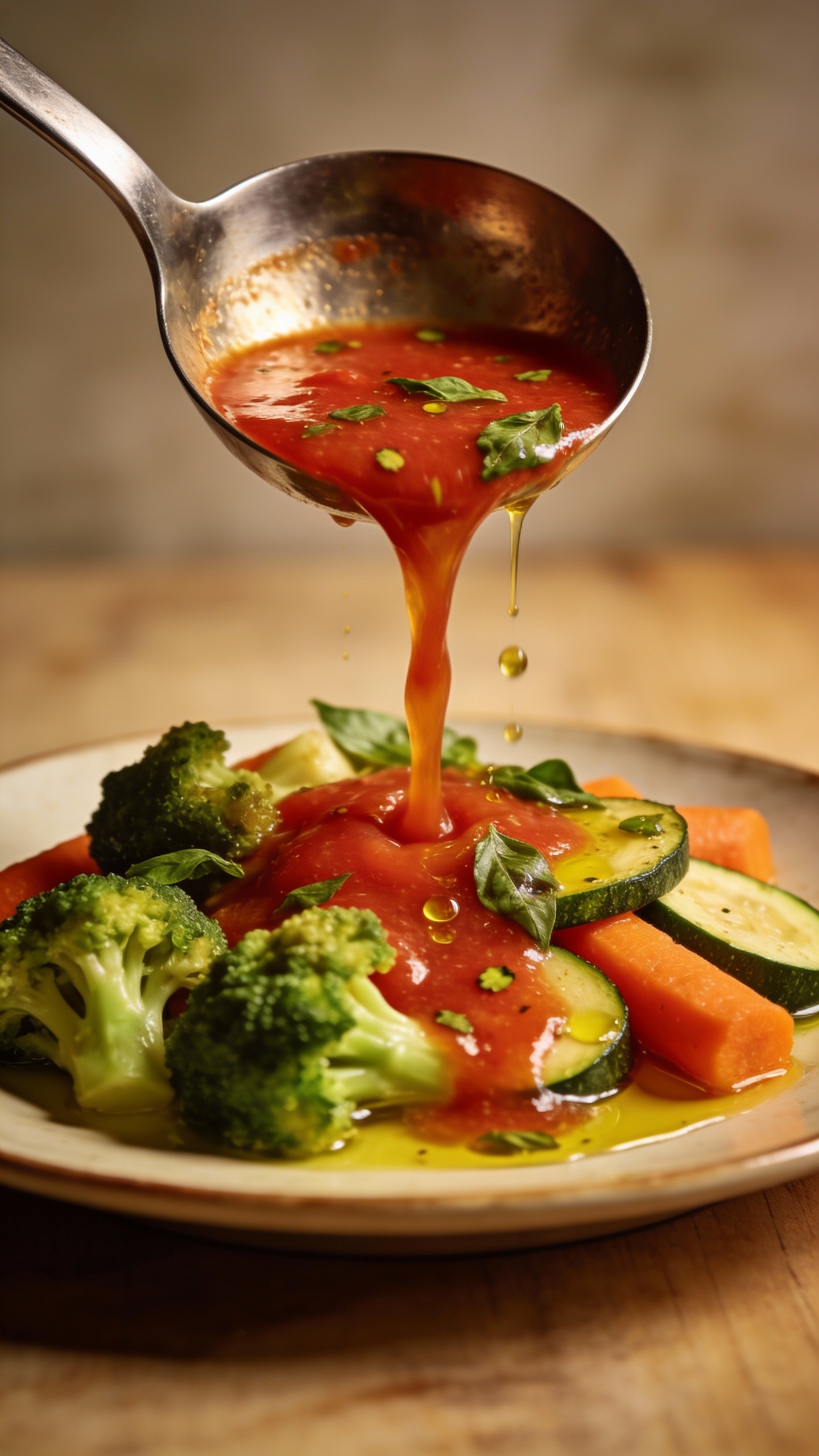
Pour over white beans and steamed spinach for a 5-minute dinner.
Add cooked farro or barley for chew and fiber.
Poach a piece of fish directly in the broth. Fancy, minimal effort.
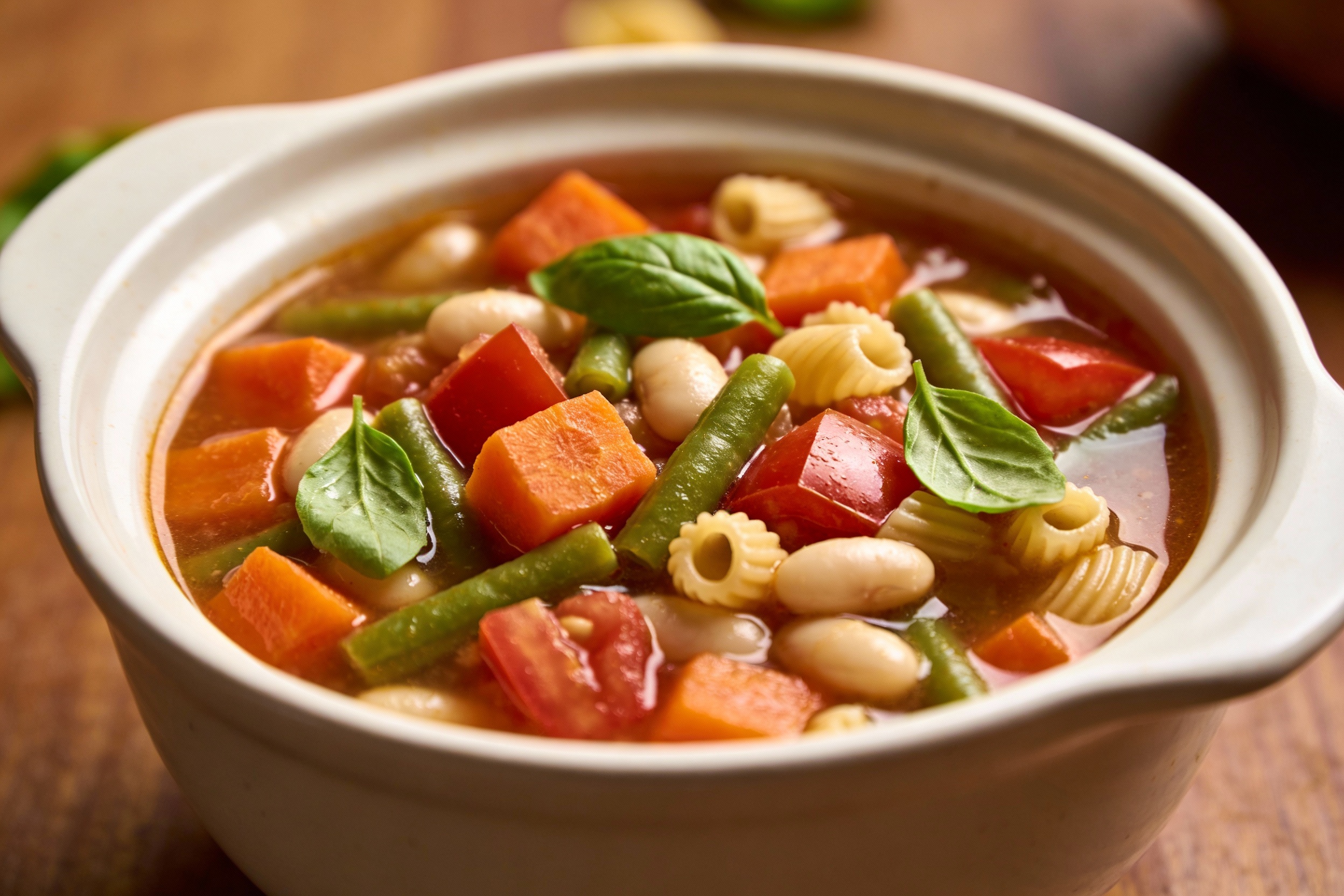
Use as a base for minestrone—add diced veg, greens, and pasta shapes.
Sip from a mug as a snack. Yes, soup as a snack. Cozy wins.
Tomato Basil Broth: Make-Ahead, Freeze, Repeat
Batch cooking saves your week. This broth freezes like a champ and reheats beautifully.
Storage: 4 days in the fridge, 3 months in the freezer.
Portions: Freeze in 1- to 2-cup containers or silicone trays for easy defrosting.
Reheat tips: Rewarm gently, then brighten with fresh basil and lemon so it tastes “new” again.
Low-Sodium Shopping Cheats
Look for labels that say “no-salt-added.” Obvious, but easy to miss.
Compare brands—some “low-sodium” broths still pack a punch. Aim for under 140 mg sodium per cup if possible.
Choose ripe tomatoes if using fresh. Flavor up = less salt needed.
Customization Station: Make It Yours
You don’t have to follow rules here. Just keep sodium in check and let your tastebuds steer.
Spice it Italian: Add a pinch of fennel seed and oregano.
Go smoky: A whisper of smoked paprika adds depth without salt.
Creamy swirl: Stir in a spoon of Greek yogurt when serving for richness.
Protein add-ins: White beans, lentils, or shredded chicken keep it filling.
Veg power: Zucchini ribbons, kale, or roasted peppers turn it into a meal.
Restaurant-Level Finishers
A drizzle of good olive oil for aroma.
Chiffonade of basil for color and freshness.
Black pepper cracked at the last second so you actually smell it.
Lemon zest if you’re feeling extra. Because why not.
FAQs About Tomato Basil Broth
How much sodium should I aim for in this broth?
Keep it under 200–300 mg per serving for a blood-pressure-friendly bowl. If you use no-salt-added tomatoes and low-sodium broth, you’ll land there easily. Taste as you go and finish with acid instead of extra salt.
Yes. Sauté the veggies in a splash of water or broth, adding more as needed to prevent sticking. You’ll lose a little richness, but a final drizzle of olive oil—or none at all—still tastes great.
What’s the best way to get a smooth, silky texture?
Use an immersion blender right in the pot. For extra smoothness, strain through a fine mesh sieve. IMO, the slight texture is cozy, but you do you.
Is fresh basil mandatory?
Fresh basil tastes brighter, but dried works in a pinch. Add 1 to 2 teaspoons dried basil during the simmer, then finish with a little fresh parsley or a squeeze of lemon to wake it up.
Can I use chicken broth instead of vegetable broth?
Totally. Choose a low-sodium chicken broth and keep the rest the same. The flavor will lean more savory, which many folks love.
Will this actually help my blood pressure?
It can support your goals as part of an overall balanced, lower-sodium diet rich in vegetables, fiber, and potassium. No single recipe fixes everything, but this one won’t work against you—big win, FYI.
Conclusion On Tomato Basil Broth
Tomato basil broth proves that “heart-healthy” doesn’t have to taste like a hospital tray. You build deep flavor with smart techniques, not a salt shaker. Make a big batch, freeze it, and let it save your dinners all week. Your taste buds get comfort, your blood pressure gets kindness, and you get one more easy win in the kitchen.
Disclosure: This post may contain affiliate links.
If you make a purchase through these links, I may earn
a small commission at no extra cost to you.
prab chahal
Hi, I’m Prabjot Chahal – the heart (and taste buds) behind this blog!
Food has always been my love language – from experimenting with family recipes to discovering unique flavors from around the world. I believe that cooking isn’t just about following a recipe, it’s about creating moments, sharing stories, and connecting with others over something delicious. Through this blog, I want to build a vibrant food community where we share more than just recipes – we share inspiration, tips, and the joy of making and enjoying good food together. Whether you’re here for quick weekday dinners, festive treats, or creative seasonal ideas, you’re part of this table. So grab a fork (or a whisk!) and let’s cook, bake, and share our love for food – one recipe at a time.