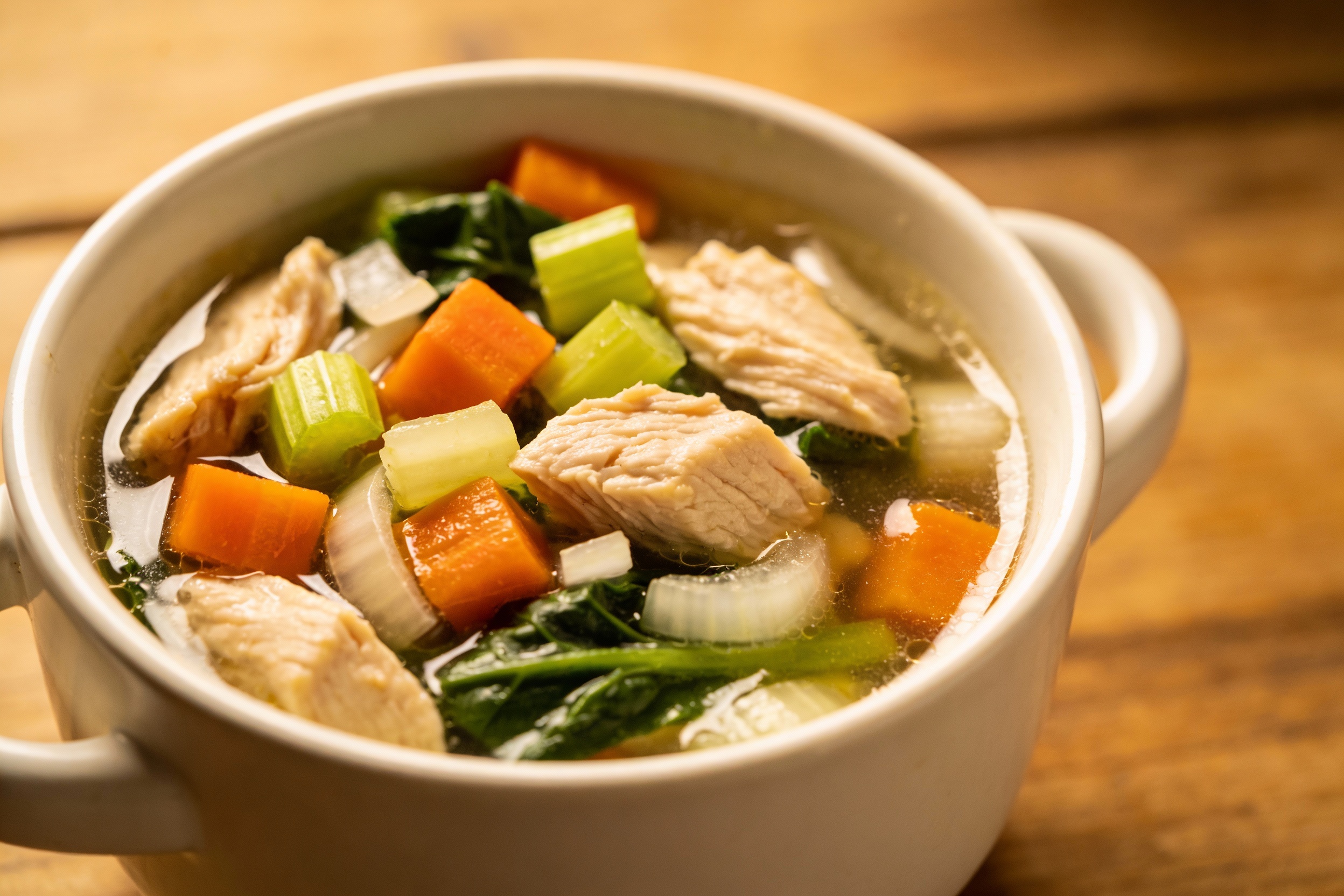
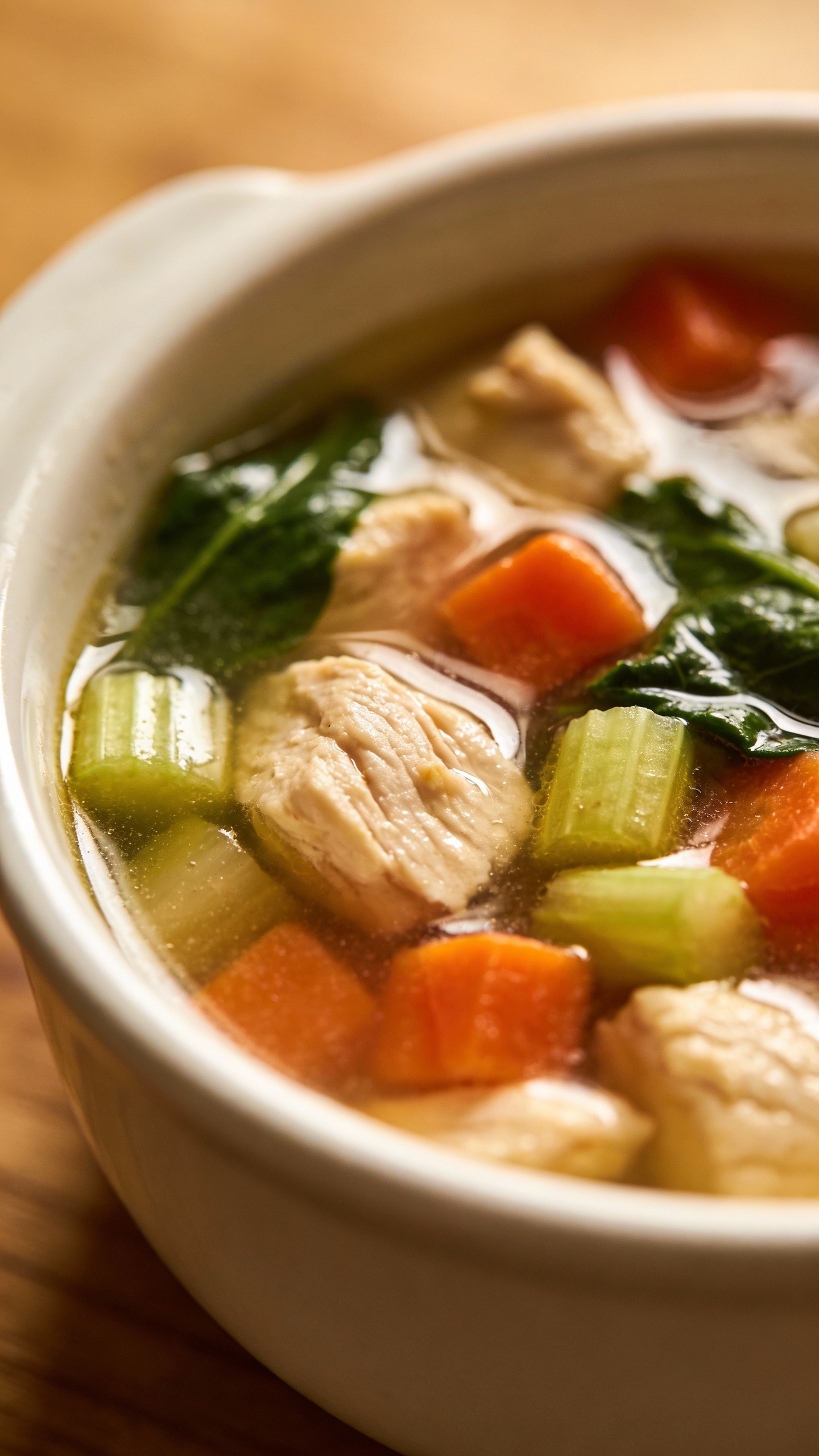
Picture this: a cozy bowl brimming with tender chicken, vibrant veggies, and a broth that tastes like a hug you actually want. That’s heart-healthy chicken vegetable soup in a nutshell. It’s comforting, wildly customizable, and friendly to your arteries. And no, it doesn’t taste like “diet food.” You’ll actually want seconds.
Why This Chicken Vegetable Soup Loves Your Heart Back
Take all the best parts of comfort food and remove the stuff your cardiologist side-eyes. That’s the strategy here. We load up fiber, lean protein, and good fats while keeping sodium and saturated fats low.
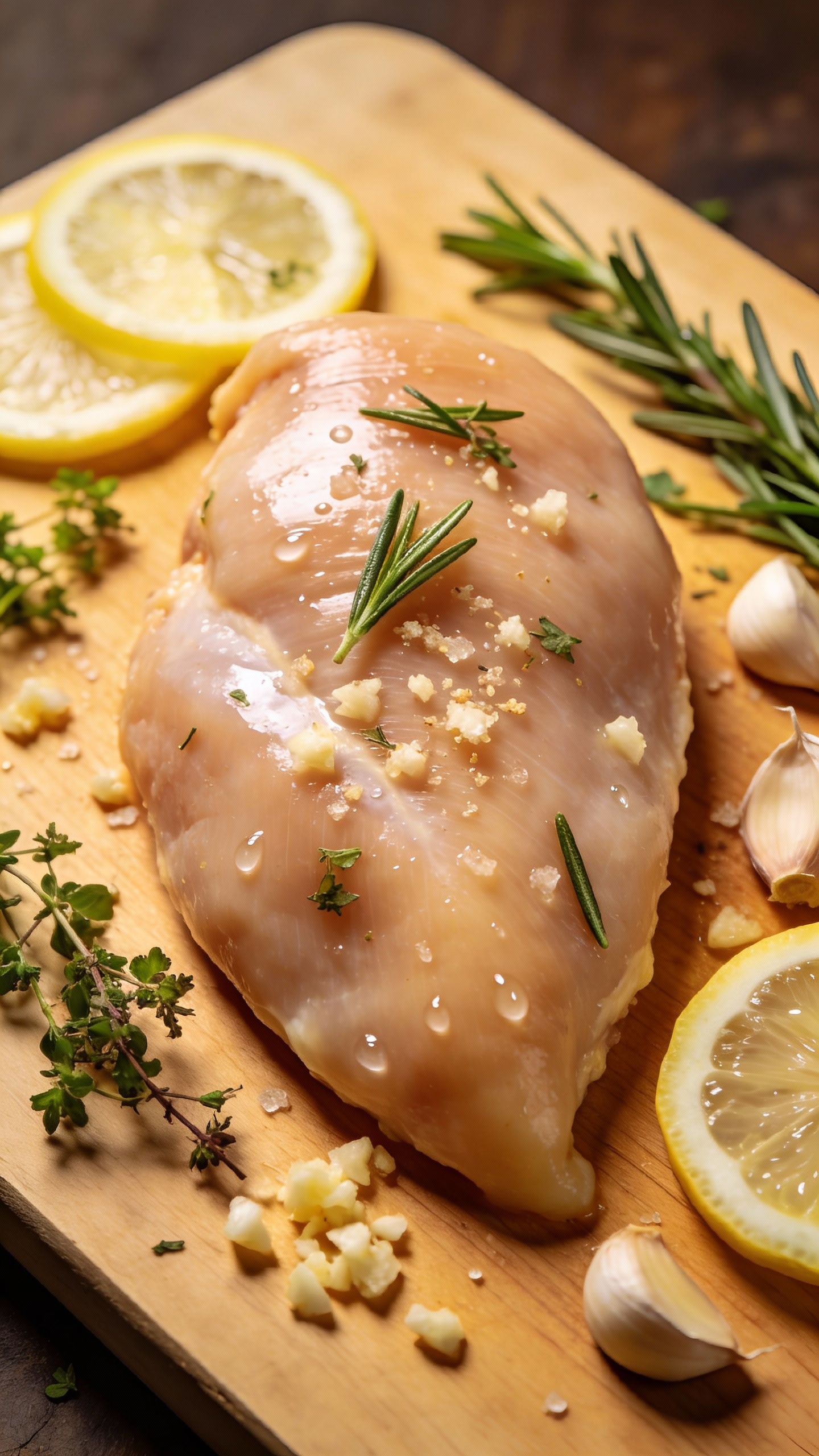
Lean protein: Skinless chicken breast or thighs give you protein without a lot of saturated fat.
High fiber: Veggies, beans, and whole grains (like barley or farro) help lower LDL cholesterol.
Low sodium, high flavor: Herbs, garlic, onion, and citrus keep taste buds happy without a salt avalanche.
Healthy fats: A drizzle of olive oil supports heart health and helps absorb fat-soluble vitamins.
The Core Ingredients (and What They Actually Do)
Let’s keep this simple but smart. You don’t need a culinary degree. You just need a plan.
Chicken: Go skinless. Breast = leaner; thighs = more flavor. Both work.
Aromatics: Onion, garlic, celery, carrot. The classic soup squad that builds flavor fast.
Leafy greens: Kale, spinach, or Swiss chard add potassium, magnesium, and fiber.
Color pop: Tomatoes, bell peppers, zucchini, peas. Eat the rainbow, cliché because it’s true.
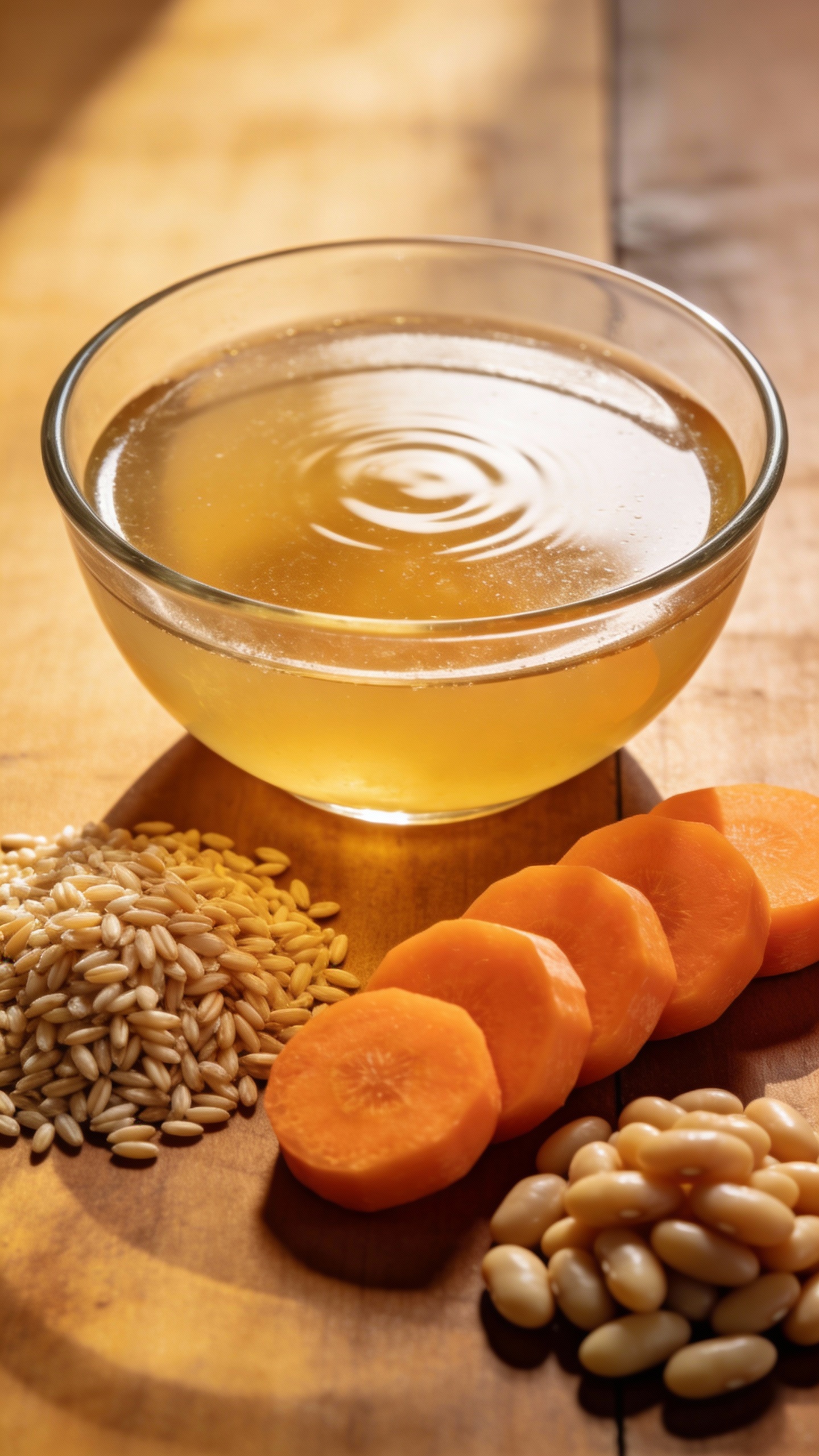
Beans or grains: Cannellini beans, lentils, barley, or farro make the soup satisfying.
Broth: Low-sodium chicken or vegetable broth—then you control the salt.
Herbs and acids: Parsley, thyme, bay leaf, and a squeeze of lemon for brightness.
Olive oil: For sautéing and a final drizzle. Flavor + heart health = win.
Smart Swaps If You’re Stock-Challenged
No broth? Use water plus a spoon of tomato paste, extra herbs, and a Parmesan rind if you’ve got it.
No fresh herbs? Dried thyme and oregano hold the fort. Use less—dried herbs punch harder.
No chicken? Add chickpeas or lentils and call it a day. Still hearty, still heart-friendly.
How to Make Chicken Vegetable Soup: A No-Stress Game Plan
We’re not reinventing soup. We’re just doing it right.
Brown the chicken: Season lightly with pepper and a pinch of salt, sear in olive oil until golden. Remove and chop/shred.
Sweat the aromatics: Onion, celery, carrot. Cook until soft and fragrant, 5–7 minutes.
Build flavor: Add garlic, thyme, and a bay leaf. Stir 30 seconds so you don’t burn the garlic (we’ve all done it).
Liquids and bulk: Pour in low-sodium broth, toss in tomatoes, grains or beans, and the browned chicken.
Simmer time: 15–25 minutes, until grains are tender. Skim any foam like the responsible adult you are.
Greens last: Add kale or spinach and cook 2–3 minutes. Finish with lemon juice and chopped parsley.
Taste and adjust: More lemon? A touch more pepper? A teaspoon of olive oil on top? Chef’s kiss.
Timing Tips (So Nothing Turns Mushy)
Leafy greens: Add at the end.
Zucchini/peas: Last 5 minutes.
Barley/farro: Start early—they take longer.
Pre-cooked chicken: Stir in during the last few minutes to prevent dryness.
The Heart-Healthy Science, Minus the Yawn
Let’s decode the nutrition without putting you to sleep.
Fiber binds cholesterol in the gut and helps flush it out. Hello, beans and veggies.
Potassium helps balance sodium and supports healthy blood pressure—think leafy greens and tomatoes.
Lean protein helps build satiety without the saturated fat hit from heavier meats.
Polyphenols from herbs, tomatoes, and olive oil support vascular health. Flavor, but make it functional.
What About Sodium?
You control it. Use low-sodium broth, season with citrus and herbs, and add salt at the end if needed. FYI, your palate adjusts quickly—give it a week or two and high-salt food starts to taste like a salt lick.
Flavor Boosters That Don’t Wreck Your Numbers
We can get bold without blowing the budget or your blood pressure.
Citrus: Lemon juice or zest at the end wakes everything up.
Umami: Tomato paste, a splash of low-sodium soy sauce, or a Parmesan rind while simmering.
Heat: Crushed red pepper or a pinch of smoked paprika—moody, in a good way.
Fresh herbs: Parsley and dill bring brightness; thyme and rosemary bring depth.
Olive oil finish: A tiny drizzle before serving adds silkiness and satisfaction.
Make-It-Your-Way Variations
Because your fridge has its own personality.
Mediterranean vibes: Chickpeas, zucchini, tomatoes, oregano, lemon, and dill.
Southwest spin: Black beans, corn, tomatoes, cumin, cilantro, and a squeeze of lime.
Italian rustic: Farro, cannellini beans, kale, rosemary, and a Parmesan rind.
Ginger-garlic glow: Add fresh ginger, mushrooms, and a splash of low-sodium tamari.
Budget and Meal Prep Tips
Use frozen mixed veggies to save time and money.
Bulk it up with lentils or barley—cheap, filling, and great for leftovers.
Cook once, eat thrice: This soup tastes even better on day two. IMO, it’s science.
Portioning, Storing, and Reheating
I love leftovers, but I don’t love mush.
Storage: Refrigerate in airtight containers for up to 4 days. Freeze up to 3 months.
Freeze smart: Leave out delicate greens and add them when you reheat.
Reheat: Warm gently on the stove. Add a splash of water or broth if it thickens.
Finishing touches: Fresh lemon and parsley make leftovers taste newly made.
Quick Recipe Snapshot (For the Skimmers)
Olive oil, onion, celery, carrot, garlic
Chicken breast or thigh, diced or shredded
Low-sodium broth, diced tomatoes
Beans or grains (cannellini, lentils, barley)
Kale or spinach, herbs (thyme, parsley), bay leaf
Lemon juice, pepper, optional red pepper flakes
Cook aromatics, brown chicken, add broth and bulk, simmer, stir in greens, finish with lemon and herbs. Easy. Delicious. Heart-approved (not an official certification, but you get me).
Yes. Add everything except leafy greens and lemon to the slow cooker and cook on low for 6–7 hours or high for 3–4. Stir in greens during the last 15 minutes. Finish with lemon and herbs. It practically cooks itself while you live your life.
How do I keep the sodium low without blandness?
Use low-sodium broth, build flavor with aromatics, herbs, and tomato paste, and finish with lemon. Add salt at the end if needed. Your taste buds care more about acid and aroma than a heavy salt hand, IMO.
Breast or thighs—which is better?
Both work. Breasts are leaner; thighs have more flavor and stay juicier. If you use breasts, don’t overcook them—add pre-cooked shredded breast near the end to keep it tender.
What veggies should I avoid?
Avoid starchy vegetables that disintegrate (like overcooked potatoes) unless you want a thicker soup. Delicate greens and zucchini go in near the end so they don’t turn into sadness.
Can I make it vegetarian?
Absolutely. Skip the chicken, use beans or lentils, and swap in vegetable broth. Add a little smoked paprika or a Parmesan rind for depth. You’ll still get a satisfying, protein-rich bowl.
Is this good for weight management?
Yes. High-fiber veggies and lean protein keep you full, and broth-based soups generally carry fewer calories. Just go easy on salty add-ins and pack it with greens for volume.
Conclusion On Chicken Vegetable Soup
Heart-healthy chicken vegetable soup proves you don’t need butter baths or salt bombs to make comfort food sing. You get rich flavor, steady energy, and a bowl that treats your cardiovascular system like royalty. Whip up a pot, stash a few portions in the freezer, and thank future-you later. FYI: extra lemon on top? Always a good idea.
Disclosure: This post may contain affiliate links.
If you make a purchase through these links, I may earn
a small commission at no extra cost to you.
prab chahal
Hi, I’m Prabjot Chahal – the heart (and taste buds) behind this blog!
Food has always been my love language – from experimenting with family recipes to discovering unique flavors from around the world. I believe that cooking isn’t just about following a recipe, it’s about creating moments, sharing stories, and connecting with others over something delicious. Through this blog, I want to build a vibrant food community where we share more than just recipes – we share inspiration, tips, and the joy of making and enjoying good food together. Whether you’re here for quick weekday dinners, festive treats, or creative seasonal ideas, you’re part of this table. So grab a fork (or a whisk!) and let’s cook, bake, and share our love for food – one recipe at a time.