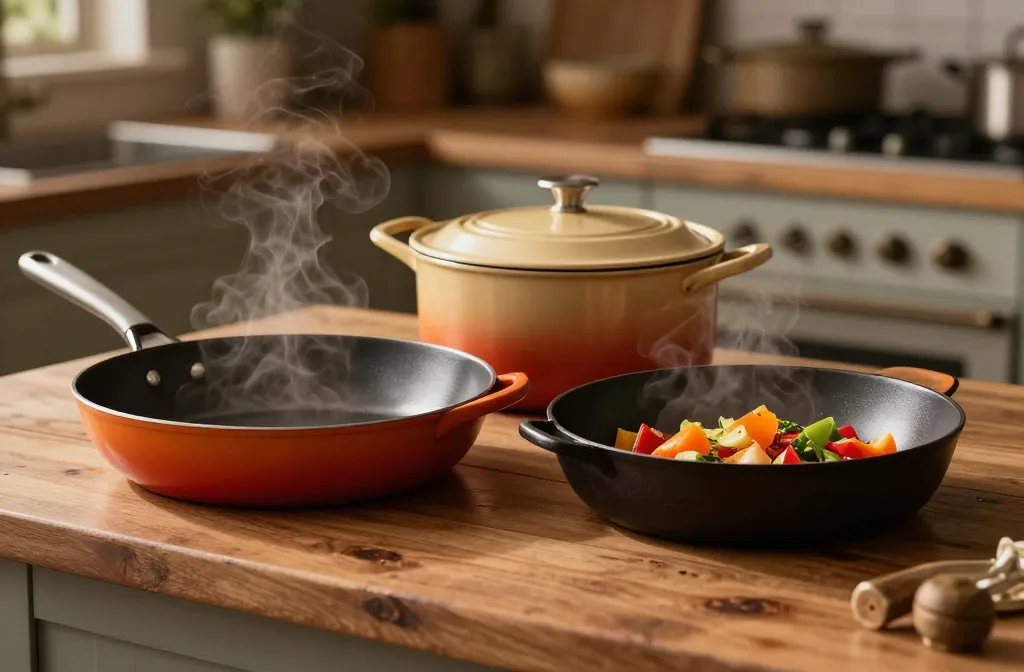
If you’re scrambling weeknights and want a dinner that actually tastes like you didn’t just survive on crackers, one-pot meals are your new best friend. They save time, washload, and mental energy. Plus, you get to pretend you’re a fancy chef who only dirty one pan. FYI, it’s not magic—it’s smart pan choice and smart technique.
What makes a pan the “best” for one-pot meals?
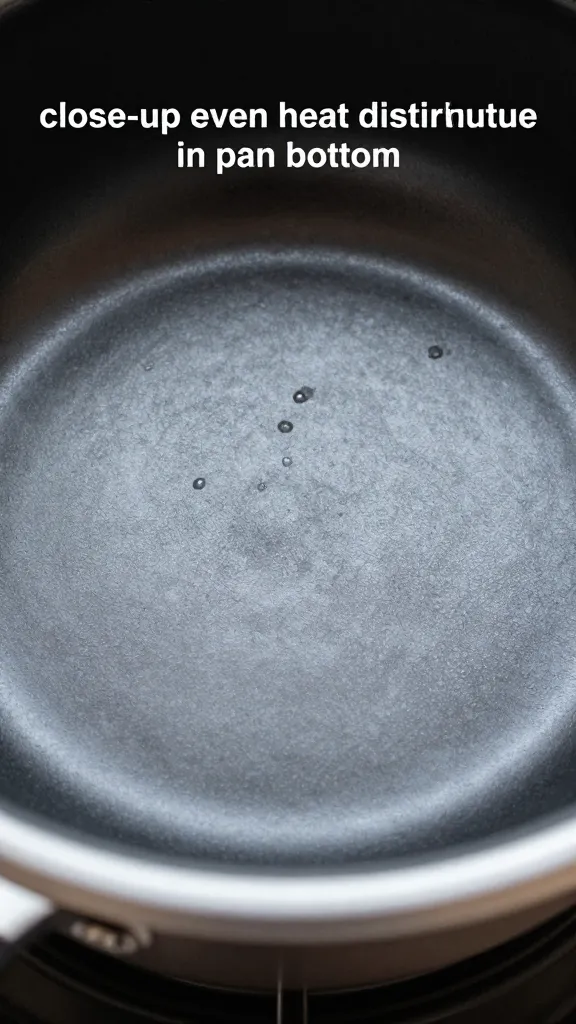
One-pot magic hinges on heat distribution, seasoning, and, yes, size. You want something that can sear, simmer, and braise without shouting at you for quiet minutes. A good one-pot partner should be versatile enough to handle a quick sauté and a slow simmer. It should also be forgiving if you forget a splash of liquid or misjudge your flame. Think: you don’t need a kitchen full of specialized equipment, just one sturdy vessel that can do it all.
Skillet vs. Dutch Oven vs. Saute Pan: pick your champion
Skillet (fry pan): the quick, high-heat rebel
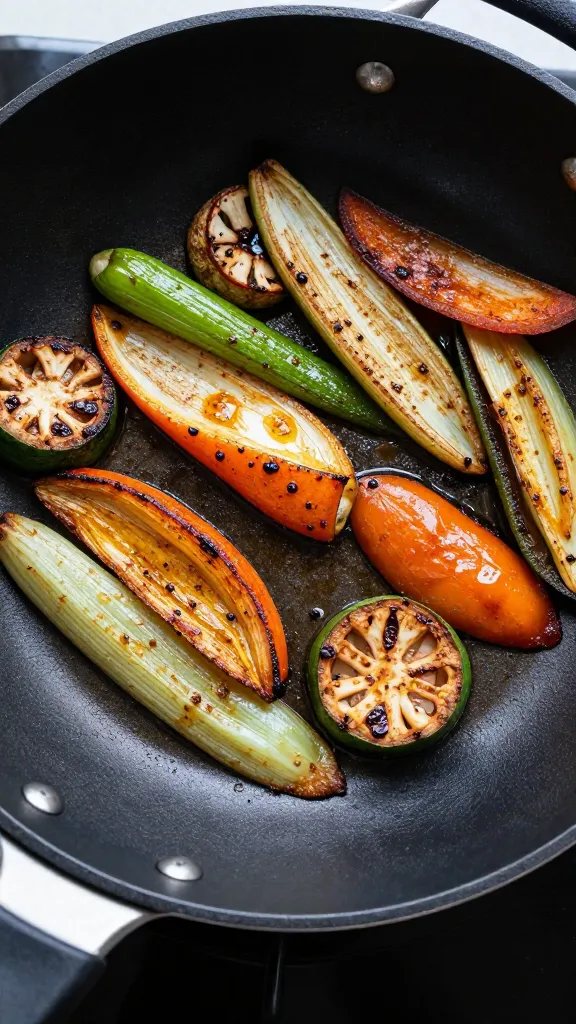
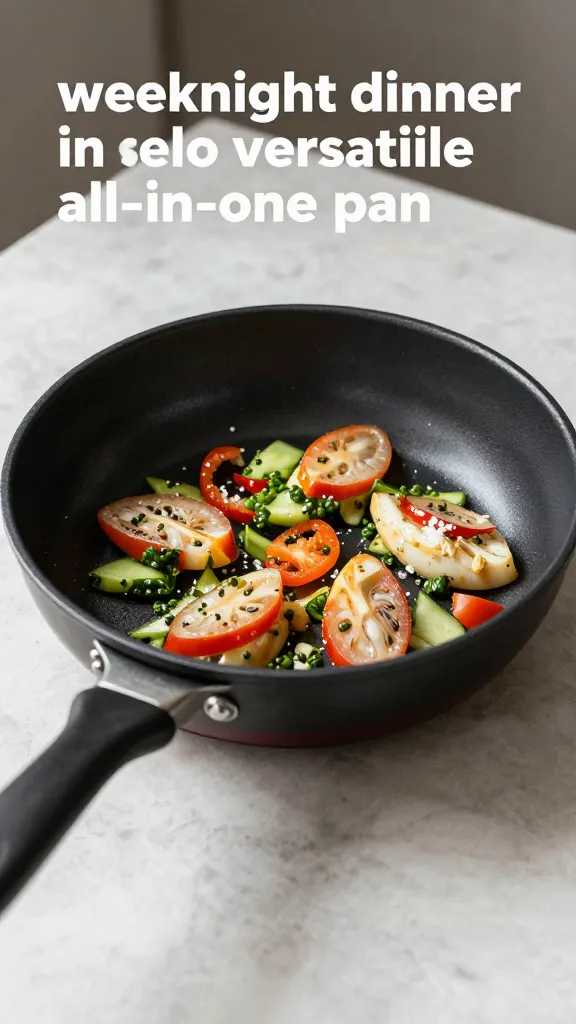
If you’re making weeknight one-pot wonders like shakshuka, fajita bowls, or a smoky skillet chicken with veggies, a deep skillet does the job. It heats fast, sears nicely, and you can finish with a sauce right in the same pan. Pro tip: choose at least 12 inches so you don’t crowd the food.
Dutch oven: the all-in-one slow hug
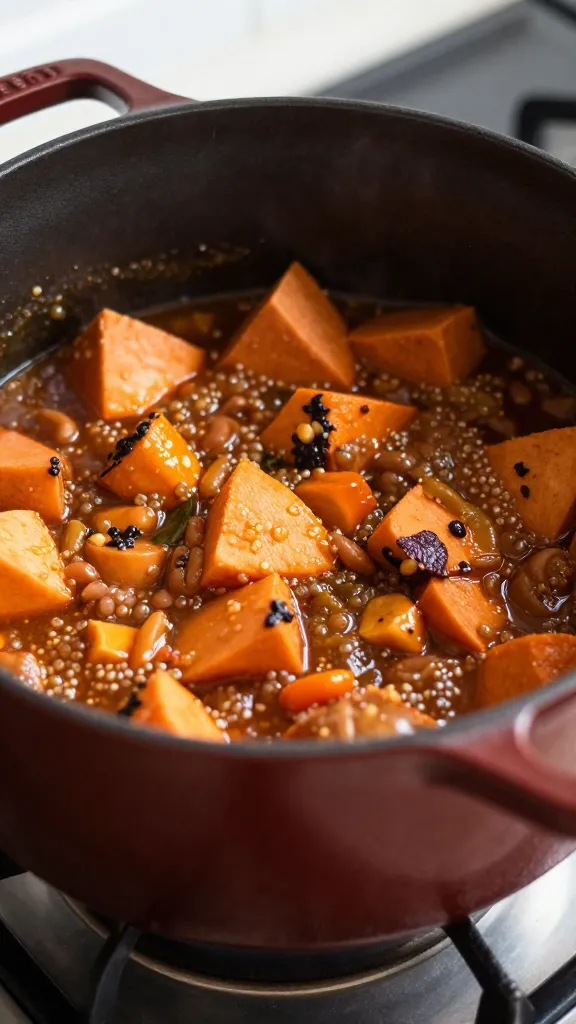
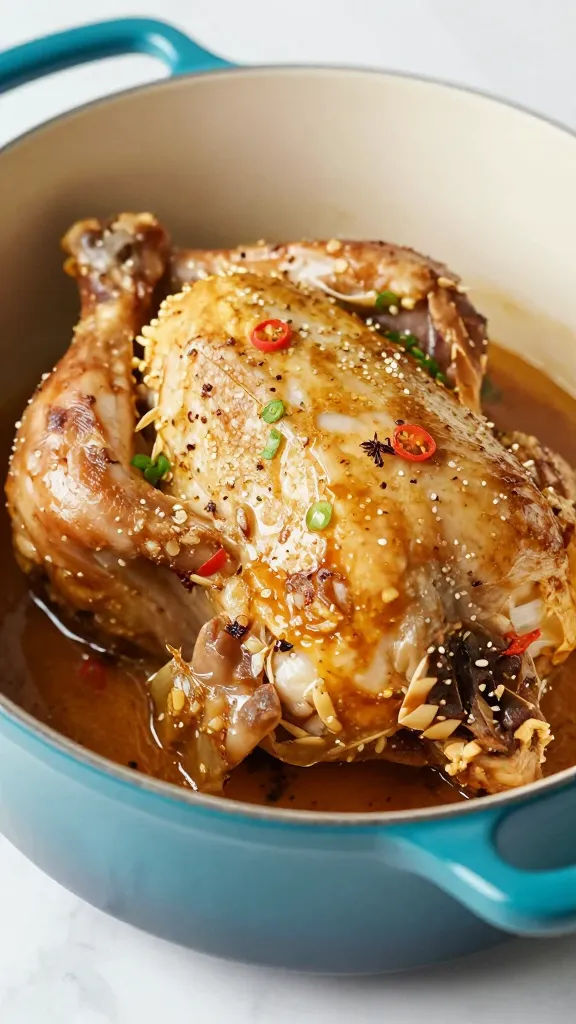
For braises, stews, or anything that benefits from even heat and a snug lid, the Dutch oven is your bestie. Cast iron versions hold heat like a champ and get better with use. Enameled versions prevent sticking and are easier to clean. If you crave “set it and forget it” comfort, this is your go-to.
Saute pan with a lid: the balance kid
A wide, straight-sided sauté with a lid bridges the skillet and Dutch oven worlds. It’s perfect for one-pot curries, paellas, or creamy pasta sauces where you want a lot of surface area but still want simmering with a lid on top. Pick one with a sturdy handle and a heavy bottom.
Materials and why they matter
Cast iron is legendary for heat retention. It’s not the fastest to heat, but once hot, it holds steady. Great for searing, then finishing a braise in the same pot. Season it properly, or your food might taste like soap—totally not ideal.
Enameled cast iron combines cast iron’s heat with easier cleaning. No seasoning drama, just durable cooking.
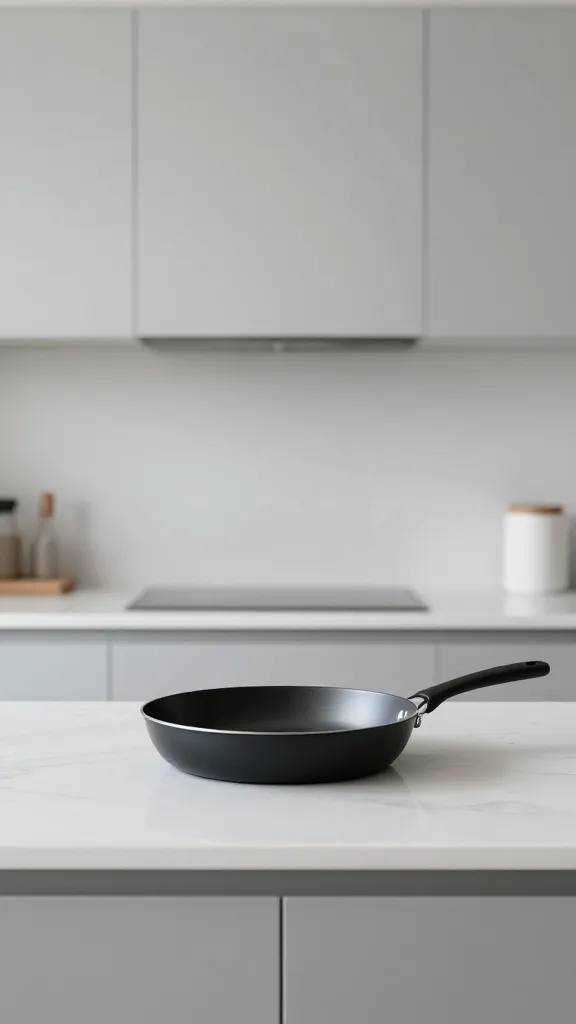
Aluminum with a nonstick or ceramic coating heats quickly and is easy to move through stages of cooking. Be mindful of metal utensils, though—scratches aren’t cute.
Stainless steel with a copper or aluminum core gives you even heating, but it can be a bit fussy with sticking if you don’t compensate with enough fat and proper preheating.
Bottom line: if you want one pan that can handle everything, think enamelled cast iron for the hero or a solid stainless steel with a good core for versatility. IMO, you’ll thank me later.
Size matters: choosing the right capacity for one-pot meals
Small (3-4 quarts)
Great for two-person meals, quick sauces, and single-pan breakfasts. It’s nimble, heats fast, and cleans up easy. If you’re cooking a family dinner, you’ll want to scale up next time.
Medium (5-7 quarts)
This is the sweet spot for most weeknights. You can brown proteins, sauté vegetables, and simmer a sauce or a small batch of stew without overflowing. You’ll feel like you finally found “the one.”
Large (8+ quarts)
Perfect for big batches, soups, or if you love leftovers. It’s forgiving and versatile, but it takes longer to heat and is heavier to manage. If you’ve got a heavy pot, you’ll want a strong lid and a sturdy handle.
One-pot formulas that work in a single pan
Want reliable weeknight wins? Start with a simple framework and personalize it. The trick is layering flavors, controlling heat, and watching liquid levels.
Protein + veg + liquid
Brown the protein in a little fat to build flavor.
Remove it, sauté aromatics, add veg, deglaze with a splash of liquid.
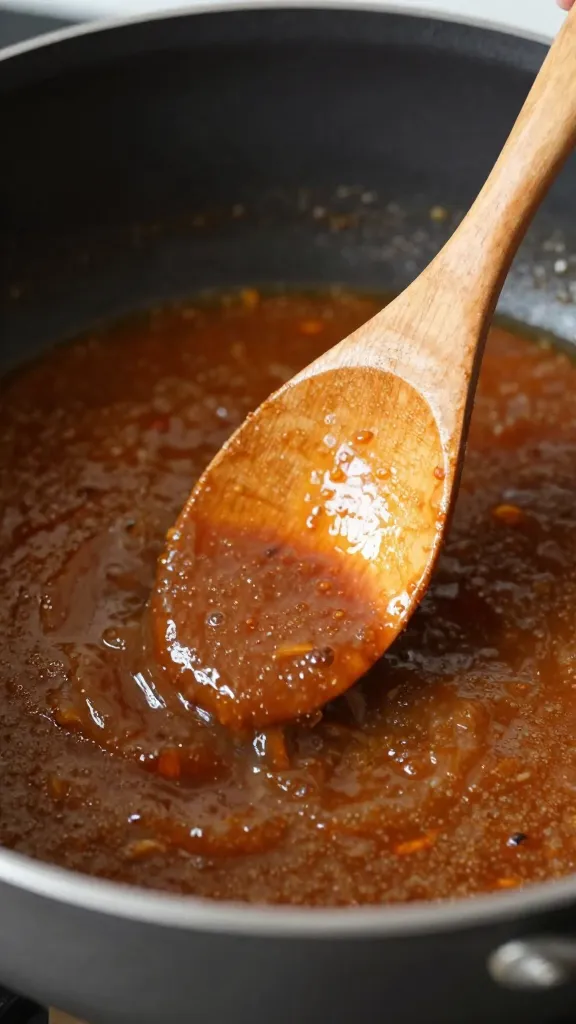
Return protein, add more liquid (broth, crushed tomatoes, coconut milk), simmer until done.
Finish with acidity or brightness (lemon juice, vinegar, or herbs) and a quick chop of greens or fresh herbs.
One-pan pasta formula
Sauté aromatics and proteins, add dry pasta, and cover with enough liquid to just cover the pasta.
Simmer until pasta is al dente and liquid has reduced into a silky sauce. Stir often to prevent sticking.
Finish with cheese, greens, or a drizzle of olive oil. Boom, one-pot magic.
Pro tips for best results in one-pot meals
Temperature tricks
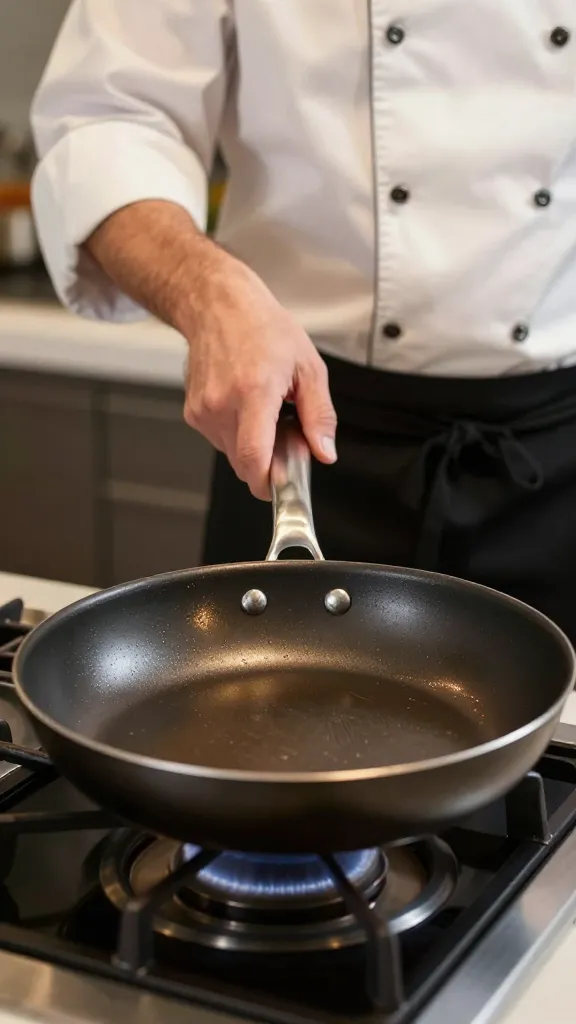
Always preheat the pan a little before adding oil. It prevents sticking and gives you a nice sear.
Keep the lid off when browning, then seal it for simmering to lock in moisture.
Layering flavors
Brown protein first for depth, then deglaze with wine or stock to lift the fond.
Use aromatics (garlic, onions, peppers) after the fat is hot; they’ll release flavor without burning.
Liquid management
Start with enough liquid to cover the bottom and then watch as it reduces. Add more if you’re making a stew.
Finish with a splash of acid to brighten everything up. FYI, acids wake up flavors and keep things lively.
Common mistakes (and how to avoid them)
Overcrowding the pan leads to steaming instead of searing. Give things room, or sauté in batches.
Not timing additions correctly—staples like potatoes need longer cooking than leafy greens. Add them at different stages.
Using too little fat causes sticking and dull flavors. A thin coat of oil or butter makes a big difference.
Variations you can try next
Moroccan-inspired chickpea and chicken tagine in a Dutch oven with preserved lemon.
Creamy lemon garlic shrimp with linguine, all in one wide skillet.
Smoky sausage and lentil stew in a heavy pot with a lid on a gentle simmer.
Ingredient swaps
Swap proteins: chicken thighs for faster-cooking breasts, or go veggie with chickpeas or curated mushrooms.
Swap liquids: use coconut milk or tomato passata for a different base; both bring instant personality.
Swap starch: if you’re using pasta, switch to broken lasagna sheets or orzo for a different texture.
Comparison blocks: which pan for which job
Cast iron vs enamel vs stainless
<strongCast iron = best heat retention, perfect for searing, braising, and finishing in the oven. Heavy as a rock, but sturdy as all heck.
Enameled cast iron = same magic, cleaner, no seasoning drama. Great if you hate oil smugglers on your cookware.
Stainless with core = superb even heating, easy to deglaze, and lighter. A little more hands-on with sauce management.
Nonstick vs bare metal
<strongNonstick = smooth as butter for eggs, fish, and delicate sauces. Don’t use metal utensils—trust me on this.
Bare metal = better for browning and deglazing. You’ll develop flavor in fond, which is chef-speak for delicious caramelized bits.
FAQ
Q: Can I use any pot for one-pot meals? A: You can, but some pots handle high heat and long simmering better than others. Aim for something with a heavy bottom and a snug lid for best results.
Q: Do I need oil or fat? A: Yes. A small amount of oil helps with browning and prevents sticking. If you’re going lean, you can use the pan fats released from the protein.
Q: How do I clean and maintain a cast iron or enamel pot? A: Rinse with warm water, scrub gently, dry thoroughly, and lightly oil if it’s bare cast iron. Enamel requires gentler care—avoid harsh abrasives and overnight soaking.
Tips for best results, quick and simple
Always preheat the pan on medium-high before adding ingredients.
Brown in batches to avoid steaming and to lock in flavors.
Use a lid for simmering to trap moisture and create a nice sauce.
Add sections like: Pro tips, Common mistakes, Variations, Comparison blocks, FAQ
We’ve done those. But one more quick reality check: the best pan isn’t magic—it’s a good fit for your cooking rhythm. If you cook solo most evenings, a mid-sized enamel cast iron pot might be your forever partner. If you love quick weeknight sauces, a wide stainless skillet might be your everyday hero, and you can keep a lighter nonstick pan for delicate sauces or eggs.
Conclusion
One-pot meals don’t have to be boring or chaotic. Pick a pan that fits your kitchen, learn a couple of trusty techniques, and you’ll turn weeknights into something you actually want to cook. Start with a mid-size, versatile pot, experiment with proteins and veggies, and you’ll collect a handful of go-to recipes you’ll return to again and again. IMO, you’ll wonder how you ever lived without this setup. FYI, your clean sink will thank you too.
Disclosure: This post may contain affiliate links.
If you make a purchase through these links, I may earn
a small commission at no extra cost to you.
prab chahal
Hi, I’m Prabjot Chahal – the heart (and taste buds) behind this blog!
Food has always been my love language – from experimenting with family recipes to discovering unique flavors from around the world. I believe that cooking isn’t just about following a recipe, it’s about creating moments, sharing stories, and connecting with others over something delicious. Through this blog, I want to build a vibrant food community where we share more than just recipes – we share inspiration, tips, and the joy of making and enjoying good food together. Whether you’re here for quick weekday dinners, festive treats, or creative seasonal ideas, you’re part of this table. So grab a fork (or a whisk!) and let’s cook, bake, and share our love for food – one recipe at a time.