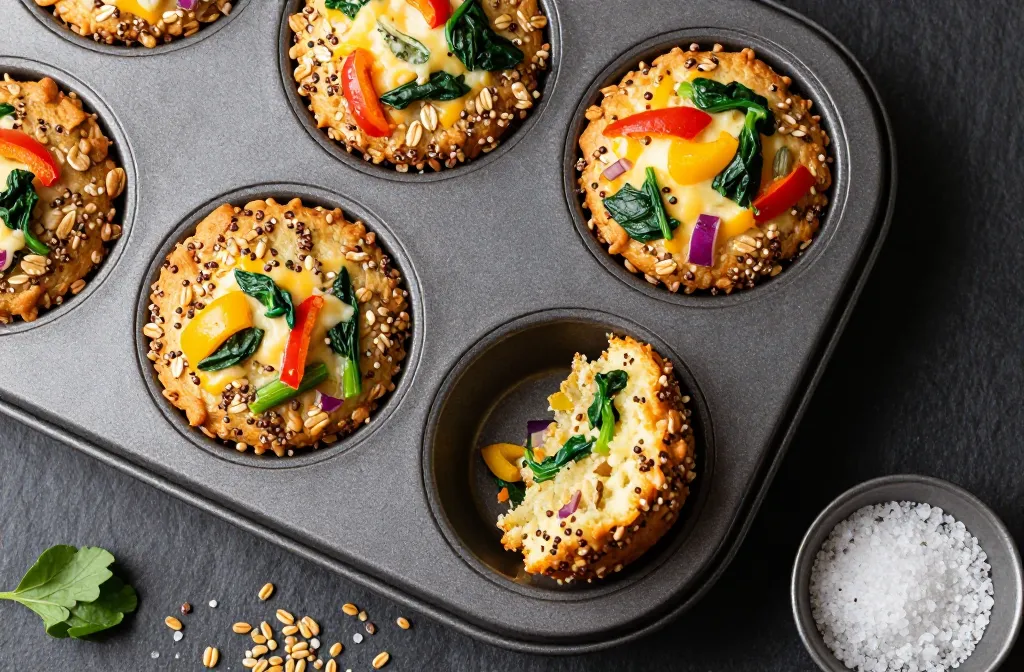
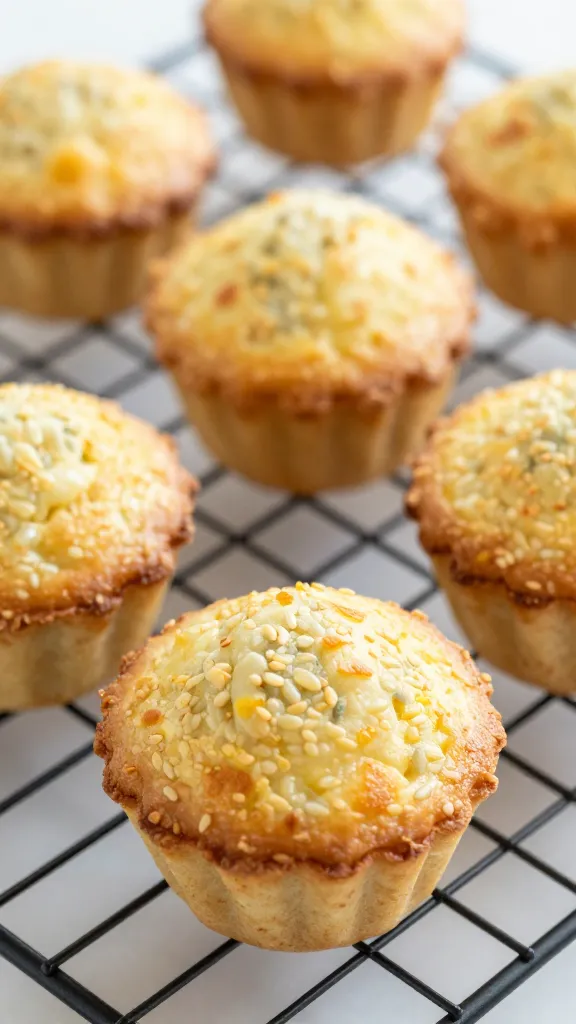
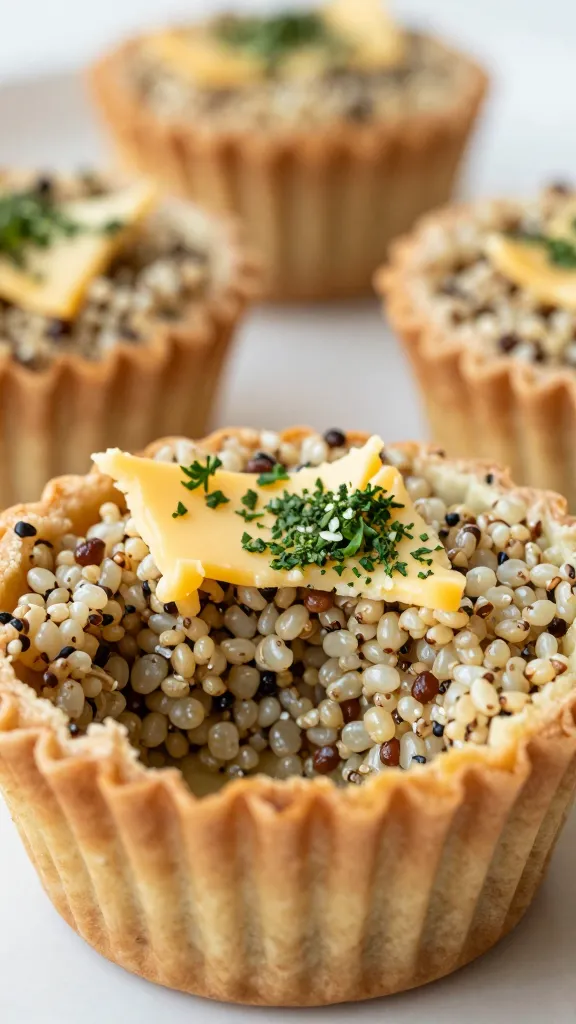
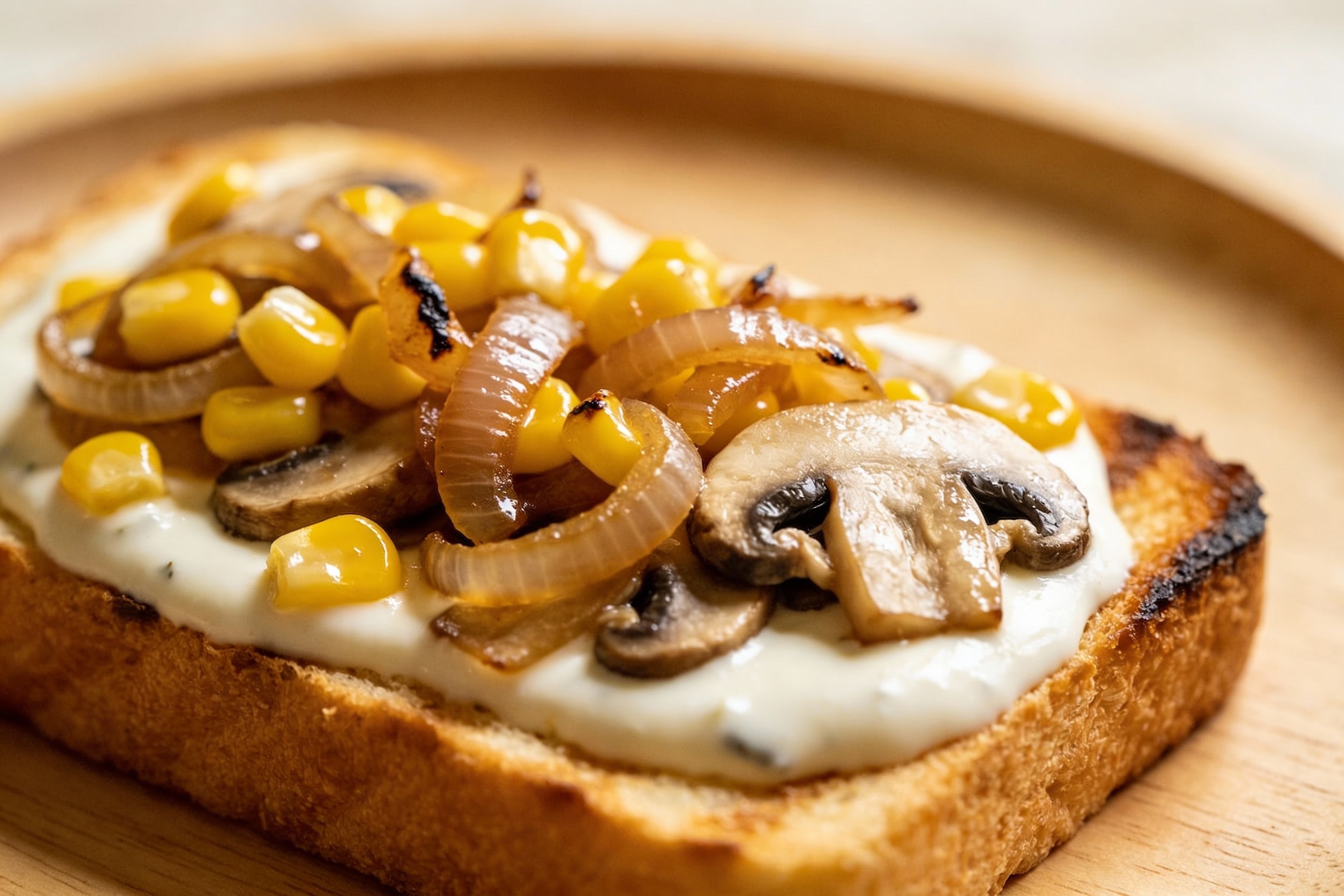
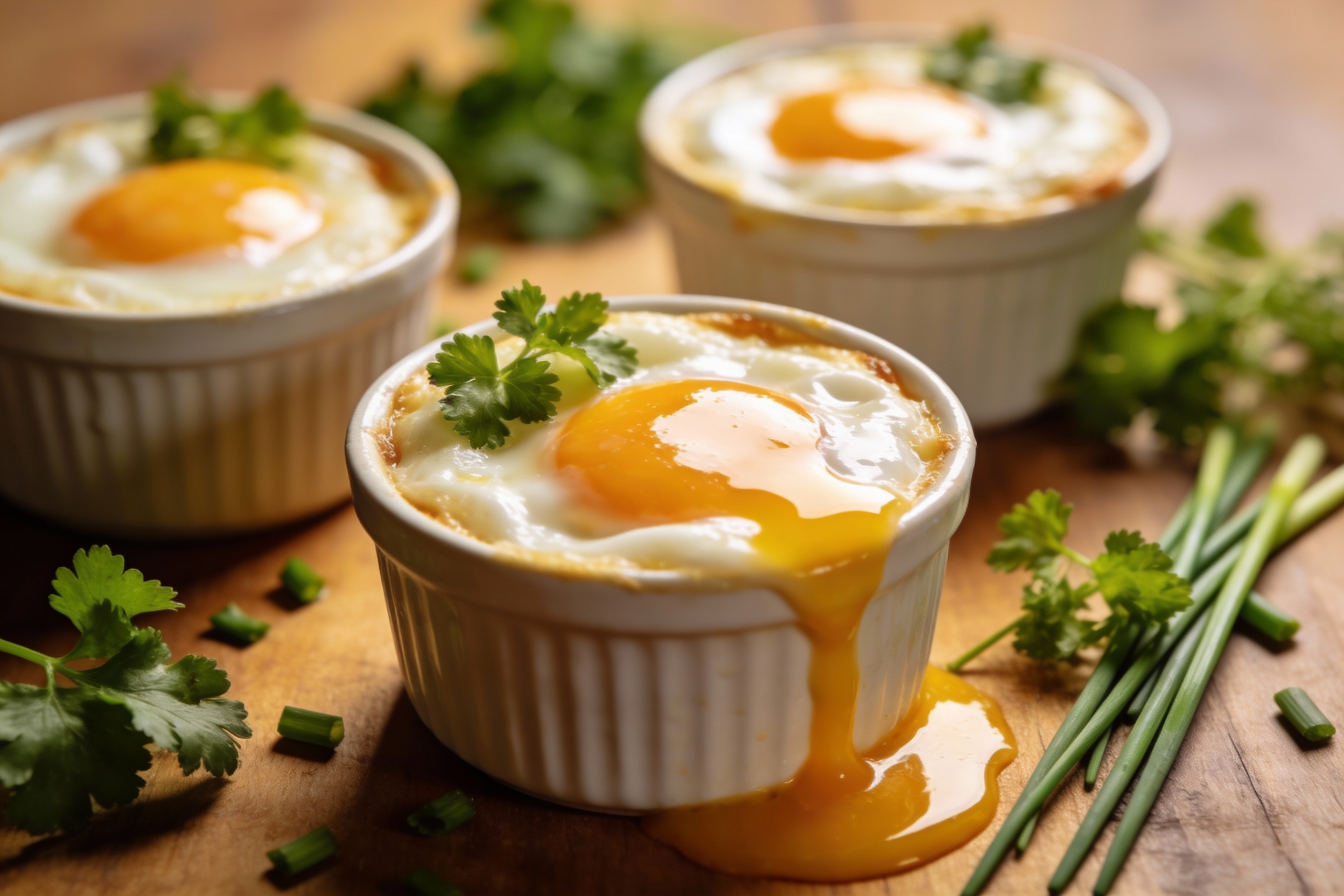
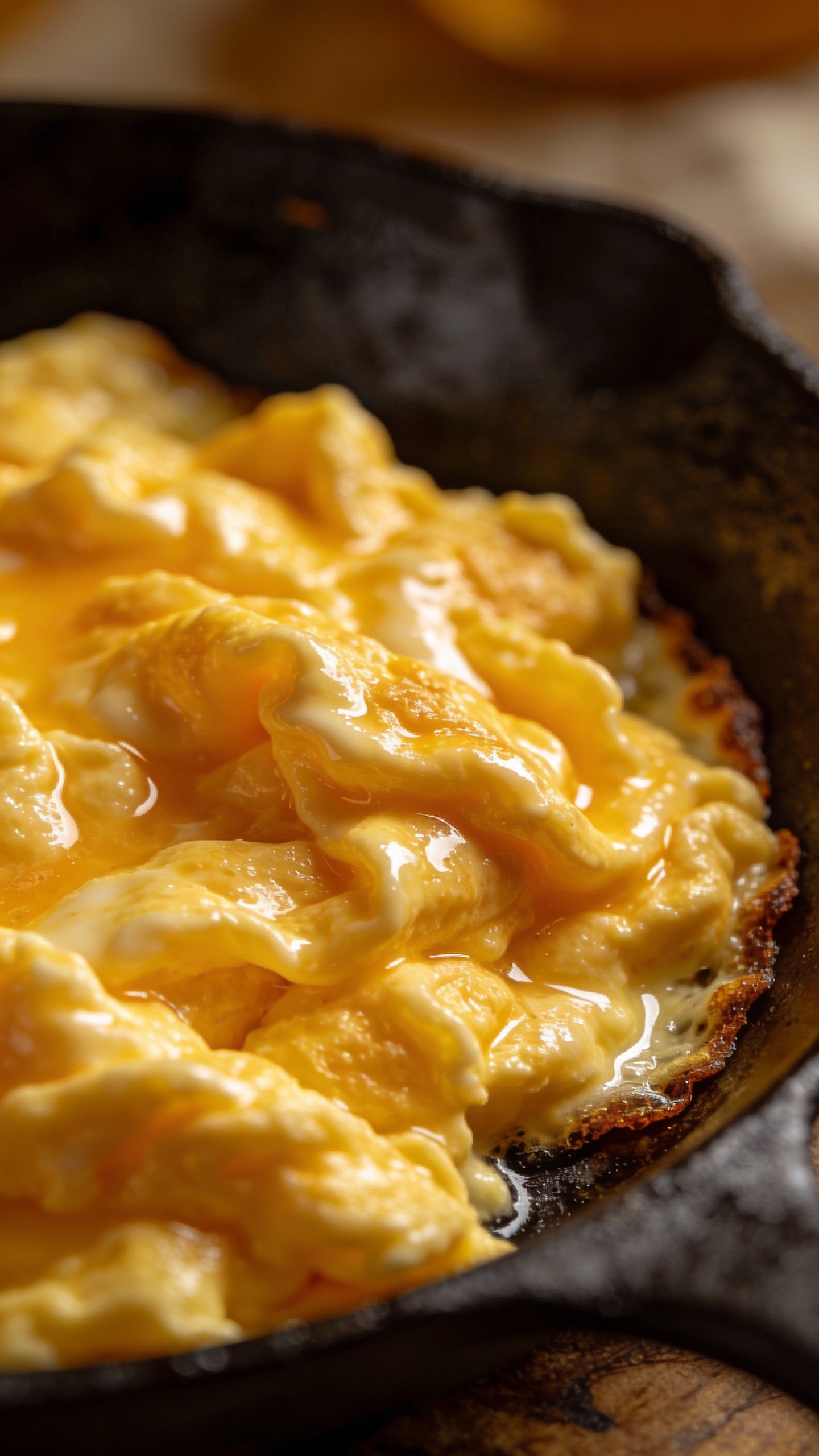
You want breakfast that doesn’t quit by 10 a.m.? Multi-grain egg muffins deliver. They’re portable, customizable, and packed with texture—crispy edges, fluffy middle, and hearty grains that keep you full. Make a batch once, eat well all week, and laugh at sad desk breakfasts. Let’s build a better muffin, shall we?
Why Multi-Grain Beats Plain Egg Cups
Multi-grain means more fiber, more chew, and actual satisfaction. You get a mix of oats, quinoa, millet, or even buckwheat that turns a simple egg bite into a legit meal. And grains help the muffins hold their shape, so you don’t end up with a rubbery shrug of an egg cup. Bonus: Grains soak up flavors from veggies, cheese, and herbs. That means every bite tastes like you tried—without you actually trying that hard. FYI: this is your permission slip to raid your pantry.
The Core Formula (And How To Make It Yours)
Think of multi-grain egg muffins like a blueprint. You don’t need perfection—you need balance. Here’s the simple structure that works every time.
Egg base: 8–10 large eggs, whisked
Cooked grains: 1 to 1 1/2 cups (quinoa, farro, brown rice, millet, oats—mix and match)
Veggies: about 2 cups chopped, sautéed to remove moisture
Cheese: 1/2 to 3/4 cup shredded or crumbled (optional but recommended, IMO)
Flavor: 1–2 tsp kosher salt, black pepper, herbs/spices
Moisture helpers: 1/4 cup milk or plain yogurt, plus 1–2 tbsp olive oil or melted butter
Quick Method
Preheat oven to 350°F (175°C). Grease a 12-cup muffin tin well or use silicone liners.
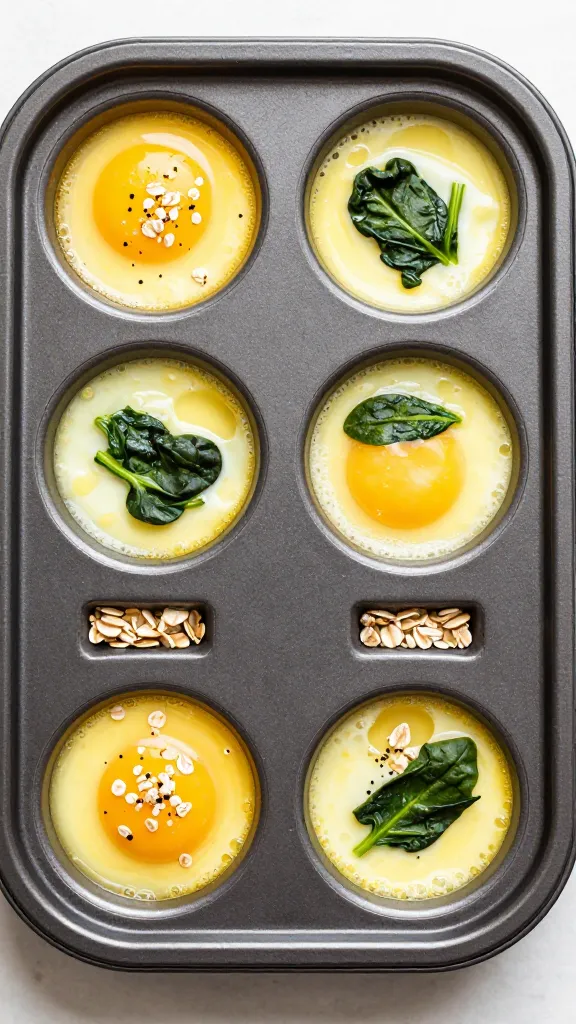
Whisk eggs with milk/yogurt, salt, and pepper. Stir in grains, veggies, cheese, and oil/butter.
Fill cups almost to the top. Bake 18–22 minutes until set and lightly golden at the edges.
Cool 5 minutes, loosen with a knife, then pop out. Try not to eat three immediately. Or do.
Tips for Best Results
Sauté watery veggies like mushrooms, spinach, and zucchini first so your muffins don’t weep.
Use fully cooked grains. Al dente is fine; mushy is not.
Season boldly. Grains are sponges—add herbs, chili flakes, or a pinch of smoked paprika.
Grease corners. Egg loves to stick in the creases. Spray thoroughly or go silicone.
Choosing Your Grains (Texture Matters)
Your grains decide the vibe: fluffy vs. hearty, nutty vs. neutral. Mix two for best texture—one light, one chewy.
Quinoa: Light, slightly nutty, high protein. Rinse before cooking.
Farro: Chewy, rich, deeply satisfying. Great with Italian-ish flavors.
Rolled oats: Soft, cozy texture. Stir in dry if using a very wet mix; otherwise, use cooked oats.
Brown rice: Neutral and sturdy. This is your “I have leftovers” hero.
Millet: Tiny pearls with a gentle bite. Plays well with herbs and feta.
Buckwheat (kasha): Earthy and bold—awesome with caramelized onions.
Ingredient Swaps
Dairy-free: Use unsweetened plant milk and skip cheese or sub vegan cheese.
Green Machine: Quinoa + kale + broccoli + pesto swirl + Parmesan
Spice Add-Ons
Heat: Red pepper flakes, chipotle powder, or a dash of hot sauce in the egg mix
Warmth: Smoked paprika, cumin, or coriander
Herbal: Dill, basil, chives, parsley—fresh if you’ve got them
Texture and Structure: Avoiding Soggy or Rubbery
Let’s fix the two biggest fails: soggy bottoms and bouncy rubber pucks. Both have easy solutions.
Soggy? You used wet veggies or undercooked grains. Sauté veggies until dry and fluffy, and drain beans.
Rubbery? You overbaked. Pull at the first sign of set centers and golden edges.
Egg overflow? You filled too high or your mix expanded. Leave a tiny headspace—like 1/8 inch.
Bland? Add more salt, acid (lemon zest or a splash of vinegar), or sharper cheese.
Pro Move: Layering
Add a teaspoon of grains to the bottom of each cup, then veggies, then pour eggs. Finish with cheese on top. This stacks flavors, reduces sog, and gives you that photogenic golden cap. Internet points unlocked, IMO.
Make-Ahead, Storage, and Reheat
Batch cooking is the whole point. Don’t let your future self down.
Fridge: Store in an airtight container for up to 4 days. Cool fully before sealing.
Freezer: Wrap muffins individually, then stash in a freezer bag for up to 2 months.
Reheat: Microwave 30–45 seconds from fridge or 60–75 seconds from frozen. Or use a toaster oven at 325°F for 8–10 minutes for crispy edges.
Refresh: Add a dab of pesto, hot sauce, or Greek yogurt after reheating to wake flavors up.
Mini vs. Jumbo
Mini muffins: Great for snacks and kids. Bake 10–12 minutes.
Jumbo muffins: Meal-size. Bake 22–26 minutes and check often.
Nutrition Notes (Without the Lecture)
You get protein from eggs and grains, plus fiber that keeps you full. Add veggies for vitamins and color therapy. Cheese brings calcium and joy. Want to go lighter? Use extra whites or egg substitute for half the eggs. Want to go hearty? Add crumbled sausage or beans. Balance, not perfection.
Serving Ideas
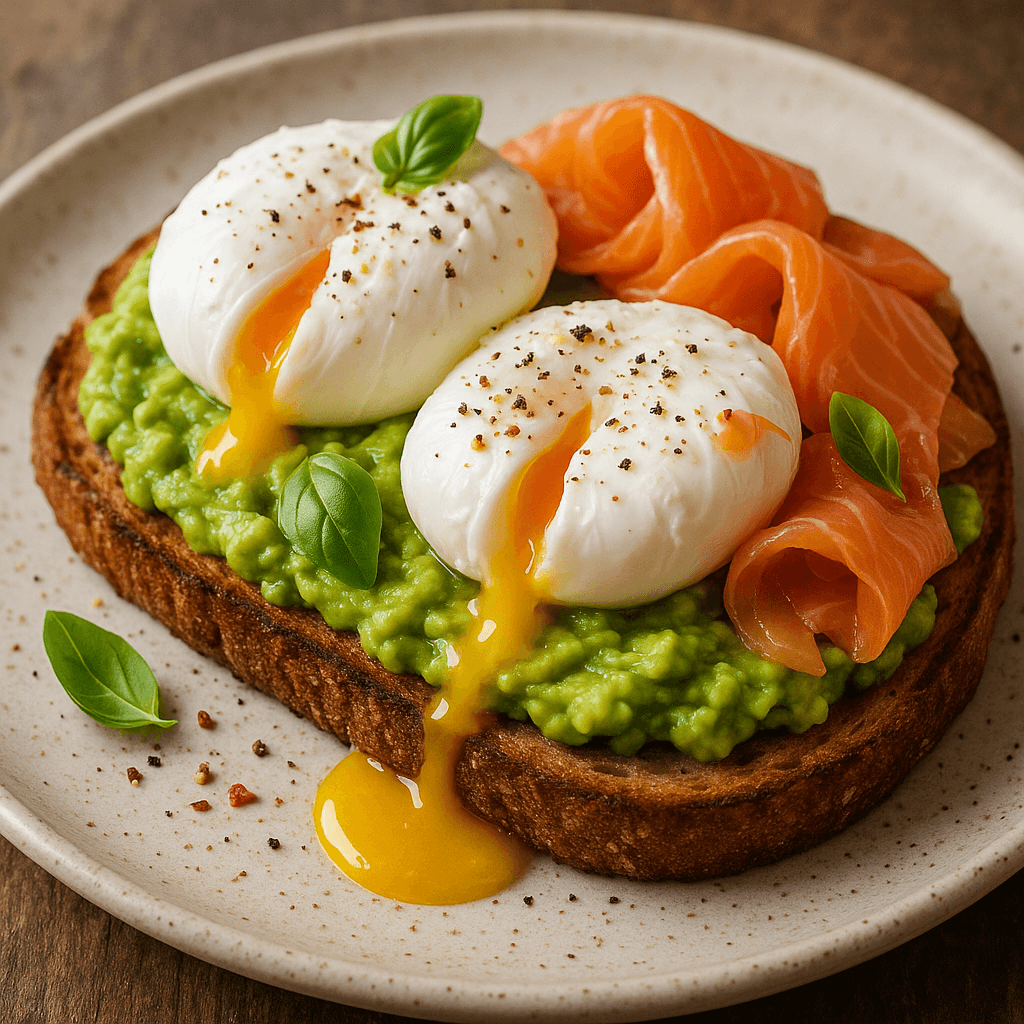
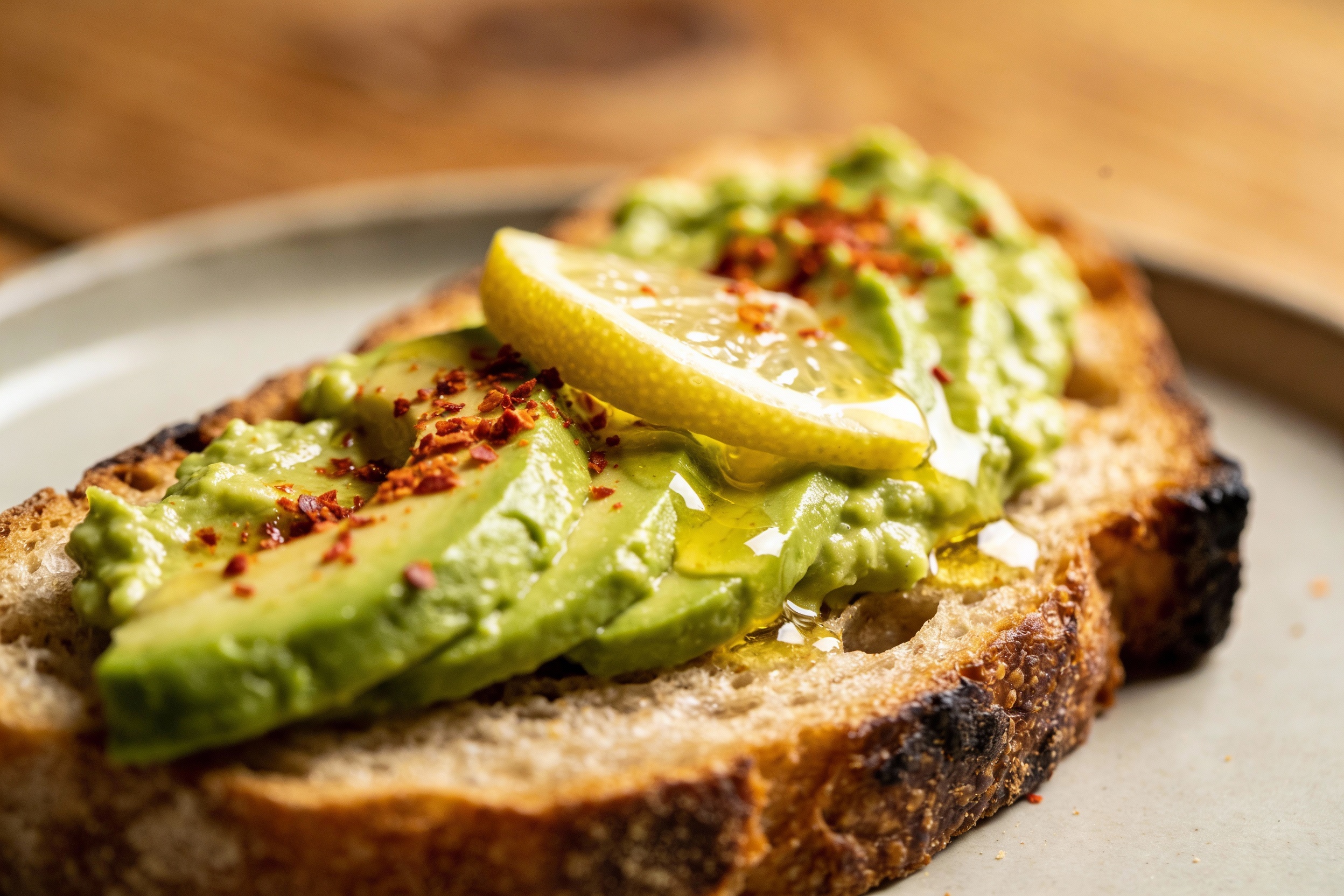
Breakfast plate: Two muffins + avocado + a little fruit
Desk lunch: Muffins over arugula with lemon and olive oil
Snack attack: One muffin + hummus or salsa
Brunch board: Assorted muffins, pickles, hot sauces, and cut veggies
FAQ
Can I use uncooked oats or grains directly in the batter?
You can use a small amount of rolled oats dry (think 1/2 cup) if your mix looks wet—they’ll hydrate in the oven. But for most grains, cook them first. Uncooked grains won’t soften enough during baking and will mess with texture.
Grease like you mean it, especially the rims. Nonstick spray works, but silicone liners are the ultimate insurance. Let muffins cool 5 minutes, then run a thin knife around the edges before lifting.
How do I keep them fluffy instead of dense?
Don’t overload with grains or veggies. Aim for a batter that still looks pourable. A splash of milk or yogurt also helps keep the texture soft and custardy without getting watery.
What’s the best cheese to use?
Sharp cheddar for punch, Gruyère for melt and luxury, feta for salty tang. Parmesan gives amazing tops but doesn’t melt much—use it as a finisher. Mix two if you’re feeling fancy.
Can I make them egg-free?
You can experiment with a chickpea flour batter (socca-style) or a commercial egg replacer plus extra moisture. Texture won’t match eggs exactly, but with bold seasoning and good grains, they still slap.
Do these work for kids or picky eaters?
Yes—go mild on spices, chop veggies tiny, and use melty cheese. Mini size helps. Also, calling them “breakfast cupcakes” works weirdly well, FYI.
Final Thoughts
Multi-grain egg muffins are essentially meal prep with a personality. They’re fast, flexible, and happy to use whatever you’ve got. Start with the core formula, pick a flavor combo, and bake once for days of smug, delicious convenience. Your future self will send a thank-you text.
Disclosure: This post may contain affiliate links.
If you make a purchase through these links, I may earn
a small commission at no extra cost to you.
prab chahal
Hi, I’m Prabjot Chahal – the heart (and taste buds) behind this blog!
Food has always been my love language – from experimenting with family recipes to discovering unique flavors from around the world. I believe that cooking isn’t just about following a recipe, it’s about creating moments, sharing stories, and connecting with others over something delicious. Through this blog, I want to build a vibrant food community where we share more than just recipes – we share inspiration, tips, and the joy of making and enjoying good food together. Whether you’re here for quick weekday dinners, festive treats, or creative seasonal ideas, you’re part of this table. So grab a fork (or a whisk!) and let’s cook, bake, and share our love for food – one recipe at a time.