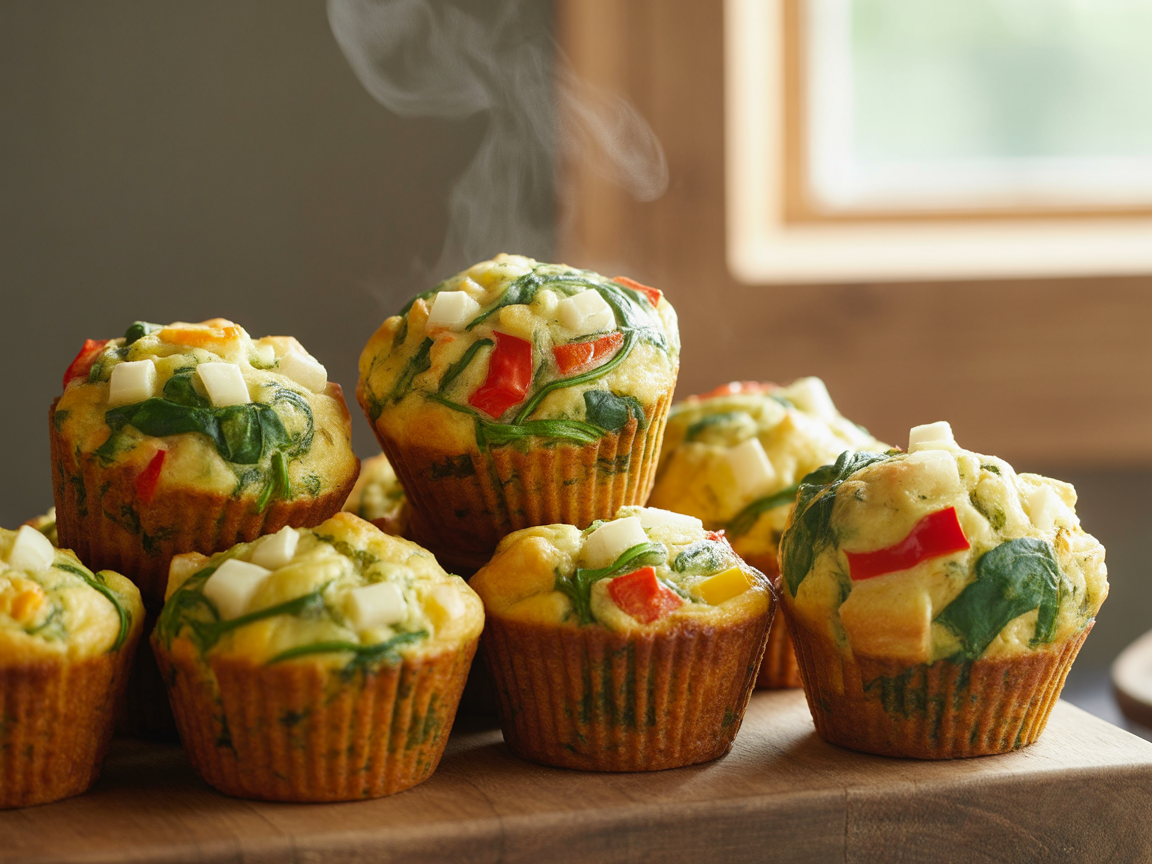
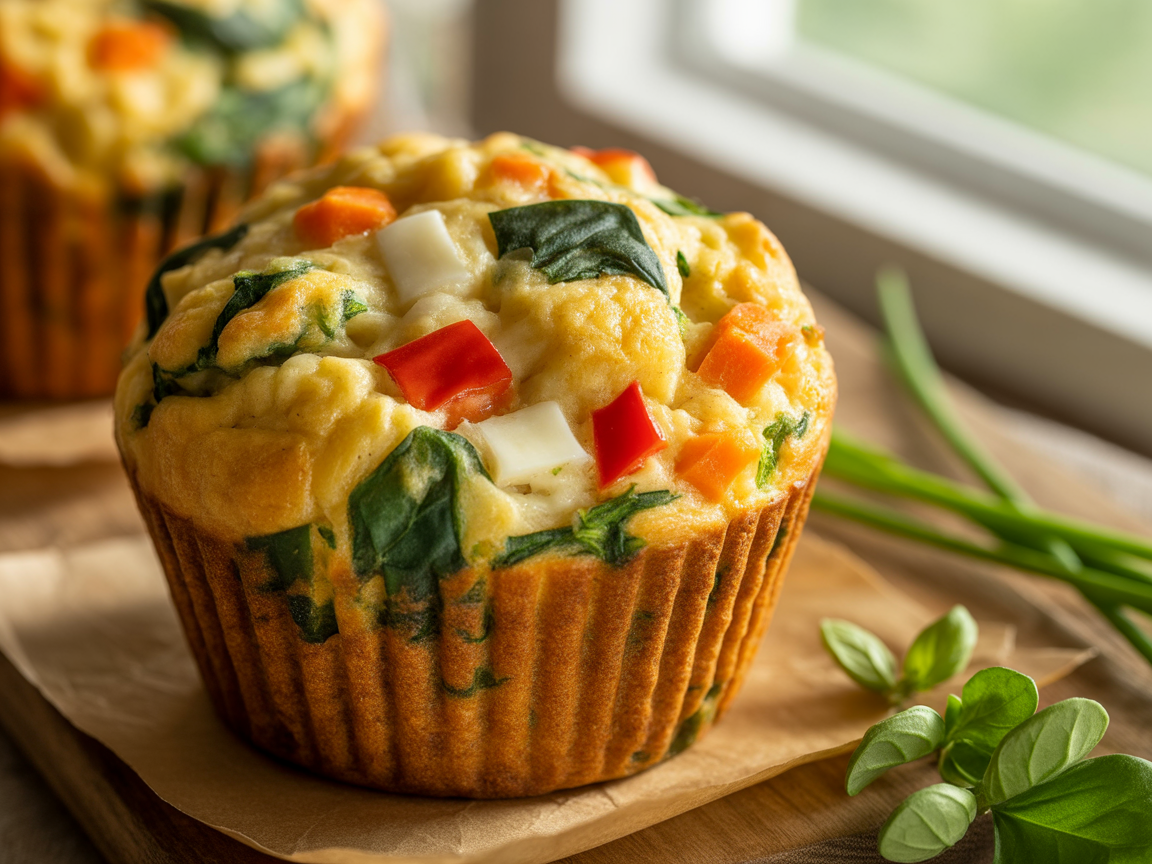
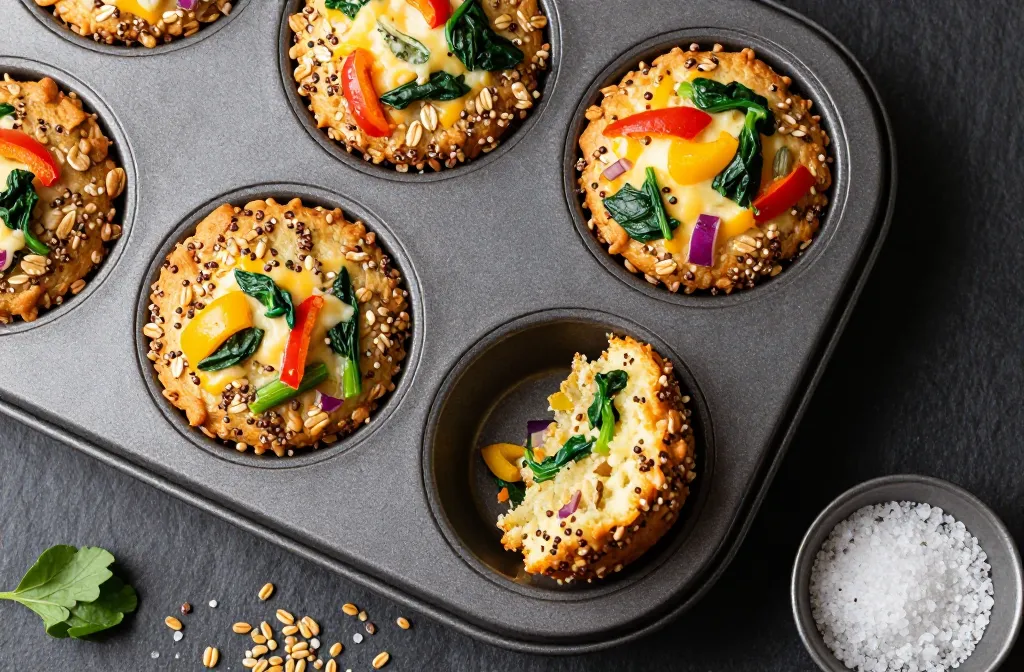
These muffins taste like a hearty breakfast in a portable package. They’re loaded with veggies, packed with protein, and ready whenever you are. Bake a batch on Sunday, and you’ll have grab-and-go breakfasts all week.
They also freeze well, reheat nicely, and play well with different diets. If you’re tired of sweet breakfasts or just want something satisfying that doesn’t require a pan at 7 a.m., these are a smart solution.
These muffins rely on a mix of eggs, cottage cheese, and a small amount of flour to create a tender, high-protein base that isn’t rubbery. The cottage cheese melts into the batter, adding moisture and protein without making the muffins heavy.
Grated vegetables cook quickly and release just enough moisture to keep everything soft. A touch of baking powder gives lift, while shredded cheese and optional cooked sausage or tofu add flavor and staying power. The result is a savory, satisfying muffin that holds together, tastes great warm or cold, and reheats beautifully.
Shopping List For Muffins With Vegetables
Large eggs (6)
Cottage cheese (1 cup, small curd preferred)
Shredded cheese (1 cup; cheddar, Monterey Jack, or mozzarella)
Cooked protein (1 cup; crumbled breakfast sausage, diced ham, cooked bacon, or seasoned crumbled tofu for vegetarians)
Vegetables (about 2 cups total, finely chopped or grated): bell peppers, spinach, kale, mushrooms, zucchini, onions, or broccoli
All-purpose flour (1/2 cup) or almond flour for gluten-free
Baking powder (1 teaspoon)
Olive oil or melted butter (2 tablespoons)
Garlic (1–2 cloves, minced) or 1/2 teaspoon garlic powder
Cook moisture-heavy veggies. If using mushrooms, zucchini, or spinach, sauté them over medium heat with a little oil and a pinch of salt for 3–5 minutes to drive off moisture. Let cool slightly. Raw peppers, onions, and broccoli should be chopped very small so they soften in the oven.
Mix the dry ingredients. In a small bowl, whisk the flour, baking powder, 1/2 teaspoon salt, and a few grinds of pepper.
Whisk the wet base. In a large bowl, whisk the eggs until smooth.
Stir in the cottage cheese and olive oil or melted butter until combined.
Combine and season. Stir the dry mixture into the egg mixture until just combined. Fold in shredded cheese, cooked protein, vegetables, and garlic. Taste a small bit (if you’re comfortable) or rely on experience, then adjust seasoning.
Aim for a thick, scoopable batter.
Fill the muffin cups. Divide the batter evenly among the 12 cups, filling almost to the top. If you like, sprinkle extra cheese or chopped herbs on top.
Bake. Bake for 18–22 minutes, until the tops are set and lightly golden and a toothpick comes out with moist crumbs, not wet batter. Avoid overbaking to keep them tender.
Cool and release. Let the muffins rest in the pan for 5 minutes, then run a small knife around the edges and transfer to a rack to cool.
They’ll firm up as they cool.
Serve. Enjoy warm as is, or top with hot sauce, salsa, or a dollop of Greek yogurt.
Storage Instructions For Muffins With Vegetables
Refrigerate: Store in an airtight container for up to 4 days. Reheat in a 300°F (150°C) oven for 8–10 minutes or microwave for 20–30 seconds.
Freeze: Cool completely, then wrap each muffin tightly and place in a freezer bag. Freeze up to 3 months.
Reheat from frozen at 325°F (165°C) for 15–18 minutes or microwave in 30-second bursts until hot.
Meal prep tip: Portion two per container with a side of fruit or greens to make mornings simple.
Benefits of This Muffins With Vegetables Recipe
High protein: Eggs, cottage cheese, and added protein keep you full longer and support steady energy.
Veggie-forward: A full two cups of vegetables adds fiber, color, and micronutrients without weighing the muffins down.
Flexible: Swap proteins and veggies based on what’s in the fridge. It’s a great way to use leftovers.
Make-ahead friendly: Bake once, eat all week. They reheat well and don’t turn soggy.
Portable: Ideal for school, office, or road trips.
No utensils required.
Balanced: Protein, fat, and fiber make these more satisfying than a pastry or plain toast.
What Not to Do In Muffins With Vegetables
Don’t skip sautéing wet veggies. Mushrooms, zucchini, and spinach release water, which can make muffins soggy if not cooked first.
Don’t overmix the batter.</-strong> Stir just until combined to avoid tough muffins. Stop once the flour disappears.
Don’t overload with cheese or meat. Too many heavy add-ins can collapse the structure.
Stick close to the amounts listed.
Don’t forget seasoning. Salt, pepper, and a little garlic or spice make a big difference in savory baking.
Variations You Can Try In Muffins With Vegetables
Greek-Inspired: Spinach, sun-dried tomatoes, feta, oregano, and a pinch of red pepper flakes.
Southwest: Diced bell peppers, black beans, corn, pepper jack, cumin, and salsa on the side.
Broccoli Cheddar: Finely chopped steamed broccoli, sharp cheddar, and chives.
Mushroom and Swiss: Sautéed mushrooms, caramelized onions, Swiss cheese, and thyme.
Turkey and Kale: Cooked ground turkey with garlic, chopped kale, and smoked paprika.
Vegetarian Protein Boost: Crumbled seasoned tofu or tempeh, spinach, and mozzarella.
Gluten-Free: Use almond flour or a 1:1 gluten-free flour blend; bake time may vary slightly.
FAQ About Muffins With Vegetables
Can I make these without cottage cheese?
Yes. Use ricotta for a similar texture or plain Greek yogurt for a tangier, slightly denser result. If using yogurt, add an extra tablespoon of oil to keep them moist.
How can I make them dairy-free?
Use a dairy-free cheese alternative, swap cottage cheese for a thick dairy-free yogurt, and use oil instead of butter.
Check that your add-ins (like sausage) are dairy-free too.
Do I need the flour?
A small amount of flour helps with structure and tenderness. You can use almond flour for gluten-free, but the texture will be slightly softer. If skipping flour entirely, expect a more frittata-like muffin.
What’s the best way to prevent sticking?
Grease the muffin pan thoroughly and consider parchment liners.
Even with nonstick pans, protein-heavy muffins can adhere without enough oil.
Can I add raw bacon or sausage?
Cook all meats before adding them to the batter. This ensures food safety, better texture, and balanced seasoning.
How do I know they’re done?
The tops should look set and lightly golden. A toothpick inserted in the center should come out mostly clean with a few moist crumbs.
If it’s wet, give them a few more minutes.
Can I make mini muffins?
Yes. Use a mini muffin pan and bake 10–12 minutes, checking early. Reduce add-in pieces so they fit well in smaller cups.
How can I add more fiber?
Include more fibrous veggies like broccoli and kale, add a tablespoon of ground flaxseed or chia to the batter, or serve with a piece of fruit.
Conclusion On Muffins With Vegetables
Savory Breakfast Muffins with Vegetables and Protein are simple, flexible, and satisfying.
They’re built for busy mornings but good enough for a weekend brunch spread. Customize them with what you have, keep a batch in the freezer, and you’ll always have a nourishing breakfast within reach. One bake, many easy meals—that’s the kind of routine that sticks.
Want just the essential recipe details without scrolling through the article? Get our printable recipe card with just the ingredients and instructions.
Disclosure: This post may contain affiliate links.
If you make a purchase through these links, I may earn
a small commission at no extra cost to you.
prab chahal
Hi, I’m Prabjot Chahal – the heart (and taste buds) behind this blog!
Food has always been my love language – from experimenting with family recipes to discovering unique flavors from around the world. I believe that cooking isn’t just about following a recipe, it’s about creating moments, sharing stories, and connecting with others over something delicious. Through this blog, I want to build a vibrant food community where we share more than just recipes – we share inspiration, tips, and the joy of making and enjoying good food together. Whether you’re here for quick weekday dinners, festive treats, or creative seasonal ideas, you’re part of this table. So grab a fork (or a whisk!) and let’s cook, bake, and share our love for food – one recipe at a time.