Gluten free choux pastry isn’t just possible—it’s downright transformative. You can get cloud-light eclairs, hollow gougères, and perfect cream puffs without a speck of gluten. Sound like magic? It’s not magic, it’s science and a dash of patience. Let’s dive in and debunk the gluten-free pie-in-the-sky myth together.
What gluten-free choux pastry actually is
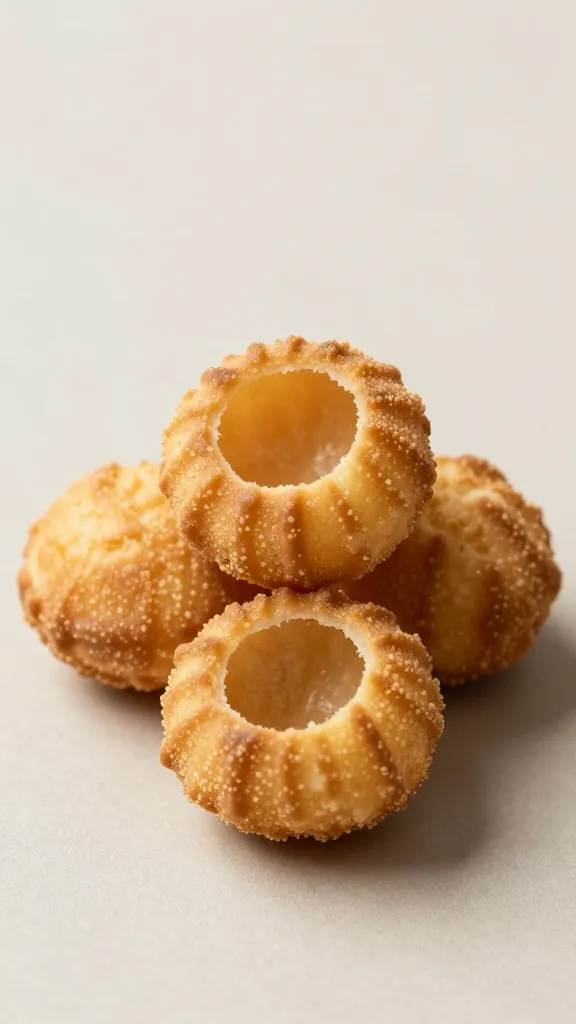
Choux pastry, or pâte à chou, is all about steam and starch, not gluten. In gluten-free versions, you swap in alternative flours and tweak the method so the dough still puffs up beautifully. The goal is a crisp shell with a hollow interior that’s perfect for filling. FYI, the texture you’re chasing is light, not dense—like a little edible pillow.
Key ingredients that make or break it
– Rice flour, tapioca, and potato starch form the base. Rice gives structure, tapioca helps elasticity, and potato starch contributes that tender bite. – Eggs are your best friend here. They emulsify and trap steam, lifting the dough as it bakes. – Butter or oil for richness and tenderness. – Water incredibly important for the steam factor. Don’t skip it. – Optional alpha-linolenic hero: xanthan gum or psyllium husk can help mimic gluten’s stretch, especially if you’re shy about crumb stability. – A pinch of salt for balance and that classic choux flavor.
Method that actually works (step-by-step)
1. Preheat to a hot, steady temperature. You want that initial blast of heat to puff the dough. 2. Make a thick paste with oil/butter, water, and salt. Bring to a boil so the starches bloom. 3. Add your gluten-free flour blend in waves, stirring like your life depends on it. You’re looking for a glossy, cohesive lump. 4. Remove from heat and whisk in eggs one by one. Yes, one by one. The mixture should loosen but still hold shape. It should pipe, not slide. 5. Pipe onto a tray, leaving space to puff. Bake at high heat first, then drop to moderate to finish cooking through. 6. Let them cool fully before filling. A crispy shell plus creamy center is the dream.
Tips for best results
Pro tips
– Whisk eggs in gradually: add a little at a time and let the dough absorb before the next addition. It prevents a split, gloppy mess. – Steady piping: keep the tip close to the tray and apply even pressure. Uneven dabs collapse in the oven. – Steam is your ally: bake at a high initial temperature to create that dramatic puff, then finish at a gentler heat to dry out the centers. – Dry filling is sweeter than wet. Puncture gently and pipe or spoon in chilled pastry cream for the best texture.
Ingredient swaps
– If you’re grain-averse, try a blend like tapioca flour + rice flour + potato starch in a 1:1:1 ratio. – For richer flavor, substitute half the water with skim milk or unsweetened almond milk. – Want extra stability? A pinch of xanthan gum (about 1/8 teaspoon per cup of flour) helps with elasticity.
Common mistakes
– Not drying the dough enough after mixing. If you see a lot of moisture, you’ll struggle to puff. – Adding eggs too fast. It’s a stage process, not a sprint. – Opening the oven too early. Lightning-fast collapse is real when the door opens mid-puff. – Overfilling the piping bag. Messy, but also messes with uniform puff.
Variations to try
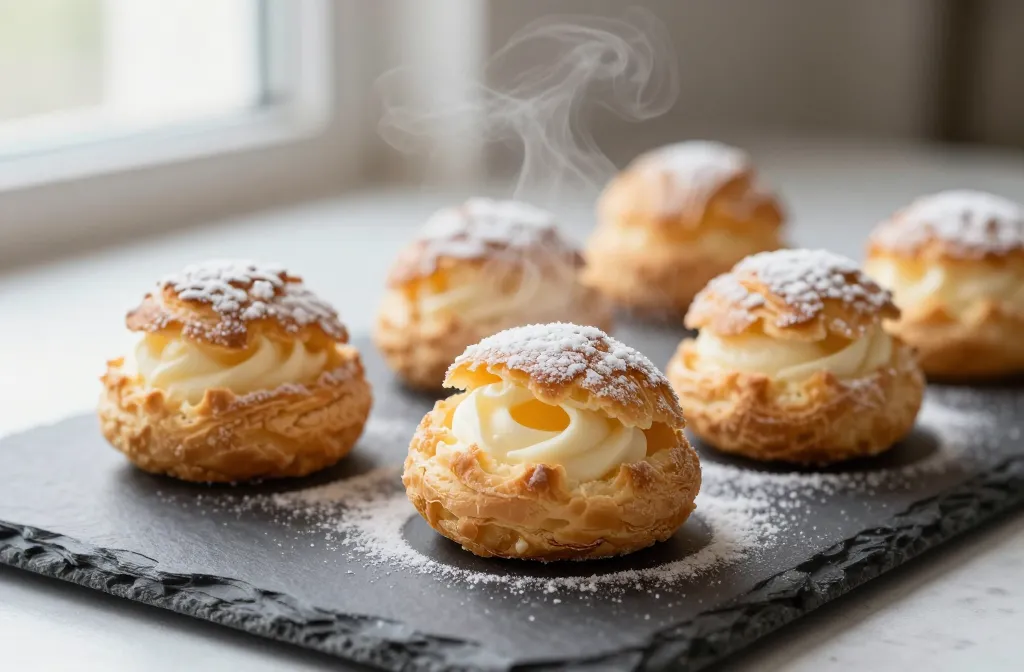
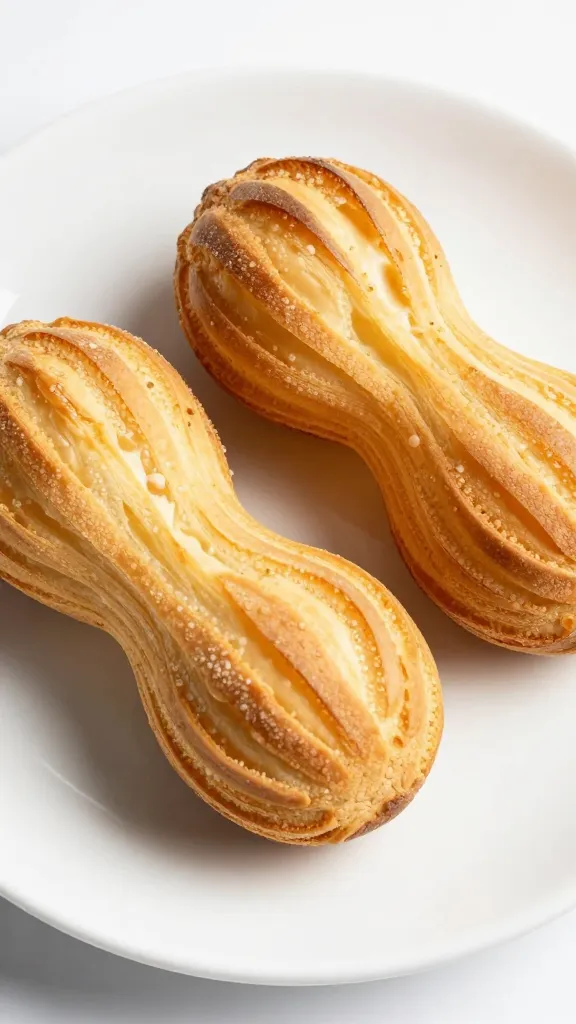
– Sweet choux: pipe into rounds, bake until golden, fill with vanilla pastry cream and a dusting of powdered sugar. – Savory gougères: fold in grated cheese (Gruyère is classic) before piping. They’re party-perfect. – Choux profiteroles: fill with chocolate pastry cream and glaze with a quick chocolate ganache. Fancy, but doable. – Mini Paris-Brest vibes: pipe long, thin logs, bake until crisp, fill with praline cream for a showstopper. – Gluten-free cannoli shells: pipe into cylinders, fry or bake until crisp, then fill with sweet ricotta.
How to fill and finish like a pro
– Fill cooled shells with pastry cream, whipped cream, or stabilized whipped cream. – For a lighter touch, pipe a small amount of lemon curd or chocolate ganache before closing with a lid of pastry. – Dust with powdered sugar or drizzle melted chocolate for wow factor.
Pro tips
– Use sauceable fillings sparingly. You want flavor, not soggy shells. – If shells don’t hollow properly, try docking the shells with a tiny skewer before baking to prevent air pockets from exploding outward. – Store baked shells in an airtight container. If they soften, a quick 5-minute blast in a warm oven helps regain crispness.
– Underbaked centers happen when the dough isn’t dried out enough. Keep them in the oven a bit longer at a lower heat to dry up. – Cracking shells usually mean too much moisture or too rapid expansion. Balance your liquid and keep the oven temperature consistent. – Flour ratios matter. Don’t rely on a single flour; use a blend that gives structure plus tenderness.
FAQ
– Can I freeze gluten-free choux? Yes. Bake shells until just golden, cool, then freeze in an airtight container. Recrisp in a 350°F (175°C) oven for 5–8 minutes before filling. – Why did my choux collapse after baking? Likely not enough moisture or heat at the start. Ensure a good steam blast and don’t peek too soon. – Can I bake them without eggs? Some egg substitutes work, but eggs are central to the rise. If you must go egg-free, you’ll need a different approach—perhaps a dairy-free, gluten-free choux mash rather than true choux. – What fillings pair best? Classic vanilla pastry cream, chocolate ganache, and stabilized whipped cream work beautifully. For savory, think cheese-filled gougères with a touch of herbs.
Comparison blocks
– Glutens-based choux vs gluten-free choux: The gluten-free version sacrifices a bit of stretch but gains a softer crumb and a lighter, crisp shell with the right flour blend. – Eggs only vs eggs plus binding agents: Eggs are essential for puff; binding agents help with structure but can add a different texture. IMO, start with eggs and add xanthan gum if needed. – Oven-first blast vs steady heat throughout: The initial high heat creates puff, the cooler finish dries the center. Try both methods to find your sweet spot.
Variations, alternatives, and tweaks
– Dairy-free option: Use a butter substitute or olive oil blend, plus dairy-free pastry cream. – Nut-free: Ensure your flour blend is nut-free and avoid cross-contamination. Most choux can stay nut-free with careful sourcing. – Color and flavor: Add a pinch of saffron to the dough for a sunny orange hue and a delicate floral note.
Conclusion
Gluten-free choux pastry is absolutely doable, and it’s worth every test batch to land that perfect puff. With a dependable flour blend, eggs, and a little patience, you’ll be puffing up shells like a pro. So next time you crave cream puffs, don’t reach for plan B—grab your mixer, your favorite gluten-free flour mix, and get puffing. It’s DIY dessert magic, minus the gluten drama. IMO, you’ll wonder why you didn’t try this sooner. Happy baking!
Disclosure: This post may contain affiliate links.
If you make a purchase through these links, I may earn
a small commission at no extra cost to you.
prab chahal
Hi, I’m Prabjot Chahal – the heart (and taste buds) behind this blog!
Food has always been my love language – from experimenting with family recipes to discovering unique flavors from around the world. I believe that cooking isn’t just about following a recipe, it’s about creating moments, sharing stories, and connecting with others over something delicious. Through this blog, I want to build a vibrant food community where we share more than just recipes – we share inspiration, tips, and the joy of making and enjoying good food together. Whether you’re here for quick weekday dinners, festive treats, or creative seasonal ideas, you’re part of this table. So grab a fork (or a whisk!) and let’s cook, bake, and share our love for food – one recipe at a time.