
An easy guide to avoid gluten traps you didn’t see coming. If you think you’re safe because a label says “gluten-free,” think again. Let’s uncover the sneaky culprits lurking in everyday munchies and how to dodge them with style.
What “Gluten-Free” Really Means (And What It Doesn’t)
Gluten-free labels can be accurate, but they aren’t a crystal ball. Different countries set different rules, and cross-contact can ruin even the best intentions. FYI, “gluten-free” often means less than 20 parts per million of gluten in many jurisdictions. But the real trouble is hidden gluten, shared equipment, and processing quirks. Do you trust every step of the supply chain? I didn’t at first either.
Cross-Contact vs. Cross-Contamination
– Cross-contact happens when gluten-free foods touch gluten-containing foods.
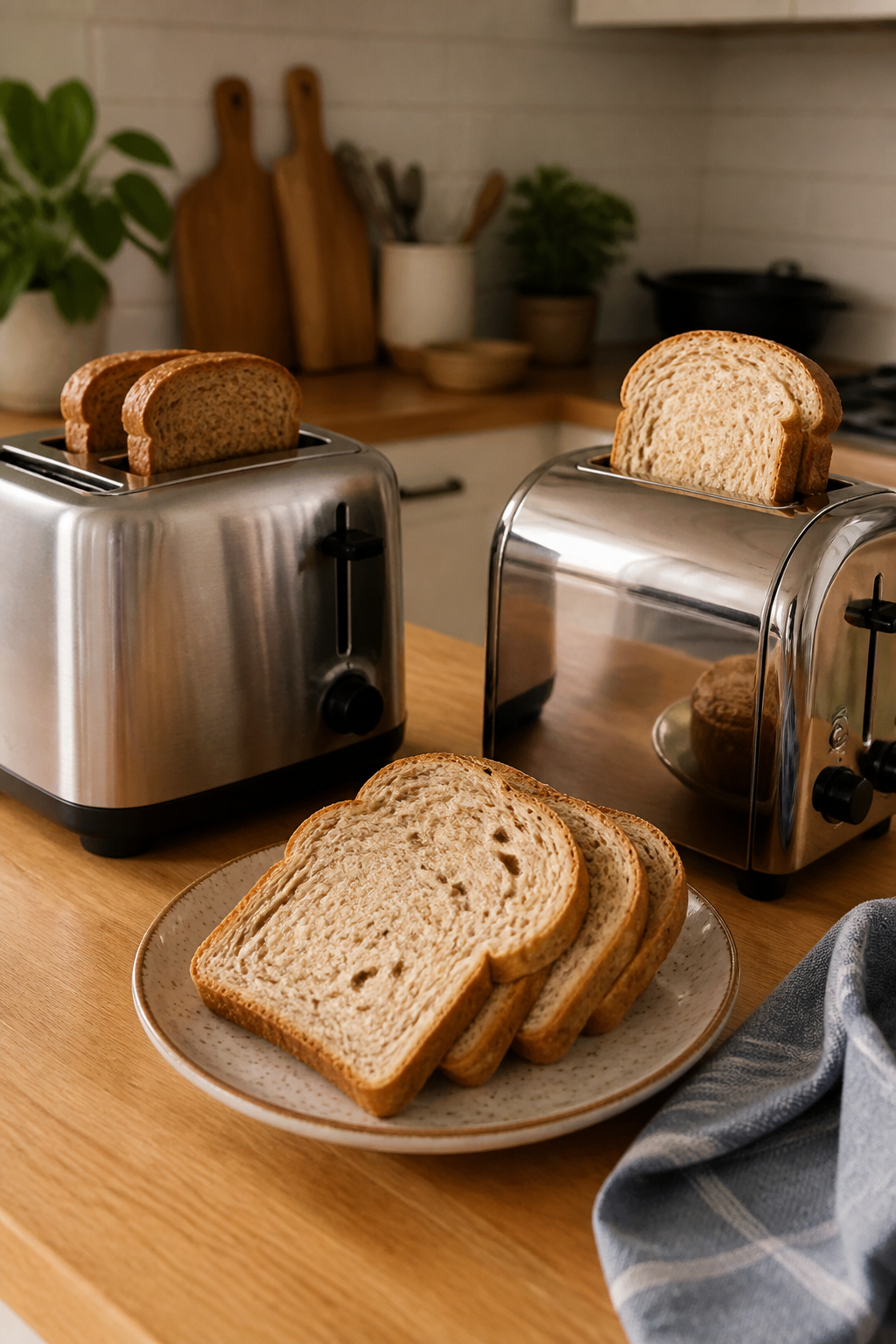
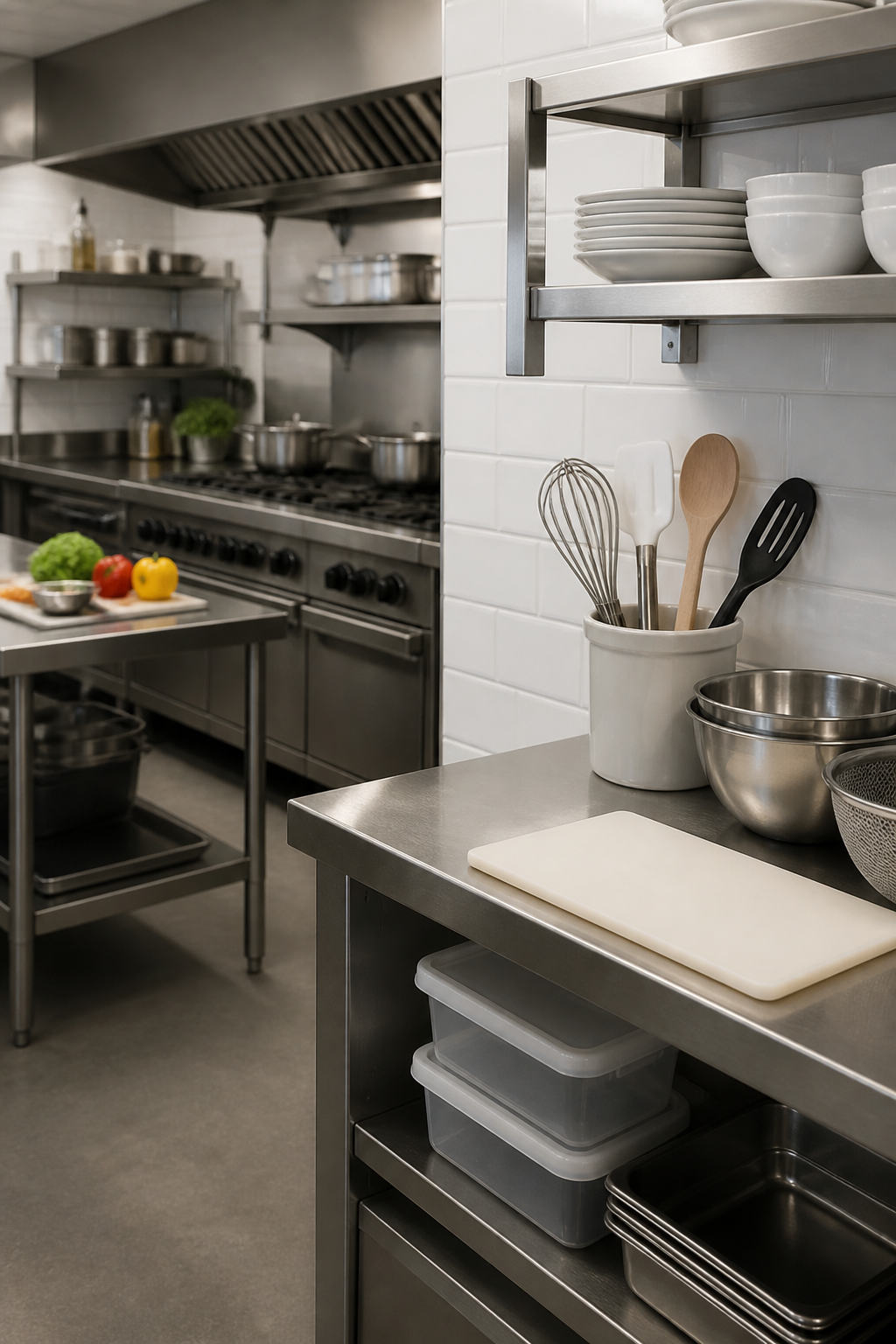
– Shared toasters, cutting boards, fryers, and even gravity can be sneaky offenders in kitchens.
– Restaurants are a minefield; you’re not overreacting to ask about dedicated fryers or separate utensils.
Common Gluten-Free Labels That Lie (Or Are Just Confusing)
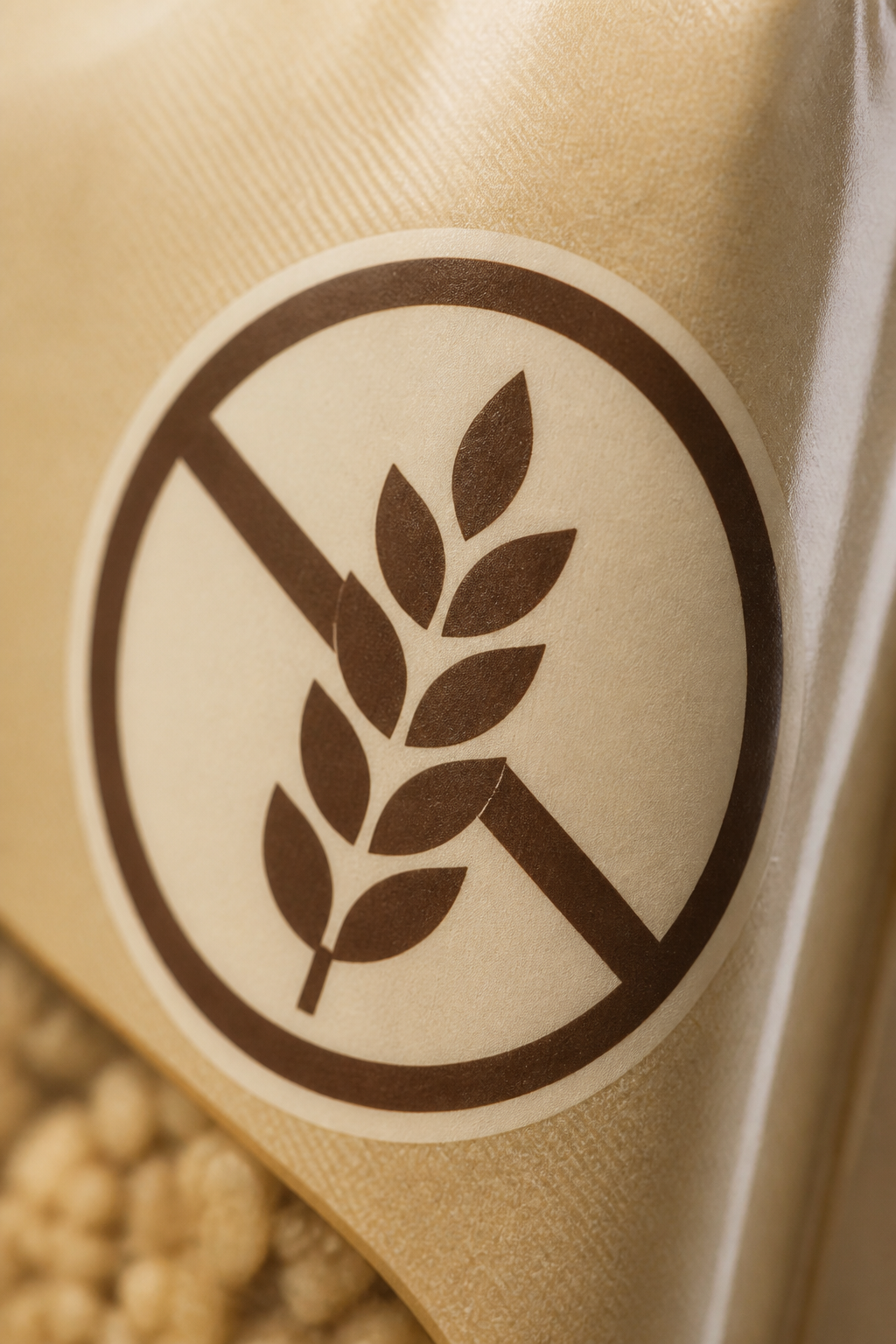
We’ve all seen “gluten-free,” “may contain traces,” and “produced in a facility with gluten.” These phrases aren’t inherently malicious, but they can leave you guessing. When in doubt, contact manufacturers or opt for products with strict facility certifications. It’s not drama; it’s dinner.
“Produced in a Facility That Also Processes Wheat”
These products skip the gluten-free brag, but the risk remains. If you’re extremely sensitive or have celiac disease, skip them or call customer service for specifics. IMO, safer choices beat vague risk.
“May Contain” vs. “Manufactured in a Facility”
“One may contain” means you’re taking a tiny gamble. “Manufactured in a facility” means shared equipment could be a problem. Decide your risk tolerance and stock up on safer brands you trust.
Everyday Foods That Sound Gluten-Free but Aren’t
You’ll be surprised how many common items trip people up. It’s not about drama; it’s about being a smart shopper without turning your pantry into a gluten-free obstacle course.
Baker’s Staples: Flour Mixes and Spices
– Some spice blends and seasoning mixes use malt (gluten-containing) or thickeners with gluten.
– Even “gluten-free flour” can be cross-contaminated if milled in a shared facility.
– Tips: read the ingredient list, look for certified gluten-free stamps, and buy from brands that test for gluten.
Condiments and Sauces with Hidden Gluten
– Soy sauce often contains wheat. Look for tamari or gluten-free labeling.
– Bouillon cubes and stocks can have barley or wheat-based flavor enhancers.
– BBQ sauces and marinades sometimes rely on malt vinegar or wheat-based thickeners.
– FYI: If a sauce lists “natural flavors,” that could hide gluten-containing ingredients. When in doubt, ask.
Foods That Are Typically Gluten-Free—But Need a Second Look
Not everything with gluten-free on the label is a 100% guarantee. A few everyday items require extra attention to stay truly gluten-free.
Related Posts:






Oats: Are They Your Gluten-Free BFF?
– Oats themselves are naturally gluten-free, but oats are often processed in facilities with gluten-containing grains.
– Look for oats labeled “certified gluten-free” to avoid cross-contact.
– If you’re extremely sensitive, consider starting with a small amount to test tolerance.
Processed Meats and Deli Treasures
– Some sausages, deli meats, and cold cuts may contain gluten as fillers or binders.
– Read labels for dextrin, maltodextrin, or hydrolyzed vegetable protein sourced from wheat.
– Safer bet: buy from brands you trust or opt for plain, unseasoned varieties and season yourself.
Ceiling-Crawling Hidden Gluten: The Sneaky Places
Gluten isn’t just in bread and pasta. It loves to hide in places you wouldn’t expect, especially if you’re cooking at home or eating out.
Fried Foods: Double-Check the Fryers
– Restaurants often fry everything in the same oil, from chicken to fries to onion rings.
– Even “gluten-free fried” can be problematic if the fryer isn’t dedicated.
– If you’re sensitive, request a dedicated fryer or bring your own fried option.
Gravy, Sauces, and Thickening Agents
– Gravy mixes and sauce thickeners may use gluten-based thickeners or barley malt syrup.
– The fix: opt for gluten-free gravies, or make your own using cornstarch or arrowroot.
Safely Snacking: Chips and Dips
– Some chips are fried in shared oil with gluten-containing products.
– Dips can hide gluten in flavor enhancers or malt vinegar.
– Look for clearly labeled gluten-free chips and dips, or make your own.
Smart Shopping: How to Build a Truly Gluten-Free Pantry
Tactical, not dramatic. The goal is to minimize cross-contact and stay informed.
- Certification matters: Look for “gluten-free” seals that align with your country’s standards.
- Read ingredients carefully: “Malt,” “barley,” “wheat starch,” and “modified food starch (wheat)” are red flags.
- Choose trusted brands: Familiar labels with a consistent gluten-free track record.
- Vet production facilities: Some brands publish facility information; use it to gauge risk.
- Kitchen habits win: Separate utensils, toasters, and surfaces, plus cleaning regimes that actually work.
How to Handle Eating Out Without Dearing-Into-Gluten Chaos
Eating out can feel like a culinary roulette game. But a few proactive moves keep it fun, not stressful.
Be Specific, Be Polite
Ask the server a few pointed questions: Is the dish prepared with gluten-free ingredients? Is there cross-contact risk in the kitchen? Are the cooking surfaces and utensils clean? Your future self will thank you for not shrugging.
Partner with Kitchens That “Get It”
Some restaurants are great with gluten-free needs; others, not so much. Find places that advertise gluten-free menus or staff trained in gluten safety. FYI, online reviews can reveal patterns of cross-contact that a menu won’t.
When in Doubt, Test It Out: A Gentle Guide to Self-Testing
If you’re navigating celiac disease or strong gluten sensitivity, you’ll want a practical approach to testing tolerance.
Start Small and Observe
– Introduce one new gluten-free product at a time.
– Track symptoms in a quick notebook or app.
– If you notice a reaction, phase it out and rotate safer options.
Work With a Dietitian or Doctor
A professional can help tailor a plan based on your sensitivity level, diet, and lifestyle. IMO, it’s worth it if you’re navigating anything beyond mild intolerance.
FAQ: Quick Gluten-Free Real Talk
Is gluten-free always better for everyone?
Not necessarily. If you don’t have a reason to avoid gluten, cutting it out may not improve digestion or energy. However, if you have celiac disease or a diagnosed gluten sensitivity, sticking to truly gluten-free options is essential. The key is knowing your own body and listening to it.
Can oats be safely included in a gluten-free diet?
Oats themselves are gluten-free, but cross-contact is common. Look for certified gluten-free oats and start with small portions to check for tolerance. Some people with celiac disease tolerate oats, while others do not.
What should I do if a label says “gluten-free” but I still feel sick?
Check for cross-contact at home or in restaurants, hidden gluten in ingredients, and possible contamination during processing. If symptoms persist, consult a healthcare professional and consider verifying your sensitivity level with tests.
Are gluten-free products always labeled consistently across brands?
Not always. Standards vary by country, and some products labeled gluten-free may still contain trace gluten. Stick to trusted brands and certifications, and don’t be afraid to contact manufacturers for details.
What’s the most common hidden gluten culprit?
Malt and malt vinegar, barley-based ingredients, and wheat starch are frequent sneaky offenders. Always scrutinize labels and avoid ambiguous terms like “natural flavors” unless you’re certain they’re gluten-free.
How can I enjoy gluten-free living without missing out on flavor?
Experiment with gluten-free grains and alternatives: quinoa, rice, buckwheat, millet, and certified gluten-free oats. Try new seasonings, sauces, and kitchen hacks. FYI, a little extra prep goes a long way to real flavor satisfaction.
Conclusion: Gluten-Free Isn’t a Hall Pass—It’s a Skill
Gluten-free life isn’t about paranoia; it’s about smart decisions, careful reading, and a little kitchen elbow grease. The more you know about labels, cross-contact, and hidden ingredients, the less you’ll worry at dinner or on the go. Remember: you’re not alone in the quest for safe, tasty eats. With a curious mind, a few trusted brands, and a habit of asking questions, you’ll navigate the gluten-free world without missing out on the good stuff.