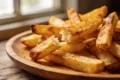
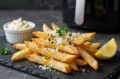
You pictured shatteringly crisp fries and crunchy wings. Instead, you got… damp disappointment. If your air fryer keeps serving up soggy vibes, you’re not alone. The good news? Crispy isn’t magic—it’s method. Tweak a few things, and you’ll hear that glorious crunch again.
The Moisture Problem (AKA: The Sog Factor)
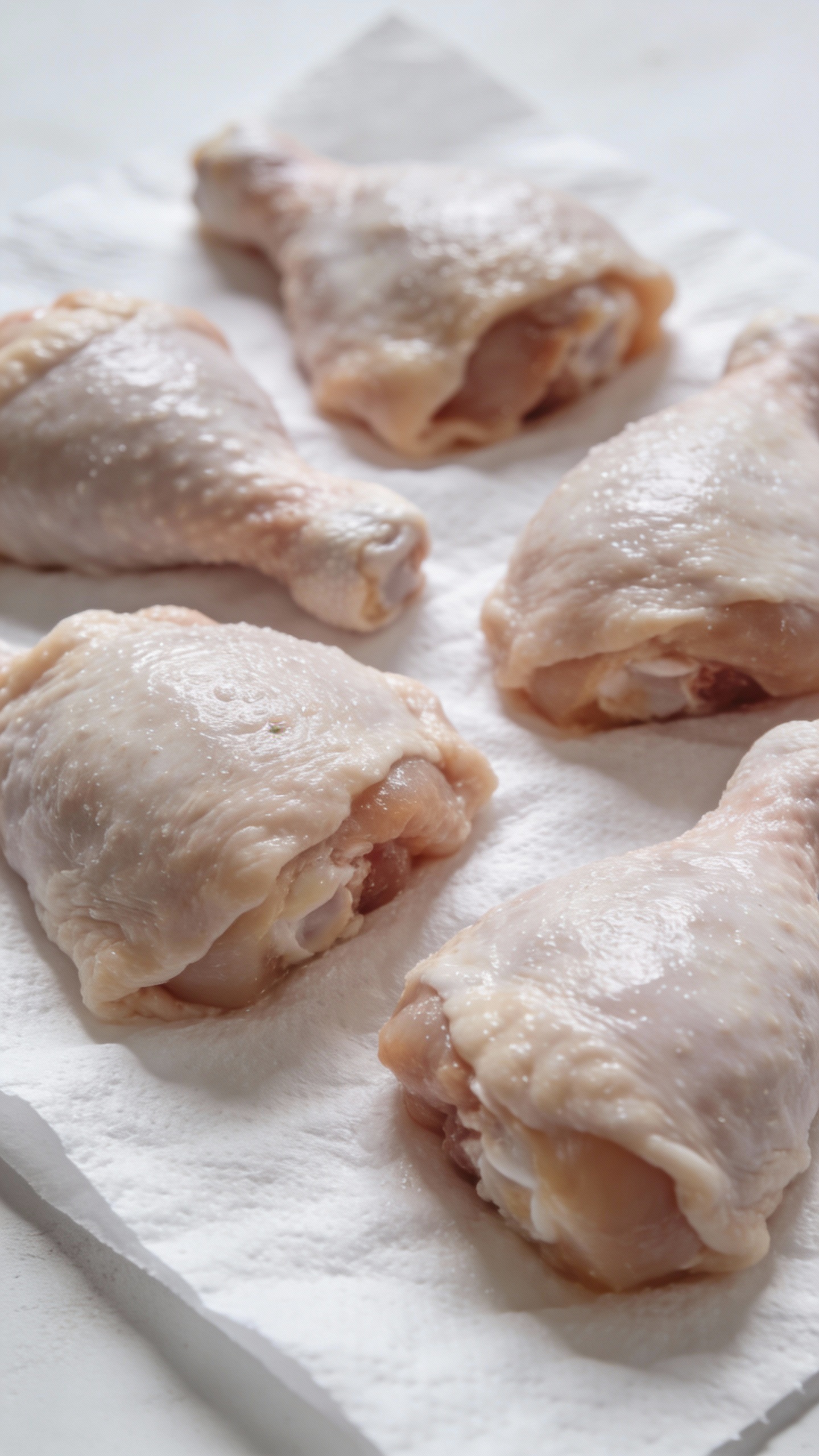
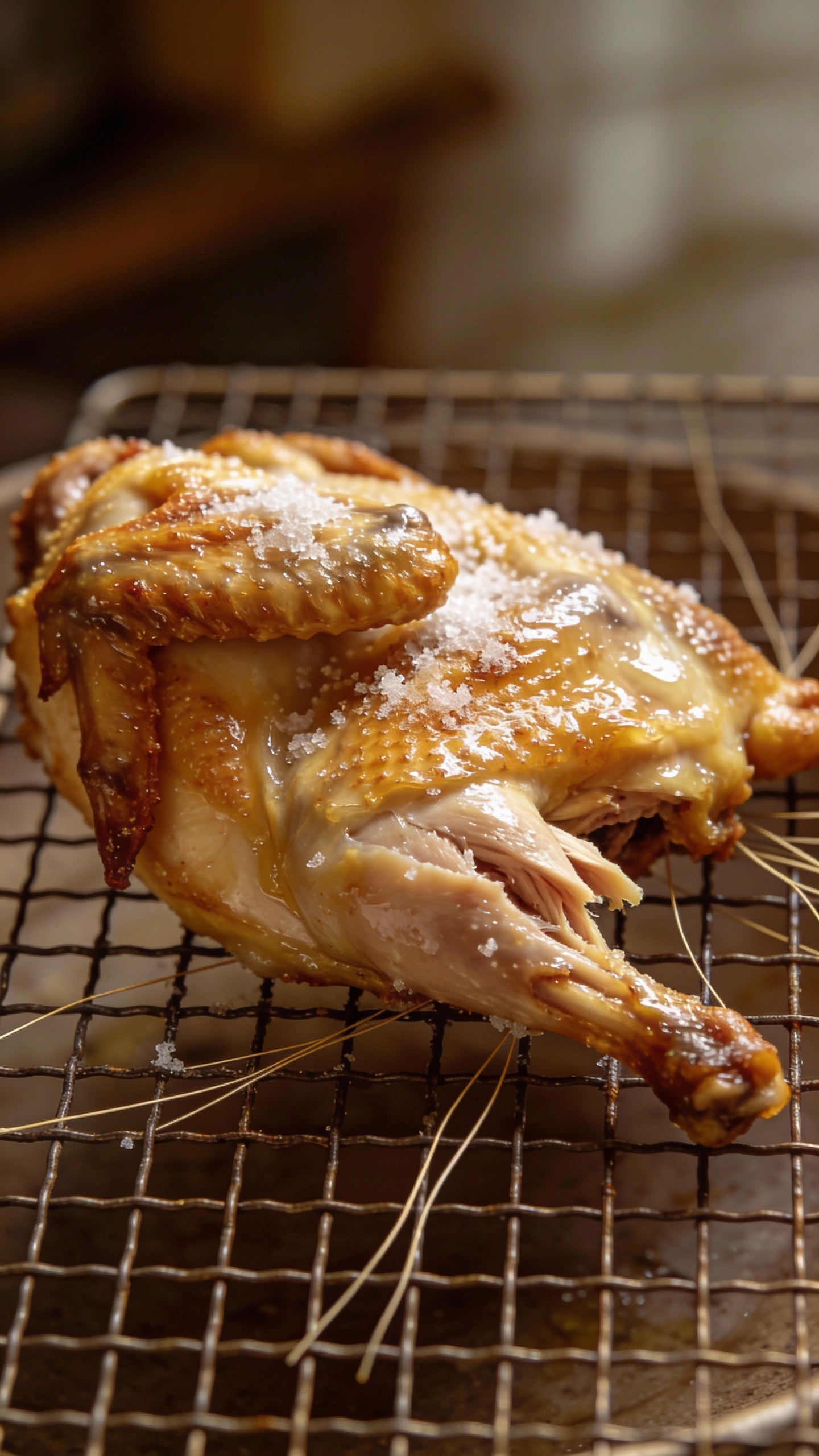
Moisture kills crispiness faster than you can say “sad zucchini.” Your food needs a dry surface so hot air can dehydrate the exterior and form a crust. If the surface stays wet, you steam your food instead of crisping it. Pat it dry first. Seriously. Use paper towels to remove surface moisture from chicken, tofu, veggies—everything. Salt smart. Salt draws out moisture. Salt meat 30–60 minutes ahead, then pat it dry again before cooking. Avoid watery marinades. Thick sauces? Use them at the end, not the beginning.
What about frozen food?
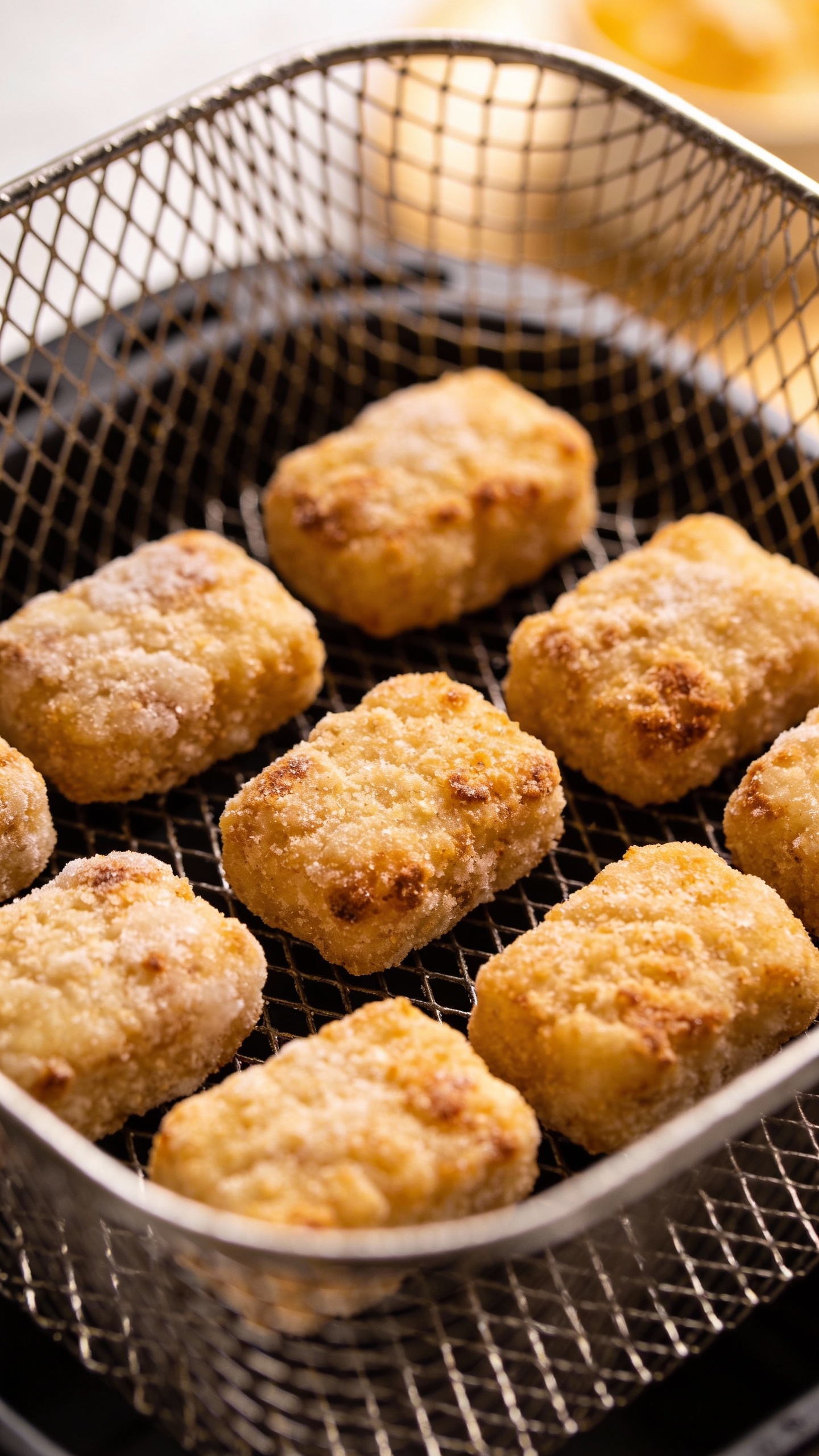
Don’t thaw breaded frozen items—they’re prepped to fry from frozen. But if you’re cooking plain frozen veggies or proteins, expect extra moisture release. FYI: You might need a longer cook time and more shaking.
Overcrowding: Your Basket Isn’t a Clown Car
If you pile in too much food, the air can’t circulate. No circulation = no crisping. Air fryers need space to do their hot-whirlwind magic. Follow the one-layer rule. Overlap kills crunch. Work in batches. Yes, it’s annoying. Yes, it matters. Shake or flip halfway. This exposes soggy spots to direct heat and evens browning.
Rack it up
If your model supports a rack, use it. Elevating food lets air hit the underside and prevents soggy bottoms (Mary Berry would approve).
You Need Oil—But Not a Slip ’n Slide
Air fryers mimic deep-frying with hot air, not actual oil baths. But a tiny bit of fat helps with browning and texture. The trick? Just enough. Use 1–2 teaspoons of oil for a basket. Toss to coat evenly; don’t dump. Choose high-smoke oils. Avocado, canola, peanut, or light olive oil work. Save extra virgin for drizzling after. Spray wisely. Use a pump mister with real oil. Many aerosol sprays contain propellants that damage nonstick coatings (and make your basket sad).
When to add oil
– For breaded foods: Mist lightly before cooking, then again mid-way. – For veggies: Toss in a bowl with a teaspoon of oil plus seasonings. – For proteins with skin (like chicken wings): Pat dry, season, and skip extra oil—the skin has enough fat.
Temperature and Timing: Don’t Wing It (Unless It’s Wings)
Low heat dries without browning. High heat browns fast but might leave the inside undercooked. You need both: heat control and patience. Preheat your air fryer. 3–5 minutes makes a difference. Use the right temp: – 375–400°F (190–200°C) for fries, wings, and breaded items – 350–375°F (175–190°C) for veggies (to avoid charred edges before tender insides) Go longer than the box says. Air fryers vary. Start with the recipe, then add 2–5 minutes as needed.
The double-cook method
For max crunch, try this: 1) Cook at a slightly lower temp until tender. 2) Crank the heat for the last 3–5 minutes to crisp the exterior. This works wonders on potatoes and breaded chicken.
Breading and Coatings: Slippery When Wrong
If your coating slides off or turns gummy, your technique needs a tune-up. Crunchy coatings love structure, heat, and dryness. Dry–wet–dry. Pat the food dry, dust with flour or cornstarch (thin layer), dip in egg, then press into breadcrumbs or panko. Use panko, not standard breadcrumbs. Panko stays airier and crisps better. Let it rest 10 minutes. This helps the coating adhere before cooking. Starch is your friend. Cornstarch or potato starch makes a crispier crust on tofu, wings, and veggies.
Add sticky sauces (BBQ, teriyaki, honey garlic) in the last 2–3 minutes. Earlier, they burn or steam everything into sadness. IMO, a post-cook toss is safest.
The Basket: Clean, Dry, and Not Smothered
Built-up grease or leftover crumbs trap steam and mess with airflow. A clean basket equals better crisping. Clean after every use. Degrease the basket and drawer. Dry before cooking. Water droplets create steam pockets. Use perforated liners sparingly. They help with cleanup but can block airflow. If you use them, pick thin, perforated ones.
Elevation hacks
– Use a trivet or rack to lift fatty foods so grease drips away. – Place a slice of bread under the rack to absorb excess fat and moisture (weird, but it works).
Food Type Matters (Some Stuff Just Fights You)
Not every food ends up shatter-crisp. Some items just won’t, no matter how many TikToks promise otherwise. – High-moisture veggies (zucchini, mushrooms) need salting and blotting first. – Breaded cheese? Freeze it solid first or it will ooze. – Battered foods (like beer-battered fish) need a wet-batter environment—AKA hot oil. Air fryers can’t set a liquid batter well. FYI: If you absolutely want battered vibes, coat with flour, dip in egg, then press into panko. It’s a great compromise.
Common Fixes You Can Try Today
– Preheat 3–5 minutes. – Pat everything bone-dry. Season after drying. – Light oil coat (or spray), not a drench. – Don’t crowd. Work in single layers. – Shake halfway; flip bigger pieces. – Finish hotter for 2–5 minutes. – Rest breaded foods before cooking. – Keep the basket clean and dry between batches.
Bonus: Re-crisp leftovers
Leftover fries or pizza? Air fry at 350–375°F for 3–5 minutes. Add 1–2 minutes at 400°F to finish. You’ll revive them without turning them into rocks.
FAQ About air fryer
Why do my fries get browned but still feel limp?
They probably retained too much moisture. Soak cut potatoes in cold water for 20–30 minutes to remove excess starch, drain, pat completely dry, toss in a teaspoon of oil, and cook in a single layer. Finish with a high-heat blast to firm the exterior.
Can I stack wings in the air fryer?
You can, but you won’t love the results. If you must, use a rack to create layers with airflow and extend the cook time. For truly crispy wings, single layer, flip once, and finish at 400°F for the last few minutes.
Do I need to preheat every time?
Preheating gives you instant surface sizzle, which helps crispness and reduces sticking. Some models heat fast and hide it well, but IMO, a quick 3-minute preheat removes variables and gives more consistent crunch.
Why does my coating fall off?
Wet surfaces and rough handling cause peeling. Dry the food, dust with flour or cornstarch before egg, press the crumbs on, rest 10 minutes, then mist lightly with oil. Flip gently with tongs halfway through.
Perforated parchment works, but don’t cover the whole basket with a solid sheet—it blocks airflow and can fly into the heating element. Only place parchment after preheating and when food is heavy enough to hold it down.
How do I keep veggies from shriveling?
You’re likely overcooking or using too high a temp. Toss lightly in oil, cook at 350–375°F, and pull them a bit early. For watery veggies like zucchini, salt first for 10 minutes, blot dry, then air fry.
Conclusion On air fryer
Crispy food in an air fryer doesn’t happen by accident—it happens because you control moisture, airflow, oil, and heat. Once you fix those, the crunch shows up like clockwork. Keep it dry, keep it spaced, give it a little oil, and finish hot. Do that, and your air fryer will finally deliver the symphony of crunch you bought it for. IMO, your future fries will thank you.
Disclosure: This post may contain affiliate links.
If you make a purchase through these links, I may earn
a small commission at no extra cost to you.
prab chahal
Hi, I’m Prabjot Chahal – the heart (and taste buds) behind this blog!
Food has always been my love language – from experimenting with family recipes to discovering unique flavors from around the world. I believe that cooking isn’t just about following a recipe, it’s about creating moments, sharing stories, and connecting with others over something delicious. Through this blog, I want to build a vibrant food community where we share more than just recipes – we share inspiration, tips, and the joy of making and enjoying good food together. Whether you’re here for quick weekday dinners, festive treats, or creative seasonal ideas, you’re part of this table. So grab a fork (or a whisk!) and let’s cook, bake, and share our love for food – one recipe at a time.