An experiment I’m actually glad I tried. I ditched gluten for a month and kept a running diary of bloating, cravings, and tiny wins. If you’re curious about a real-world gluten-free ride, you’re in the right place. No doom scroll, just what changed for me.
Day Zero: Why I Even Considered It
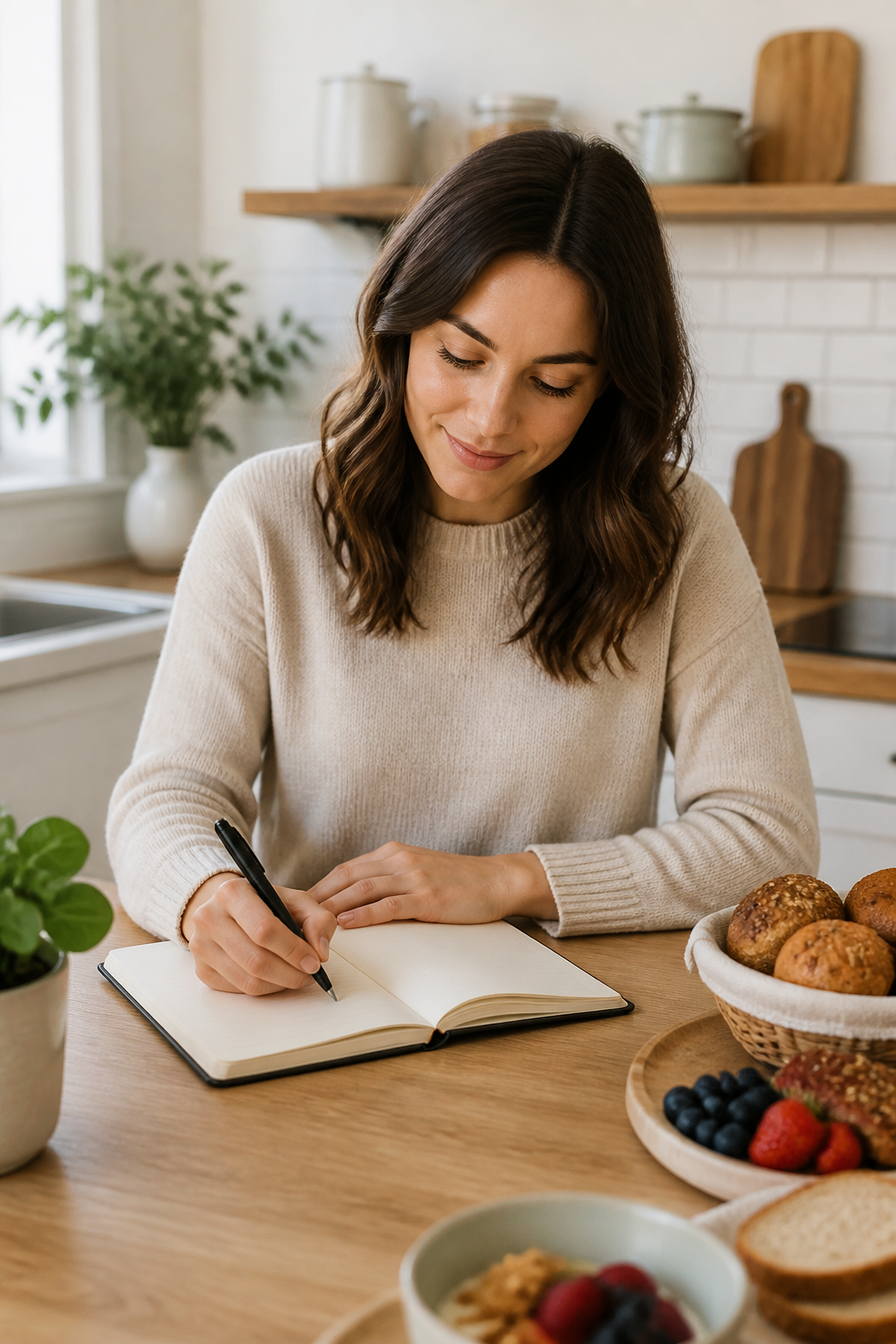
Did I have a medical reason or a nightmare about bread? Not really. I was curious about whether gluten fuels brain fog and snack binges, and I wanted to test whether a gluten-free month would improve energy. I also wanted to see if social life would survive a diet change without turning into a full-on pastry exile.
The First Week: The Glucose Rollercoaster and My Taste Buds Got Confused
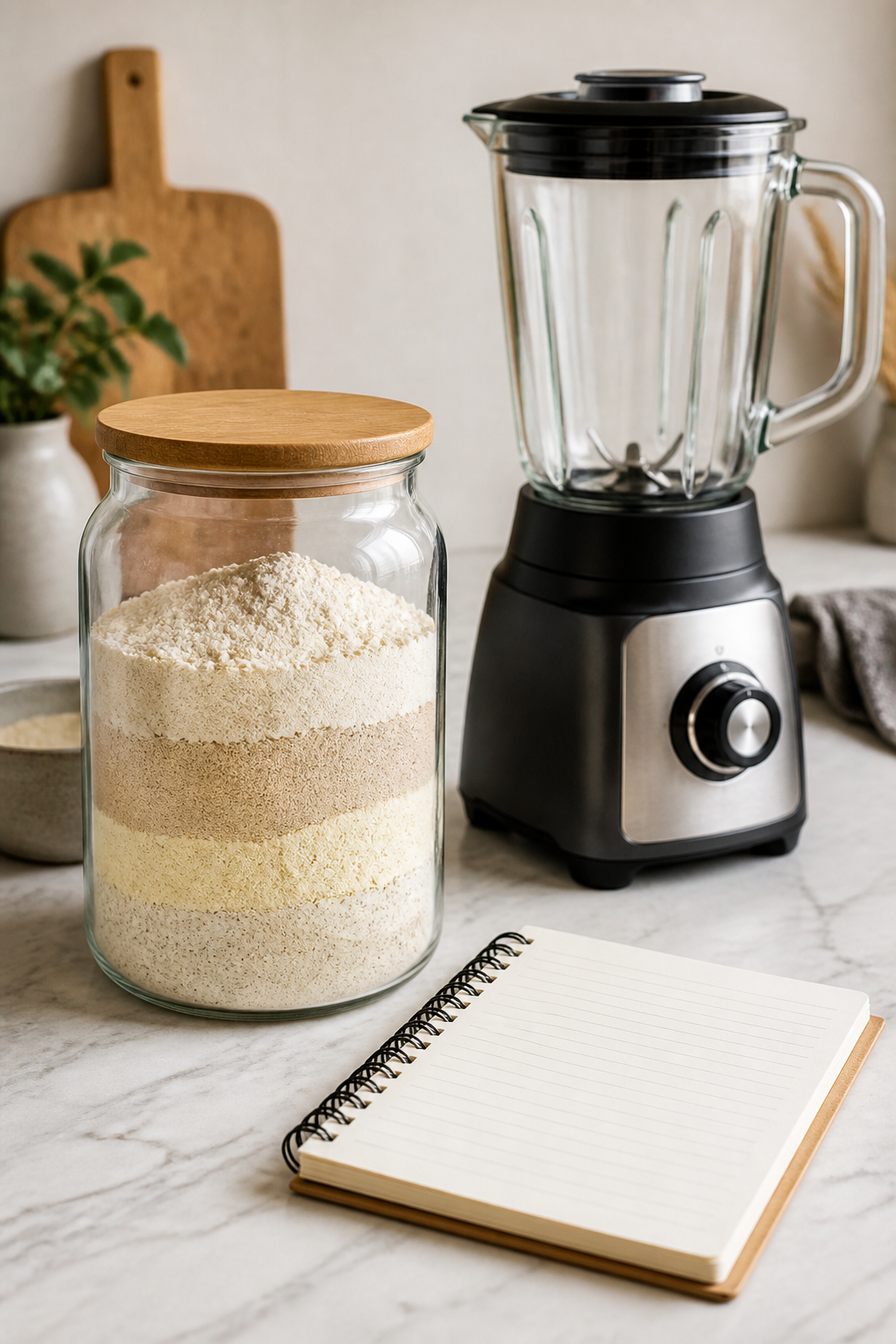
– I expected rage at bread and found it more emotionally nuanced: cravings, yes, but also surprising meals that kept me full. – Gluten-free versions of my go-to meals sometimes tasted different, sometimes better. FYI, I learned the importance of blending flours and adding binding agents.
Subpoint: The Snacks Are Real
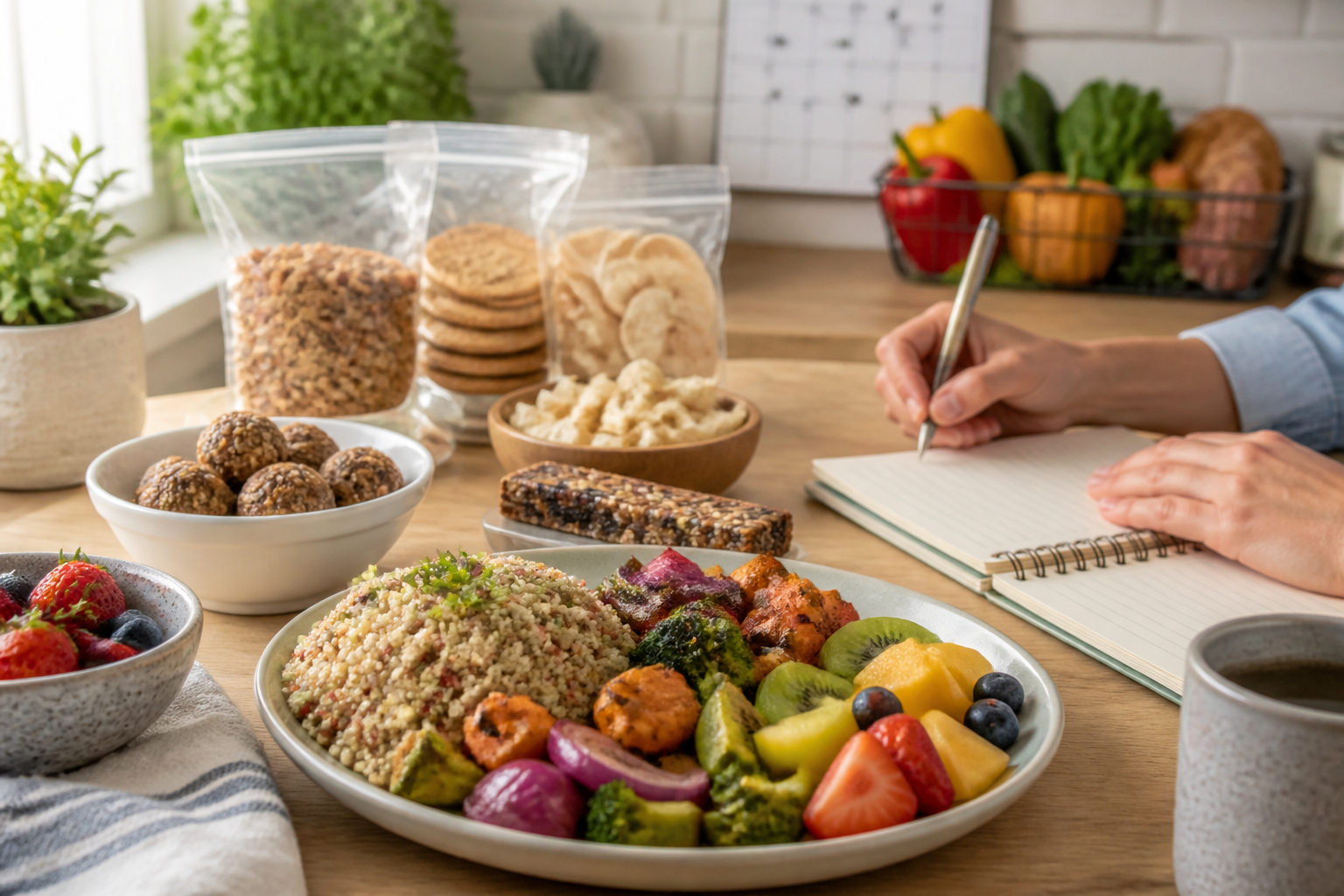
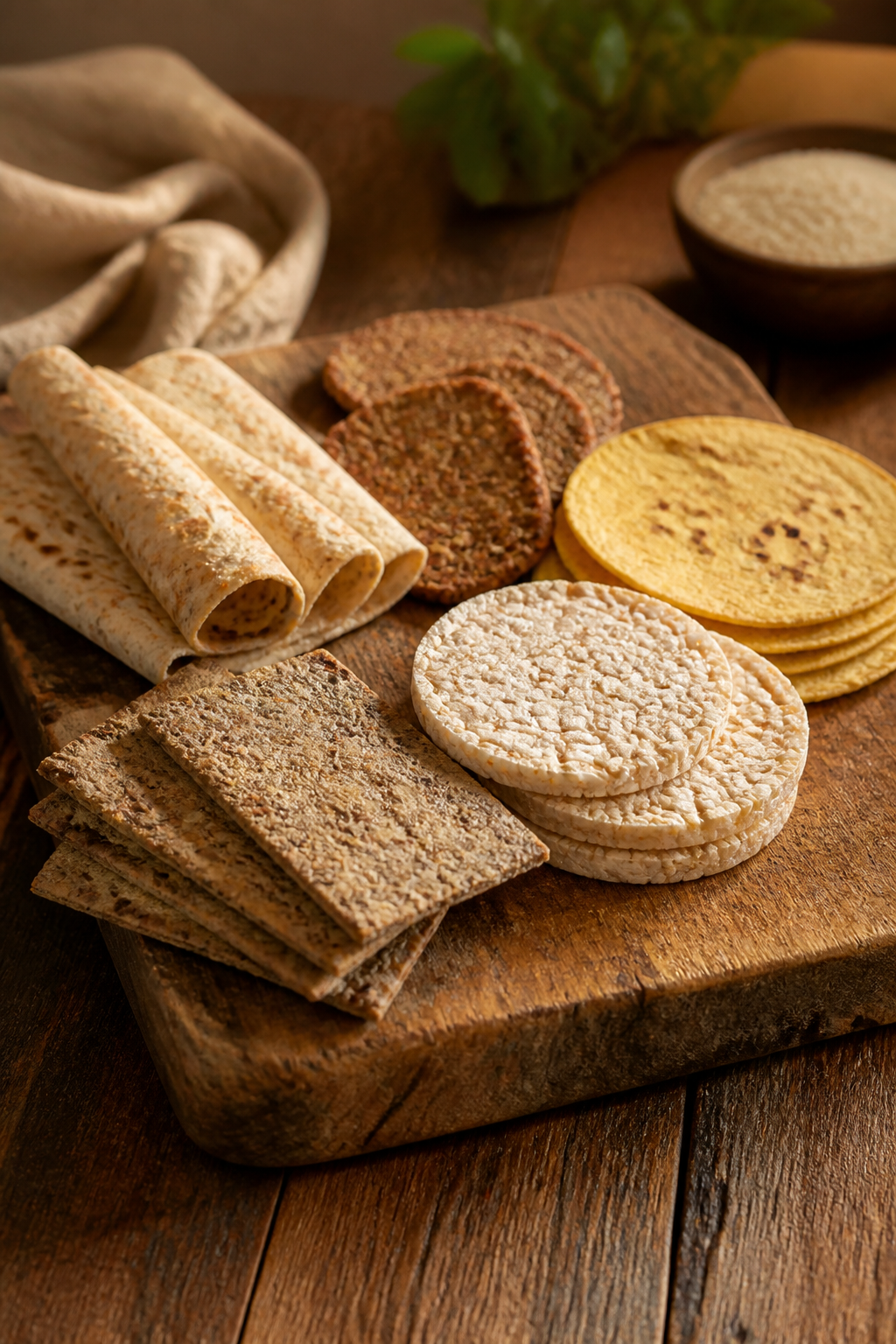
I found that gluten-free snacks exist in the wild. There are crunchy cookies that actually hold their shape and energy bars that don’t taste like chalk. I learned to read labels like a detective on a stakeout: if the ingredient list reads like a math problem, I moved on.
Week 2: Planning Becomes Second Nature
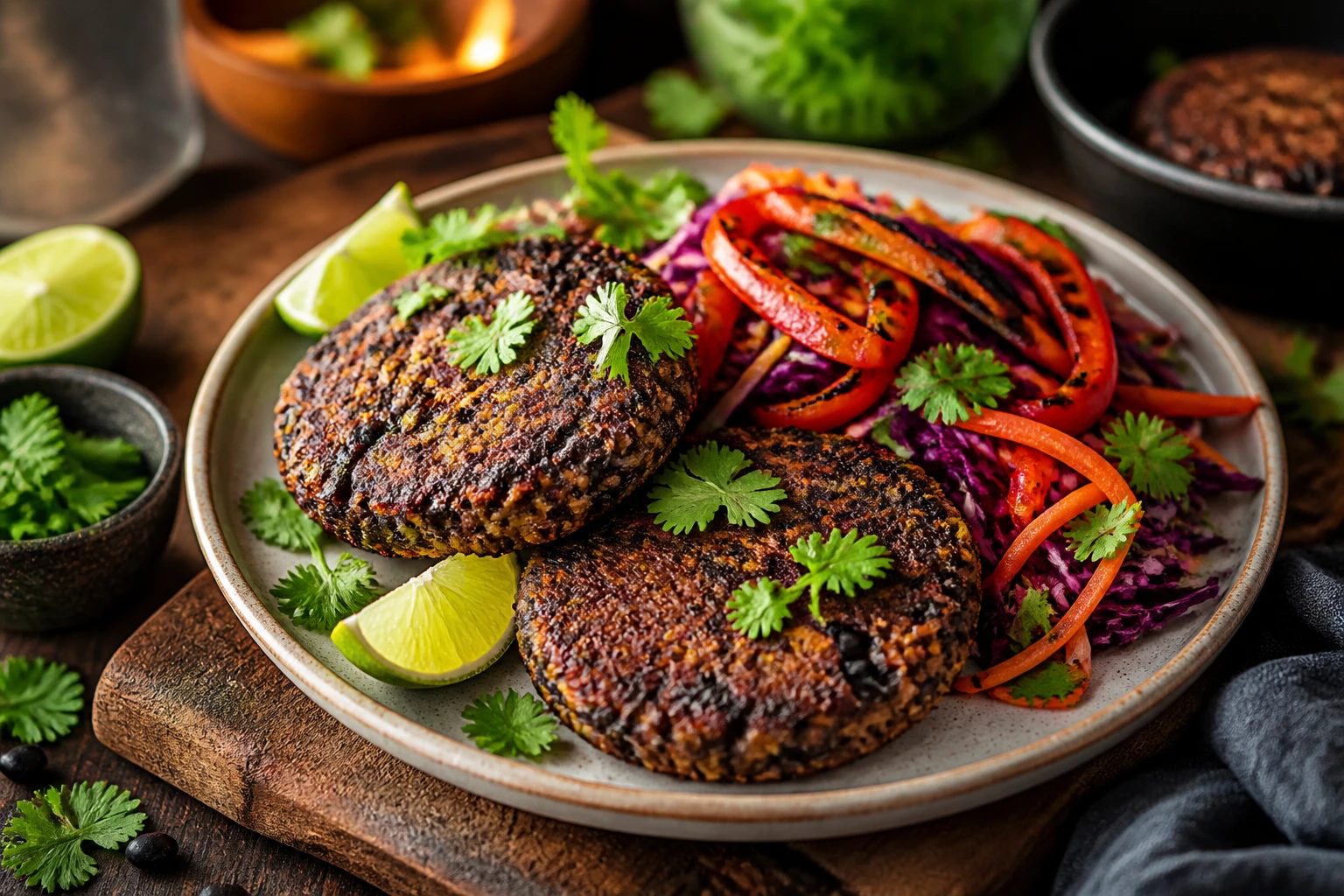
The hardest part? Planning. You can’t wing it when a burger bun is off-limits, so I started mapping meals a few days ahead. – I leaned into naturally gluten-free staples: rice bowls, quinoa salads, eggs, avocado, and lots of veggies. – I experimented with gluten-free flours for cooking and baking—almond, coconut, and buckwheat became my new kitchen squad.
Subpoint: Kitchen Hacks That Saved My Sanity
– Pre-measure portions for treats so I don’t accidentally overdo it. – Keep a “go-to” list of gluten-free brands I actually trust. – Cook large batches on Sundays; leftovers become lunch heroes.
Week 3: Social Situations and Self-Discovery
Social life didn’t vanish; it evolved. Dining out required a new skill set: asking questions without sounding judgey, and choosing menus with gluten-free options without sacrificing fun. – I learned to own my choice: “I’m avoiding gluten for a month. Everything looks delicious; I’ll pick this instead.” – People around me got curious and supportive, which made the process easier than expected.
Subpoint: The Mindset Shift
I stopped seeing gluten-free as deprivation and started treating it like a chance to explore new flavors. It’s amazing what curiosity can do for your palate when cravings strike.
Week 4: What Changed, What Stayed the Same
– My energy seemed steadier on some days, more variable on others. Guess what? Variability isn’t a failure; it’s a clue to listen to your body. – Bloating decreased for many days, then fluctuated. Water intake, salt balance, and fiber matters all came into sharper focus. – Cravings evolved from “I need bread” to “I’d kill for a crunchy snack.” The cravings shifted, which felt oddly empowering.
Physical Changes: Body, Brain, and Belly
– Digestive comfort often improved, especially after meals with lots of vegetables and lean proteins. – Mental clarity fluctuated early on, then settled into a more even groove. IMO, hydration + electrolytes played a big role here. – A few days of migraines popped up, which surprised me. It reminded me gluten sensitivity isn’t all-or-nothing; if you have a reaction, take note and adjust.
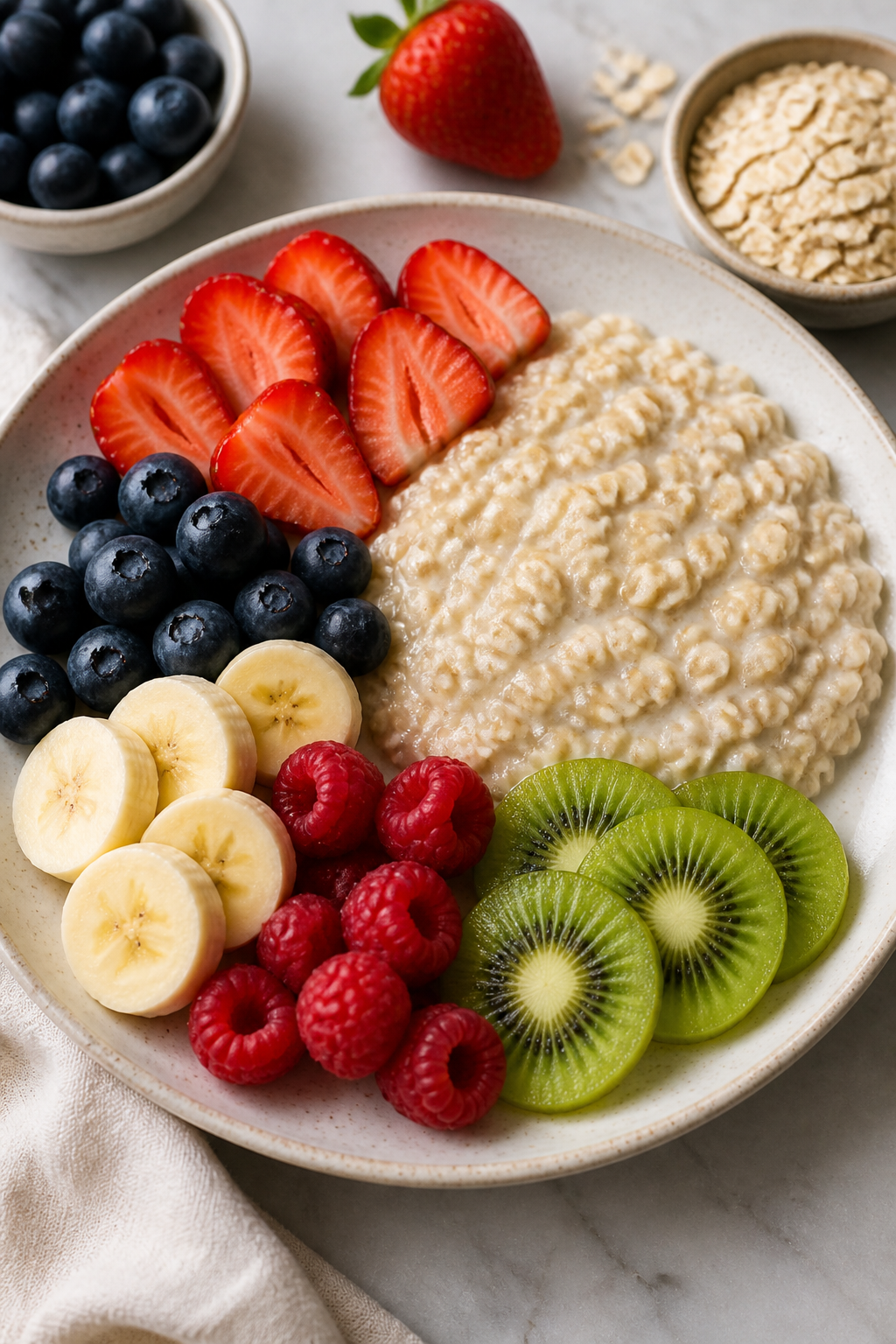
Favorites that surprised me – Grain-free breakfasts that still feel indulgent: chia pudding with almond milk, a berry medley, and a dollop of coconut yogurt. – Savory snacks that don’t hollow out my day: roasted chickpeas, hummus with veggie sticks, and edamame. Cravings that taught me a lesson – Craving “comfort carbs”? I found alternative swaps that hit the spot without derailing progress. – Sweet cravings can be tended with fruit-based desserts and a bit of dark chocolate.
Practical Tips for a 30-Day Gluten-Free Challenge
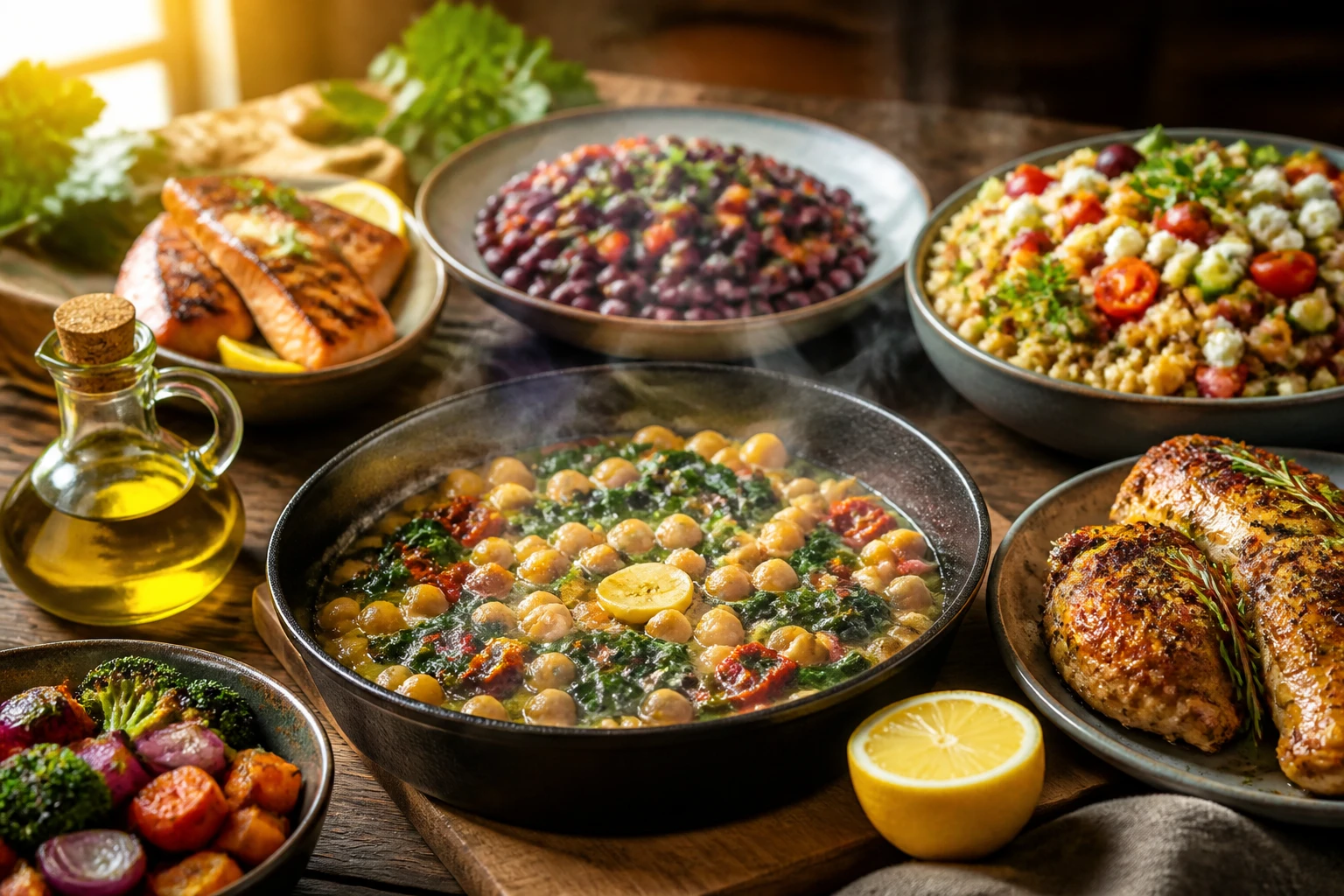
– Build a flexible meal plan: have a few go-to GF dishes and rotate them. – Stock a gluten-free pantry: rice, quinoa, potatoes, beans, legumes, and sturdy proteins. – Learn to read labels: gluten hides in surprising places—sauces, seasonings, and processed foods. – Eat mindfully, not miserably: you don’t have to skip everything to enjoy meals. – Hydration matters: water plus electrolytes keeps energy steady. – Social strategy: communicate your plan kindly but firmly; most people are supportive.
Subsection: Handy Label-Reading Cheats
– Look for terms like “gluten-free” certified, or check if “wheat” is listed in ingredients. – Beware “gluten-removed” claims; some products still affect sensitive folks. – Watch for cross-contamination warnings if you’re sensitive to even tiny amounts.
How This Affected My Routine Long-Term
– I kept several gluten-free habits after the 30 days because they felt good: more intentional meals, better snack choices, and less mindless grazing. – I didn’t throw away all gluten—never felt deprived. I simply returned to gluten with more awareness about how it affects me. – FYI, I still enjoy gluten occasionally. It’s about balance, not a permanent ban.
Could This Work for You? Pros, Cons, and My Verdict
Pros – Sometimes improved digestion and more energy. – Encourages cooking at home and trying new flavors. – Helps you identify what triggers your cravings. Cons – Social dining can be tricky, especially with friends who are skeptical. – It requires planning and occasional budget adjustments. – Not everyone experiences strong benefits; your mileage may vary. My verdict: If you’re curious, give it a shot for a month with a plan. It’s a low-risk experiment that can yield surprising insights about your food relationships and energy levels.
FAQ
Is gluten-free automatically healthier?
Gluten-free isn’t inherently healthier. It depends on what you replace gluten with. Some GF products are highly processed and can be less nutritious than their gluten-containing counterparts. Focus on whole foods: fruits, vegetables, lean proteins, and gluten-free grains.
Will I gain weight on a gluten-free diet?
Weight change isn’t guaranteed. It depends on your overall calories and food choices. Some people slip into over-snacking on GF processed foods, while others lose bloat or improve satiety with higher-protein meals. Monitor portions and listen to your body.
What’s the hardest part of going gluten-free for 30 days?
Most people struggle with social dining and cravings. It’s easy to default to old habits in a social setting. Preparation and clear communication help a ton.
Can I recreate my favorite foods gluten-free?
Absolutely. There are great GF flours and binders that mimic texture and flavor. It may take a few tries to nail the recipe, but you’ll eventually land on something you love.
Do I need to see a doctor before trying gluten-free?
If you suspect celiac disease, wheat allergy, or non-celiac gluten sensitivity, talk to a healthcare professional first. For a healthy adult without symptoms, a planned 30-day trial is generally safe, but never ignore warning signs.
What if I have gluten exposure accidentally?
Don’t panic. Resume your plan, assess how you feel, and adjust. One slip doesn’t ruin the month; it’s about the bigger pattern.
Conclusion
Embarking on a 30-day gluten-free journey taught me more than I expected: about planning, social navigation, and how my body handles food. I discovered that gluten-free life isn’t a punishment; it’s a pathway to more thoughtful meals and better listening to my body. If you’re on the fence, try a 2-week trial first, then decide if a full month is worth it for you. Either way, you’ll learn something valuable about your relationship with food.
Disclosure: This post may contain affiliate links.
If you make a purchase through these links, I may earn
a small commission at no extra cost to you.
prab chahal
Hi, I’m Prabjot Chahal – the heart (and taste buds) behind this blog!
Food has always been my love language – from experimenting with family recipes to discovering unique flavors from around the world. I believe that cooking isn’t just about following a recipe, it’s about creating moments, sharing stories, and connecting with others over something delicious. Through this blog, I want to build a vibrant food community where we share more than just recipes – we share inspiration, tips, and the joy of making and enjoying good food together. Whether you’re here for quick weekday dinners, festive treats, or creative seasonal ideas, you’re part of this table. So grab a fork (or a whisk!) and let’s cook, bake, and share our love for food – one recipe at a time.