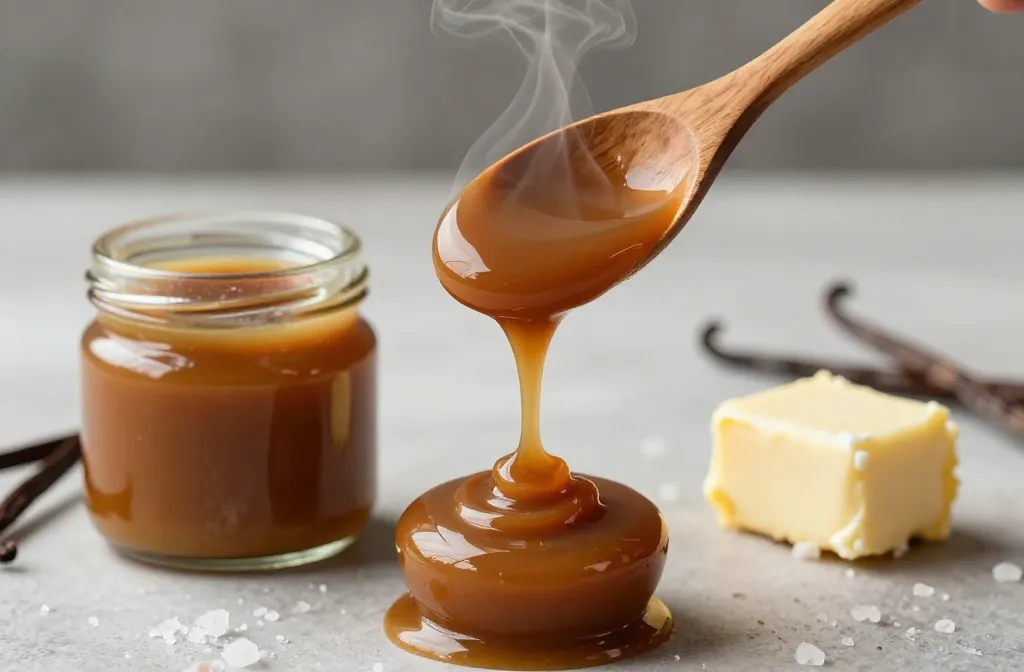
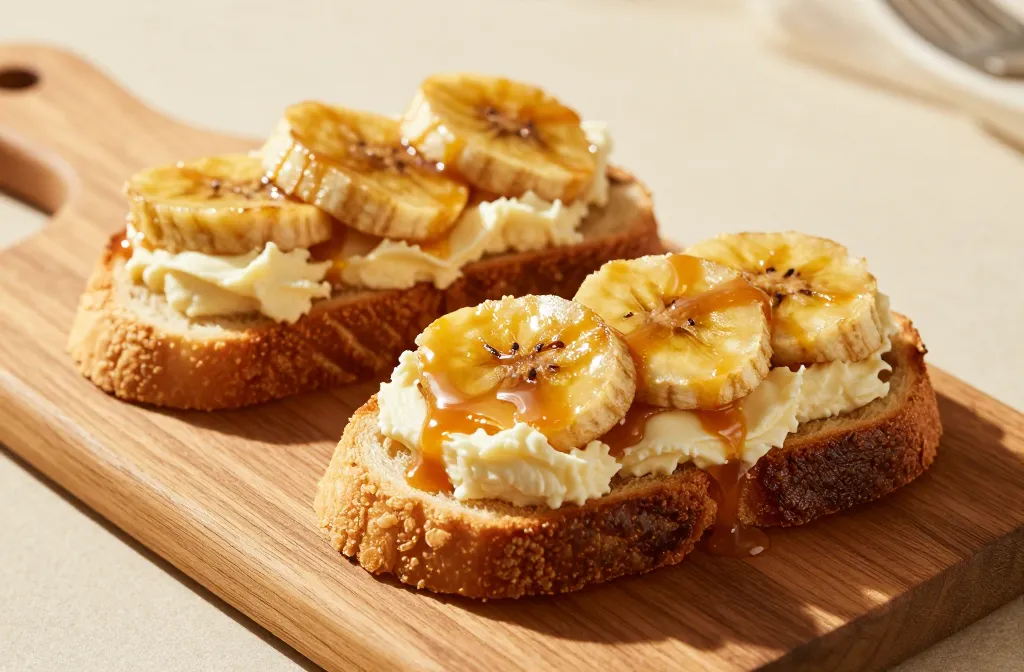
The best sugar free salted caramel sauce that actually tastes like dessert, without wrecking your keto or gluten-free plans? Yes, please. This sauce is the kind of pantry magic that turns boring breakfasts into something worth bragging about. It’s glossy, it’s decadent, and it’s sweet without the sugar crash afterward. FYI, you can practically drizzle it on anything and pretend you’re a patisserie pro.
What makes a sugar-free salted caramel so addictive (and still Keto-friendly)
– Sugar-free caramel uses high-purity sweeteners that won’t spike your blood sugar the way real sugar does. Think erythritol, monk fruit, or allulose in smart combos. – The salted element isn’t just for drama; it enhances the caramel notes and balances sweetness, so you don’t need a ton of sugar to get rich flavor. – Texture matters. The best versions feel glossy, buttery, and cling to a spoon without being gritty or watery.
My quick-start playbook: essential ingredients and what to grab
– Base fats: butter or coconut oil. Butter gives that classic caramel mouthfeel; coconut oil adds a dairy-free gloss. – Sweeteners: combine a sugar alcohol (erythritol or xylitol, if you tolerate it) with a touch of allulose or monk fruit for depth. This helps avoid that “cool” aftertaste some blends leave behind. – Flavor boosters: vanilla extract, a pinch of sea salt, cream or coconut cream for richness. – Optional: a splash of heavy cream for extra creaminess or a dab of cream cheese for tang. Tip: If you’re tasting and the sweetness feels off, you’re probably missing a pinch of salt or a touch of vanilla. Balance is the name of the game here.
How to smash it in 5 steps (no sugar shock, promise)
Heat your fats in a saucepan until they shimmer—don’t burn, we’re not deep-frying a cake here.
Add your chosen sweeteners slowly, stirring to dissolve. You want a smooth, velvety texture, not a grainy disaster.
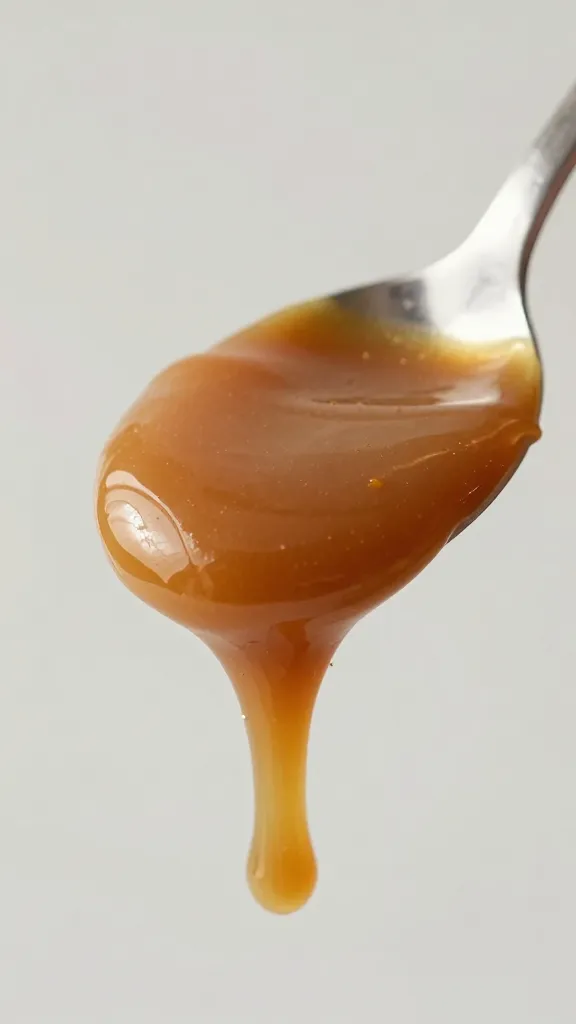
Pour in cream and a dash of vanilla. Simmer low and slow until the sauce thickens to coat the back of a spoon.
Season with salt. Taste and adjust. If it’s too sweet, add more salt or a tiny splash of cream.
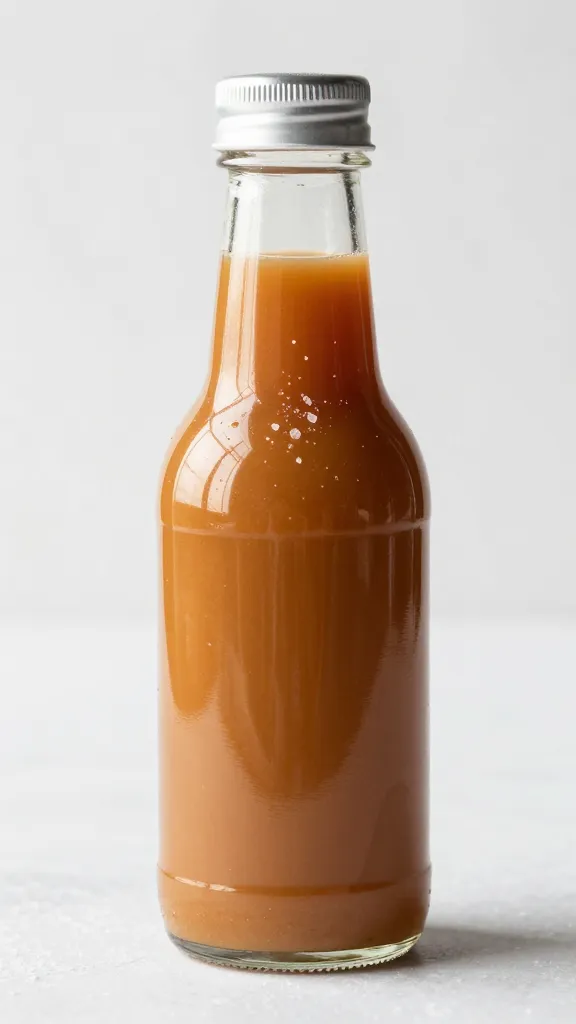
Cool a bit and store in a jar. It thickens as it cools, so don’t overcook it.
Flavor mashups: variations you’ll actually want to keep handy
Salted caramel mocha sauce
– Swap a tablespoon of your cream with brewed coffee or espresso. The bitterness cuts sweetness perfectly for a café-style drizzle.
Holiday spiced caramel
– Add a pinch of cinnamon, nutmeg, and a tiny drop of almond extract. It tastes like warm dessert in a jar.
Caramel pecan crunch
– Stir in toasted chopped pecans right at the end for texture and a nutty swagger.
Pro tips to keep it flawless every time
– Use low heat and constant stirring to avoid scorching sugarless syrups. – If it thickens too quickly, whisk in a splash of cream until you reach the desired pourability. – Chill in the fridge to set up for a thicker, more scoopable sauce. It’s amazing on low-carb ice cream or yogurt. – FYI, allulose has similar sweetness to sugar but behaves a bit differently. If you’re new to it, start with a smaller amount and increase gradually.
Common mistakes (and how to dodge them)
Overcooking: Burnt caramel tastes terrible and is hard to fix. Keep it glossy, not blackened.
Graininess: This usually means sugar crystals. Stir patiently and dissolve sweeteners fully before adding cream.
Salt hiding: If you can’t taste the salt, you probably added too much sweetener. Balance with a pinch more salt and a little vanilla.
Ingredient swaps: what to swap and what to skip
Butter-free: Use coconut oil or a neutral-tavored vegan butter for dairy-free options.
Sweetener flex: Allulose plus erythritol or monk fruit blend works well. If you’re sensitive to erythritol, swap for monk fruit alone (watch the aftertaste).
Cream choices: Use heavy cream for thickness or coconut cream for dairy-free richness. Water-based dairy substitutes thin the sauce, so avoid unless you want a lighter drizzle.
FAQ: quick answers to common questions
Is this truly sugar-free? Yes, when you choose the right sweeteners and balance with salt and vanilla, you get a dessert-like caramel without actual sugar.
Can I make this ahead? Absolutely. It keeps well in the fridge for up to 2 weeks and reheats beautifully on the stovetop with a splash of cream.
Will it work with dairy-free diets? Yes, use coconut oil and coconut cream or any dairy-free butter substitute. The texture stays glossy and smooth.
How thick should it be? Aim for a sauce that coats a spoon. If it’s too runny, simmer a bit longer; if too thick, loosen with a touch more cream.
Variations: different textures, same vibe
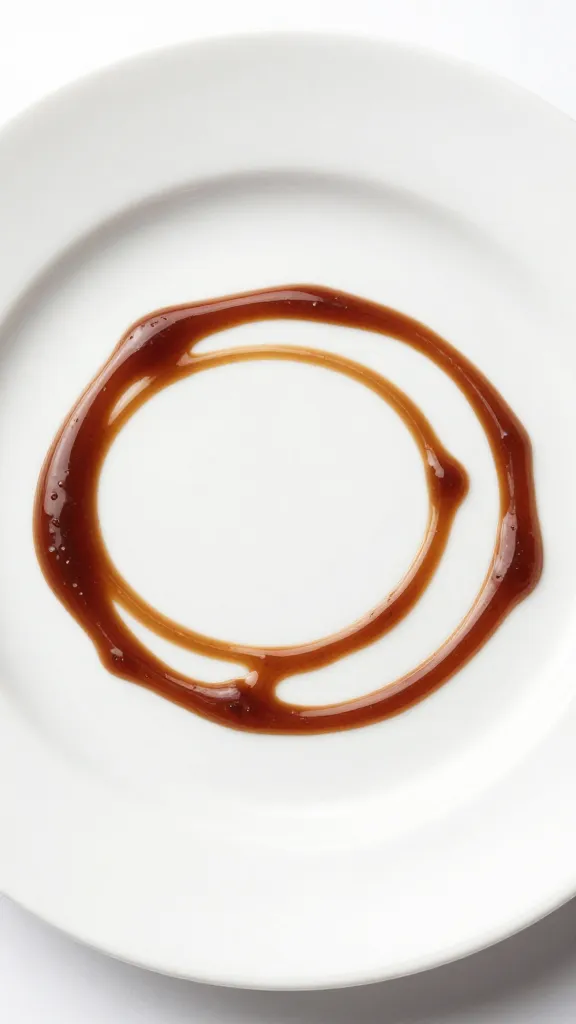
– Classic glossy: minimal cream, maximum caramel shine. – Thick enough to dip: simmer a bit longer, add a touch more cream to hit scoopable consistency. – Drizzle-friendly: add a touch of water or milk to loosen for a lighter pour on pancakes or waffles. – Chunky finish: fold in chopped nuts after the sauce has thickened for a crunchy surprise.
Brand A is convenient, but DIY lets you tailor sweetness and salt. If you love control and flavor customization, DIY wins. If you’re in a rush, Brand A does the job with decent texture and fewer kitchen experiments.
Allulose-based vs. monk fruit blend
Allulose tends to give a more sugar-like mouthfeel and fewer aftertastes, but it can be more expensive. Monk fruit blends can be great, but watch for cooling aftertastes. IMO, a mix often hits the sweet spot.
Tips for best results, summarized
Keep heat low and stir often to avoid scorching and graininess.
Balance sweetness with salt and vanilla—this is where the magic happens.
Chill for thickness, rewarm with a splash of cream to adjust texture.
Conclusion
This sugar-free salted caramel sauce isn’t just a workaround; it’s a gateway to dessert-worthy moments on a keto or gluten-free journey. It pairs with berries, drapes over cheesecakes, and turns plain yogurt into a dessert-worthy bowl. If you want a spoon-friendly, crowd-pleasing topping that won’t derail your macros, you’ve found your new best friend. So go ahead—snuggle up with a jar and pretend you’re a pastry savant, even if you’re binge-watching sci-fi at 9 PM. IMO, you deserve it.
Disclosure: This post may contain affiliate links.
If you make a purchase through these links, I may earn
a small commission at no extra cost to you.
prab chahal
Hi, I’m Prabjot Chahal – the heart (and taste buds) behind this blog!
Food has always been my love language – from experimenting with family recipes to discovering unique flavors from around the world. I believe that cooking isn’t just about following a recipe, it’s about creating moments, sharing stories, and connecting with others over something delicious. Through this blog, I want to build a vibrant food community where we share more than just recipes – we share inspiration, tips, and the joy of making and enjoying good food together. Whether you’re here for quick weekday dinners, festive treats, or creative seasonal ideas, you’re part of this table. So grab a fork (or a whisk!) and let’s cook, bake, and share our love for food – one recipe at a time.