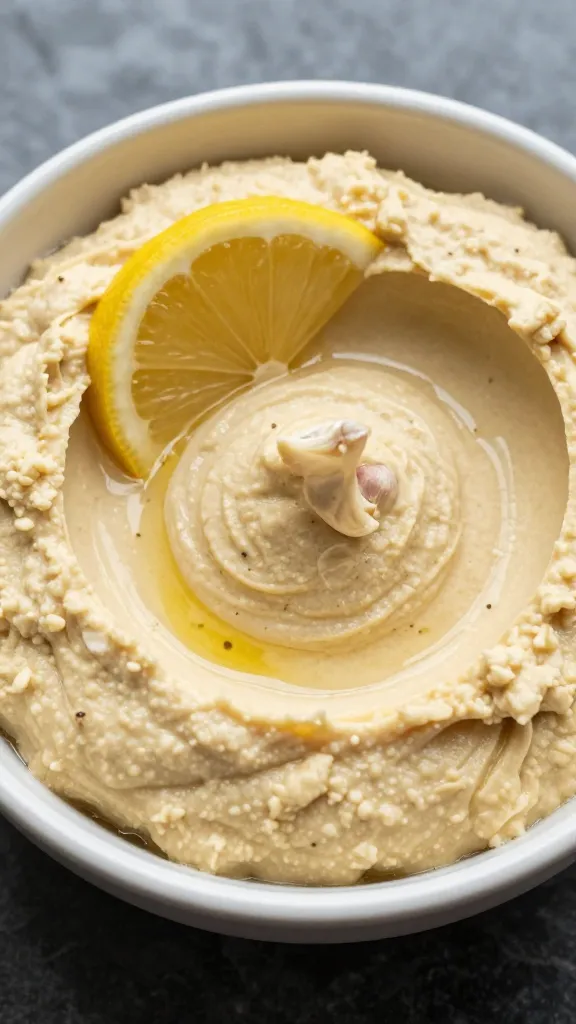
Healthy Hummus Bowl for Weight Loss (High Protein Veg Option) Ready to snack smarter without sacrificing flavor? This Healthy Hummus Bowl is a protein-packed, veggie-forward dream that actually sticks to your weight-loss goals. It’s easy, filling, and secretly addictive—if hummus could be a little life coach, this bowl would be it.
What makes this hummus bowl so gut-friendly and waist-friendly?
You don’t need fancy gadgets or a PhD in nutrition to pull this off. The base is chickpeas, which bring fiber and plant protein to the party. Swap in extra veggies for volume, and you’ve got a meal that satisfies without sending your calories on a vacation to Absurdistan. FYI, balance matters: protein, fiber, and a little healthy fat keep you full and focused through the afternoon slump.
Core ingredients that power your plate
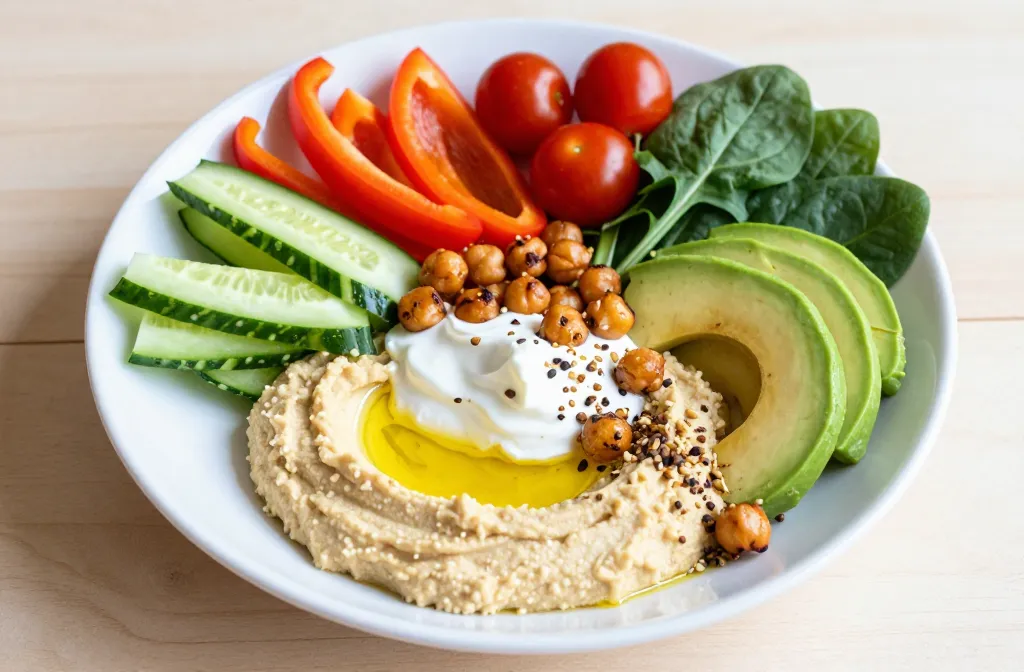
– High-protein hummus as the star: chickpeas, tahini, lemon, garlic, and a splash of olive oil. – Colorful veggies: cucumber, bell pepper, cherry tomatoes, spinach, or arugula for a nutrient boost. – Protein lift: add a scoop of Greek yogurt or a few handfuls of edamame or roasted chickpeas. – Healthy fats: a drizzle of olive oil, avocado slices, or a few olives for savor. – Texture winners: crunchy veggies and a sprinkle of roasted seeds or nuts.
How to assemble the bowl like a pro
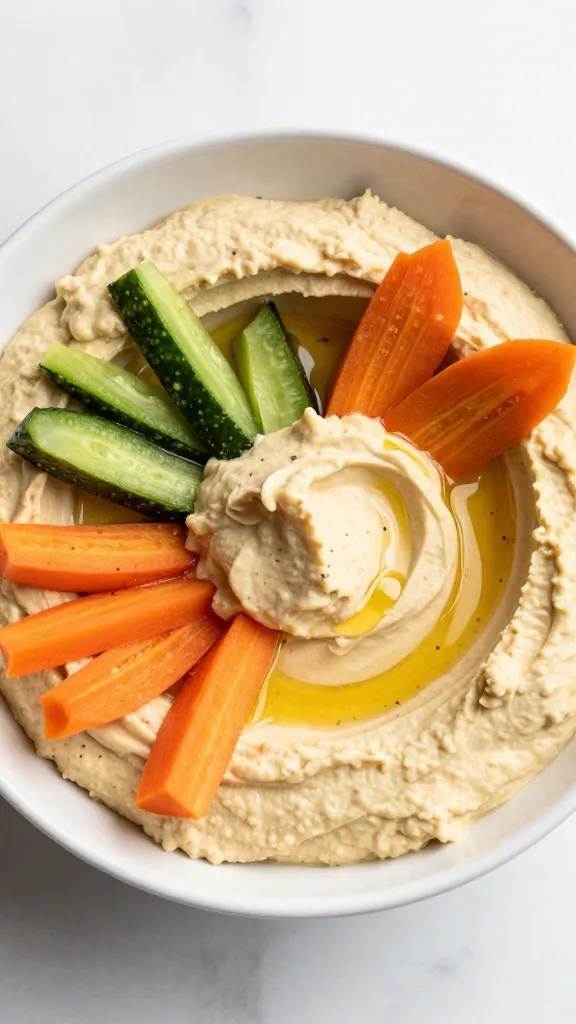
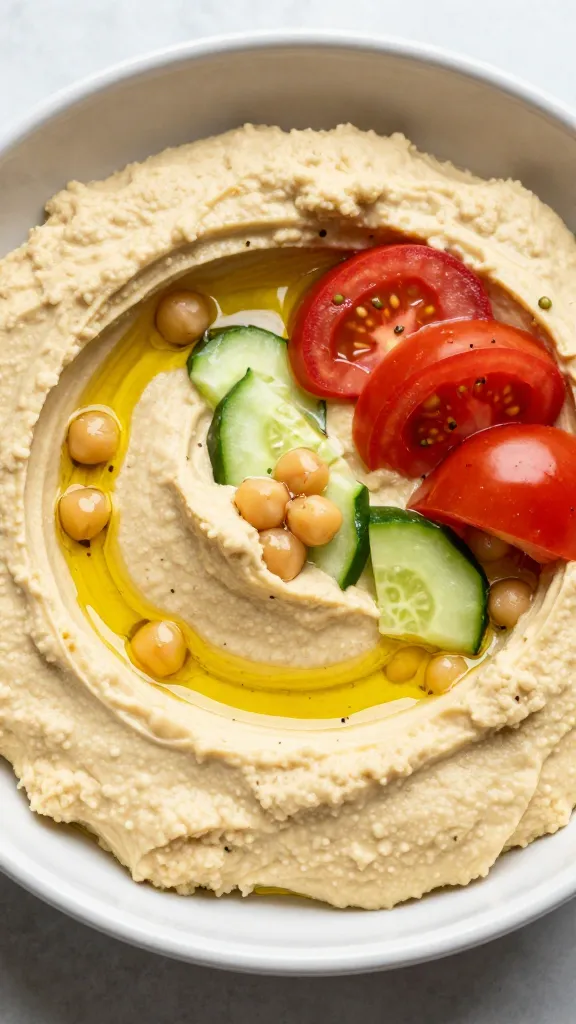
1) Start with a generous scoop of hummus as the foundation. 2) Pile on veggies in a rainbow of color. 3) Add protein on top—Greek yogurt dollops or roasted chickpeas work beautifully. 4) Finish with a light drizzle of olive oil, lemon juice, and your favorite herbs. 5) Optional: a sprinkle of chili flakes for a little wiggle.
Flavor boosters that won’t derail your goals
– Herbs and spices: za’atar, cumin, paprika, garlic powder, or fresh cilantro brighten flavors without extra calories. – Acidic brightness: lemon or lime juice wakes up the veggies and hummus. – Savory toppings: olives, sun-dried tomatoes, pickled onions, or a sprinkle of feta if you’re aiming for a higher protein punch. – Texture tricks: roasted chickpeas or pumpkin seeds add crunch and keep you satisfied longer.
Make it protein-forward without dairy drama
If you want a high-protein vegan version, keep chickpeas as your base and swap dairy in the toppings for plant-powered options. If you’re not vegan, adding a dollop of Greek yogurt increases protein even more. IMO, the balance is what matters, not rigid rules.
Subsection: Ingredient swaps for different moods
– Swap chickpeas with white beans or lentils for a different protein profile. – Use avocado for creaminess and healthy fats, or opt for tahini alone if you’re watching fat intake. – Replace Greek yogurt with a dairy-free yogurt if needed, or skip it and rely on protein from beans plus seeds.
Tips for best results
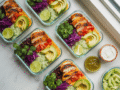
– Drain and rinse canned beans well to keep flavors clean and fiber intact. – Pat veggies dry after washing to avoid a watery bowl. – Toast seeds or nuts lightly to bring out nuttiness without burning. – If you’re prepping ahead, portion hummus and veggies separately to avoid soggy chaos.
Common mistakes
– Overloading with dense toppings that spike calories quickly. – Skipping fiber-rich veggies; it makes the bowl less satisfying. – Relying on store-bought hummus with added oils and stabilizers. DIY hummus is tastier and controlling. – Not balancing macros; a bowl with only hummus can feel rich but not filling long.
Pro tips
– Make hummus batches ahead: store in the fridge for up to a week or freeze in portions. – Use lemon zest for a brightness boost without extra acidity. – If you’re counting macros, aim for roughly 20-25g protein per serving, with fiber from veggies and beans in the 8-12g range. – Add chili for a metabolism kick—but keep it under control if spice isn’t your thing.
– Mediterranean bowl: hummus + cucumber, tomato, olives, feta, and dill. – Indian-inspired: hummus with roasted cauliflower, cilantro, and a squeeze of lime; add cumin and chili powder. – Mexican vibe: hummus, corn, bell peppers, avocado, pico de gallo, and lime. – Caprese twist: hummus topped with cherry tomatoes, fresh mozzarella, arugula, and balsamic drizzle.
Comparison blocks
– High-protein vs. standard hummus bowls: – Protein: high-protein version typically adds Greek yogurt or extra beans; standard sticks to chickpeas. – Satiety: protein-rich tweaks help keep you full longer. – Flavor: both are tasty; extra toppings can shift the balance toward fresh and zingy. – Vegan-friendly vs. dairy-inclusive bowls: – Protein source: vegan relies on beans, seeds, and dairy-free yogurt; dairy-inclusive uses Greek yogurt or feta. – Texture: dairy can add creaminess; vegan versions rely on tahini, avocado, or plant yogurts. – Digestibility: some folks digest dairy differently; vegan options can ease bloating for them.
How to pair this bowl with your day
Pair it with a light fruit smoothie for breakfast, or enjoy as a hearty lunch that keeps you energized through meetings. If you’re cooking this for dinner, throw in a side salad with leafy greens to up your fiber intake. The goal is to keep appetite in check with protein and fiber while enjoying vibrant flavors.
Frequently asked questions
Is hummus okay for weight loss? Yes. Hummus provides protein, fiber, and healthy fats. When portioned mindfully and paired with veggies, it supports fullness without wrecking your calorie budget.
How much protein should a weight-loss bowl have? Aiming for about 20-25 grams of protein per serving is a solid target for many people, but adjust to your personal needs and hunger signals.
Can I make this ahead? Absolutely. Prepare hummus, chop veggies, and store them separately. Assemble bowls when you’re ready to eat for maximum texture and flavor.
What’s the easiest protein add-on? A scoop of Greek yogurt or a handful of roasted chickpeas works wonders without complicating flavors.
Conclusion
There you have it—a healthy hummus bowl that’s high-protein, veggie-forward, and surprisingly adaptable. It’s casual enough for everyday lunches and robust enough to fuel workouts or long days. IMO, once you nail the toppings, you’ll reach for this bowl again and again—proof that healthy eating can taste delicious and feel easy. If you try it, drop a comment with your favorite swap or topping. FYI, your future self will thank you.
Disclosure: This post may contain affiliate links.
If you make a purchase through these links, I may earn
a small commission at no extra cost to you.
prab chahal
Hi, I’m Prabjot Chahal – the heart (and taste buds) behind this blog!
Food has always been my love language – from experimenting with family recipes to discovering unique flavors from around the world. I believe that cooking isn’t just about following a recipe, it’s about creating moments, sharing stories, and connecting with others over something delicious. Through this blog, I want to build a vibrant food community where we share more than just recipes – we share inspiration, tips, and the joy of making and enjoying good food together. Whether you’re here for quick weekday dinners, festive treats, or creative seasonal ideas, you’re part of this table. So grab a fork (or a whisk!) and let’s cook, bake, and share our love for food – one recipe at a time.