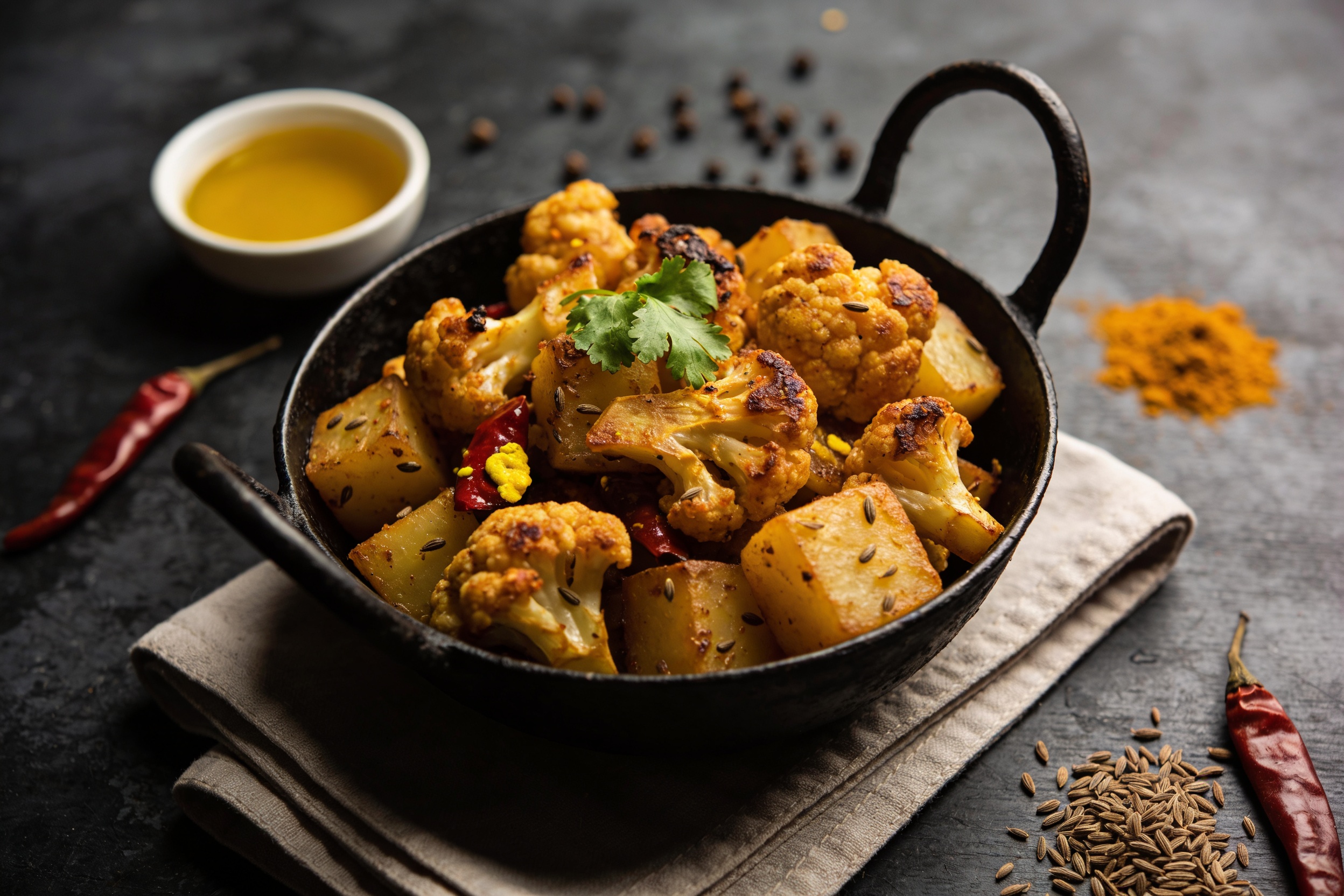
Aloo Gobi doesn’t need a sales pitch. It’s cauliflower and potatoes cozying up in a pan with warm spices until they taste like a hug. It’s simple, it’s cheap, and when you get it right, you’ll wonder why restaurants charge you extra for it. Let’s nail the authentic, homestyle version you’ll crave on weeknights and proudly serve on weekends.
What Makes Aloo Gobi “Authentic” Anyway?
Authentic doesn’t mean complicated. In Indian homes, aloo gobi rarely swims in sauce or needs fancy ingredients. You build flavor from a few basics, cook it gently, and let the veggies shine. The result? Tender potatoes, caramelized cauliflower, and spices that don’t shout— they whisper, then stick around. Key idea: Keep it dry-ish (aka sabzi style), not gravy-heavy. Use whole spices for depth. And don’t drown it in oil. Your taste buds will thank you.
Ingredients That Actually Matter
You don’t need a shopping cart, just a basket. Let’s keep it lean and true to North Indian home cooking. For 4 servings:
2 tablespoons neutral oil (mustard oil if you want extra punch)
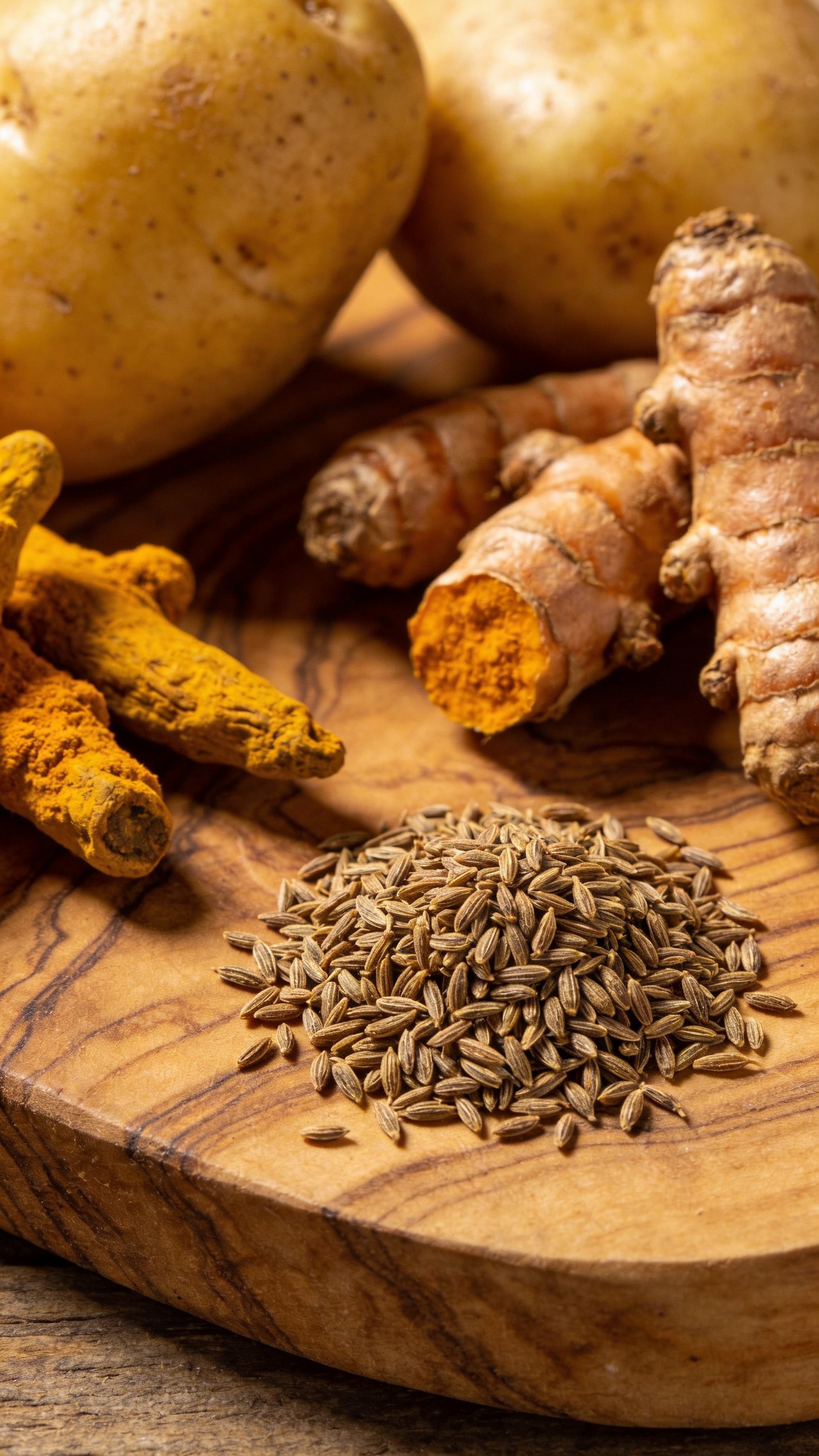
1 teaspoon cumin seeds
1 medium onion, finely chopped (optional but lovely)
2 medium potatoes, peeled and cut into 1/2-inch cubes
1 small to medium cauliflower, cut into small florets
1 medium tomato, chopped (or 2 tablespoons crushed tomatoes)
1–2 green chilies, slit (adjust to taste)
3/4 teaspoon turmeric powder
1 teaspoon coriander powder
1/2–3/4 teaspoon Kashmiri red chili powder (for color and mild heat)
1/2 teaspoon garam masala
1 teaspoon amchur (dry mango powder) or 1–2 teaspoons lemon juice
Salt to taste
Fresh cilantro, chopped (a small handful)
Optional upgrades (choose 1–2, don’t go wild):
1/2 teaspoon cumin powder for extra earthiness
1/2 teaspoon kasuri methi (dried fenugreek leaves), crushed at the end
Pinch of asafoetida (hing) for that restaurant-level aroma
Prep Smart So Cooking Feels Effortless
You can wing this, but just a little prep keeps everything from turning mushy.
Chop sizes matter
– Keep potato cubes small and even (about 1/2 inch). They cook faster and won’t bully the cauliflower. – Break the cauliflower into small florets, not giant trees. Smaller pieces caramelize better.
Quick pre-steps
– Rinse cauliflower florets and pat dry. Wet florets steam instead of brown. – If your potatoes are super starchy, soak them in cold water for 5 minutes, then drain and pat dry. FYI, this helps keep the sabzi from turning gluey.
Step-by-Step: The Homestyle Method
Ready to cook? This takes about 30–35 minutes, tops.
Heat oil in a wide pan over medium heat. Add cumin seeds. When they sizzle and darken slightly, add a pinch of hing if using.
Add onion (if using). Sauté until light golden. Add ginger-garlic paste and cook until the raw smell vanishes—about 45–60 seconds.
Toss in potatoes. Stir, let them get a little color (2–3 minutes). Sprinkle a pinch of salt.
Add cauliflower florets. Stir to coat everything in the oil and aromatics. Let it sit for a minute to sear lightly.
Lower heat slightly. Add turmeric, coriander powder, and Kashmiri chili powder. Stir well. Add tomato and green chilies. Mix until tomato softens, 2–3 minutes.
Cover and cook on low-medium heat for 12–15 minutes. Stir every 3–4 minutes so nothing sticks. If it threatens to burn, sprinkle 1–2 tablespoons of water—don’t pour a waterfall, IMO that ruins texture.
When potatoes feel tender and cauliflower soft with a slight bite, uncover. Crank heat to medium-high for 1–2 minutes to evaporate excess moisture and get light browning. Don’t stir like a DJ—gentle flips only.
Turn off heat. Sprinkle garam masala and amchur (or lemon). Crush kasuri methi between your palms and add if using. Adjust salt. Finish with chopped cilantro.
Target texture: Soft but intact potatoes, cauliflower with lightly caramelized edges, and a dry, spiced coating that clings to every bite.
– Start medium for blooming spices, go low to cook through, finish hot to brown. – If you rush on high, you’ll scorch spices and get raw centers. If you baby it the whole time, you’ll get a soggy mush. Balance is the move.
Acidity is non-negotiable
– Amchur brings that gentle tangy finish. Lemon works, but add it off heat so it stays bright. – Tomatoes add body, but don’t turn it into a gravy pit.
Oil: enough, not excessive
– You need enough fat to bloom spices and carry flavor. – If the pan looks dry and sticky mid-cook, add 1 teaspoon oil rather than water for better flavor (occasional cheat, I won’t tell).
Variations That Still Feel Authentic
Traditional doesn’t mean rigid. Regional spins exist for a reason.
Punjabi-style: Add a bay leaf and a little cumin-coriander powder. Finish with kasuri methi and a touch of ghee for richness.
With peas (aloo gobi matar): Add 1/2 cup green peas in the last 5 minutes. Super classic, super pretty.
No-onion, no-garlic: Skip both. Use extra ginger, a pinch more hing, and rely on tomatoes and amchur for brightness. Still amazing.
Spice-forward: Toast 1 teaspoon whole coriander seeds and 1/2 teaspoon cumin, grind, and add with the powdered spices. Next-level aroma.
Serving It Like You Mean It
You can eat this with literally anything carb-shaped, but some pairings just hit harder.
Roti or phulka: The classic. Warm, soft, and perfect for scooping.
Paratha: If you want a little extra indulgence. Add yogurt on the side.
Jeera rice: Lightly spiced cumin rice makes a great backdrop.
Pickle and raita: A spoon of mango or lime pickle + a cooling cucumber raita turns this into a legit meal.
Leftovers, but make them fun
– Stuff cold aloo gobi into a wrap with greens and chutney. – Smash it lightly and use as a paratha filling. Breakfast of champions, FYI.
Troubleshooting: Avoid the Mush
Mistakes happen. Here’s the fix-it guide.
Veggies fall apart? You cut them too small or over-stirred. Next time, bigger florets and gentler flips.
Too wet? You added too much tomato or water. Cook uncovered on medium-high for a few minutes to dry it out.
No flavor? You skimped on salt or didn’t bloom spices in oil. Salt in layers and give spices some sizzle time.
Too spicy? Stir in a knob of butter or a spoon of yogurt off heat, and serve with extra roti. Crisis averted.
FAQ
Can I roast the cauliflower first for extra flavor?
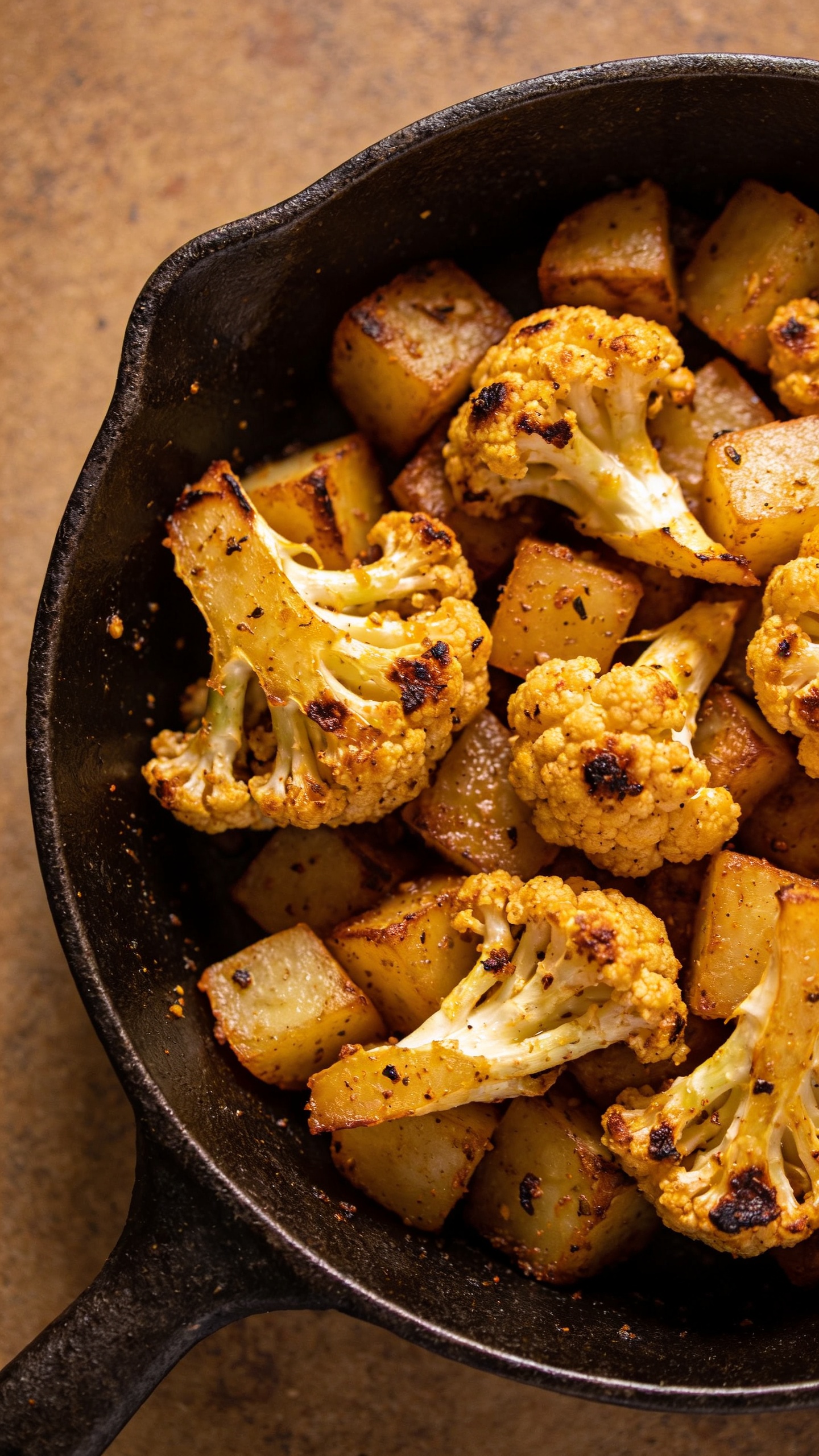
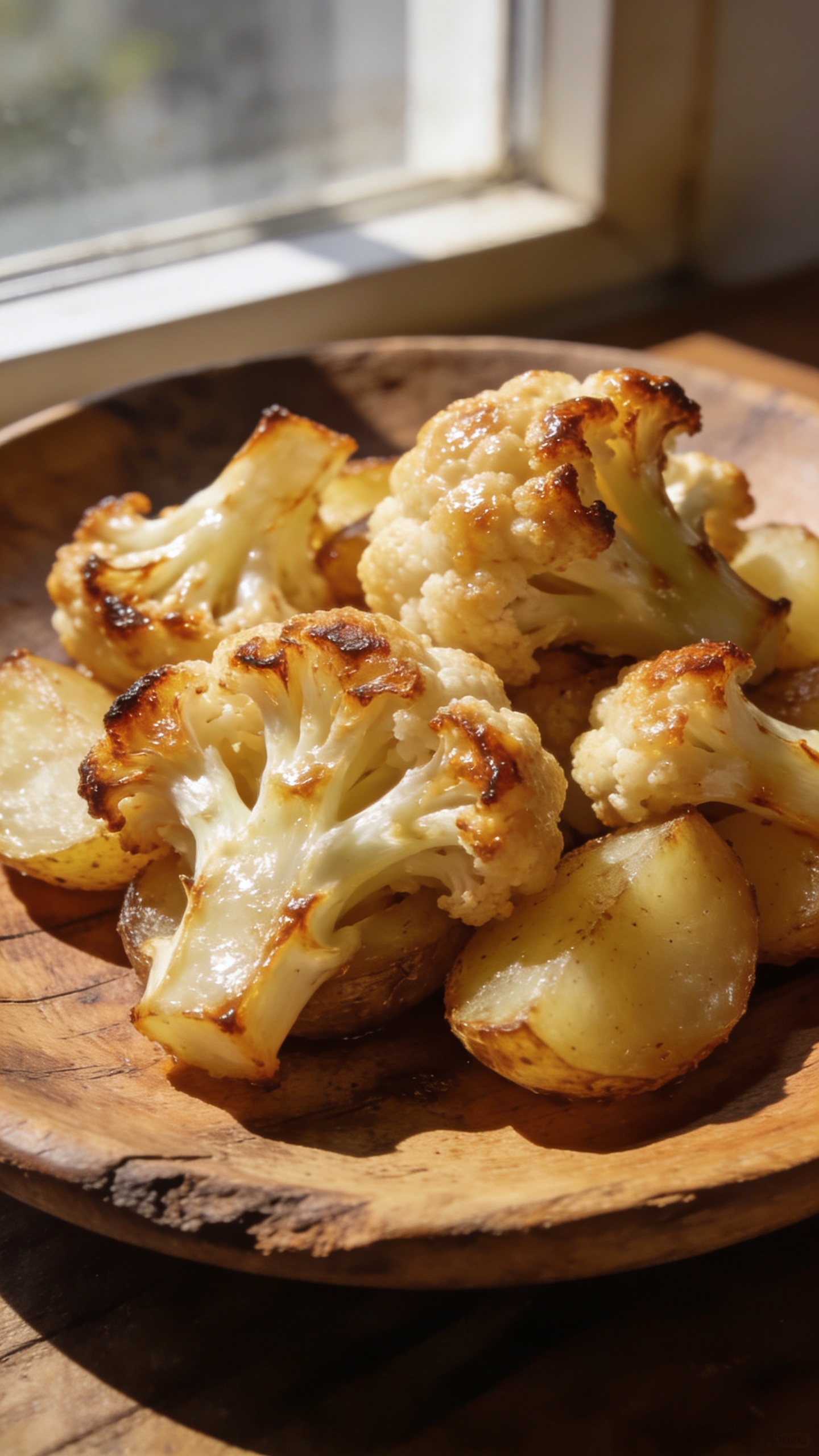
Absolutely. Toss florets with a little oil, salt, and turmeric; roast at 425°F (220°C) for 15–20 minutes until edges brown. Add them in during the last 5–7 minutes of cooking. You’ll get great texture and less risk of sogginess.
Do I need garam masala?
Short answer: it helps. Long answer: use a light hand. Garam masala finishes the dish with warmth, but too much turns the flavor muddy. Start with 1/2 teaspoon and adjust IMO.
What if I can’t find amchur?
Use lemon juice at the end or a tiny splash of tamarind water. The goal is brightness, not a sour bomb. Taste and add gradually.
Can I make this oil-free?
You can dry-sauté with a splash of water or veggie stock, but you’ll lose some depth. To compensate, toast whole spices in a dry pan first, then add the veggies. Finish with a squeeze of lemon and fresh cilantro.
How do I keep potatoes from sticking to the pan?
Use a wide, heavy pan and don’t overcrowd. Heat the oil properly, salt early, and stir only every few minutes. If it still sticks, a teaspoon more oil beats scraping charred bits—your future self agrees.
Is this freezer-friendly?
It freezes okay, not great. Potatoes change texture after thawing. If you must, undercook slightly, cool completely, and freeze in a flat layer. Reheat covered on low with a splash of water, then finish hot to re-crisp.
Final Thoughts
Aloo gobi rewards patience and restraint. Keep the spice list short, control the heat, and let your veggies do their thing. The result tastes clean, warm, and deeply satisfying—like comfort food with actual character. Make it once, tweak it to your vibe, and boom: your new weeknight hero.
Disclosure: This post may contain affiliate links.
If you make a purchase through these links, I may earn
a small commission at no extra cost to you.
prab chahal
Hi, I’m Prabjot Chahal – the heart (and taste buds) behind this blog!
Food has always been my love language – from experimenting with family recipes to discovering unique flavors from around the world. I believe that cooking isn’t just about following a recipe, it’s about creating moments, sharing stories, and connecting with others over something delicious. Through this blog, I want to build a vibrant food community where we share more than just recipes – we share inspiration, tips, and the joy of making and enjoying good food together. Whether you’re here for quick weekday dinners, festive treats, or creative seasonal ideas, you’re part of this table. So grab a fork (or a whisk!) and let’s cook, bake, and share our love for food – one recipe at a time.