Eggs can taste like a luxury if you treat them right. French scrambled eggs prove it: slow-cooked, creamy, and so soft they practically spoon themselves. No rubbery curds, no dry bits, just silky folds that feel fancy without trying. If you want eggs that whisper “bistro brunch” without leaving your kitchen, you’re in the right place.
What Makes French Scrambled Eggs Different?
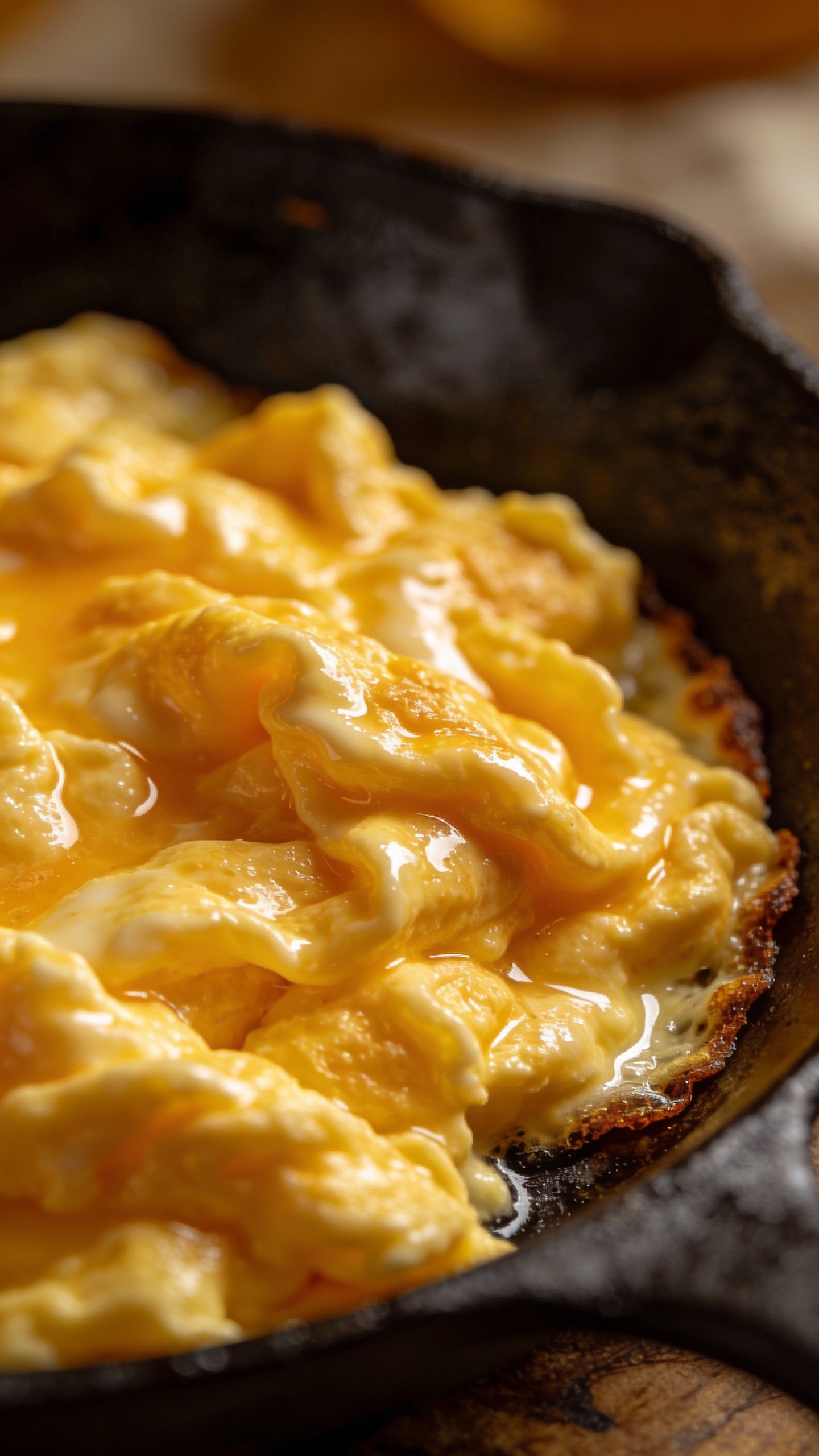
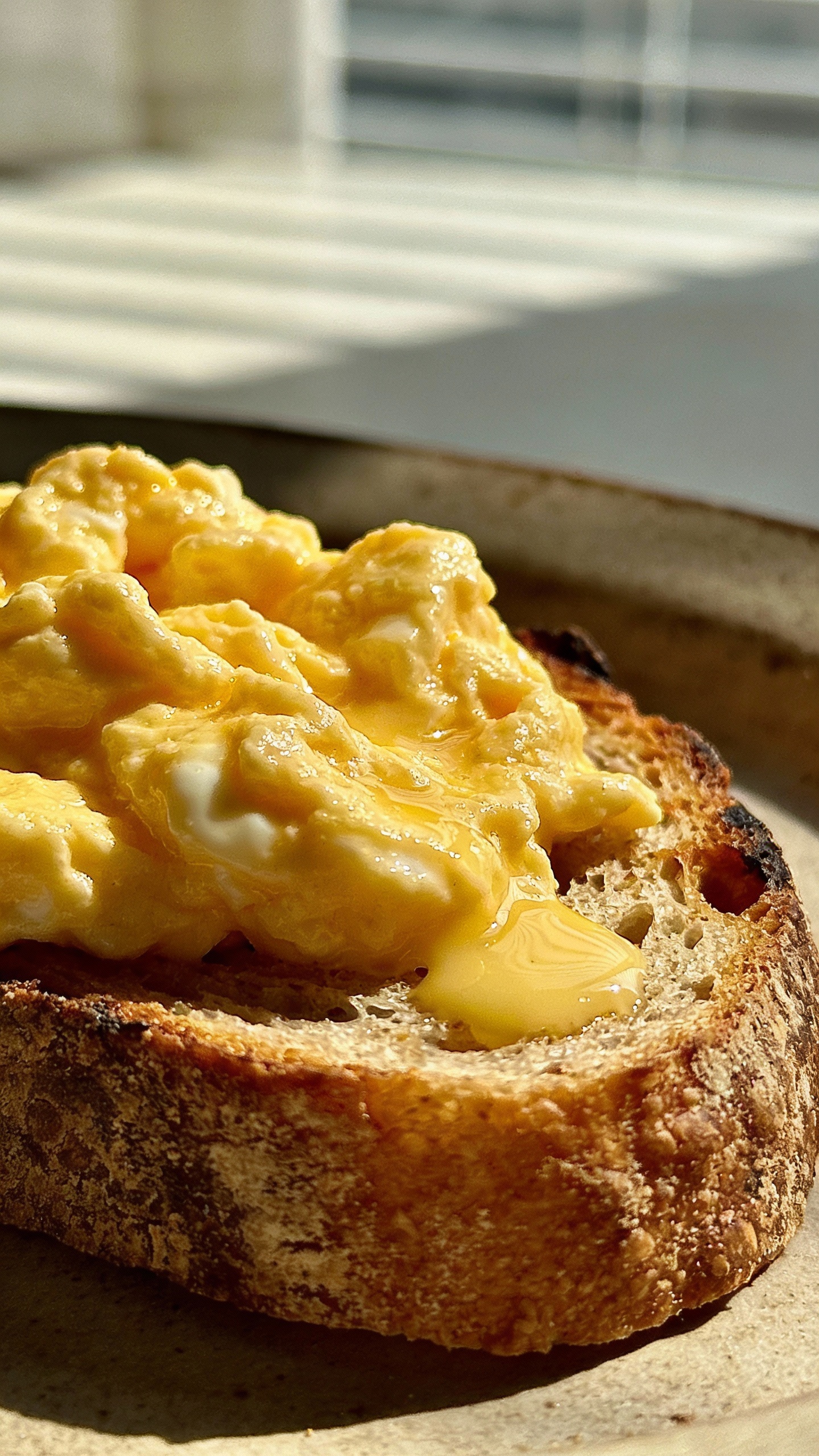
Most of us grew up with quick-scramble eggs: high heat, fast stir, big curds. French-style goes in the opposite direction. You cook low and slow, stir constantly, and pull them off the heat just before you think they’re done. The result? Creamy, custardy eggs with tiny, delicate curds that melt on toast. You barely let them set. They stay glossy, a little saucy, and rich without needing a mountain of butter. Although, FYI, butter still makes them better.
The French Scrambled Eggs: Ingredients That Actually Matter
You don’t need a long shopping list. You just need better basics.
Eggs: Fresh eggs taste sweeter and set smoothly. Use 2–3 per person.
Butter: Unsalted, because you’ll control the salt. About 1 tablespoon per 2–3 eggs.
Cream or Crème Fraîche (optional): A spoonful for extra silk. Crème fraîche also cools the pan and softens the curds.
Salt: Fine sea salt distributes evenly. Season lightly at first.
Chives or herbs (optional): For freshness and a pop of color.
Pro tip: Skip milk. It thins the eggs and can make them watery. Cream or crème fraîche, on the other hand, adds luxe texture.
French Scrambled Eggs: Equipment You’ll Actually Use
The right tools make this way easier. You don’t need fancy equipment, just smart choices.
Nonstick pan or well-seasoned skillet: 8–10 inches for 2–4 eggs. Nonstick lowers stress.
Silicone spatula: Flexible, gentle, and perfect for constant stirring.
Small bowl and whisk or fork: Beat those eggs smooth, no streaks.
Why low heat isn’t negotiable
Low heat keeps the proteins from tightening too fast. That means no spongy, squeaky eggs. The slower you go, the creamier it gets. Yes, patience required. Worth it? 100%.
Step-by-Step: Foolproof French Scrambled Eggs
You’ll cook these slower than you think. If you feel bored, you’re doing it right.
Beat the eggs: Crack 2–3 eggs per person into a bowl. Add a pinch of salt. Whisk until totally uniform and slightly frothy—no streaks of white.
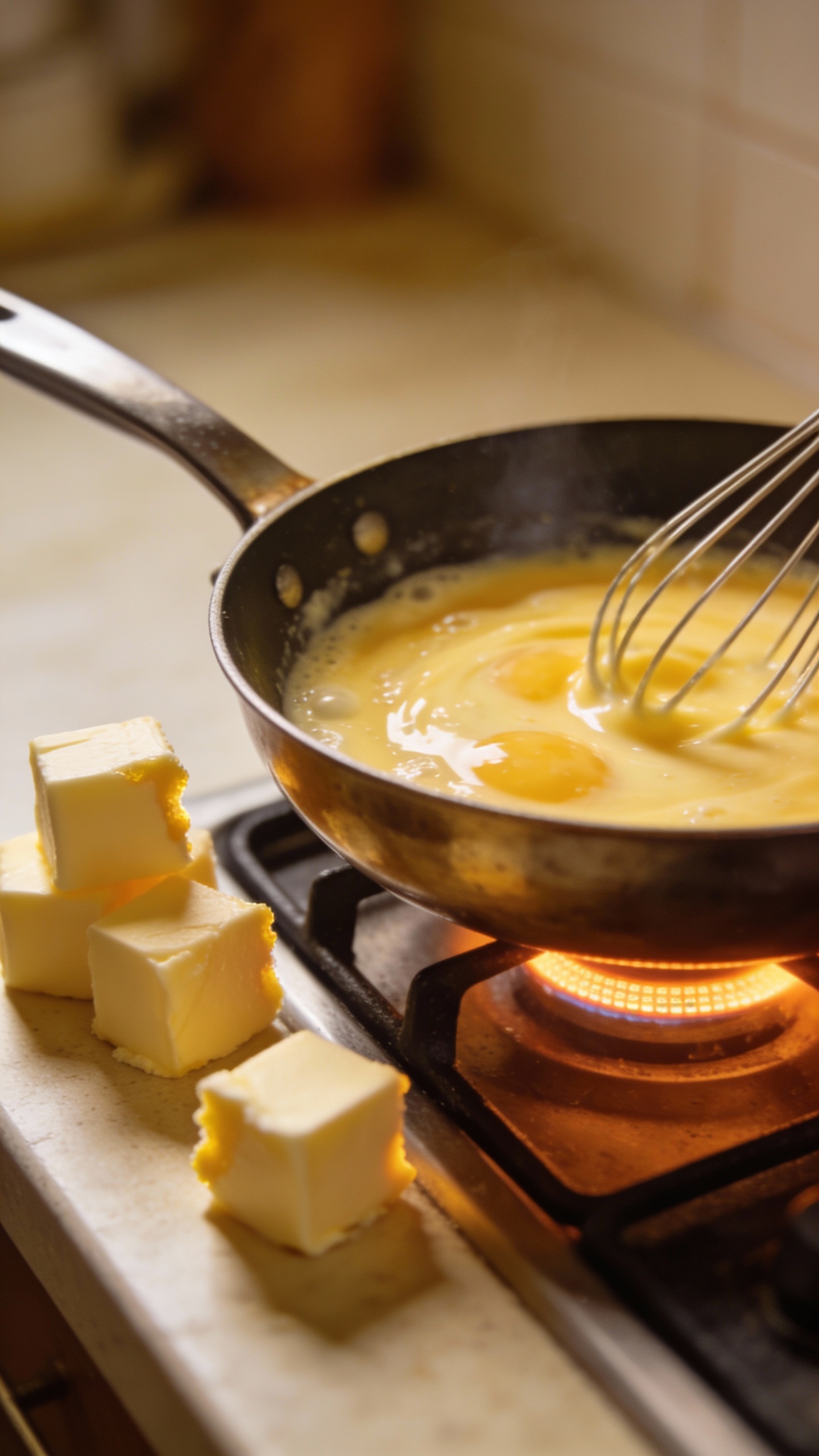
Heat the pan low: Set the pan over low heat. Add butter and let it melt gently, not sizzle. If it browns, the heat’s too high.
Add the eggs: Pour in the eggs and start stirring right away with the spatula. Slow, constant movement. Scrape the bottom and sides.
Control the heat: If you see big curds forming fast, lift the pan off the heat for a few seconds. Keep stirring. The residual heat keeps things moving.
Get glossy: After 3–6 minutes (depends on your stove), the eggs will thicken into a soft, creamy mass. When they look slightly looser than you want, remove from heat.
Finish with richness: Stir in a spoon of crème fraîche or a splash of cream if you like. Adjust salt. A twist of pepper, maybe chives. Serve immediately.
Remember: Eggs keep cooking off the heat. Pull them early for perfect texture.
What “done” looks like
Think softly set risotto—glossy, spoonable, and barely holding its shape. If you can mound them like mashed potatoes, you went too far. Still tasty, but we’re aiming for silky, not sturdy.
French scrambled eggs: Flavor Upgrades That Don’t Break the Vibe
French scrambled eggs shine with simplicity, but let’s be honest—we love a bit of flair.
Fresh herbs: Chives, tarragon, parsley. Add at the very end for color and lift.
Cheese: Fine shavings of Parmigiano or a few crumbles of goat cheese. Add off heat to avoid clumps.
Mushrooms: Sauté separately until browned, then fold into the finished eggs.
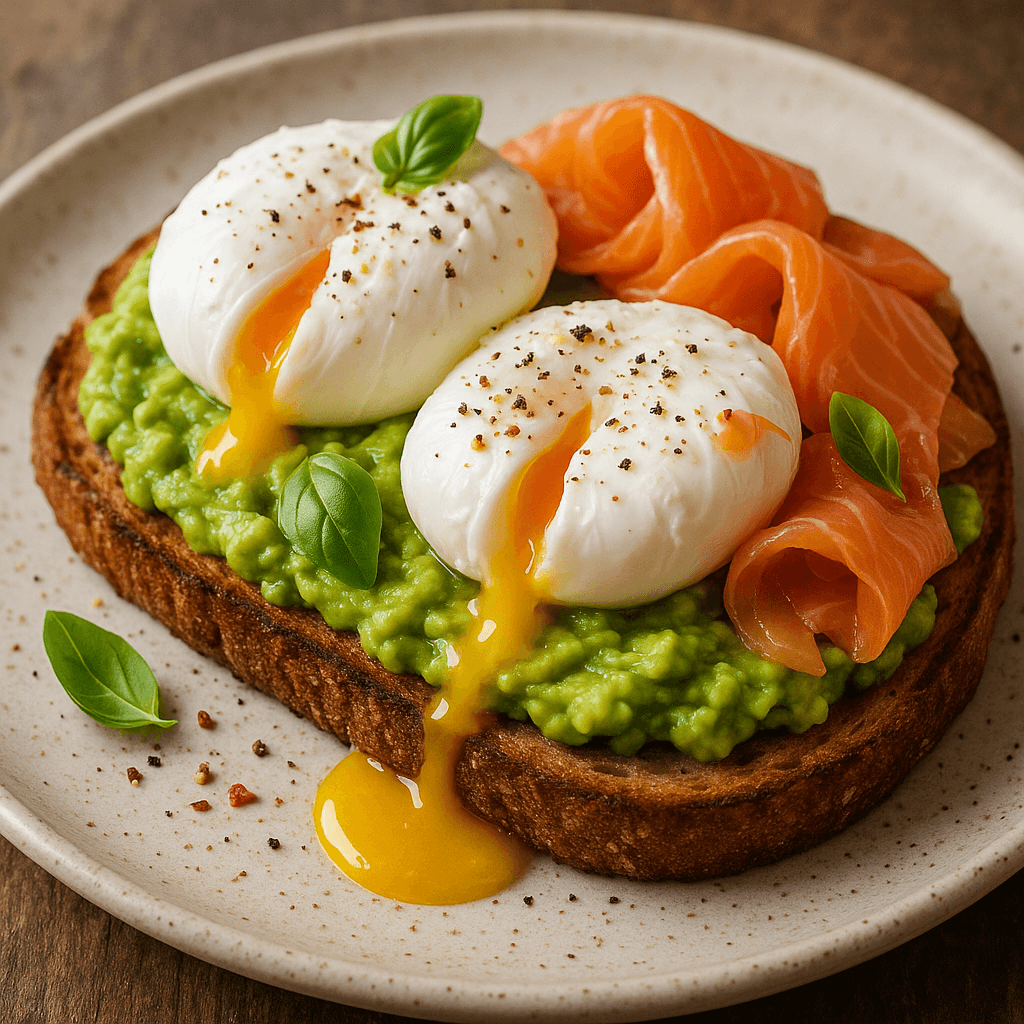
Smoked salmon: Add ribbons right before serving. Don’t cook it in, unless you want sad salmon.
Truffle oil or butter: A tiny drizzle goes a long way. Emphasis on tiny.
Things that ruin the texture
– Too much liquid (milk, watery veggies). – Overheating the pan. – Leaving the eggs unattended “for just a sec.” Don’t. They’ll overcook while you blink.
French Scrambled Eggs Serving Ideas: Make It a Meal
You can spoon these eggs on literally anything, but some combos hit harder.
Buttered toast: Sourdough or brioche. Toasted golden, not dry. The eggs need a soft bed.
Avocado base: Smashed with lemon and flaky salt. Eggs on top = chef’s kiss.
On greens: Warm eggs over arugula with olive oil and lemon. Brunch salad, but not sad.
With roasted tomatoes: Sweet acidity cuts the richness. IMO, underrated pairing.
Breakfast-for-dinner plate: Eggs, roasted potatoes, and a simple cucumber salad.
French Scrambled Eggs: Common Mistakes (And How to Fix Them)
We’ve all been there. Here’s how to rescue things when your eggs go rogue.
They turned dry: Stir in a spoon of crème fraîche or a splash of warm cream. Not perfect, but it helps.
They’re watery: You probably added milk or undercooked. Keep stirring over very low heat for another minute.
They scrambled too fast: Your pan was too hot. Next time, preheat on low for longer and remove the pan from heat periodically.
They taste flat: Add a pinch more salt and a few chives or a squeeze of lemon. Brightness saves richness.
Salt timing, decoded
I salt before cooking to help the eggs hold moisture and taste seasoned throughout. Some folks salt at the end to avoid thinning. Both work, but pre-salting gives more even flavor, especially when you cook low and slow.
Technique Tips from the “Why” Department
Curious why this style hits different? Tiny science moment.
Low heat equals tender proteins: Eggs set around 160°F. Keep it lower and slower for finer curds.
Constant stirring creates creaminess: You disrupt curd formation, so you get smaller, softer curds that feel saucy.
Fat keeps things silky: Butter and crème fraîche coat the proteins and keep them from tightening too much.
Residual heat finishes the job: Pull early so carryover cooking lands you at perfection.
FAQ About French scrambled eggs
Can I make French scrambled eggs without dairy?
Yes. Use olive oil instead of butter and skip the cream. The technique still delivers creamy eggs because the constant stirring and low heat create tiny curds. Want extra richness? A drizzle of good olive oil at the end works wonders.
Do I need a nonstick pan?
Highly recommended, but not mandatory. A very well-seasoned carbon steel or cast iron pan works if you keep the heat low and move constantly. If your eggs stick often, it’s not you—it’s the pan.
How long should I cook them?
Usually 3–6 minutes on low heat for 2–3 eggs. Stoves vary. Go by texture, not time. When they look slightly looser than you want, remove from heat and finish with cream or crème fraîche.
Should I add milk?
IMO, skip it. Milk makes eggs pale and can water them down. If you want richness, use a teaspoon or two of cream or crème fraîche at the end. It gives silk, not soup.
Can I make a big batch?
You can, but it’s tricky. Large batches overcook easily. If you’re feeding a crowd, cook in smaller rounds or use two pans. Keep finished eggs very gently warm over a water bath and stir in a little crème fraîche to keep them glossy.
What’s the best way to reheat leftovers?
Low and slow, again. Warm in a nonstick pan over the lowest heat with a splash of cream or a dab of butter. Stir constantly for a minute or two. Or eat them cold on toast—honestly pretty great.
Conclusion On French scrambled eggs
French scrambled eggs don’t need a culinary degree—just low heat, a spatula, and five minutes of patience. Stir constantly, pull early, and finish with a touch of something creamy. You’ll get soft, velvety eggs that feel restaurant-level with zero fuss. Try them once and, FYI, your old high-heat scramble might feel like ancient history.
Disclosure: This post may contain affiliate links.
If you make a purchase through these links, I may earn
a small commission at no extra cost to you.
prab chahal
Hi, I’m Prabjot Chahal – the heart (and taste buds) behind this blog!
Food has always been my love language – from experimenting with family recipes to discovering unique flavors from around the world. I believe that cooking isn’t just about following a recipe, it’s about creating moments, sharing stories, and connecting with others over something delicious. Through this blog, I want to build a vibrant food community where we share more than just recipes – we share inspiration, tips, and the joy of making and enjoying good food together. Whether you’re here for quick weekday dinners, festive treats, or creative seasonal ideas, you’re part of this table. So grab a fork (or a whisk!) and let’s cook, bake, and share our love for food – one recipe at a time.