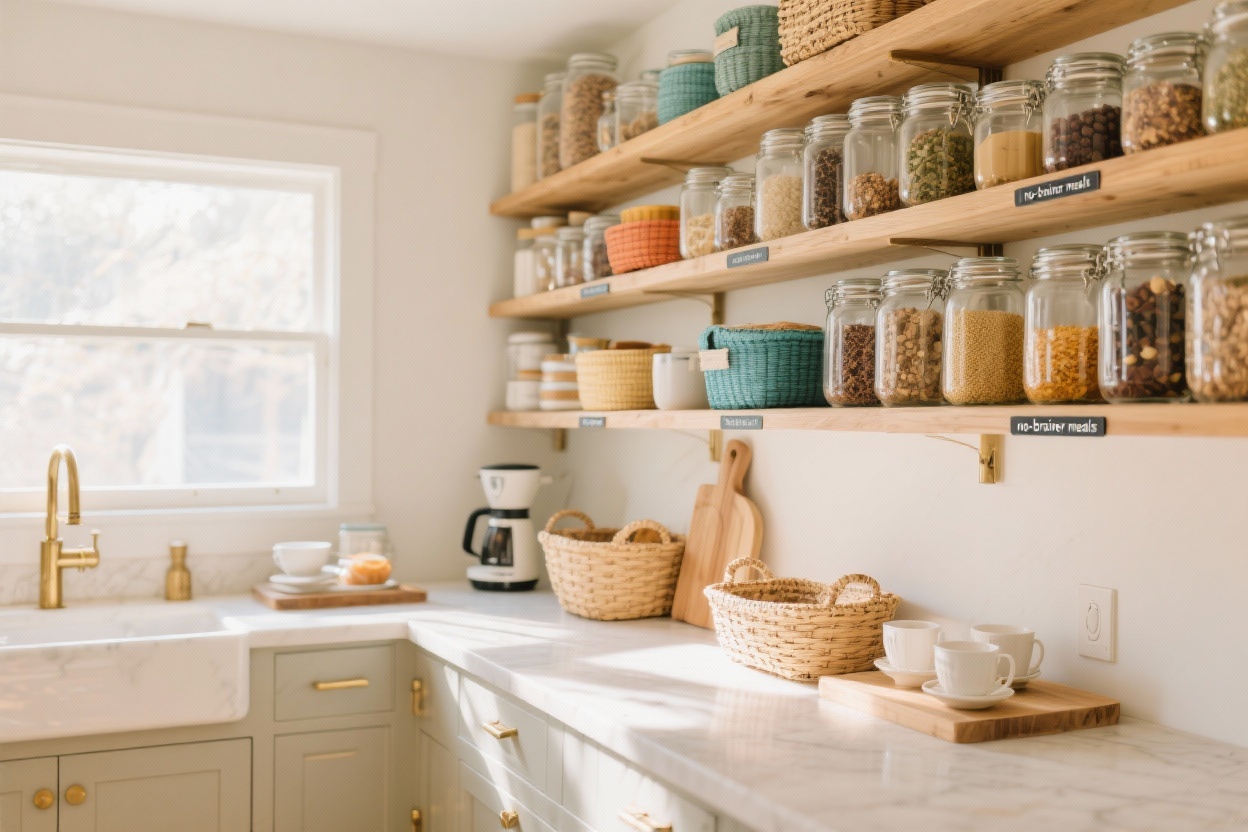
You’re hungry, you’re busy, and the pantry looks like a snack tornado touched down. Let’s fix that—without turning you into a meal-prep robot. This is pantry organization for women who want fewer decisions, faster dinners, and a space that basically whispers, “You’ve got this.”
1. Pantry organization: Build A “Default Dinner” Zone So You Can Cook on Autopilot
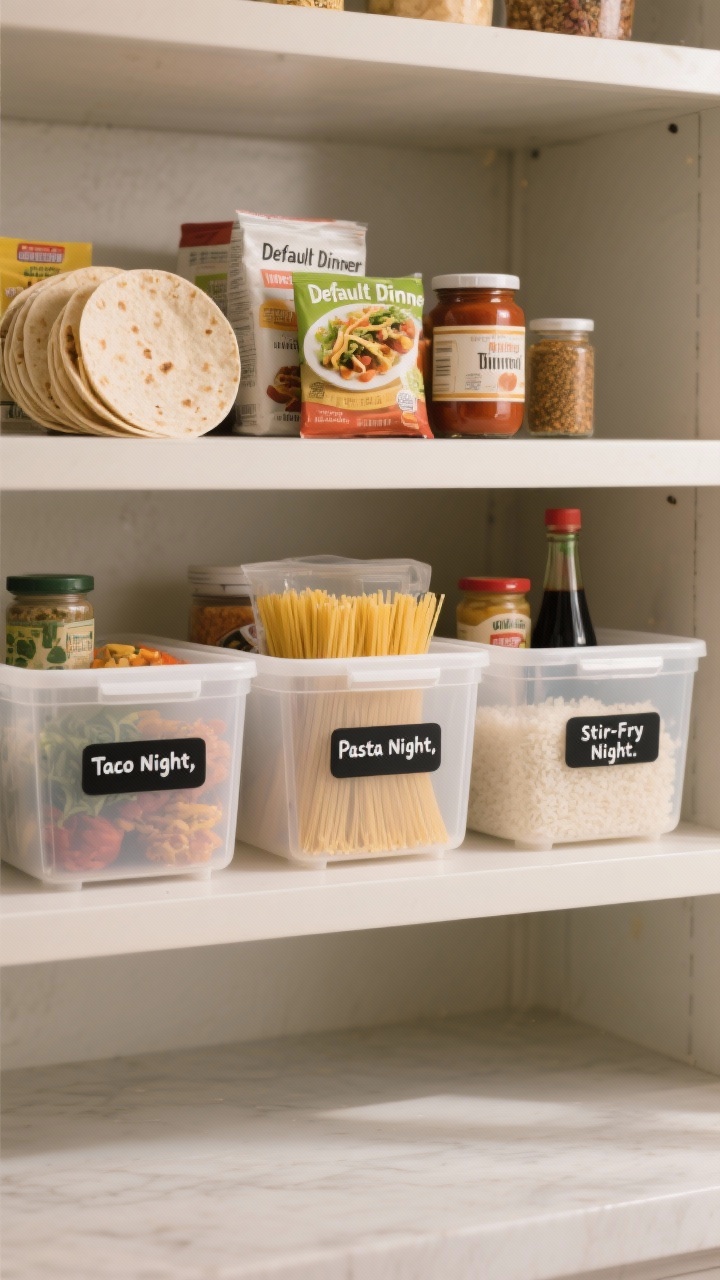
Decision fatigue is real. Create a shelf or bin that holds everything for your top three go-to dinners—no thinking, just grabbing. When you’re exhausted, your pantry should serve up dinner ideas like a helpful bestie.
How To Set It Up
- Pick 3 repeat meals: Think tacos, pasta + jarred sauce, stir-fry with instant rice. Done.
- Bundle ingredients: Use labeled bins like “Taco Night,” “Pasta Night,” and “Stir-Fry Night.”
- Pre-portion extras: Keep spice packets, tortillas, and shelf-stable toppings right in the bin.
Now you’ve got plug-and-play dinners. If it feels like cheating, that’s because it is—and it’s fabulous.
2. Pantry organization: Create “Snack Stations” That Practically Serve Themselves
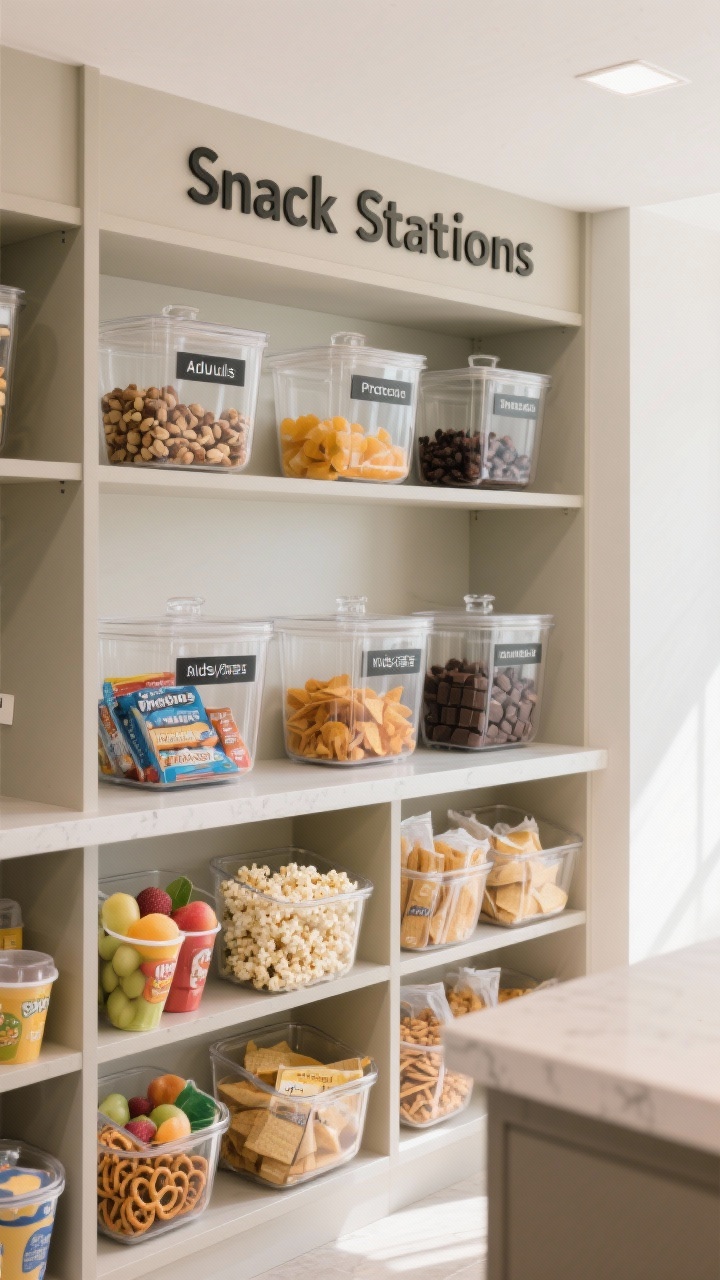
Snacks are where chaos starts. Corralling them keeps you sane and the counter clear. Plus, it stops the 5 p.m. snack scavenger hunt.
Two-Tier Snack Strategy
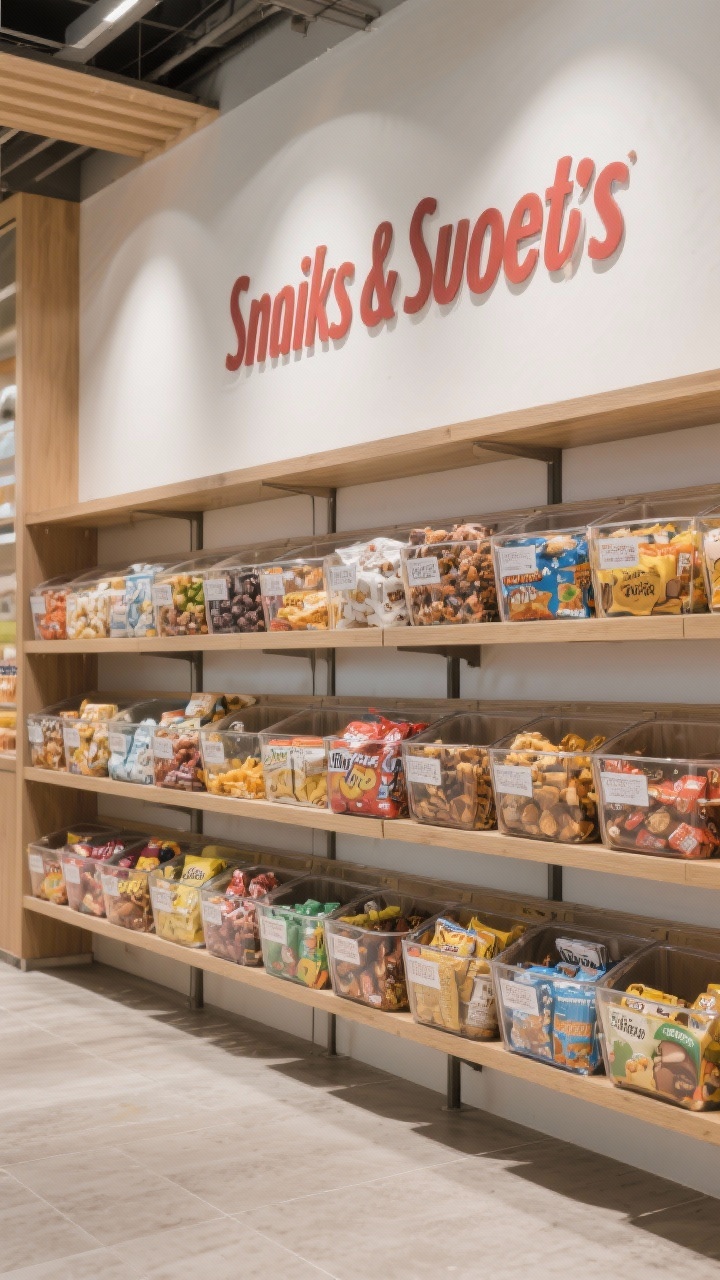
- Eye-level bins for grown-ups: Nuts, protein bars, dried fruit, dark chocolate (non-negotiable).
- Kid- or guest-friendly bin lower down: Fruit cups, popcorn, pretzels. Portion them in grab-and-go bags.
Bonus: Use clear canisters for chips and crackers. You’ll restock before the “crumbs-only” tragedy happens. FYI, labels stop arguments about which bin is whose.
3. Use The 5-Zone Layout To Eliminate Chaos
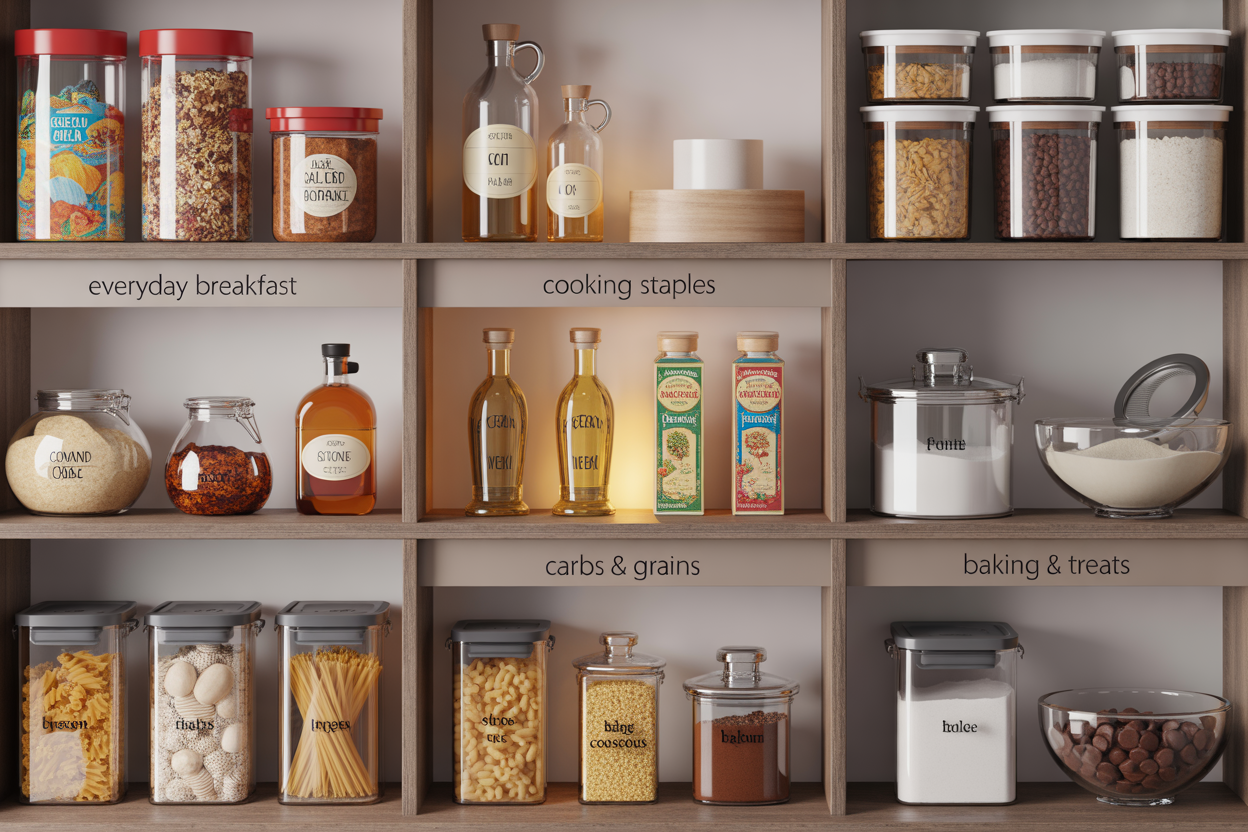
Your pantry should be a map, not a maze. Divide it into five zones, then stick with it. No overthinking, no wandering.
The 5 Pantry Zones
- 1. Everyday Breakfast: Cereal, oats, nut butters, coffee/tea, syrup.
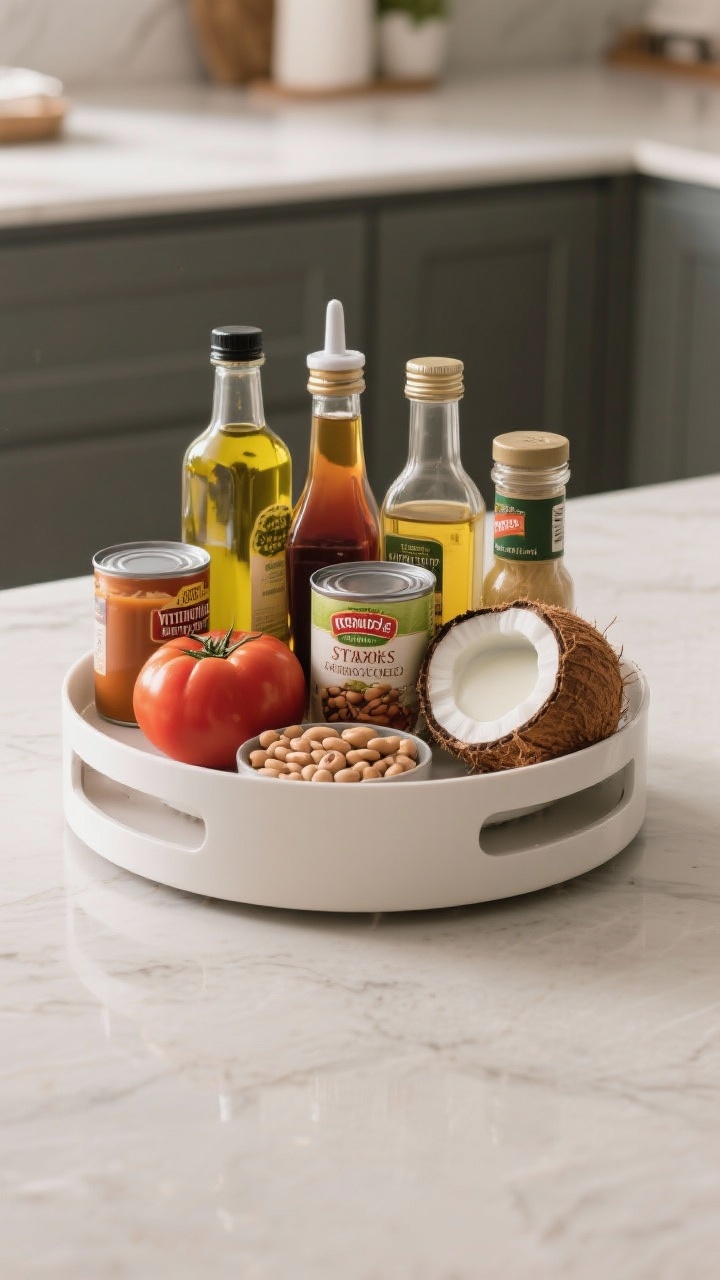
- 2. Cooking Staples: Oils, vinegars, broths, canned tomatoes, beans, coconut milk.
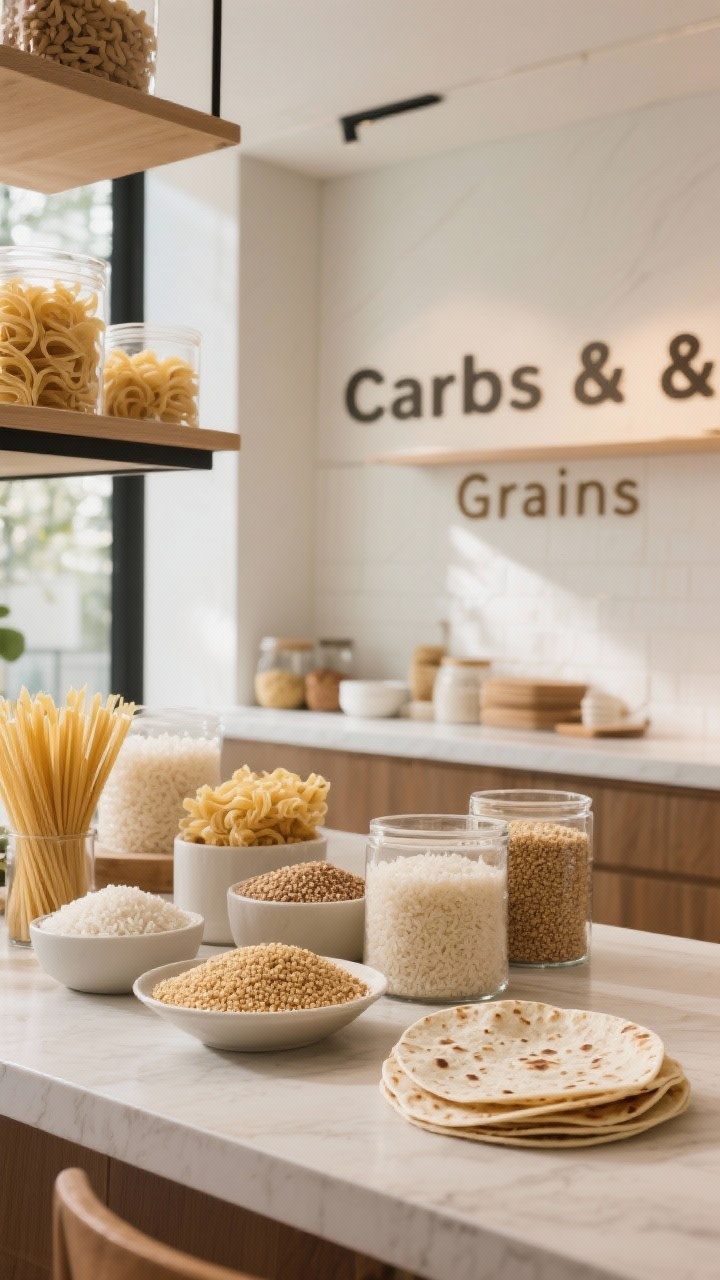
- 3. Carbs & Grains: Pasta, rice, couscous, tortillas, bread extras.
- 4. Snacks & Sweets: See Snack Stations, above.
- 5. Baking & Treats: Flour, sugar, baking powder, chocolate chips, sprinkles (vibes matter).
Put the most-used zones at chest height and rarely used baking items up high. Lazy Susans in corners = instant power move for oils and sauces.
4. Decant Like A Minimalist, Label Like A Pro
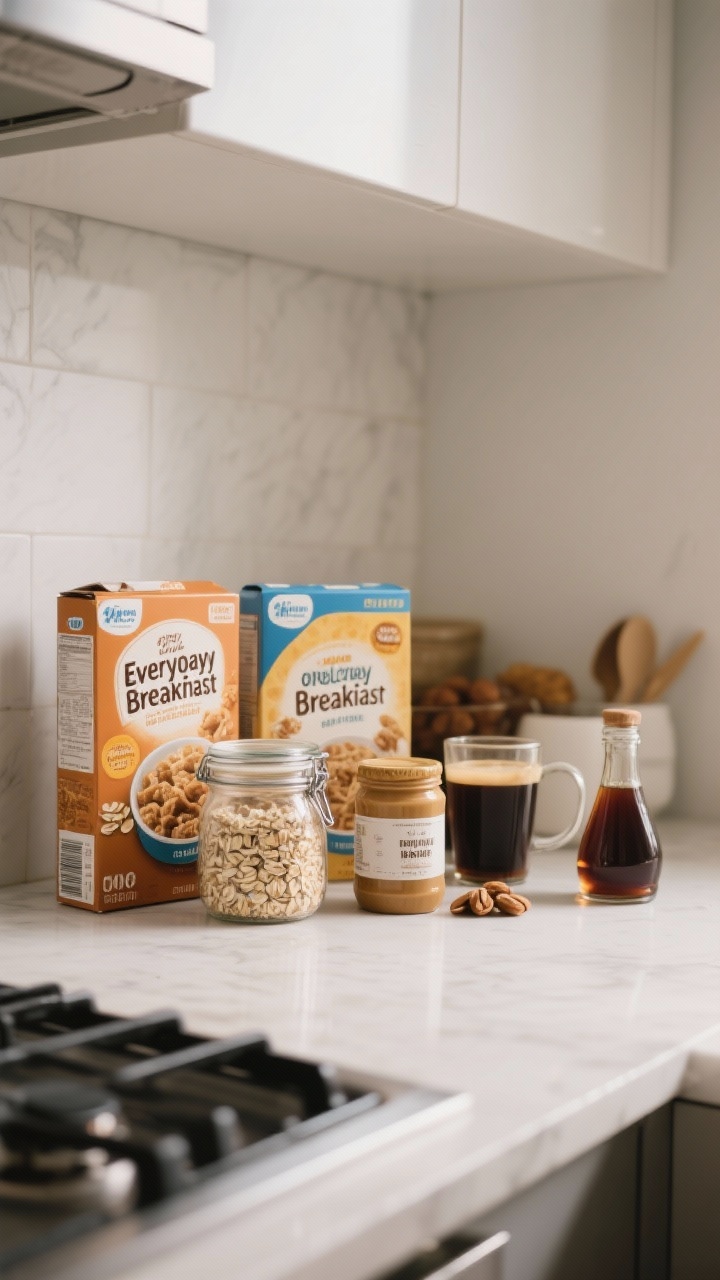
Decanting isn’t just for Pinterest people. It keeps pests out, preserves freshness, and lets you see when you’re low without rummaging. Labels make it foolproof—no guessing games.
What To Decant (And What Not To)
- Yes: Flour, sugar, rice, pasta, cereal, snacks, baking chips, oats.
- No: Anything with directions you’ll forget (keep pasta sauces and specialty grains in original packaging if needed).
Labeling Tips
- Front label: Name + size (“Jasmine Rice – 5 lb”).
- Back label or bottom: Cooking instructions + expiration date.
- Keep it consistent: Same style labels = instant visual calm.
Clear bins for packets (taco, gravy, miso soup) stop the dreaded packet avalanche. Also, it’s oddly satisfying. IMO, decanting is therapy.
Related Posts:
5. Pantry organization: Adopt the “Shelf Grocery List” So Restocks Run Themselves
Make your pantry build your shopping list for you. A simple system will save your brain every single week.
The System
- Set par levels: Decide your “always on hand” quantity. Example: 2 pasta, 2 broths, 1 jar sauce per flavor.
- Use placeholder tags: Place a sticky or clip that says “Buy More” at the second-to-last item.
- Snap & shop: Keep a running photo album of shelf pics before grocery runs. No list writing required.
Alternatively, toss a dry-erase board on the door. When you pull the last can of beans, write it down immediately. Future you will want to hug past you.
6. Hack Awkward Spaces: Doors, Corners, And Deep Shelves
Most pantries waste prime real estate. Use every odd angle to your advantage—without buying a whole container store.
Door Magic
- Over-the-door racks: Perfect for wraps, foil, spices, and snacks. Keep it light to avoid sagging.
- Command hooks + small baskets: Potato and onion bags, or lunch pack stations.
Corner & Deep Shelf Fixes
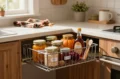
- Lazy Susans: Oils, vinegars, sauces. No more “lost soy sauce” drama.
- Tiered risers: Canned goods so you can see labels at a glance.
- Pull-out bins: Group by category (soups, beans, tomatoes) to make one-handed grabbing easy.
Pro tip: Keep heavy items—like bulk rice and canned goods—on lower shelves for safety and to protect your manicure.
7. Make It Pretty Enough To Maintain (Because Style = Habits)
Yes, aesthetics matter. When your pantry looks good, you’ll naturally keep it that way. Think of it like cute gym clothes for your kitchen—motivation built in.
Quick Style Upgrades
- Match your containers: Even mixing two styles (clear canisters + woven bins) looks polished.
- Use color-coding: Neutral bins for staples, a pop color for snacks or kid zones.
- Add texture: Woven baskets, bamboo lids, or matte labels = instant boutique vibe.
- Shelf liners: Non-slip liners protect shelves and make cleanup easy after spills.
Set a 10-minute Sunday reset: toss empties, wipe shelves, refill canisters. It’s the low-maintenance secret that keeps everything humming with basically no effort, FYI.
Mini Maintenance Routine
- Daily: Return strays to their zone when you close the pantry.
- Weekly: Quick scan for duplicates and near-empties.
- Monthly: Toss expired items and reassess your “Default Dinner” bins for seasonal tweaks.
Final pep talk: You don’t need a walk-in pantry or a label maker that connects to Wi-Fi. You need zones, a few bins, and a plan that cuts decisions. Set it up once, and your pantry turns into your calm, quiet co-chef. Dinner panic? Not in this house.
Related Post: Dinner Ideas You’ll Love After a Fresh Pantry Organize
Printable Recipe Card
Want just the essential recipe details without scrolling through the article? Get our printable recipe card with just the ingredients and instructions.