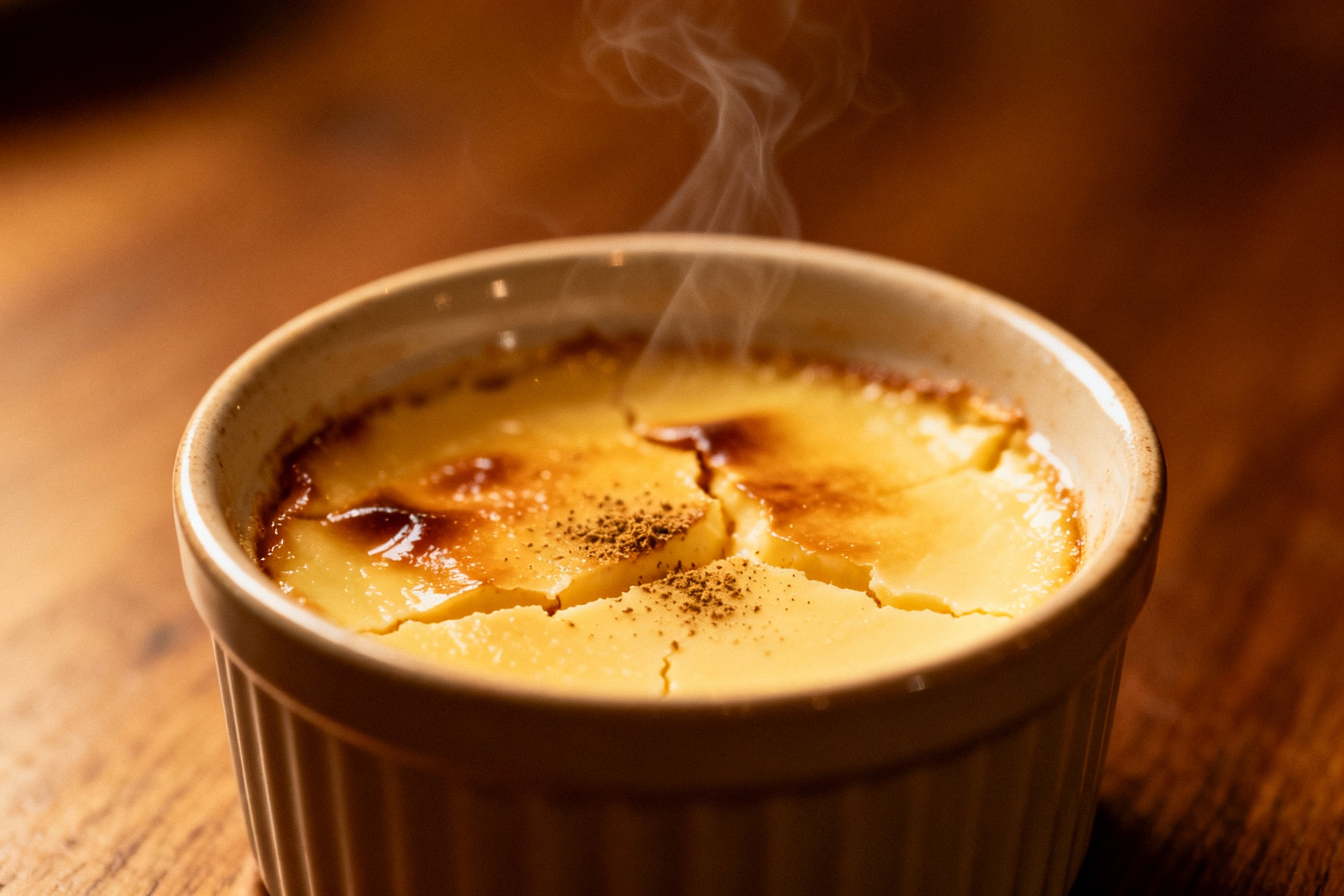
You want a dessert you can bake once and enjoy all week? Meet baked custard with nutmeg—the cozy, make-ahead treat that tastes like a hug and behaves like a meal prep hero. It takes simple ingredients you probably already have, and the oven does the heavy lifting. No drama, no fancy equipment, just silky comfort you can spoon straight from the fridge. Sound good? Let’s do this.
You can bake it on Sunday and eat it through Thursday. That’s not a dessert—it’s a lifestyle. It tastes even better on day two, when the flavors mellow and the texture sets just right. You also control the vibe. Want it lighter? Use milk. Want it richer? Use cream. Want it holiday-level cozy? Add a touch of vanilla and grate fresh nutmeg on top. FYI: fresh nutmeg beats the jarred stuff every time.
Ingredients Needed For Baked Custard with Nutmeg
Here’s the base that never fails. You can scale this up or down, no stress.
4 large eggs
2 cups whole milk (or 1.5 cups milk + 0.5 cup cream for extra richness)
Almond extract for a bakery vibe (use sparingly—like 1/8 tsp)
Ground cardamom for a subtle floral nudge
Step-by-step instructions for Baked Custard with Nutmeg
We’re going low-and-slow for a smooth, no-curdle custard. It’s super forgiving as long as you don’t crank the heat.
Preheat your oven to 325°F (160°C). Boil a kettle of water for a water bath.
Heat the dairy gently on the stove until warm and steamy, not boiling. This dissolves sugar better and helps the custard set evenly.
Whisk eggs, sugar, salt, and vanilla in a bowl until combined. Don’t whip air in—we’re not making a meringue.
Slowly pour the warm milk into the egg mixture while whisking. This tempers the eggs and avoids scrambling.
Strain the mixture through a fine sieve into a large measuring jug. This removes any sneaky egg bits and gives you silky results. IMO, this step is a game-changer.
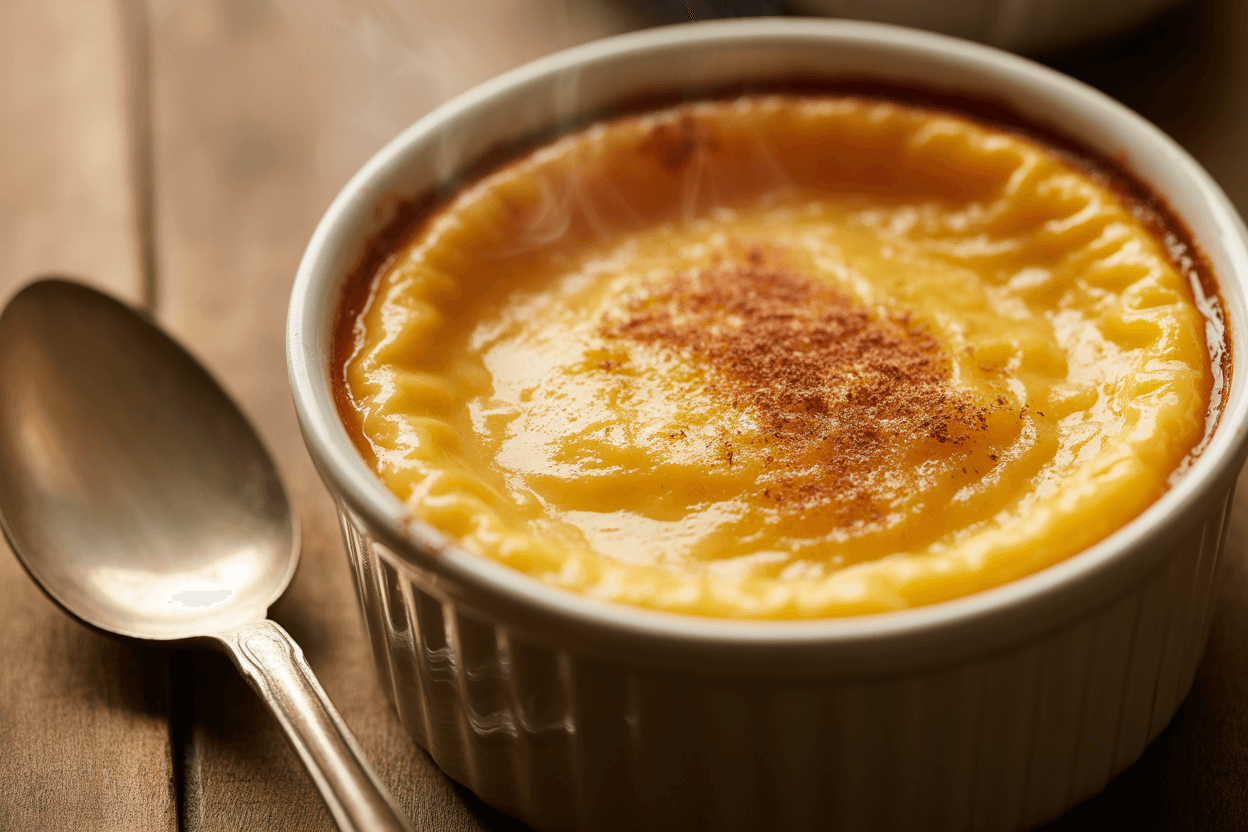
Pour into ramekins or a 1.5–2 quart baking dish. Sprinkle the top with fresh nutmeg.
Set up a water bath: Place your dish(es) in a larger pan, then pour the hot water around them so it comes halfway up the sides.
Bake until the edges are set and the center still wobbles slightly—about 30–40 minutes for ramekins, 45–60 minutes for a larger dish.
Chill uncovered until cool, then cover and refrigerate. It firms up beautifully after a few hours.
Give it a gentle jiggle. If the center quivers like Jell-O but doesn’t slosh, you nailed it.
You can also use a thermometer—aim for 170–175°F (77–79°C) in the center.
How To Serve Baked Custard with Nutmeg & Love It Later
This thing tastes great warm, but after a night in the fridge? Chef’s kiss. It becomes denser and creamier, with the nutmeg perfume weaving through every bite. Here are ways to serve it across the week:
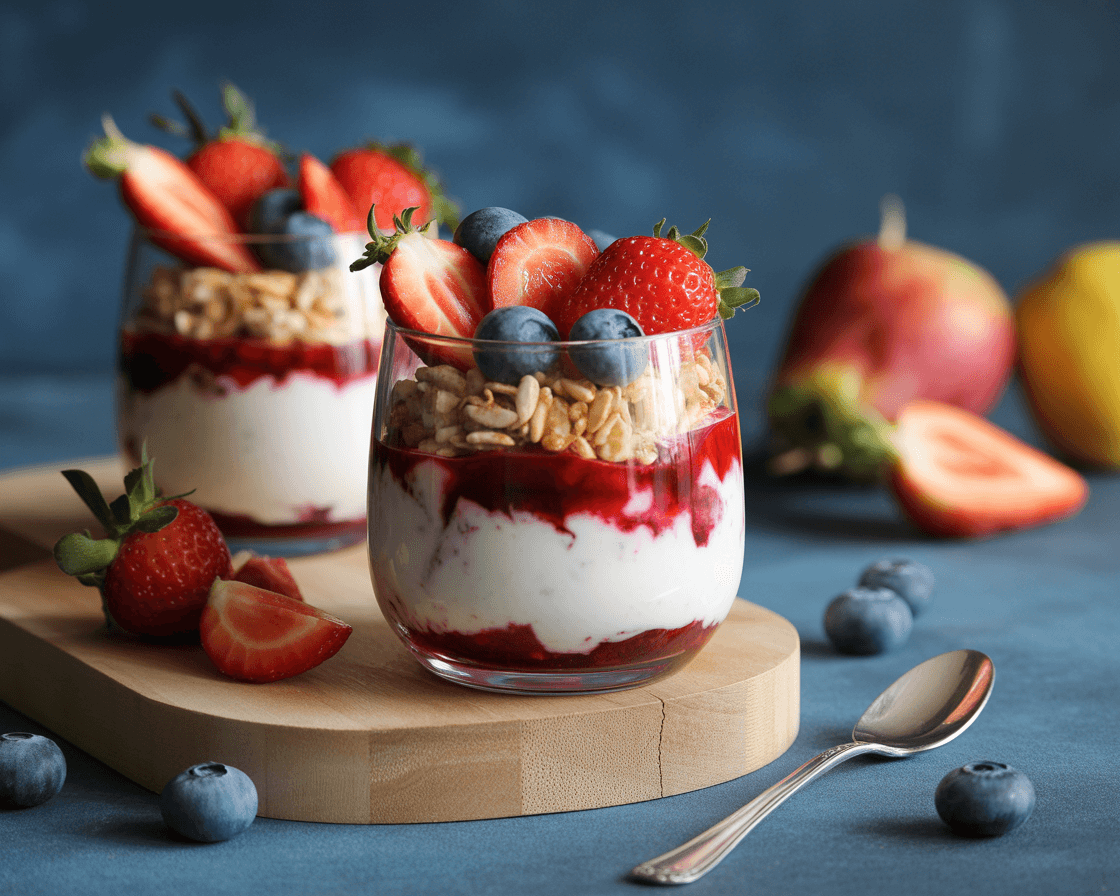
Day 2: Cold, topped with sliced strawberries or a spoon of jam.
Day 3: Add toasted coconut or chopped pistachios for crunch.
Day 4: Drizzle with maple syrup and a pinch of flaky salt. Trust me.
Day 5: Espresso shot over the top for an affogato-adjacent moment. IMO, this slaps.
Make-Ahead Strategy That Actually Works
If you plan a big batch, bake in ramekins so you can grab-and-go. Keep them covered in the fridge and rotate toppings so it feels fresh every time. Batch once, enjoy many times—peak lazy genius energy.
Mistakes To Avoid In Baked Custard with Nutmeg
Custard keeps it real. If yours goes a little sideways, here’s how to diagnose and fix it next time.
Curdled or grainy? Oven ran hot or you skipped the water bath. Next time, lower the temp to 300–325°F and bake a touch longer.
Too loose? It needed more time. Pull it when the center jiggles but looks glossy, not watery. Chilling also helps it set.
Rubber texture? Overbaked. Take it out earlier and trust the carryover heat. You want gentle, not firm.
No flavor pop? Add a pinch more salt, use fresh nutmeg, and consider a bit of zest or a different extract.
Water Bath, Explained (Without the Science Lecture)
You put custard in a hot tub so it cooks evenly and keeps its cool. Direct oven heat can turn it into sweet scrambled eggs. The water bath keeps the temperature gentle and stable. That’s the whole story.
Flavor Twists For Baked Custard with Nutmeg
Base custard loves friends. Here are some no-fuss upgrades that won’t mess with the texture.
Spiced Chai: Add 1/4 tsp each of cinnamon and cardamom, plus a pinch of cloves.
Citrus Dream: Stir in 1 tsp orange zest, then nutmeg on top.
Maple Vanilla: Swap 2–3 tbsp sugar for maple syrup and add an extra 1/2 tsp vanilla.
Coconut: Use half coconut milk, half dairy. Toasted coconut on top when serving.
Mocha: Dissolve 1 tsp instant espresso in the warm milk and add a handful of mini chocolate chips to the ramekins.
Sweetness and Richness, Dialed to You
Less sugar gives a silky, custardy vibe. More sugar gives pudding energy.
For a lighter feel, stick to whole milk. For a decadent spoonful, use half-and-half or add 2 extra yolks and reduce whites accordingly. You’re the boss.
Storage, Reheating, and Safety Tips For Baked Custard with Nutmeg
Let’s keep it tasty and safe all week. Custard loves the fridge but hates time on the counter.
Cool quickly: Let it come to room temp, then refrigerate uncovered until cold. Cover after chilling.
Store: Keep covered in the fridge for 4–5 days.
Reheat gently: Microwaves can be chaos. If you want it warm, heat at 50% power in 15–20 second bursts. Or place ramekins in warm water for a few minutes.
Freeze? Not ideal. The texture weeps after thawing. Eat fresh for best results.
FAQs About Baked Custard with Nutmeg
Can I skip the water bath?
You can, but you’ll probably get a tougher texture and uneven cooking. The water bath takes two minutes and gives silky results. Consider it your custard insurance policy.
Do I need to scald the milk first?
You don’t need a full simmer, but warming the milk helps dissolve the sugar and makes a smoother custard. It also shortens bake time. Cold milk works in a pinch, but you risk longer baking and uneven texture.
What if I only have nutmeg from a jar?
Use it! You’ll still get that classic holiday vibe. Freshly grated nutmeg tastes brighter and more complex, but the jarred stuff absolutely does the job—just sprinkle lightly and evenly.
Can I make this dairy-free?
Yes, with caveats. Full-fat coconut milk works best for body and richness. Almond or oat milk can set, but the texture turns lighter and less custard-like. Add an extra yolk or a teaspoon of cornstarch to help it thicken if using thin non-dairy milks.
How do I avoid the eggy taste?
Balanced seasoning fixes this. Use a pinch of salt, enough vanilla, and don’t overbake. Overcooked custard shouts “eggs.” Proper doneness whispers “silk.”
Can I bake it in one big dish instead of ramekins?
Totally. Use a 1.5–2-quart baking dish and extend the bake time. Test the center for that gentle wobble, and you’re golden. Cut or scoop to serve—it’s rustic and charming.
Final Takeaway On Baked Custard with Nutmeg
Baked custard with nutmeg gives you a simple, elegant dessert that’s ridiculously low-effort and high-reward. You whisk, bake, chill, and then you’re set for days—no last-minute dessert panic. Keep it classic, twist the flavors, and enjoy that ultra-smooth texture cold from the fridge. Honestly? It’s the weeknight treat that feels like weekend luxury.
Want just the essential recipe details without scrolling through the article? Get our printable recipe card with just the ingredients and instructions.
Disclosure: This post may contain affiliate links.
If you make a purchase through these links, I may earn
a small commission at no extra cost to you.
prab chahal
Hi, I’m Prabjot Chahal – the heart (and taste buds) behind this blog!
Food has always been my love language – from experimenting with family recipes to discovering unique flavors from around the world. I believe that cooking isn’t just about following a recipe, it’s about creating moments, sharing stories, and connecting with others over something delicious. Through this blog, I want to build a vibrant food community where we share more than just recipes – we share inspiration, tips, and the joy of making and enjoying good food together. Whether you’re here for quick weekday dinners, festive treats, or creative seasonal ideas, you’re part of this table. So grab a fork (or a whisk!) and let’s cook, bake, and share our love for food – one recipe at a time.