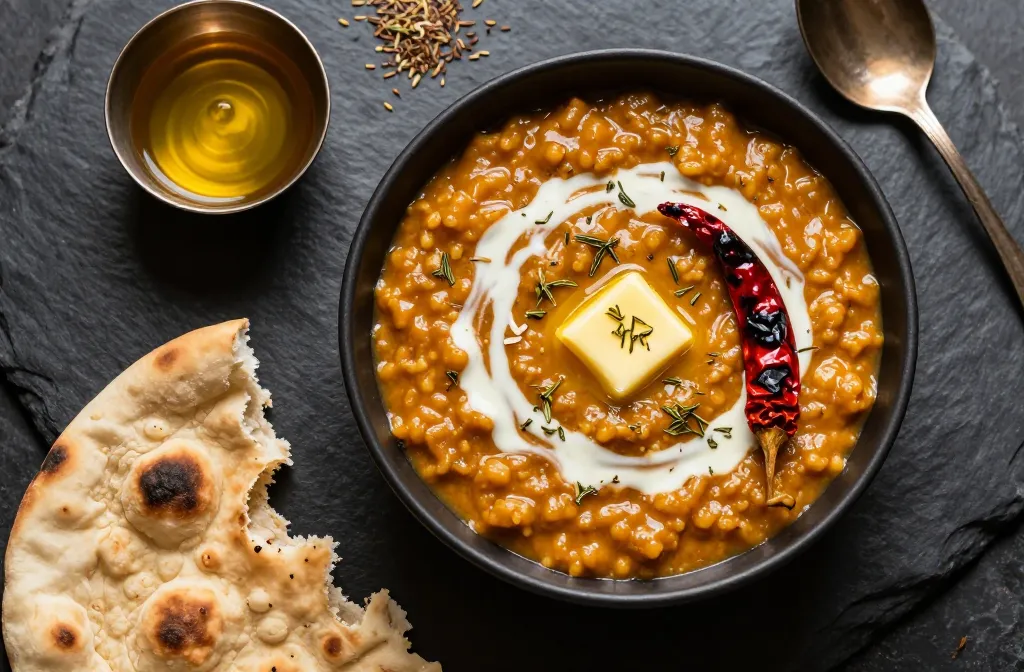
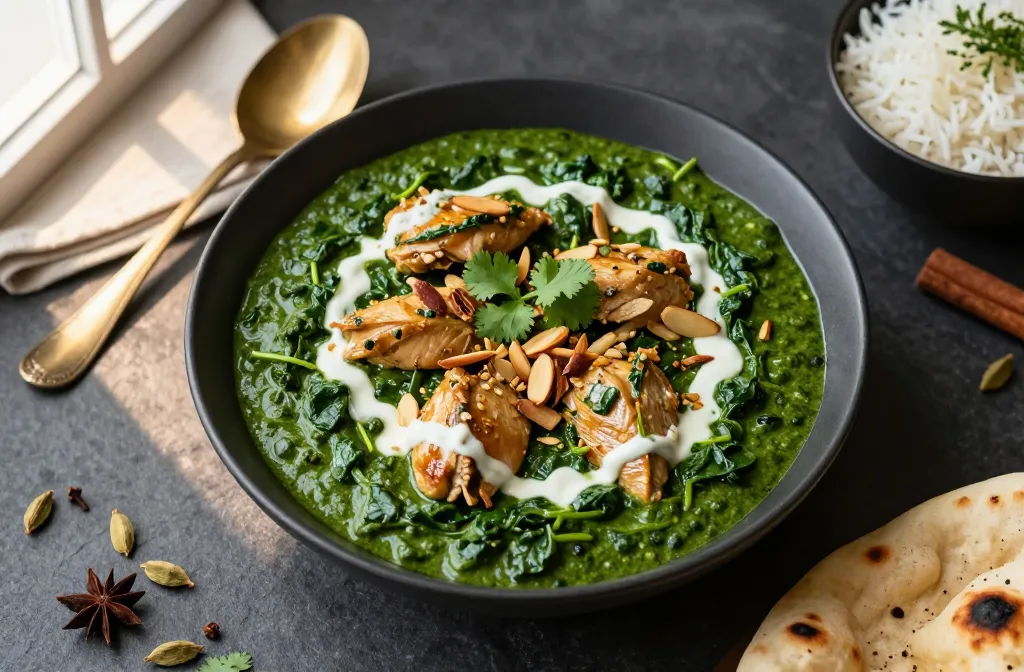
Tomato Onion Sabzi is the kind of dish you make when you want something warm, comforting, and ready in minutes. It’s simple, uses pantry staples, and tastes like home. This is the sabzi you cook when time is tight but flavor still matters.
It pairs beautifully with roti, paratha, or rice, and it’s easy to adjust to your spice comfort level. If you’re new to Indian cooking, this is a great place to start. If you’re not, it’s the quick fix you’ll keep coming back to.
2–3 tablespoons water (as needed to adjust consistency)
Fresh cilantro, chopped, for garnish
Optional: 1/2 teaspoon sugar to balance tang, a squeeze of lemon, and 1/2 teaspoon kasuri methi (crushed dried fenugreek) for aroma
Step-by-Step Instructions For Tomato Onion Sabzi
Heat the oil: Place a medium skillet over medium heat.
Add oil and let it warm for 30 seconds.
Bloom the cumin: Add cumin seeds and let them sizzle for 10–15 seconds until aromatic. Add the slit green chili if using.
Sauté the onions: Add sliced onions and a pinch of salt. Cook 2–3 minutes, stirring, until translucent with light golden edges.
Don’t brown too deeply—this is a quick sauté.
Add aromatics: Stir in ginger-garlic paste. Cook 30–45 seconds until the raw smell fades.
Spice it up: Lower the heat slightly. Add turmeric, coriander powder, chili powder, and cumin powder.
Stir for 10–15 seconds to toast the spices without burning.
Tomatoes in: Add chopped tomatoes, salt, and 2 tablespoons water. Mix well. Cook 3–4 minutes, stirring occasionally, until the tomatoes break down and the oil starts to separate at the edges.
Finish the flavor: Sprinkle garam masala.
If your tomatoes are very tangy, add the optional sugar. For a restaurant-style aroma, crush kasuri methi between your palms and add now. Simmer 30–60 seconds to meld flavors.
Adjust and serve: Check salt and heat.
If too thick, add a splash of water; if too thin, cook another minute. Turn off heat, garnish with chopped cilantro, and add a light squeeze of lemon if you like. Serve hot with roti, paratha, or rice.
How to Store Tomato Onion Sabzi
Refrigerator: Store in an airtight container for up to 3 days.
Reheat in a skillet with a splash of water to loosen the sauce.
Freezer: Freeze in portioned containers for up to 1 month. Thaw overnight in the fridge and reheat gently.
Meal prep tip: Make a double batch and use it as a base for quick dals or to layer inside wraps with paneer or scrambled eggs.
Health Benefits Of Tomato Onion Sabzi
Tomatoes: Rich in lycopene, vitamin C, and antioxidants that support heart health and immunity.
Onions: Provide prebiotic fibers and quercetin, which may support gut health and reduce inflammation.
Spices: Turmeric and cumin can aid digestion; ginger and garlic offer anti-inflammatory and antimicrobial benefits.
Light and plant-based: No heavy dairy or frying, making it a lighter option that still satisfies.
Common Mistakes to Avoid In Tomato Onion Sabzi
Burning the spices: Dry spices can scorch quickly. Keep heat moderate and add tomatoes or a splash of water right after to protect them.
Skipping salt early on: A pinch of salt with onions helps them soften faster and sweeten naturally.
Undercooking tomatoes: Give tomatoes a few minutes to break down; this is key to a jammy, cohesive sauce.
Overcrowding the pan: Use a medium skillet so onions can sauté, not steam.
Using only unripe tomatoes: If your tomatoes are very tart, balance with a pinch of sugar or a splash of cream/coconut milk.
Alternatives For Tomato Onion Sabzi
With eggs: Make Anda Tamatar by cracking in 2 eggs after the tomatoes soften.
With paneer: Stir in small paneer cubes and cook for 2 minutes. Finish with kasuri methi.
With peas or chickpeas: Add 1/2 cup frozen peas or 1 cup cooked chickpeas for extra protein and fiber.
South Indian twist: Temper mustard seeds and curry leaves with the cumin, and finish with a touch of coconut.
No onion option: Skip onions and increase tomatoes; add a pinch of asafoetida (hing) for depth.
Milder version: Use Kashmiri chili for color without much heat, or omit the green chili.
Oil alternatives: Use ghee for richness or olive oil for a lighter flavor.
FAQ About Tomato Onion Sabzi
Can I use canned tomatoes?
Yes. Use crushed or finely diced canned tomatoes.
They’re consistent and save time. If they taste acidic, add a pinch of sugar to balance.
How do I make it less spicy?
Skip the green chili, use Kashmiri chili powder instead of a hot variety, and reduce the amount to taste. You can also stir in a spoon of yogurt off the heat.
What can I serve this with?
It’s great with roti, paratha, or steamed rice.
It also works as a toast topping, a wrap filling, or a side with grilled fish or chicken.
Can I add vegetables?
Absolutely. Bell peppers, peas, spinach, or zucchini cook quickly and fit the 10-minute window. Add firmer veggies earlier and leafy greens at the end.
How do I thicken or thin the sabzi?
To thicken, cook uncovered for a minute until excess moisture evaporates.
To thin, add small splashes of water and simmer briefly.
Is it vegan and gluten-free?
Yes, the base recipe is naturally vegan and gluten-free. Just check your spice blends to make sure they’re pure and not mixed with additives.
What if I don’t have garam masala?
You can skip it or use a pinch of ground cardamom and black pepper as a quick substitute. The sabzi will still taste great.
Can I cook this without oil?
You can dry-sauté the onions with a splash of water or use a nonstick pan.
The flavor is best with a little fat, but it’s still tasty without.
Wrapping Up On Tomato Onion Sabzi
Tomato Onion Sabzi is the kind of everyday recipe that earns a permanent spot in your rotation. It’s fast, flexible, and packed with flavor from a handful of simple ingredients. Keep this method in your back pocket for busy days, last-minute lunches, or when you want something comforting without the fuss.
Serve it hot, add your favorite twist, and enjoy a satisfying meal in minutes.
Want just the essential recipe details without scrolling through the article? Get our printable recipe card with just the ingredients and instructions.
Disclosure: This post may contain affiliate links.
If you make a purchase through these links, I may earn
a small commission at no extra cost to you.
prab chahal
Hi, I’m Prabjot Chahal – the heart (and taste buds) behind this blog!
Food has always been my love language – from experimenting with family recipes to discovering unique flavors from around the world. I believe that cooking isn’t just about following a recipe, it’s about creating moments, sharing stories, and connecting with others over something delicious. Through this blog, I want to build a vibrant food community where we share more than just recipes – we share inspiration, tips, and the joy of making and enjoying good food together. Whether you’re here for quick weekday dinners, festive treats, or creative seasonal ideas, you’re part of this table. So grab a fork (or a whisk!) and let’s cook, bake, and share our love for food – one recipe at a time.