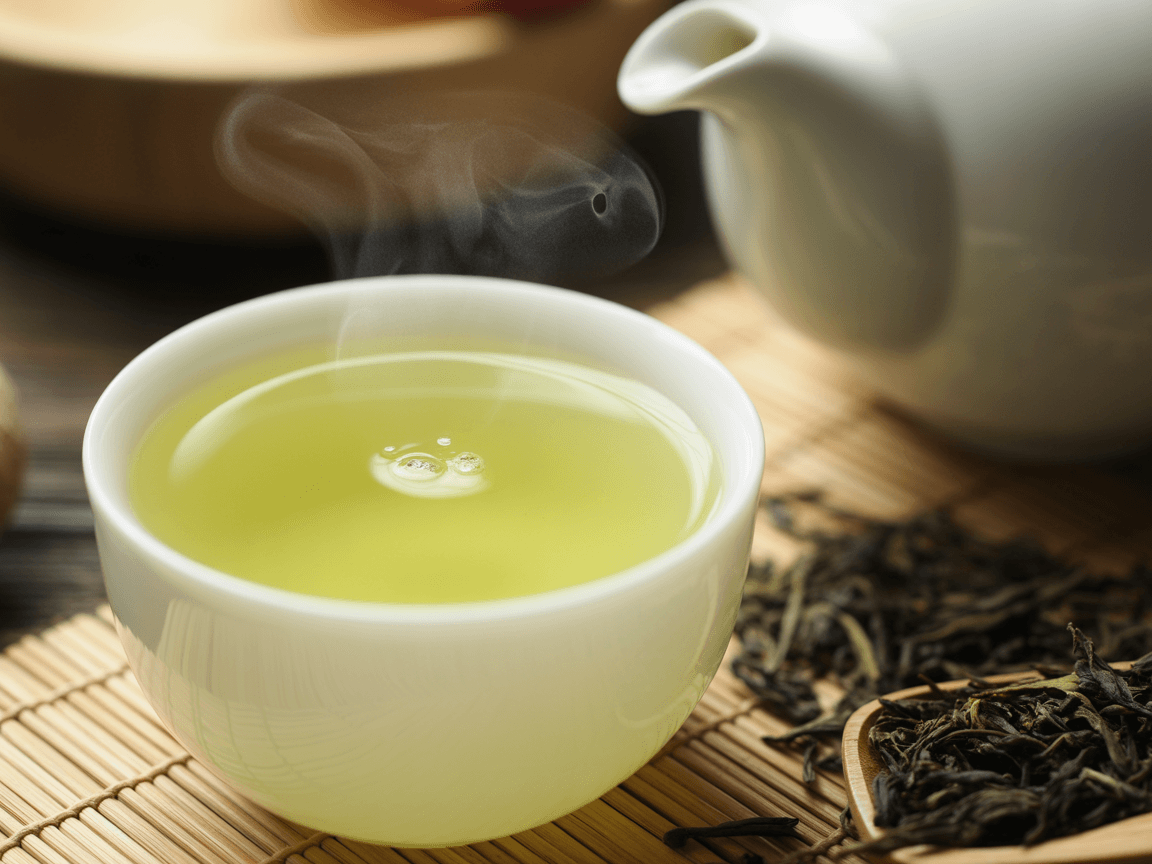
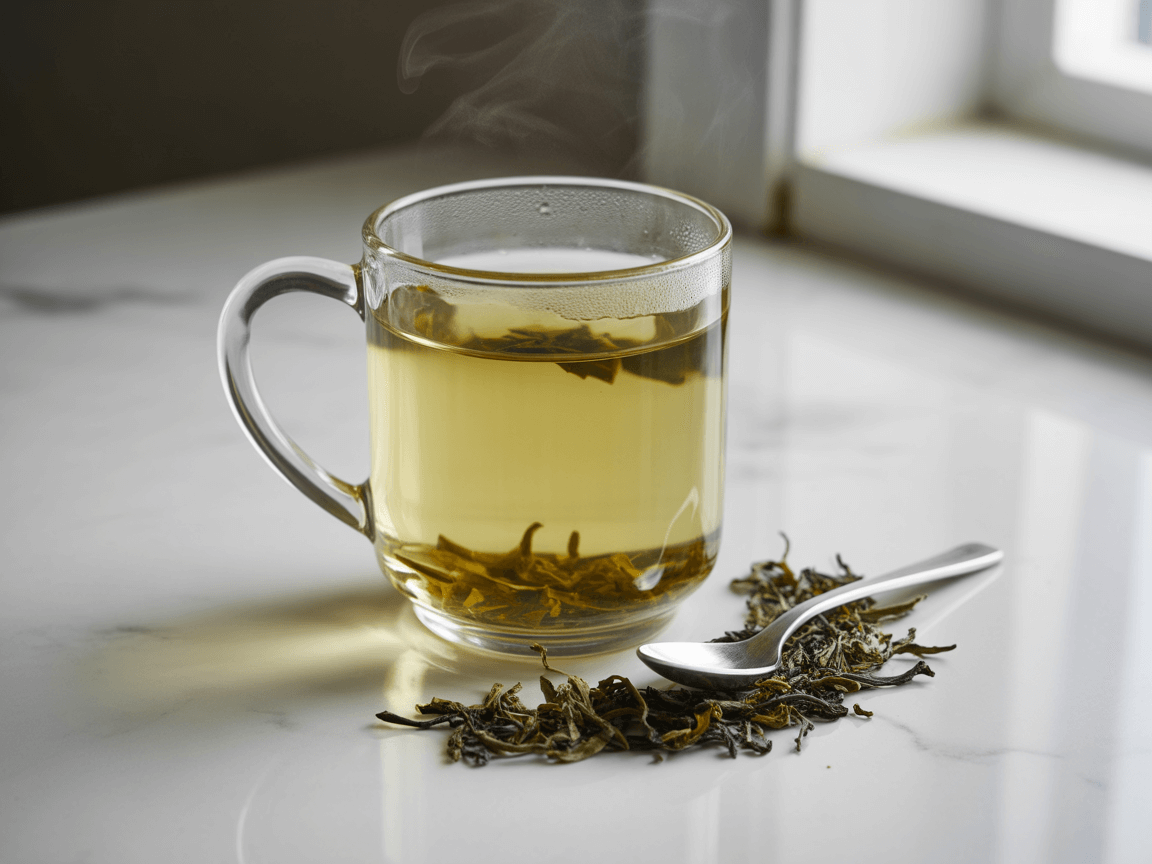
Green tea is soothing, fragrant, and light—perfect for slow mornings and restful evenings. But sometimes you want the ritual without the buzz. That’s where decaf green tea steps in.
Brewed right, it’s clean, gentle, and deeply comforting. This guide walks you through how to make a smooth cup, what to buy, and how to avoid the bitter, flat taste that gives decaf a bad rap.
What Makes This Decaf Green Tea Special
Decaf green tea can be delicate, but when handled well, it’s wonderfully mellow. You get the same grassy, slightly sweet notes as regular green tea, just with less than 5 milligrams of caffeine per cup in most cases.
It’s ideal for late-night sipping, caffeine sensitivity, or anyone scaling back without giving up flavor.
We’ll focus on lower-temperature brewing and shorter steep times to protect flavor. You’ll also learn how to choose decaf teas processed with methods that keep antioxidants and aroma intact. The goal: a cup that’s clean, balanced, and easy to love.
Shopping List For Decaf green tea
Decaf green tea (loose leaf or sachets).
Look for “CO2 decaffeinated” or “water-processed.”
Filtered water for the cleanest taste.
Lemon slices (optional) for brightness.
Honey or maple syrup (optional) for gentle sweetness.
Fresh ginger (optional) for warmth and depth.
Mint leaves (optional) for a cooling finish.
Simple tools: kettle, mug or teapot, thermometer (helpful but optional), strainer if using loose leaf.
How to Make this Decaf Green Tea
Heat the water gently. Aim for 160–175°F (70–80°C). If you don’t have a thermometer, bring water to a boil, then let it sit for 2–3 minutes.
Measure the tea. Use 1 teaspoon loose tea per 8 ounces of water, or one sachet/bag per cup.
Pre-warm your mug or teapot. Swirl in a little hot water, then discard. This helps the tea stay at a steady temperature.
Steep briefly. Pour hot water over the tea and steep for 1–2 minutes for a lighter, cleaner cup; up to 3 minutes for more body.
Taste at the 90-second mark and adjust.
Strain immediately. Remove the leaves or bag as soon as they taste right. Oversteeping causes bitterness fast.
Customize. Add a thin slice of lemon, a tiny drizzle of honey, a mint leaf, or a sliver of ginger. Keep additions light to protect the tea’s delicate flavor.
Sip slowly. Decaf green tea shines when it’s warm, not piping hot.
Let it cool for a minute and enjoy the soft, grassy notes.
How to Store This Decaf Green Tea
Tea leaves: Keep in an airtight, opaque container. Store in a cool, dry cupboard away from light, heat, and strong odors. Use within 6–12 months for the best flavor.
Brewed tea: Chill leftovers in a sealed jar for up to 48 hours.
Drink cold or rewarm gently. Avoid boiling reheated tea—it dulls the flavor.
Prepped add-ins: Keep sliced lemon and fresh mint refrigerated and use within a few days.
Health Benefits Of Decaf Green Tea
Gentle on sleep and nerves: You get the comfort of tea without the jitters. Great for evenings or caffeine-sensitive folks.
Antioxidants remain: Decaf green tea still contains catechins like EGCG, though often in slightly lower amounts than regular.
These support heart and metabolic health.
Hydration with flavor: A cozy way to meet your daily fluids without sugar or calories.
Digestive comfort: Warm, mild tea can be soothing after meals, especially with a touch of ginger or mint.
Pitfalls to Watch Out For Decaf Green Tea
Water too hot: This is the number one reason decaf tastes bitter or “muddy.” Keep it under 175°F (80°C).
Oversteeping: Decaf can turn harsh quickly. Start with 1–2 minutes and stop as soon as it’s balanced.
Low-quality decaf: Some teas lose aroma during harsh decaffeination. Look for CO2 or water-processed options and choose brands that list the method.
Old tea: Stale leaves taste flat.
Buy smaller amounts more often.
Too many add-ins: Heavy lemon, sweetener, or spices can drown out the delicate green notes.
Variations You Can Try in Decaf Green Tea
Iced Decaf Green Tea: Brew double strength (2 teaspoons per cup), steep 2 minutes, strain, and pour over ice. Add a mint leaf for freshness.
Ginger-Lemon Comfort: Steep a few slices of fresh ginger in the hot water for 3 minutes, remove ginger, then brew the tea for 2 minutes. Finish with a thin lemon slice.
Honey-Mint Soother: Brew as usual, then stir in 1/2 teaspoon honey and a sprig of mint.
Great for a scratchy throat.
Jasmine Decaf: Choose decaf jasmine green tea for a floral spin. Keep the temperature low to protect the aroma.
Cold Brew: Add 1 tablespoon loose decaf green tea per 16 ounces of cold water. Refrigerate 4–6 hours, strain, and serve.
It’s smooth, with almost no bitterness.
FAQ About Decaf Green Tea
Does decaf green tea have any caffeine at all?
Yes, but very little. Most decaf green tea has a few milligrams per cup, compared to 20–40 mg in regular green tea. For most people, it’s effectively “caffeine-light.”
What’s the best decaffeination method to look for?
Look for CO2 (carbon dioxide) decaffeination or water processing.
These methods preserve more aroma and antioxidants than chemical solvent methods.
Why does my decaf green tea taste bitter?
It’s usually water that’s too hot or steeping too long. Keep the temperature under 175°F and start tasting at 90 seconds. Remove the tea as soon as it tastes balanced.
Can I add milk to decaf green tea?
You can, but milk can drown out the delicate flavor.
If you want something creamy, try a splash of unsweetened almond milk or use a jasmine or genmaicha-style decaf, which can handle a little richness.
Is decaf green tea good before bed?
Yes. It’s calming and warm, with minimal caffeine. Keep add-ins light and skip citrus if you’re sensitive to acidity at night.
Does decaf green tea still have antioxidants?
Yes.
Levels can be lower than in regular green tea, but decaf still delivers catechins and other beneficial compounds. Choosing a CO2-decaf brand helps retain more.
Bagged or loose leaf—which is better?
Loose leaf usually offers more nuance, but high-quality sachets are very convenient and often excellent. If you use bags, pick brands that specify origin and decaf method.
Can I brew it stronger without bitterness?
Use more tea, not hotter water or longer time.
Keep the water cool and the steep short. Taste as you go, and strain immediately.
What’s the best water to use?
Filtered or spring water is ideal. Hard or heavily chlorinated water can mute flavors and add off-notes.
Is cold brew decaf green tea safe and tasty?
Yes.
Cold brewing is gentle and produces a smooth, slightly sweet flavor. Keep it refrigerated and drink within 48 hours.
Wrapping Up on Decaf Green Tea
Decaf green Tea gives you the warmth and calm of tea time without the caffeine crash. Pick a quality decaf, keep the water cool, and steep briefly.
With a few small tweaks—like a mint leaf or a whisper of lemon—you’ll have a cup that’s soft, bright, and satisfying any time of day. Simple, soothing, and easy to repeat tomorrow.
Disclosure: This post may contain affiliate links.
If you make a purchase through these links, I may earn
a small commission at no extra cost to you.
prab chahal
Hi, I’m Prabjot Chahal – the heart (and taste buds) behind this blog!
Food has always been my love language – from experimenting with family recipes to discovering unique flavors from around the world. I believe that cooking isn’t just about following a recipe, it’s about creating moments, sharing stories, and connecting with others over something delicious. Through this blog, I want to build a vibrant food community where we share more than just recipes – we share inspiration, tips, and the joy of making and enjoying good food together. Whether you’re here for quick weekday dinners, festive treats, or creative seasonal ideas, you’re part of this table. So grab a fork (or a whisk!) and let’s cook, bake, and share our love for food – one recipe at a time.