Table of Contents
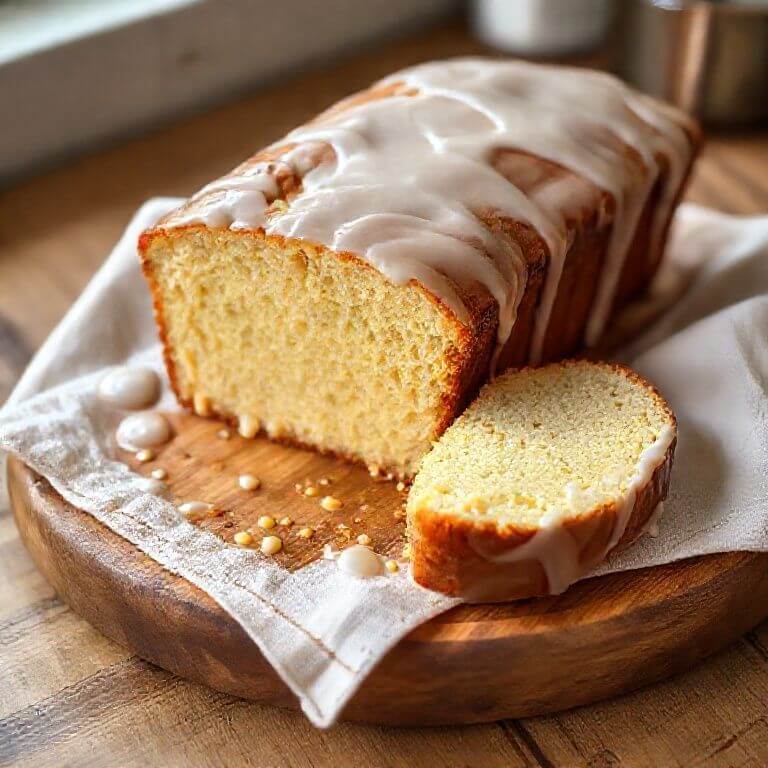
Is there anything quite as comforting as the scent of a vanilla pound cake baking in your kitchen? For so many of us, that buttery aroma brings back the sweetest memories—maybe it’s an afternoon with your mother, or the joy of licking the spoon while a loaf bakes in grandma’s worn oven. A slice of homemade pound cake, still warm and oh-so-soft, just feels like home.
Imagine the golden crust, the rich, velvety crumb, and that dreamy, shiny glaze that sings when your knife glides through it. This cake isn’t just a dessert; it’s a little piece of nostalgia and love, there for you whether it’s a quiet afternoon with a cup of tea or a big family celebration filled with laughter.
With this recipe, you can create a pound cake with a deep vanilla flavor, a dense yet incredibly soft crumb, and a texture that rivals any you’d find in a fine bakery. We’ll also make an easy glaze that takes this beautiful loaf to a whole new level. Forget the dry, flavorless options from the store; nothing compares to the love and care baked into a homemade pound cake.
Why This Vanilla Pound Cake Recipe Is a Treasure
If you’ve ever baked a pound cake hoping for that perfect, bakery-quality slice and ended up a little disappointed, you’re not alone—and I’ve absolutely been there too. Maybe the cake came out too dry and crumbly (it’s so frustrating when that happens), or the vanilla flavor just didn’t shine through the way you wanted.
Sometimes, despite your best efforts, there’s a big crack on top, or the glaze seems to have a mind of its own—either soaking right in or not setting at all. These are the little struggles we all face in the kitchen, but they’re also what make finding a truly dependable recipe so meaningful.
This recipe is designed to solve every one of those problems. Its secret lies in a few key details:
- The perfect ratio: We use the right balance of fat (butter) to flour, ensuring a moist, tender crumb every time.
- The right technique: Our creaming method creates tiny air pockets that give the cake lift without sacrificing its signature dense texture.
- Real vanilla: We insist on pure vanilla extract for that rich, warm aroma you love.
- A foolproof glaze: Our simple glaze recipe sets up beautifully, giving you a shiny finish that seals in moisture.
Related Post: The Viral Fusion Dessert You Didn’t Know You Needed: Strawberry Gulkand Milk Cake
What You’ll Need: Essential Equipment Needed For Vanilla Pound Cake
Having the right tools on hand makes baking smooth and enjoyable. Gather these kitchen essentials before you begin:
- Stand mixer or hand mixer
- Large mixing bowl
- Medium mixing bowl
- Measuring cups and spoons
- Rubber spatula
- Whisk
- 9×5-inch loaf pan
- Parchment paper (optional, for lining the pan)
- Cooling rack
The Vanilla Pound Cake: Ingredients That Make the Magic
- 1 cup (2 sticks) unsalted butter (room temperature)
- 2 cups granulated sugar
- 4 large eggs (room temperature)
- 3 cups all-purpose flour
- 1/2 teaspoon salt
- 1 cup whole milk (or heavy cream, room temperature)
- 2 teaspoons pure vanilla extract
For the glaze:
Related Posts:



- 1 cup powdered sugar
- 2-3 tablespoons milk or cream
- 1/2 teaspoon pure vanilla extract
- Butter: The heart and soul of this cake! I always set out my butter early so it’s perfectly soft by baking time—trust me, it makes the creaming step a joy, and your cake comes out rich and moist every single time.
- Sugar: Sweetens the cake and helps it turn that lovely golden-brown. My mom always told me, “Don’t rush the creaming—give the sugar time to work its magic with the butter for the best texture.”
- Eggs: These little wonders hold everything together. Add them slowly—my secret for a smooth batter is patience (and a good old-fashioned scrape of the bowl in between!).
- All-Purpose Flour: It’s my go-to for the most classic crumb. I’ve tried cake flour, but for me, all-purpose delivers that homey, nostalgic bite I remember from childhood.
- Pure Vanilla Extract: Go for the real deal here! The aroma when real vanilla hits warm butter is unbeatable. It always reminds me of cozy kitchens and laughter drifting in from the next room.
- Milk or Cream: Just a splash keeps the cake beautifully soft. When I want a bit of luxury, I reach for heavy cream—try it sometime.
- Salt: A tiny pinch brings everything together and perks up those vanilla notes. It might seem small, but skip it and you’ll taste the difference!
These thoughtful choices make all the difference and—best of all—make every loaf a little memory in the making.
- Butter: This is the heart of your pound cake, providing richness, flavor, and moisture. It’s absolutely essential to use room-temperature butter. When you cream it with sugar, the soft butter traps air, which is what gives your cake its light yet dense texture.
- Sugar: Beyond adding sweetness, sugar helps stabilize the butter during creaming and contributes to the beautiful golden-brown crust.
- Eggs: Eggs provide the structure that holds your cake together. They also add lift and richness. Adding them one at a time is a crucial step, as it allows each egg to fully emulsify into the batter, preventing it from curdling and ensuring a smooth texture.
- All-Purpose Flour: This flour provides the classic pound cake structure we all know and love. While cake flour can be lovely in other recipes, here it can make the crumb a little too delicate.
- Pure Vanilla Extract: This is the star of the show. Pure vanilla extract offers a depth of flavor that imitation versions just can’t match. The flavor molecules in vanilla bond with the fat from the butter, releasing a wonderful aroma as it bakes.
- Milk or Cream: A splash of milk or heavy cream keeps the loaf soft and adds a velvety texture to the crumb.
- Salt: A little bit of salt is the secret to balanced flavor. It enhances the sweetness and makes the vanilla notes sing.
Related Post: This Hot Chocolate Poke Cake Is Going Viral — Here’s Why
Step-by-Step: How to Make the Perfect Vanilla Pound Cake
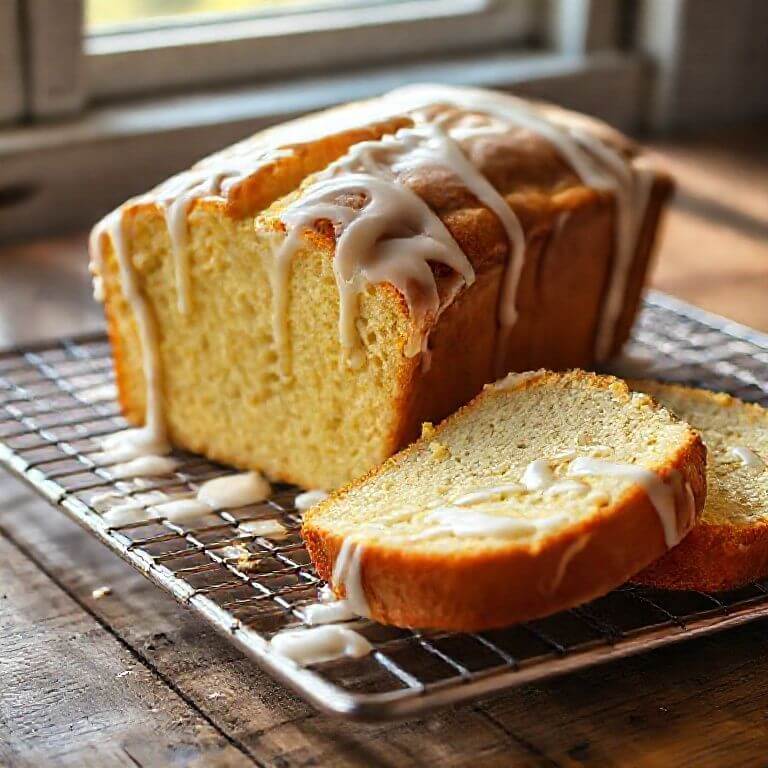
Let’s walk through this together, step by step—just like we would in your kitchen, side by side. I promise, none of it is tricky, and these little details make all the difference.
Step 1 — Cream the Butter and Sugar
- This is the most important step for your pound cake’s texture.
- In a large bowl, beat your room-temperature butter and sugar together until the mixture is pale yellow, light, and fluffy.
- This can take a few minutes, but it’s time well spent.
Step 2 — Add the Eggs Slowly
- Add your eggs one at a time, mixing well after each addition until they are fully incorporated.
- This prevents the batter from separating and creates a smooth, stable mixture that will rise evenly.
Step 3 — Gently Add the Dry Ingredients
- In a separate bowl, whisk together your flour and salt. Add the dry ingredients to your wet ingredients in a few additions, alternating with the milk.
- Fold gently with a spatula until just combined. Overmixing develops the gluten in the flour, which can make your cake tough.
Step 4 — Prepare the Pan
- Generously grease and flour your loaf pan. This simple step ensures your beautiful cake will release easily without sticking. The traditional loaf pan shape helps the cake bake evenly.
Step 5 — Bake Low and Slow
- Pour the batter into your prepared pan and smooth the top.
- Bake in a preheated oven at 325°F. Baking low and slow is the key to an even crumb and helps prevent a large crack on top.
- The cake is done when the edges are golden, the top springs back when lightly touched, and a toothpick inserted into the center comes out with a few moist crumbs attached.
Step 6 — Cool Completely
- Let the cake cool in the pan for about 10-15 minutes before turning it out onto a wire rack to cool completely. This step is essential!
- A cooled cake has a firmer crumb that won’t fall apart, and it prevents the glaze from melting right off.
How to Make the Simple Vanilla Glaze
This easy glaze adds a professional, bakery-style finish to your pound cake.
Ingredients:
- 1 cup powdered sugar
- 2-3 tablespoons milk or cream
- 1/2 teaspoon pure vanilla extract
Technique:
- In a small bowl, whisk the powdered sugar, vanilla, and 2 tablespoons of milk until smooth. If you prefer a thicker, bakery-style glaze, add less milk.
- For a thinner, shiny drizzle, add a little more milk until you reach your desired consistency. Be sure to sift your powdered sugar if it’s lumpy to ensure a silky-smooth glaze. Pour over your completely cooled cake.
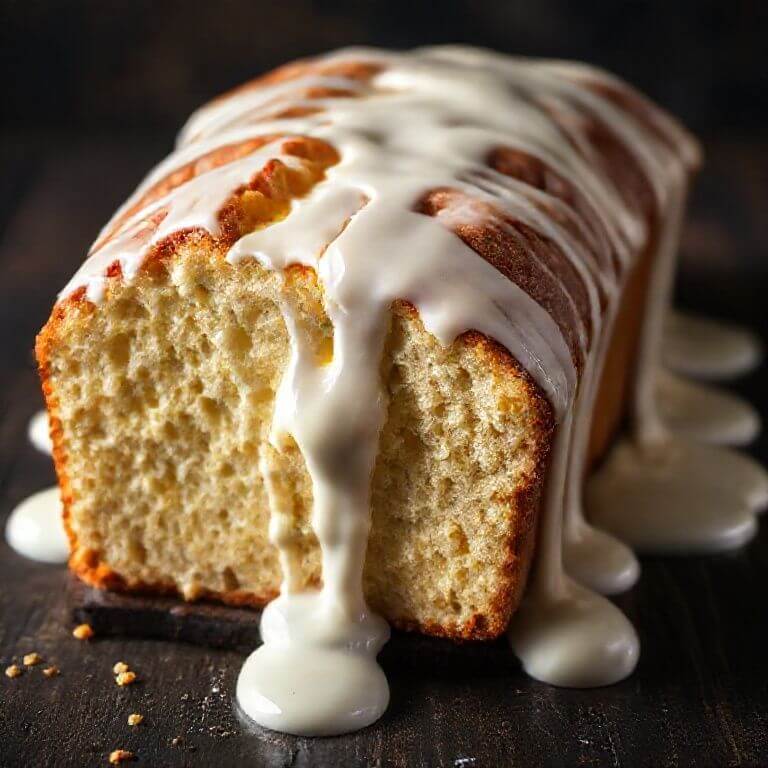
Vanilla Pound Cake with Simple Glaze
Video
The Science Behind a Perfect Pound Cake
Let’s take a moment to peek behind the curtain and see why this recipe gives you such wonderful results—even if you don’t consider yourself a “science person.” Every step has a purpose, and knowing the “why” can make you an even more confident baker.
- Creaming: When you beat the butter and sugar together, you’re not just mixing—you’re filling the batter with millions of tiny air bubbles. These little pockets puff up as the cake bakes, giving you that lift and soft, dreamy crumb.
- Eggs do double duty: Eggs act like glue, holding everything together so your cake isn’t crumbly. They also add a little extra fluff and richness with each one you stir in.
- A gentle oven is your friend: Baking your pound cake at a slightly lower temperature gives the inside more time to set without drying out or cracking the top. It’s a little extra patience that pays off with every bite.
- Butter brings it all home: Pound cake has plenty of butter for a reason! It’s the secret to a melt-in-your-mouth, tender, and moist loaf—exactly the kind of treat you want with your afternoon tea.
So when you follow each step, you’re giving your cake every chance to turn out bakery-beautiful, right in your own oven.
- Creaming: Beating butter and sugar together isn’t just about mixing; it’s about aeration. You are creating a foundation of tiny air pockets that expand in the heat of the oven, giving the cake lift.
- Egg Emulsion: Eggs act as a binder, holding the fat (butter) and liquid (milk) together to create a stable, uniform batter.
- Low Temperature: Baking at a lower temperature allows the center of the cake to cook through before the outside gets too brown or the top cracks from rising too quickly.
- Fat Ratio: The high amount of butter is what makes a pound cake a pound cake! It ensures a tender, moist, and buttery result.
Vanilla Pound Cake: Fun Flavor Variations to Try
Once you’ve mastered the classic, you’re in for a real treat—there are so many ways to put your own spin on this beloved recipe! Over the years, I’ve loved experimenting with a few different flavors, often inspired by memories or what’s in the pantry.
My grandchildren always request the chocolate swirl (they call it “marble magic!”), while I have a soft spot for the lemon vanilla version—just a little zest reminds me of spring teas with my sisters. Maybe you’ll discover a new family favorite, too!
- Vanilla Bean Pound Cake: For a beautiful speckled appearance and intense flavor, substitute one teaspoon of vanilla bean paste for the extract.
- Lemon Vanilla Pound Cake: Add the zest of one lemon to the batter. For the glaze, substitute fresh lemon juice for the milk.
- Almond Vanilla Pound Cake: Add 1/2 teaspoon of almond extract along with the vanilla. Sprinkle slivered almonds over the glaze before it sets.
- Chocolate Swirl Pound Cake: Spoon out about one-third of the batter and gently mix in two tablespoons of cocoa powder. Alternate dollops of the vanilla and chocolate batters in the pan and gently swirl with a knife before baking.
Vanilla Pound Cake: Dietary Adaptations
Over the years, I’ve found that everyone deserves a slice of homemade pound cake, no matter their dietary needs—and trust me, you won’t miss out on flavor with these substitutions! Whether you’re baking for someone with allergies or just want to try something new, a few simple swaps can keep this recipe soft, tender, and just as delicious.
- Eggless: I’ve made this cake for my granddaughter who can’t have eggs—just use 1/2 cup of plain yogurt and an extra 1/2 teaspoon of baking soda. The finished loaf is a little denser, but still moist and satisfying. Just give it a bit of extra mixing to make sure everything blends well.
- Gluten-Free: A good 1-to-1 gluten-free flour blend works wonders. I always double-check that my blend has xanthan gum—it helps the cake hold together, so you still get that classic pound cake slice. Don’t worry if the batter looks a touch thicker; it bakes up beautifully!
- Dairy-Free: When I made this for a dear friend who avoids dairy, I used vegan butter and almond milk. The result? Still rich, soft, and full of that real vanilla warmth. Just be sure to use a good-quality vegan butter for the best flavor.
No matter which version you make, it’s always a treat to share a homemade cake that everyone can enjoy!
- Eggless: Use 1/2 cup of plain yogurt and an extra 1/2 teaspoon of baking soda. The texture will be slightly denser but still delicious.
- Gluten-Free: Substitute a good quality 1-to-1 gluten-free flour blend. These blends already contain xanthan gum, which helps with structure.
- Dairy-Free: Use a high-quality vegan butter substitute and a plant-based milk like almond or soy milk.
Expert Tips for Bakery-Quality Vanilla Pound Cake
Let me share a few of my favorite little secrets—these are the tips I wish someone had told me years ago, and they truly make every bake a joy.
- Room Temperature is Key: Make sure your butter, eggs, and milk are all at room temperature for a smooth, uniform batter.
- Measure Flour Correctly: Spoon flour into your measuring cup and level it off. Scooping directly from the bag can pack the flour and lead to a dry cake.
- Bake on the Middle Rack: This ensures the most even heat circulation for a perfectly baked cake.
- Rest Overnight: If you can resist, wrap the cooled, unglazed loaf tightly and let it rest overnight. The flavors will deepen, and the texture will become even better.
Vanilla Pound Cake: Storage, Freezing & Make-Ahead Guide
This cake keeps beautifully—I’ve learned a few tricks over the years to make sure there’s always a little treat ready whenever the craving strikes (or a neighbor drops by for coffee!). If you have loved ones who enjoy an unexpected homemade surprise, this loaf is perfect for sharing, gifting, or simply tucking away for those moments when you want something sweet without turning on the oven again.
- Room Temperature: Wrapped tightly, the cake will stay fresh for 4–5 days.
- Refrigerator: The cake can be stored in the refrigerator for up to a week.
- Freezing: For longer storage, freeze the cake for up to 3 months. It’s best to freeze it without the glaze and add it after thawing.
- Make-Ahead Tip: For easy snacks, slice the cake and wrap each piece individually before freezing. You can pull out a single slice whenever you need a treat!
Wonderful Ways to Serve Your Vanilla Pound Cake
I have so many fond memories of how a simple slice of vanilla pound cake can make any moment a little bit sweeter. Sometimes, I love it all on its own, still slightly warm from the oven—the crust crisp, the center soft. If I have friends over, I’ll brew a fresh pot of coffee or pour a cup of tea, and there’s just something extra special about sharing a slice together while we catch up.
On summer afternoons, I pile on a handful of fresh berries and add a dollop of whipped cream—my grandchildren think it’s dessert magic! When I want a cozy treat for myself, I’ll toast a slice and let a pat of butter melt right in, or, for a little indulgence, serve it with a scoop of vanilla bean ice cream. It’s also a lovely addition to brunch buffets or to wrap up as a thoughtful, homemade gift for a neighbor.
- With a hot cup of coffee or tea.
- Topped with fresh berries and a dollop of whipped cream.
- Lightly toasted with a pat of butter.
- Served alongside a scoop of vanilla bean ice cream.
- As the star of a brunch buffet or a thoughtful, homemade gift.
Vanilla Pound Cake: Frequently Asked Questions
Q: Why did my pound cake crack on top?
A: Don’t worry—seeing a little crack on top is actually part of a pound cake’s charm! If you get a big, deep crack, though, it usually means your oven may be a touch too hot. That just makes the outside set up before the inside has finished rising. Try lowering your oven temperature a little next time for a smoother top.
Q: Can I use cake flour instead of all-purpose flour?
A: You can, but it will result in a much finer, more delicate crumb that is less traditional for a pound cake.
Q: Why is my pound cake dry?
A: This is usually caused by overbaking or using too much flour. Be sure to measure your flour correctly and check for doneness on the early side.
Q: How do I get a stronger vanilla flavor?
A: Use a high-quality pure vanilla extract or vanilla bean paste. Letting the cake rest overnight also deepens the flavor.
Q: Can I bake this in a bundt pan?
A: Yes! This recipe works beautifully in a 10- or 12-cup bundt pan. Be sure to grease and flour it very well and start checking for doneness about 10-15 minutes earlier.
A Timeless Treat for Every Occasion
This vanilla pound cake recipe is more than just instructions—it’s a slice of comfort, a ribbon of memories running through generations, and my little way of inviting you into my kitchen. I hope when you bake it, you feel proud, connected, and maybe even a little nostalgic for those sweet moments from years gone by. Please share it with friends, bring it to family gatherings, or make it “just because” for yourself. If it sparks a memory or brings a smile, then my job here is done—and nothing would make me happier.
Feel free to make it your own by trying the variations or creating new ones. We would love for you to save this recipe on Pinterest, share it with your friends, and subscribe for more timeless recipes that feel like home
Related Post: I Tried This Raspberry Almond Cake—It Might Be the Best Dessert I’ve Ever Made
Printable Recipe Card
Want just the essential recipe details without scrolling through the article? Get our printable recipe card with just the ingredients and instructions.