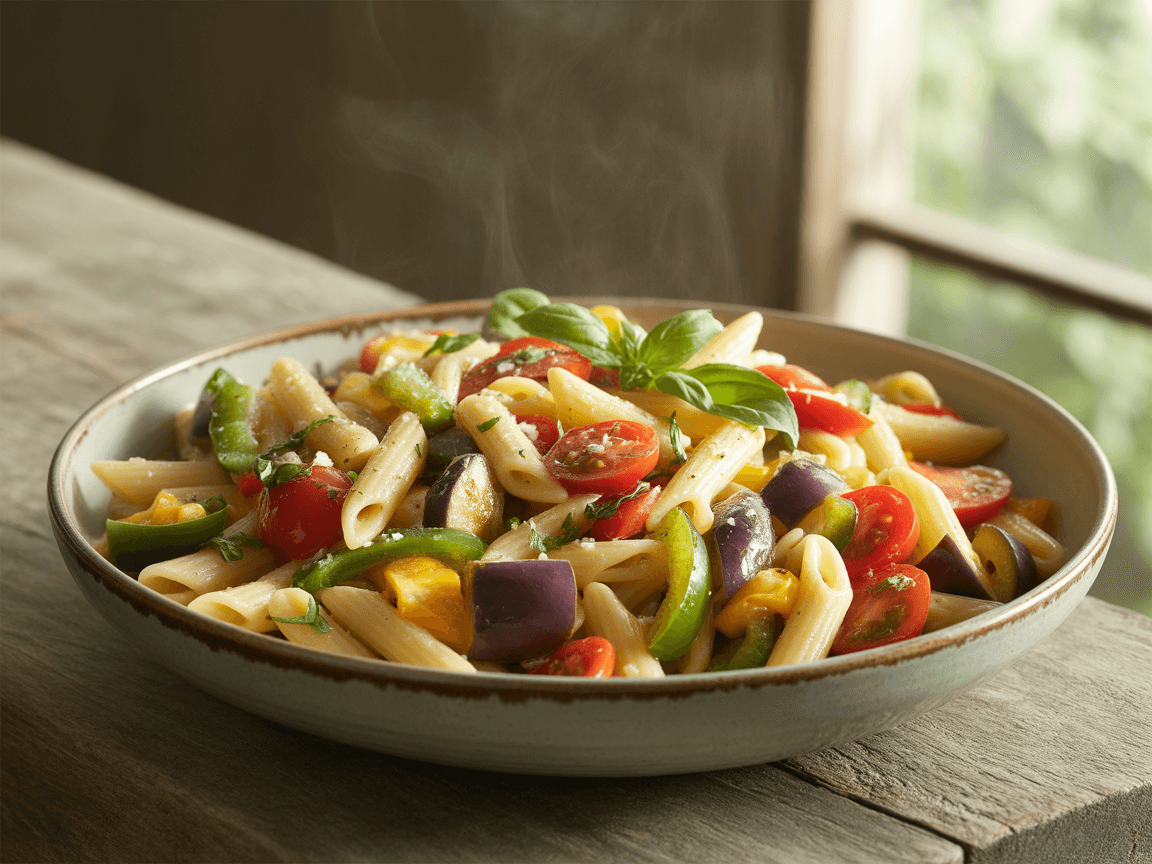
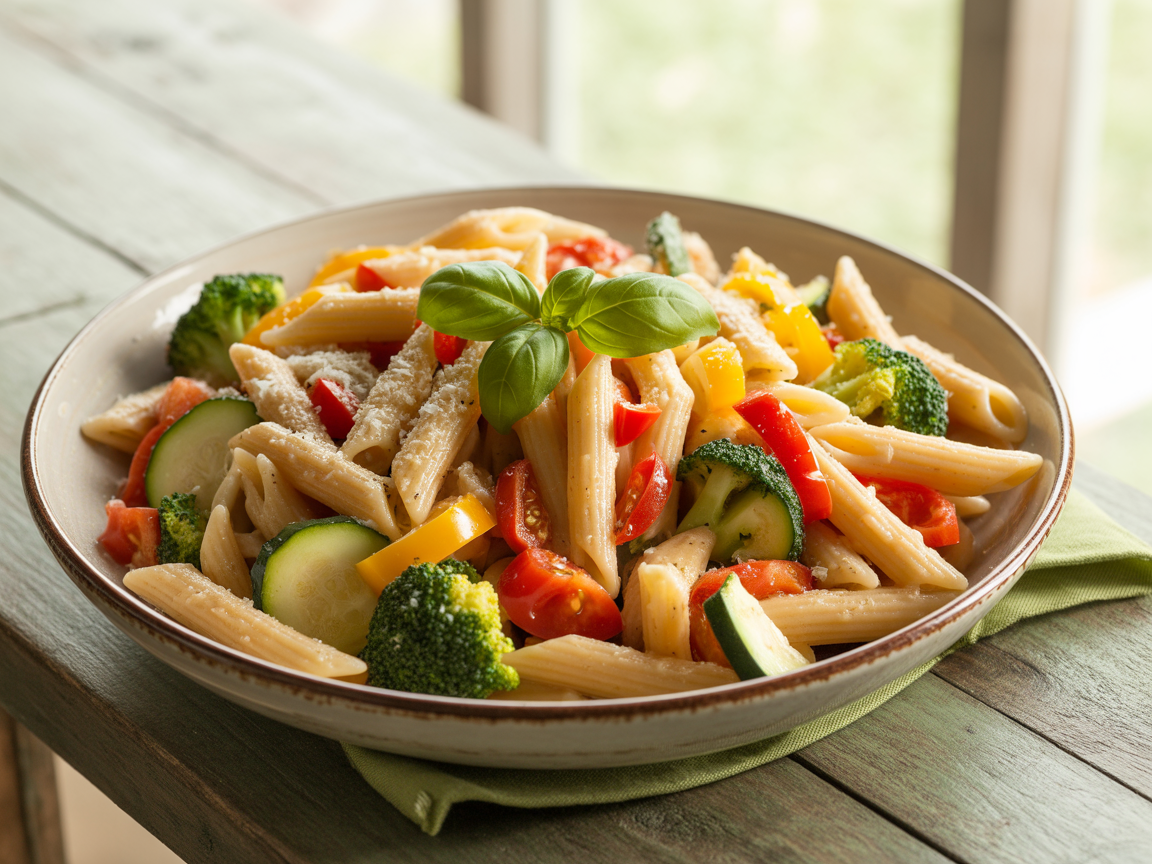
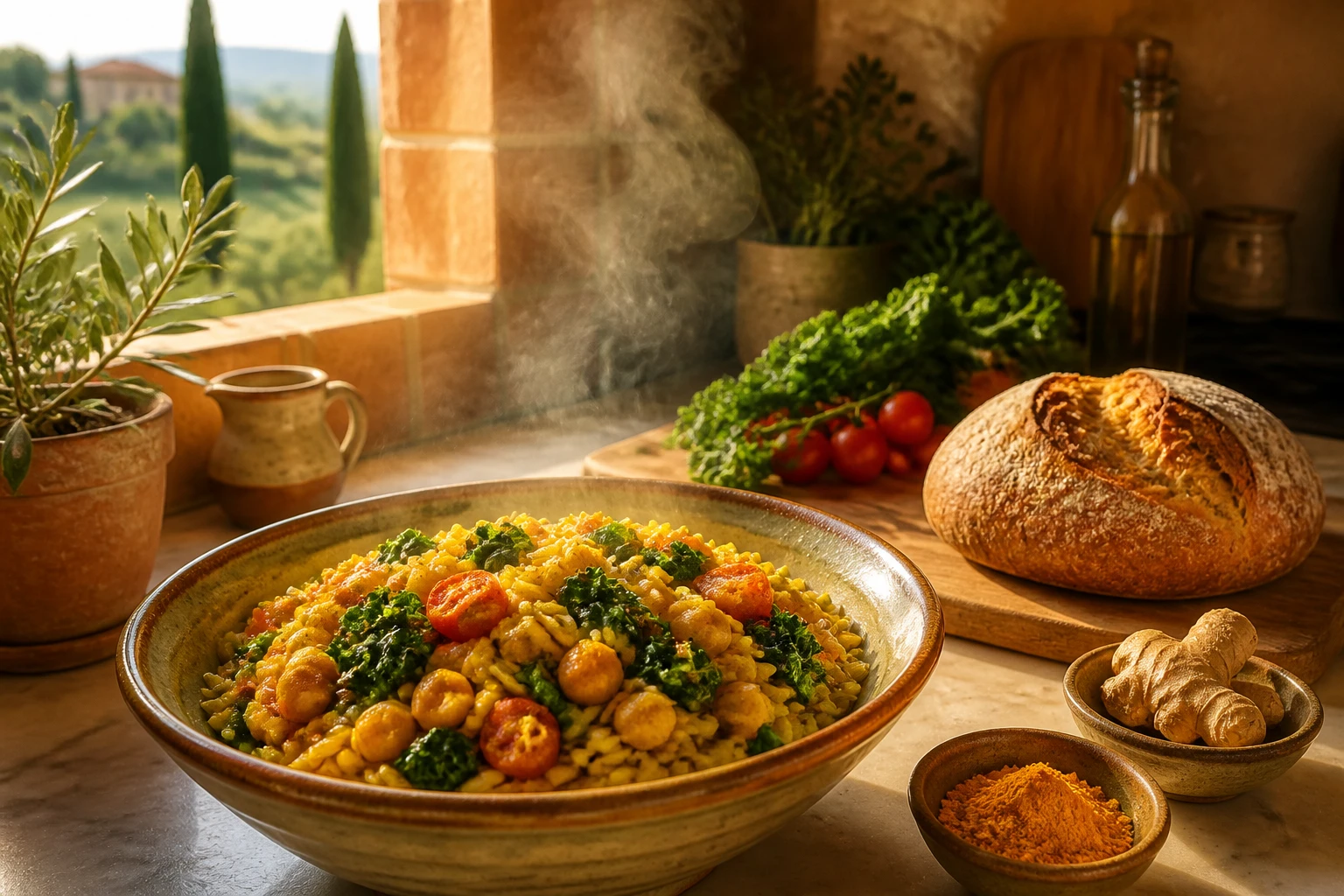
When you’re craving comfort food but want to stick to your health goals, light veggie pasta becomes your best friend. This satisfying dish proves that you don’t need to sacrifice flavor for nutrition. Light veggie pasta recipes like this one make it easy to enjoy comfort food while staying healthy, delivering a perfect balance of vegetables, whole grains, and incredible taste in every bite.
What is Light Veggie Pasta?
Light veggie pasta is a type of pasta dish that has a lot of vegetables in it and is made to have fewer calories than regular pasta dishes.
This style is different from heavy pasta dishes with a lot of cream because it uses fresh vegetables, herbs, and light sauces that let the natural flavors shine through.
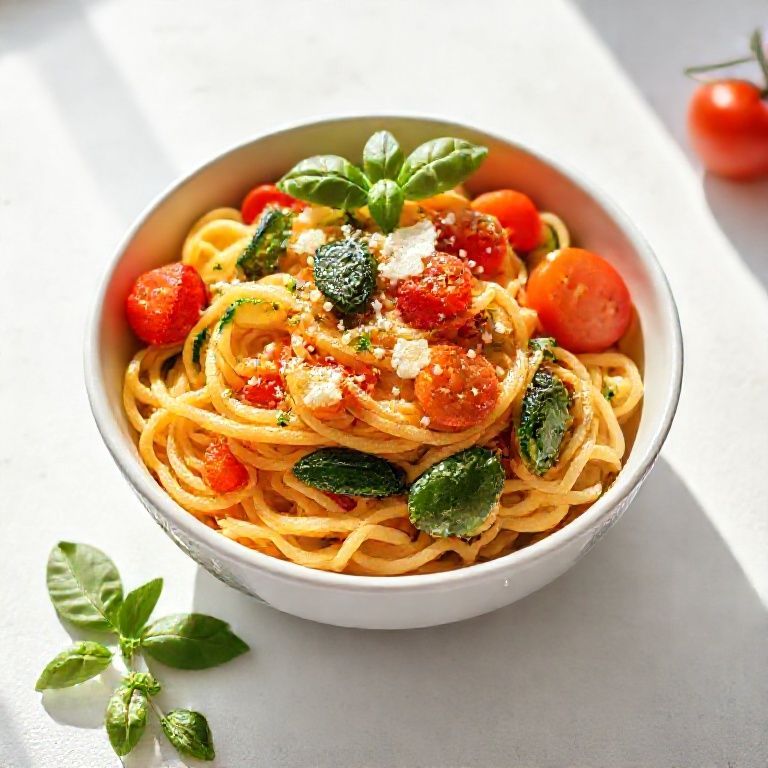
This light veggie pasta is like the classic Pasta Primavera, but it doesn’t have a lot of extra calories. Instead of being the main dish, pasta should be used to get vegetables to the table.
You can usually expect a lot of colorful vegetables like zucchini, bell peppers, cherry tomatoes, and spinach, all mixed together with a small amount of pasta and a light, tasty sauce.
The fact that it focuses on seasonal vegetables is what makes this method different. You can get peas and asparagus in the spring. You can get tomatoes and zucchini in the summer. You can buy Brussels sprouts and butternut squash in the fall. You can get hearty greens like kale and Swiss chard in the winter. This seasonal rotation makes sure you always have the freshest and healthiest ingredients on hand, and it also keeps your meals interesting.
The pasta part is usually smaller than in regular dishes, with only 2 to 3 ounces per serving instead of the usual 4 to 6 ounces. This cutback, along with the lot of vegetables, makes a meal that fills you up but doesn’t have too many calories..
Why Choose Light Veggie Pasta Under 300 Calories?
Choosing light veggie pasta with less than 300 calories isn’t just about losing weight; it’s also about finding a way to enjoy one of the world’s most popular comfort foods that you can keep doing for a long time. This light veggie pasta recipe is the best vegetarian pasta recipe because it has the fewest calories and the most nutrients.
The goal of 300 calories isn’t random. This amount gives you enough energy to feel full without going over your daily calorie limit.
It makes sure you get a good mix of carbs, protein, and healthy fats while still leaving room for other meals and snacks. This portion size is just right for a lot of people who want to be satisfied but not too full.
One of the hardest things about eating healthy is making vegetables taste good, and light veggie pasta does that. When vegetables are the main dish, you naturally eat more vegetables every day without feeling like you have to eat healthy.
The pasta is comforting because it’s something you know, and the vegetables add nutrition, color, and different textures that make each bite interesting.
This method is especially helpful for people who have trouble controlling their portions when they eat traditional pasta dishes. Vegetables are high in fiber, which makes you feel full faster and keeps you full longer.
A plate full of colorful vegetables looks good, which can also make you feel good and help you not eat too much later.
Health Benefits of Low-Calorie Light Veggie Pasta
Low-calorie veggie pasta is good for your health in more ways than just cutting calories. This recipe is one of those healthy pasta recipes that doesn’t taste like diet food. It has a lot of health benefits that help you feel better overall.
First, the high amount of vegetables in it makes you get a lot more vitamins and minerals that your body needs. Bell peppers and tomatoes are good sources of vitamin C, leafy greens are good sources of vitamin K, and asparagus and spinach are good sources of folate. These nutrients help the immune system, keep bones healthy, and fix cells.
Light veggie pasta has a lot more fiber than regular pasta dishes. Vegetables have both soluble and insoluble fiber, which can help your digestion, keep your blood sugar levels stable, and make you feel fuller. This fiber also helps the good bacteria in your gut, which is good for your microbiome and your overall digestive health.
Another big benefit is that they have antioxidants. Different types of colorful vegetables have different antioxidant compounds that help keep your cells safe from damage. Tomatoes have lycopene, which is good for the heart. Orange vegetables have beta-carotene, which is good for the eyes. Purple vegetables have anthocyanins, which may be good for the brain.
You can eat more food while still getting fewer calories because the calorie density is lower. This psychological benefit shouldn’t be overlooked: feeling like you’re eating a lot while still staying within your calorie goals can help you stick to healthy eating habits in the long run.
Ingredients for the Best Light Veggie Pasta (Serves 2, Under 300 Calories per Serving)
Choosing the right ingredients is the first step in making the best light veggie pasta. The best veggie pasta recipes find the right balance between having a lot of vegetables and tasting great. This recipe does just that.
1 medium zucchini, cut into half-moons (about 1 cup)
1 red bell pepper, cut into long strips
1 cup of halved cherry tomatoes
Two cups of fresh spinach leaves
1/2 red onion, cut into thin slices
1/2 cup of fresh broccoli florets
Enhancers of Flavor:
2 tablespoons of fresh basil, chopped
1 tablespoon of fresh parsley, chopped
One lemon, juice, and zest
2 tablespoons of grated Parmesan cheese
Add salt and black pepper to taste.
Red pepper flakes (optional)
Extra Protein:
1/4 cup of chopped almonds or pine nuts
2 tablespoons of nutritional yeast (for a vegan option)
This mix of ingredients makes a colorful, healthy meal that has fewer than 300 calories per serving. The whole wheat pasta has a lot of complex carbs.
Essential Pantry Staples and Substitutions For Light Veggie Pasta
If you have the right pantry staples, making light veggie pasta is easy any night of the week. You can make most vegetarian pasta recipes lighter without losing flavor. Having these basics on hand means you’re always ready.
Things You Need in Your Pantry:
Different kinds of whole wheat pasta, like spaghetti, penne, and fusilli.
Olive oil that is extra virgin
Garlic, either fresh or pre-minced
Vegetable broth with little salt
Dried herbs like basil, oregano, and thyme
Flakes of red pepper
Parmesan cheese that is of good quality
Lemons (fresh is best, but bottled juice works too)
If you don’t have all the ingredients, these swaps work great. You can use yellow squash or eggplant instead of zucchini. You can easily switch out bell peppers for snap peas or asparagus. You can use regular tomatoes, diced tomatoes, or even sun-dried tomatoes instead of cherry tomatoes for a stronger flavor.
Any kind of whole-grain pasta works well. You can use brown rice pasta, quinoa pasta, or even spiralized vegetables instead of regular wheat pasta if you don’t want gluten. If you don’t have fresh herbs, use about a third of the amount of dried herbs.
The cheese part is also flexible. Nutritional yeast gives food a similar umami flavor to dairy. Instead of Parmesan, try crumbled feta or goat cheese for a different flavor.
You can add different kinds of protein depending on what you have on hand. Adding chickpeas, white beans, or even leftover grilled chicken can make the protein content higher.
Step-by-Step Guide: How to Make Light Veggie Pasta
You might not think it’s easy to make veggie pasta that tastes good, but it is. This healthy pasta recipe is different from others because it tastes good and is good for you if you follow the steps in the right order and at the right time. The most important thing is to cook everything in the right order so that each part is done perfectly.
Step 1: Get the veggies ready
First, get all of your vegetables clean and ready. This step is very important because things move quickly once you start cooking.
Cut your zucchini into half-moon shapes that are about 1/4 inch thick. This will help them cook evenly and not get mushy. Cut the red bell pepper into strips and the cherry tomatoes in half.
Thin slices of onion are best because they will caramelize a little while cooking, which will make the dish taste sweeter. Cut the broccoli into small, even pieces so that they cook at the same time as the other vegetables.
Cut off any hard stems from the spinach and wash it well. If you’re using spinach leaves, cut them into small pieces. You don’t need to cut baby spinach because it wilts quickly and evenly.
Make the garlic pieces very small. This will give it more flavor than bigger pieces and keep it from burning while it cooks quickly. Before you juice the lemon, chop up the fresh herbs and zest the lemon.
Step 2: Make the sauce and cook the pasta.
Put some water and salt in a pot. Next, add the pasta. Before you add the vegetables, make sure the pasta is al dente. It will keep cooking a little bit after you add them.
Before you drain the pasta, save 1/2 cup of the water it was cooked in. Adding this starchy water makes the sauce stick together better.
While the pasta is cooking, heat some olive oil in a big skillet or wok over medium-high heat. Add the minced garlic and cook it for about 30 seconds, or until it smells good but doesn’t turn brown. Add the sliced onion and cook for 2 to 3 minutes, or until it starts to get soft.
Put the broccoli florets in first because they take the longest to cook. After that, the strips of bell pepper. Stir the food often while it cooks for 3 to 4 minutes. The vegetables should be soft and bright.
Step 3: Mix in the spices and add them.
Put the cherry tomatoes and zucchini in the pan. It won’t take you more than two to three minutes to cook these.
The zucchini should be soft but not mushy, and the tomatoes should be just starting to let out their juices.
Put the cooked pasta in the skillet with 2 to 3 tablespoons of the pasta water you set aside.
Mix everything together, and if you need to, add more pasta water to make a light sauce that coats the pasta without making it dry.
Add the fresh spinach and stir it around until it wilts. This should be done in under a minute. Take it off the heat and mix in the lemon juice, lemon zest, and fresh herbs. Add salt, pepper, and red pepper flakes to taste.
Step 4: Serve and add a garnish.
Put the pasta in two bowls and sprinkle a tablespoon of grated Parmesan cheese on top of each one. If you’re adding nuts, put them on top for more texture and healthy fats.
Serve it right away while it’s still warm. This dish tastes best when the veggies are still bright and the pasta is just right.
⭐ How to Cook the Best Light Veggie Pasta (Under 300 Calories)
Nutritional Breakdown of This Light Veggie Pasta Recipe
Knowing the nutritional value of your light veggie pasta will help you see why this dish is a great choice for healthy eating. Each serving has a lot of good nutrition and is well below the 300-calorie goal.
Information about the nutrition in each serving:
There are 285 calories in this.
12 grams of protein
48g of carbs
8g of fiber
8g of fat
12g of sugar (from vegetables)
320 mg of sodium
The whole wheat pasta, Parmesan cheese, and vegetables all have protein in them. 12g may not seem like a lot, but it’s a lot for a plant-based meal, and it gives you all the amino acids you need when you eat it with a lot of vegetables.
The whole wheat pasta has mostly complex carbs, which give you energy for a long time without making your blood sugar levels go up and down. The 8 grams of fiber in each serving are good for your digestive health and help you feel full longer.
The fat in this food is good for your heart. Most of it comes from olive oil, and a small amount comes from the cheese and nuts (if you want them). This gives you important fatty acids and helps your body take in fat-soluble vitamins from vegetables.
Important Vitamins and Minerals:
The bell peppers and tomatoes in each serving give you more than 100% of your daily vitamin C needs.
The spinach will also give you a lot of vitamin K, and many vegetables will give you folate and potassium, which is good for your heart.
The antioxidant content is very high, with lycopene from tomatoes, beta-carotene from colorful vegetables, and other flavonoids that are good for your health.
Tips for Making the Best Low-Calorie Light Veggie Pasta
This easy veggie pasta recipe shows that eating healthy doesn’t have to be hard. But with a few expert tips, you can make your dish go from good to great. These methods make sure you get the most flavor while keeping the calories low.
Secrets for Preparing Vegetables: Cut them all the same size so they cook evenly. Smaller pieces cook faster and spread out more evenly in the pasta. Don’t put too many vegetables in the pan at once. If you have to, cook them in batches so they don’t steam and get soggy.
Lightly salting your vegetables while they cook will bring out their moisture and flavors. This trick, which comes from professional kitchens, makes vegetables taste better without adding calories.
For the best pasta cooking, use a lot of salted water—at least 4 quarts for every 4 ounces of pasta. This keeps things from sticking and makes sure they cook evenly. Keep that pasta water because the starch in it helps make a smooth sauce that holds everything together.
Make sure to cook the pasta until it is al dente. When you mix it with the hot vegetables, it will keep cooking. Well-cooked pasta has a better texture and is more satisfying to eat.
How to Build Flavor In your Light Veggie Pasta:
Start by cooking aromatics like garlic and onion to add layers of flavor. This makes a flavor base that spreads throughout the whole dish.
At the end, add acid (like lemon juice) to make all the flavors pop without cooking them away.
Use fresh herbs whenever you can, but add them at the end to keep their color and flavor. You should add dried herbs earlier in the cooking process so that their flavors can develop.
How to Keep Calories Under 300 Without Sacrificing Flavor
To keep the calories under 300 and the taste great, you need to be careful about what you put in and how you cook it. You can make light veggie pasta recipes quickly and easily, which is why they are so great.
You can make meals that are filling without going overboard on calories.
How to Control Portions:
Use a kitchen scale to measure out the right amount of pasta. Each person needs two ounces of dry pasta for this recipe. It has enough food to fill you up without going overboard on the vegetables or your calorie limit.
Add a lot of vegetables
Adding Vegetables that are low in calories and high in volume. Zucchini, bell peppers, and leafy greens are great for adding volume without adding a lot of calories. This fills you up and makes you happy without adding a lot of calories.
To get the most flavor, toast the spices and herbs in the oil for a short time before adding the vegetables. This releases essential oils and makes the flavors stronger. Even toasting for 30 seconds can make your food taste a lot better.
Only eat foods that are high in umami when you need to and in small amounts. You can add a little bit of Parmesan cheese, sun-dried tomatoes, or nutritional yeast to make the dish taste rich and satisfying, like a treat.
To make the acidity stronger, add lemon juice and zest. The zest adds fragrant oils, and the juice makes the whole dish taste better. This way of cooking makes the vegetables taste better and the whole dish more filling.
Instead of heavy cream or butter, use pasta cooking water and a little olive oil. This makes a thin sauce that coats the pasta without adding too many calories.
Use a lot of herbs and spices. They make food taste better without adding calories. Fresh basil, oregano, thyme, and parsley make vegetable pasta taste even better.
Common Mistakes to Avoid When Making Light Veggie Pasta
Even easy recipes can go wrong if you make common mistakes. Avoiding these mistakes will make sure that your light veggie pasta always comes out perfectly, with a great texture and flavor that doesn’t taste like diet food.
Overcooking vegetables: The worst thing you can do is cook them until they are mushy.
Vegetables should still have some crunch and their bright colors. When you cook vegetables for too long, they lose nutrients, taste bad, and can make the whole dish feel heavy even though it has few calories.
Start with harder vegetables like broccoli and bell peppers, and then add softer ones like zucchini and tomatoes. Add leafy greens like spinach last, just long enough for them to wilt.
One more common mistake is cooking pasta for too long. To be good, light veggie pasta needs to have the right texture. The whole meal feels less filling and less tasty when the pasta is mushy.
It’s a waste of time not to save pasta water. This starchy water helps the sauce stick together and makes it taste better without adding calories or fat.
Common seasoning mistakes In Light Veggie Pasta :
People often don’t season their food enough when they try to keep calories low. Adding the right amount of seasoning doesn’t add a lot of calories, but it does make a dish taste better.
Adding salt only at the end means you miss chances to add flavor. To bring out the natural flavors of vegetables, season them lightly as they cook.
Problems with the sauce: If the sauce is too wet or too dry, it will taste bad and not be satisfying. The pasta should not be swimming in liquid or completely dry; it should be lightly coated.
When the pan is too hot, adding cheese can make it clump together or get stringy. Take off the heat, add the cheese, and stir gently.
Timing Issues:
If you don’t have all the ingredients ready before you start, some parts will be overcooked. This kind of cooking goes quickly, so it’s important to get everything ready.
Letting the finished dish sit for too long before serving changes the texture. You should eat light veggie pasta right away, when the vegetables are still bright and the pasta is just right.
Variations and Customizations for Light Veggie Pasta
Light veggie pasta is great because you can change it to fit your tastes, dietary needs, or what you have on hand in your kitchen. These changes keep the goal of fewer than 300 calories while adding interesting flavors.
Seasonal Changes: In the spring, asparagus, peas, and fresh herbs come out. Instead of zucchini, use asparagus spears and add fresh or frozen peas during the last minute of cooking. These spring vegetables go great with fresh mint and dill.
Summer is the best time for tomatoes. Add a mix of heirloom tomatoes, fresh corn kernels, and a lot of fresh basil. You can use yellow squash instead of or in addition to zucchini.
Roasted butternut squash, Brussels sprouts, and sage are some examples of fall variations. These heartier vegetables need more time to cook, so make changes as needed. A little balsamic vinegar goes great with fall flavors.
In the winter, hardy greens like kale or Swiss chard and roasted root vegetables can be added. These vegetables give the dish a hearty, earthy flavor that is great for cold weather.
Mediterranean style uses olives, sun-dried tomatoes, and a lot of fresh herbs. Put a little bit of feta cheese on top, and then drizzle some good olive oil on top.
You could use snap peas, bok choy, and mushrooms in an Asian-inspired version, and then dress them with a light soy sauce and sesame oil dressing. Garlic and ginger make a fragrant base.
Mexican flavors go well with bell peppers, corn, and cilantro. Add lime juice and a little cumin to finish. A little bit of avocado makes things creamy without adding a lot of calories.
Gluten-Free and Vegan Options In Light Veggie Pasta
You can easily change this recipe so that it works for vegans and people who can’t eat gluten. The flavors and low-calorie count that make this dish so good will still be there.
If you’re on a gluten-free diet, you can use brown rice pasta, quinoa pasta, or chickpea pasta instead of wheat pasta.
These other choices will make you just as happy, but they have different nutritional profiles. Chickpea pasta has more protein than quinoa pasta, which has all the amino acids your body needs.
Corn pasta works well, but it can be more fragile, so be careful with how long you cook it. Some gluten-free pastas work better if you lightly coat them with oil after draining them to keep them from sticking.
You can use spiralized vegetables instead of pasta to cut down on carbs even more. Zucchini noodles, sweet potato spirals, or spaghetti squash add interesting textures and lower the number of calories by a lot.
Vegan Changes:
To get a similar umami flavor without dairy, use nutritional yeast instead of Parmesan cheese. Use about 2 tablespoons per serving for the best taste.
You can use cashew cream in place of any sauce parts that are made with dairy. To make a creamy base that adds flavor without adding too many calories, mix 1/4 cup of soaked cashews with 1/4 cup of water.
Plant-based proteins include white beans, chickpeas, and hemp seeds. These add protein and body to the dish without making it too heavy.
Options for Combining:
You can easily make gluten-free vegan versions of both changes. Chickpea pasta with nutritional yeast and white beans is a meal that is high in protein, plant-based, and has fewer than 300 calories per serving.
You don’t have to give up taste or satisfaction when you go on a diet, as these changes show. There are benefits to each version, but they all keep the main appeal of pasta, which is light and full of vegetables.
How to Store and Reheat Light Veggie Pasta
If you store your light veggie pasta properly and heat it up again, it will taste and feel the same when you eat it again. This dish tastes best when it’s fresh, but knowing how to store leftovers can help you plan meals or save some for later.
Best Ways to Store:
Let the pasta cool all the way down before putting it away. If you don’t, condensation can form and make the vegetables soggy. This usually takes about 30 minutes at room temperature.
You can keep them in the fridge for up to three to four days if you put them in airtight containers. Glass containers are the best because they don’t smell and you can see what’s inside easily.
For the best results, try to keep the pasta and any leftover sauce separate. This stops the pasta from getting mushy by soaking up too much water.
If you want to save leftovers, don’t cook the vegetables all the way through. They will finish cooking while they are reheating, which will help them keep their texture.
The best way to keep the texture when reheating is to use the stovetop. Put a tablespoon of water or vegetable broth in a skillet. Add the pasta and heat it over medium heat, stirring gently until it is hot all the way through.
You can easily reheat food in the microwave, but you need to be careful. Put a tablespoon of water in a microwave-safe dish, cover it, and heat it for 30 seconds at a time, stirring between each time.
Don’t put it back in the oven because it can dry out the vegetables and make the pasta hard.
When you prep meals, think about making the parts separately. Cook the pasta and vegetables separately, then mix them together and heat them up when you’re ready to eat.
You can keep pre-cut vegetables for two to three days and then quickly sauté them when you’re ready to make fresh pasta. You can make meals ahead of time and still enjoy the taste of food that has just been cooked.
Light veggie pasta can be frozen for up to two months, but it’s not the best idea. The texture will change, especially for watery vegetables like zucchini and tomatoes.
If you plan to freeze something, cook it a little less than you normally would. Put it in the fridge overnight to thaw, and then heat it up on the stove with a little bit of water.
Quality Indicators:
The pasta should be firm, and the vegetables should be bright. If the vegetables look dull or slimy, or if they smell bad, throw them away.
If you store and reheat light veggie pasta the right way, it can taste almost as good as fresh. This makes it a great choice for planning meals and cutting down on food waste while still eating healthy.
This complete guide to light veggie pasta with less than 300 calories shows that you can eat healthy without losing flavor or satisfaction.
Using the right ingredients, methods, and variations, you can make healthy, tasty meals that help you reach your health goals and satisfy your cravings for comfort food. Eating well is easy and tasty, whether you stick to the basic recipe or try out all the different versions.
Want just the essential recipe details without scrolling through the article? Get our printable recipe card with just the ingredients and instructions.
Disclosure: This post may contain affiliate links.
If you make a purchase through these links, I may earn
a small commission at no extra cost to you.
prab chahal
Hi, I’m Prabjot Chahal – the heart (and taste buds) behind this blog!
Food has always been my love language – from experimenting with family recipes to discovering unique flavors from around the world. I believe that cooking isn’t just about following a recipe, it’s about creating moments, sharing stories, and connecting with others over something delicious. Through this blog, I want to build a vibrant food community where we share more than just recipes – we share inspiration, tips, and the joy of making and enjoying good food together. Whether you’re here for quick weekday dinners, festive treats, or creative seasonal ideas, you’re part of this table. So grab a fork (or a whisk!) and let’s cook, bake, and share our love for food – one recipe at a time.