Dhokla Nutrition Value: Calories, Macros & Health Benefits
Table of Contents
What Is Dhokla?
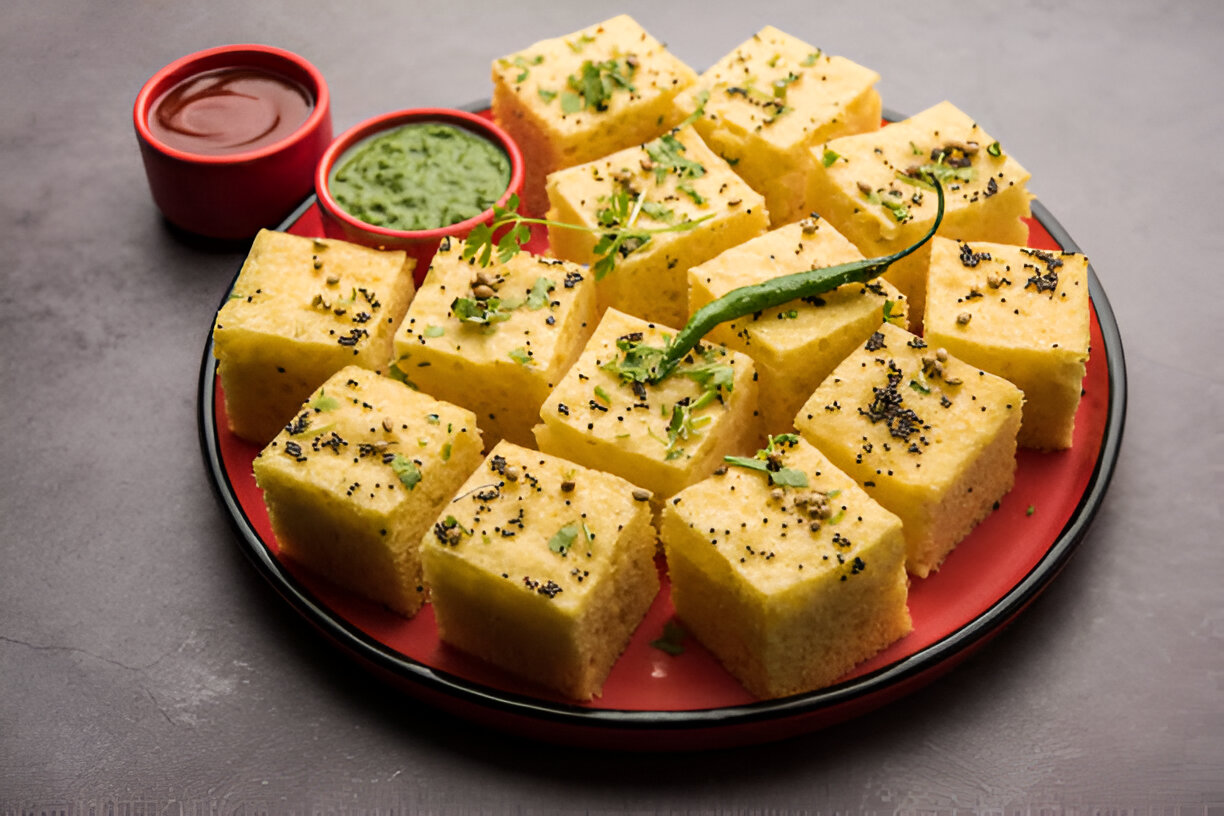
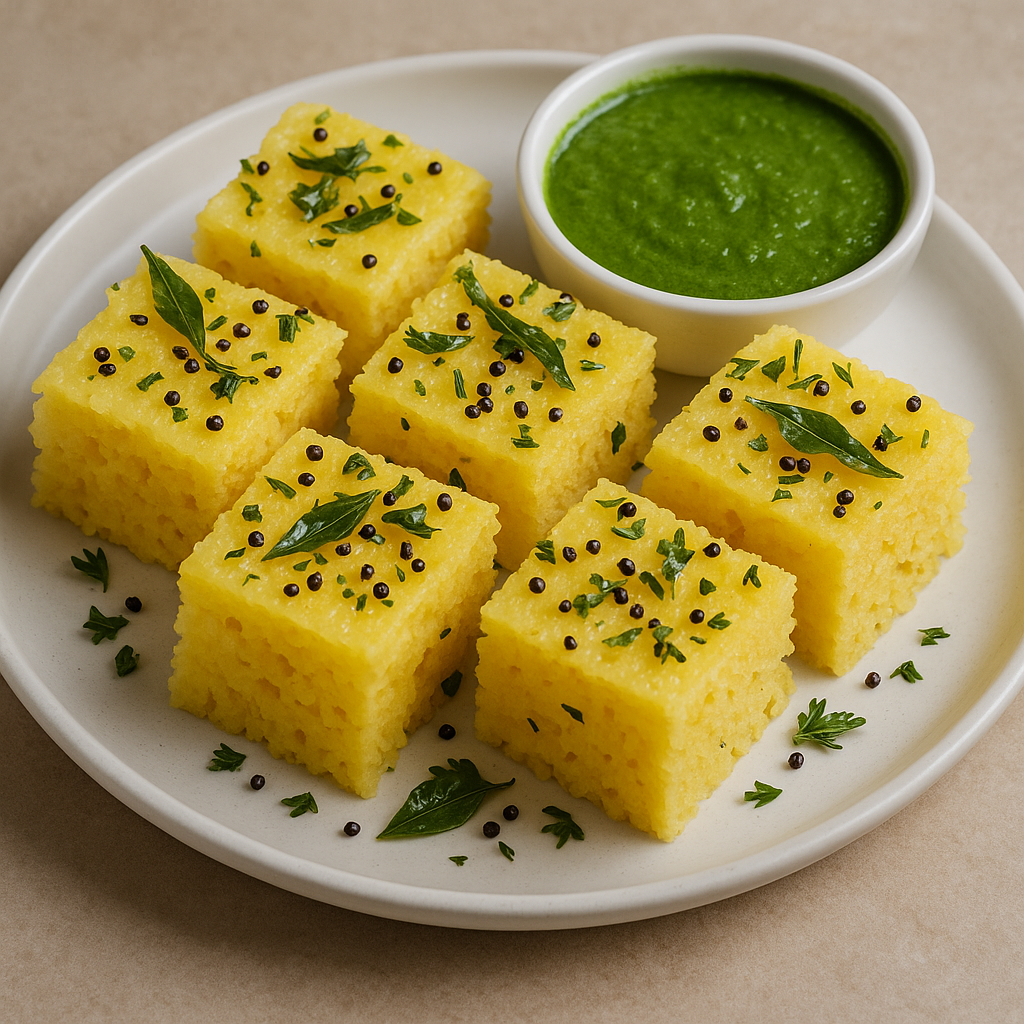
Dhokla is a Gujarati dish, which is usually loved by everyone for its lightness, made from a fermented batter of besan (gram flour) or ground chana dal (split chickpeas). What makes Dhokla unique is its soft, spongy texture, achieved without the use of deep-frying. Dhokla is often served with Green Chutney. Today, we will discuss Dhokla Nutrition Value in this blog.
Dhokla Nutrition Value Per 100g(Khaman Dhokla)
(Dhokla Nutrition Value)Dhokla Nutrition Value, Dhokla Nutrition Value
Nutrient
Amount (Approx.)
Calories
160–180 kcal
Carbohydrates
25–30g
Protein
6–8g
Fat
4–6g
Fiber
2–3g
Sodium
Varies by recipe
Dhokla Calories Chart
(Dhokla Nutrition Value)Dhokla Nutrition Value, Dhokla Nutrition Value
Quantity
Approx. Calories
Equivalent To
1 piece dhokla (≈30g)
45–60 kcal
1 small apple
1 plate (4–6 pieces)
200–350 kcal
1.5 bowls of cooked rice (1.5 cups)
100 grams dhokla
160–200 kcal
1 medium aloo paratha
250 grams dhokla
400–500 kcal
2 buttered rotis + sabzi
350 grams dhokla
560–700 kcal
1 burger + fries
500 grams dhokla
800–1000 kcal
1 full thali (dal, rice, roti, sabzi combo)
Health Benefits of Dhokla
1. Rich in Protein
Besan, also known as gram flour or chickpea flour, is made by grinding chana dal (a legume rich in nutrients). 100 grams of besan contains about 20–22 grams of protein. That’s nearly the same protein content as 3 eggs — but completely plant-based.
This makes besan an excellent protein source for vegetarians and vegans.
2. Good for Digestion
Dhokla is steamed and not fried, which actually makes it light on the stomach and easy to digest. One of the main reasons for being healthy is fermented batter, which means it contains gut-friendly bacteria. It’s naturally rich in dietary fiber and plant-based protein, which simultaneously a smooth digestion and keeps one full for a longer period of time.
3. Low in Fat (If Steamed)
One of the Biggest health advantages Dhokla has over other breakfast options is its low fat content — if steamed properly. Most of the Indian snacks are deep-fried, but this cooking method uses no oil for the meal preparation, which keeps it much lighter compared to samosa, pakora, or kachori. Dhokla is a percent option for people trying to manage cholesterol, trying to manage weight, or who want to follow a low-fat diet.
Is Dhokla Good for Weight Loss?
Yes, dhokla is good for weight loss as it’s low in calories, high in protein and fiber, and steamed—not fried.
1. Low Glycemic Index
Dhokla is a low glycemic food that releases sugar slowly in the bloodstream, which maintains your blood sugar level.
2. Fermented = Good for Gut Health
As we all know by now, Dhokla is kept aside for fermentation before actually preparing the meal, which automatically supports good gut health. A healthy Gut can absorb all the nutrients and keep your hormones intact.
A single piece of Dhokla contains around 45-60 calories. It contains very little fat, especially if you use very less oil while tempering.
4. Rich in Protein & Fiber
Dhokla made from gram flour, a plant-based protein, makes you feel full for a longer period of time, which helps which unnecessary cravings and overeating.
Tips to Make Dhokla Healthier
Skip sugar syrup: If you are looking to make it much healthier, then avoid using Sugar syrup as a topping.
Mix in suji or oats: You can add powdered oats to it for extra fiber.
Use lemon juice instead of citric acid: It’s a natural source.
Pair with mint or coriander chutney: You can skip the fancy sauces and use mint or coriander chutney instead. It’s good for your stomach.
Limit garnish: Don’t add too many toppings, like fried sev or grated coconut, as a garnish.
1) What is the approximate calorie and macronutrient content of a typical piece of dhokla?
A usual serving (≈ 58 g or one piece) of dhokla contains about 150–152 calories.
In terms of macronutrients, it provides a modest amount of protein, some fat, and mostly carbohydrates (from the flours used).
2) What makes dhokla a healthier snack compared to fried alternatives?
Because dhokla is steamed, not fried, it uses very little added oil and doesn’t carry the unhealthy fats that deep-fried snacks do.
Also, the fermentation process improves digestibility and nutrient absorption
3) Does dhokla provide protein and fiber, and how much?
Yes — the chickpea (besan) or lentil base contributes protein, and whole flours contribute fiber. Several sources describe dhokla as rich in protein and fibre. The fiber helps with satiety and digestion.
4) How does fermentation in dhokla impact its nutritional benefits?
Fermentation used to make dhokla has a number of benefits:
It makes vitamins (like B-vitamins) and minerals more available by lowering the amount of anti-nutrients.
It also helps good bacteria, or probiotics, grow in the batter, which is good for gut health.
The batter that has been fermented is usually lighter, easier to digest, and easier on the stomach.
5) What vitamins and minerals does dhokla contribute to the diet?
Depending on the flours used, dhokla has B vitamins, iron, potassium, magnesium, and other minerals in it.
Fermentation often makes it easier for the body to take in these minerals.
6) Can eating too much dhokla cause digestive issues or drawbacks?
Yes, moderation is key. Some reports warn that consuming dhokla more than three times a week may lead to bloating, constipation, or IBS-like symptoms in sensitive individuals.
Also, because dhokla contains salt and sometimes sugar, overconsumption may raise sodium or glycemic load concerns.
Nutritional Comparison: Dhokla vs Other Indian Snacks
Snack (100g)
Calories
Protein (g)
Fat (g)
Carbs (g)
Fiber (g)
cooking method
Digestibility
Dhokla
160–200
6–8
4–6
22–25
2–3
Steamed
Easy
Poha
180–220
2–3
6–10
25–30
1–2
Stir-fried
Moderate
Idli
120–140
2–3
1–2
25–28
1
Steamed
Easy
Upma
200–240
3–4
6–8
28–32
1–2
Roasted + sautéed
Moderate
dosa
170–200
2–4
5–10
28–35
1–2
Pan-fried
Moderate
Final Thoughts: Should You Eat Dhokla Regularly?
It is true that dhokla is a light snack that is high in protein and easy to digest when it is prepared properly. This means that it is steamed, low in oil, and does not contain any sugary syrup. It has a fermented foundation that is beneficial to your digestive tract, and it is low in calories and fat, making it an excellent choice for those who are trying to lose weight and follow a healthy diet.
No matter if you’re eating it for breakfast, lunch, or a snack, dhokla is an excellent option that won’t disappoint. Be sure to steer clear of the ones that are sold in stores because they are loaded with sugar or oil. If you consume dhokla with awareness, it has the potential to become a consistent component of your diet that is healthful.
Disclosure: This post may contain affiliate links.
If you make a purchase through these links, I may earn
a small commission at no extra cost to you.
prab chahal
Hi, I’m Prabjot Chahal – the heart (and taste buds) behind this blog!
Food has always been my love language – from experimenting with family recipes to discovering unique flavors from around the world. I believe that cooking isn’t just about following a recipe, it’s about creating moments, sharing stories, and connecting with others over something delicious. Through this blog, I want to build a vibrant food community where we share more than just recipes – we share inspiration, tips, and the joy of making and enjoying good food together. Whether you’re here for quick weekday dinners, festive treats, or creative seasonal ideas, you’re part of this table. So grab a fork (or a whisk!) and let’s cook, bake, and share our love for food – one recipe at a time.