Rice is the quiet workhorse of the kitchen. It arrives in neat little grains, dries into perfect pellets, and somehow always tastes a little better when someone else cooks it. Yet dozens of well-intentioned home cooks end up with overcooked mush, crunchy centers, or sticky clumps. The culprit isn’t merely bad technique—it’s a collection of tiny missteps that compound with every batch.
In this guide, you’ll learn how to troubleshoot rice the way a seasoned chef does: with small adjustments, clear rules, and a few surprising hacks. You’ll discover how to cook rice that holds its shape, absorbs flavor without becoming gummy, and pairs perfectly with a wide range of dishes—from a simple weeknight stir-fry to a festive biryani. By the end, you’ll never fear rice again.
Below, you’ll find practical, real-world strategies backed by kitchen experience. We’ll cover the overview, common pitfalls, expert tips, and a clear plan you can apply tonight. Ready to reclaim control of your rice? Let’s dive in.
Key Takeaways
- Measure and rinse carefully to remove excess starch and ensure even cooking.
- Know your rice type—each grain has its own water ratio and cook time.
- Choose the right technique—absorption, boiling, or steaming—based on the dish.
- Rice to water ratios matter but are not the whole story; temperature and resting time matter too.
- Let rice rest after cooking to finish steaming and separate grains.
- Flavor matters—toasting, broth, salt, and aromatics elevate plain rice dramatically.
- Avoid over-stirring once cooking begins to prevent breakage and gumminess.
- Storage and reheating can keep rice fresh and safe for extra meals.
Main Sections
Overview: Why Rice Goes Wrong Often
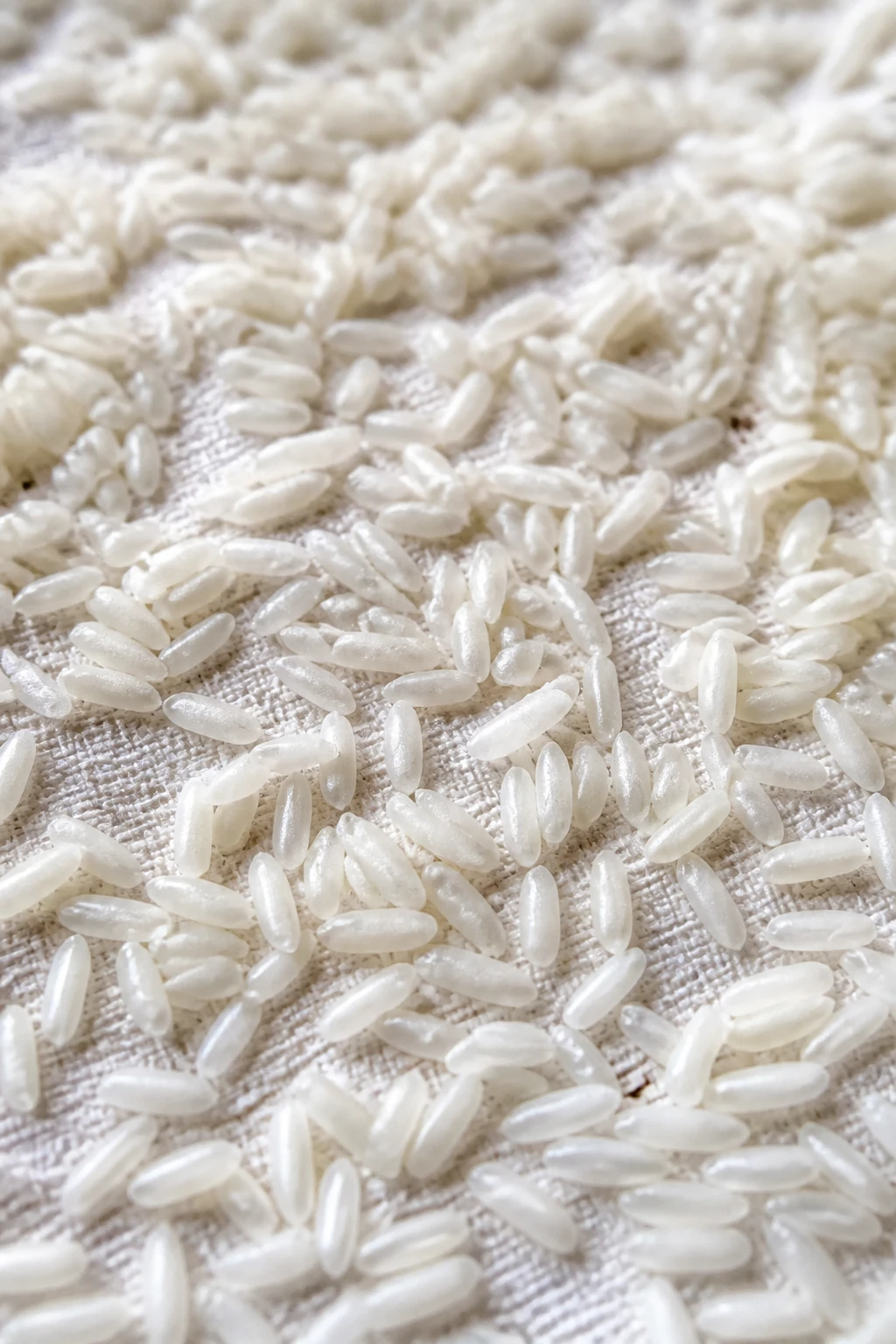
Rice behaves like a tiny, stubborn sponge. It can absorb too much water and go mushy, or it can finish underdone with chalky centers. The roots of the problem lie in four areas: the grain type, rinsing and drying, water-to-rice ratio, and cooking method. When any one of these is off, you’ll feel the texture in every bite.
Understanding the grain helps you set expectations. Long-grain varieties (like basmati) stay separate when cooked properly, while short-grain varieties (like sushi rice) are designed to be stickier. Basmati benefits from gentle toasting and a shorter cooking window; jasmine rice loves a fragrant touch and a light hand with water. Brown rice is robust but needs more time and water. Parboiled (a.k.a. conversions) behaves differently again. The goal is to match the method to the grain, not force a one-size-fits-all approach.
Types of Rice and Their Best Uses
- Long-grain white rice — separate, fluffy grains; ideal for pilafs, bowls, and fried rice.
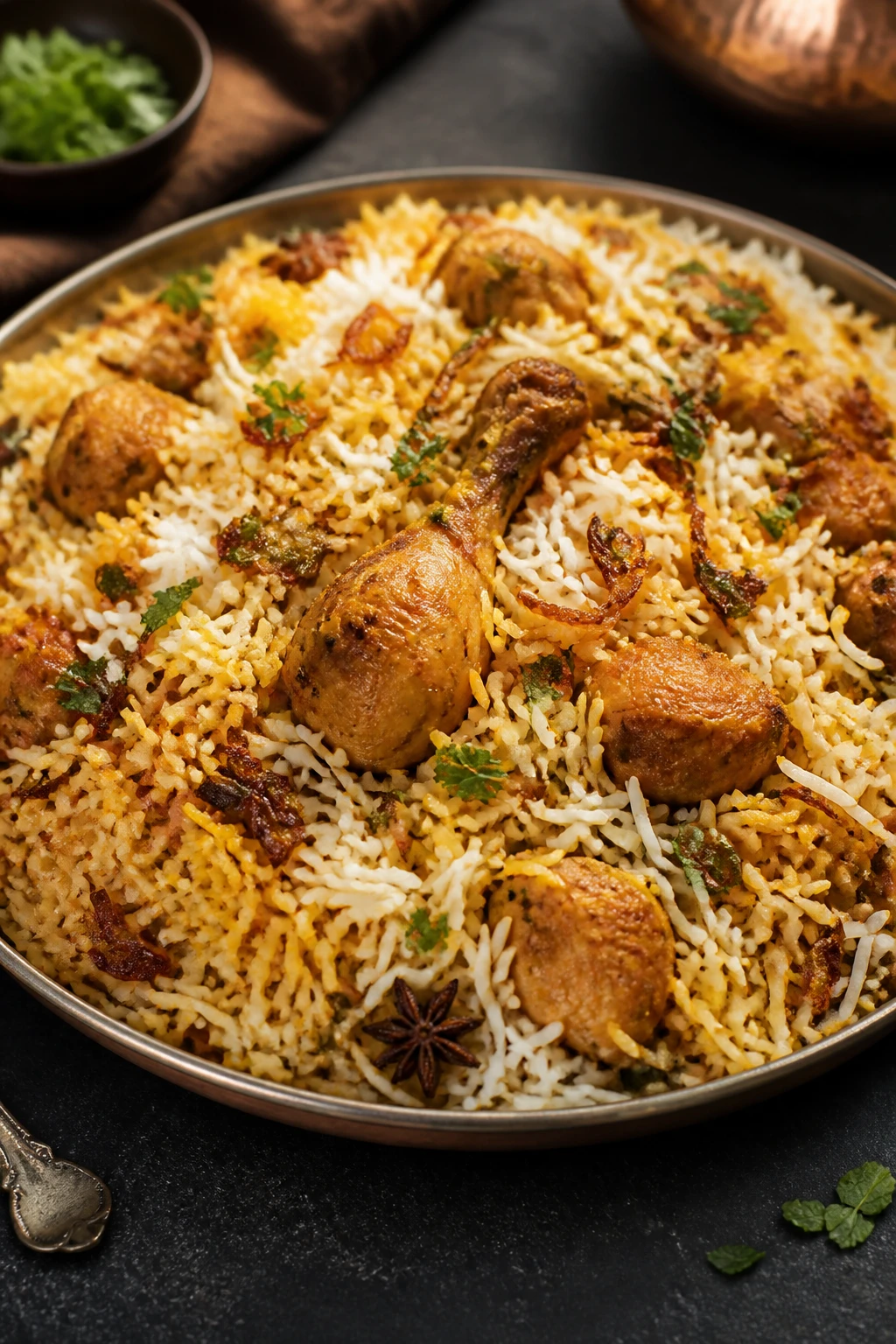
- Basmati — fragrant, fluffy, elongated grains; great for Indian curries and biryani.
- Jasmine — aromatic, soft, slightly sticky; pairs with Thai and Southeast Asian dishes.
- Medium- and short-grain white — tender, a touch sticky; perfect for sushi and certain casseroles.
- Brown rice — chewy, nutty; needs longer cooking and more water.
- Arborio — starch-rich for risotto; requires constant stirring and broth.
- Parboiled (converted) white — firmer texture, reduced stickiness; good for pilafs and salads.
The Simple Method: The Absorption Technique Demystified
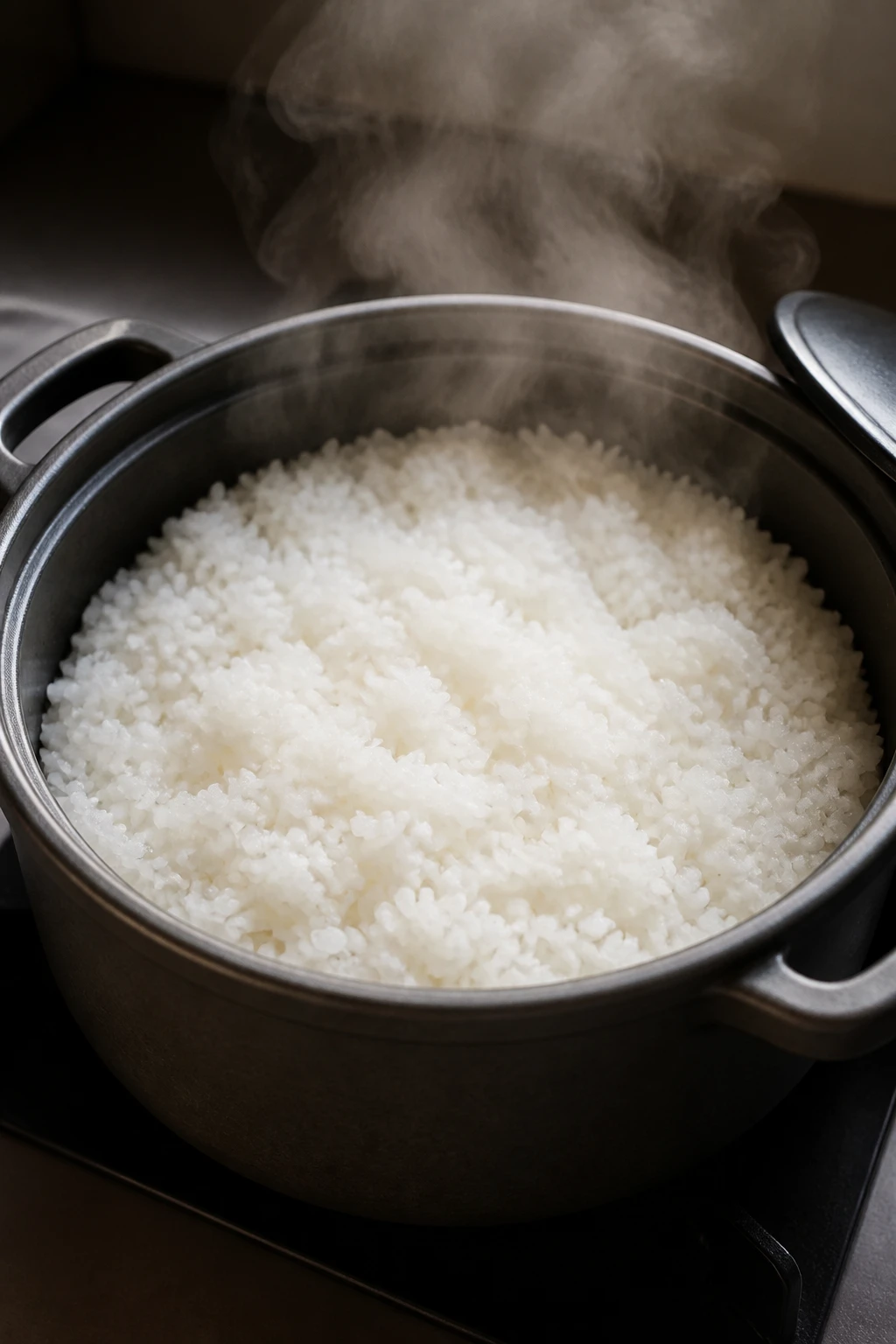
The absorption method is the most forgiving when you understand the basics. It relies on the grains absorbing a precise amount of water as they steam in a covered pot or pan. Here’s the core approach you can adapt to most rice varieties:
- Rinse the rice until the water runs clear to remove surface starch.
- Toast (optional) for 1–2 minutes in a dry pot to boost aroma and reduce chalkiness.
- Add water or stock in a precise ratio (see per-variety guidelines below).
- Bring to a gentle boil, then reduce to a low simmer and cover tightly.
- Cook undisturbed for the recommended time until all water is absorbed.
- Rest off heat for 5–10 minutes, then fluff with a fork.
Common Mistakes That Spoil Rice (And How to Fix Them)
- Rinsing incorrectly or not rinsing at all leaves surface starch, causing sticky clumps. Fix: rinse until water runs clear.
- Using the wrong ratio of water to rice. Fix: measure carefully and adjust slightly for your stove and pot.
- Boiling it like pasta then draining. Fix: switch to the absorption method for consistent texture.
- Peeking, lifting the lid, or stirring mid-cook disturbs steam and creates uneven results. Fix: resist the urge and let it finish steaming.
- Not resting after cooking causes grains to collapse and become mushy. Fix: let it sit, then fluff gently.
- Over-toasting or under-toasting the grains. Fix: a quick aromatic toast can help; skip if you’re short on time.
Expert Tips: Real-World Techniques That Make a Difference
Tip 1: Always Start with Cold Water for Most White Rices
Starting with cold water provides a more controlled temperature rise, reducing the risk of scalding the surface and causing uneven cooking. It also helps the grains heat evenly from the core.
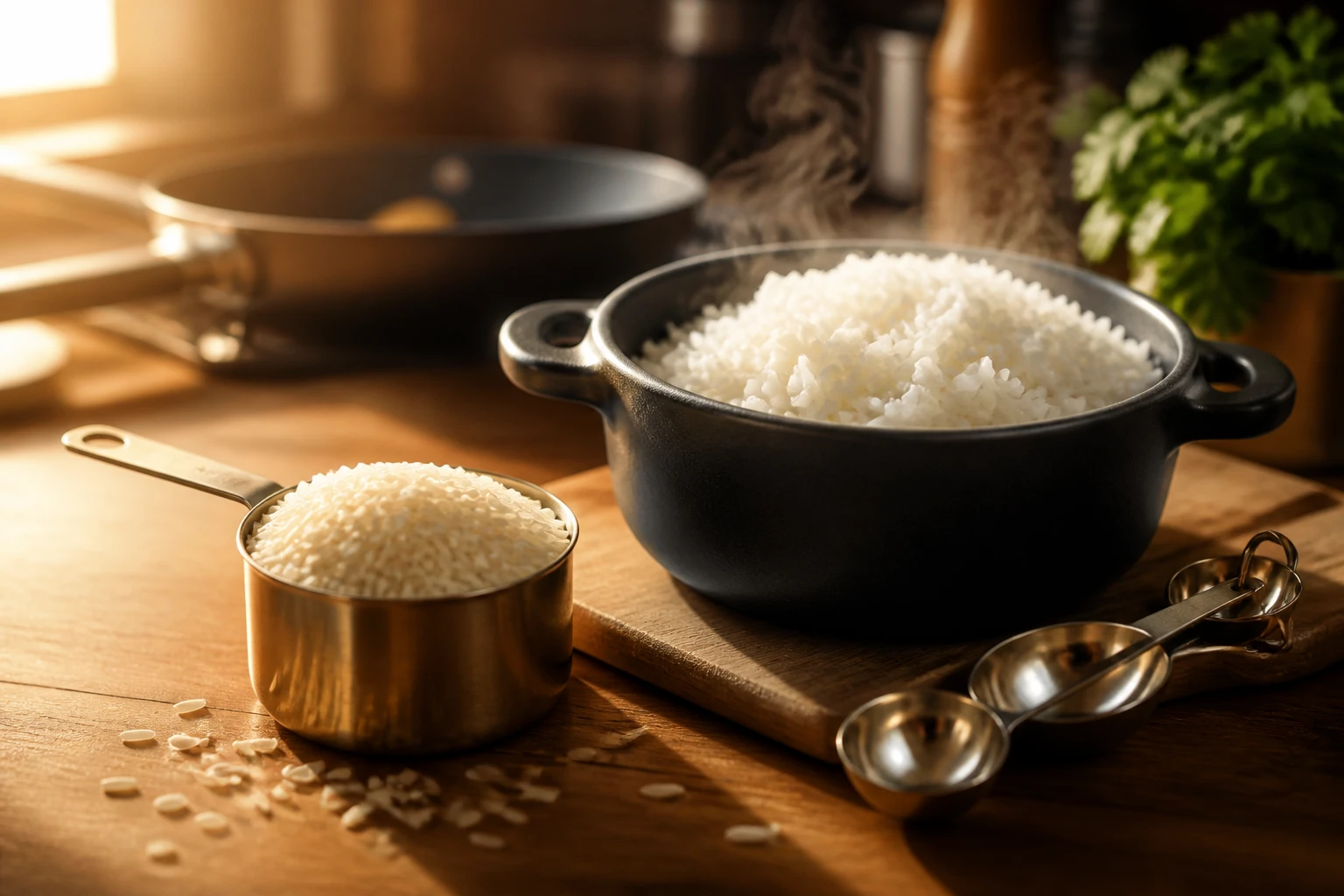
Tip 2: Use a Narrow-Sided Pot or Dutch Oven
Heavier bottoms prevent scorching and encourage even heat distribution. A tight-fitting lid traps steam, which is essential for fluffy grains.
Tip 3: Maintain a Gentle Simmer
A vigorous boil creates turbulent movement and breaks grains. A slow simmer keeps texture intact and makes for evenly cooked rice.
Tip 4: Rest is Non-Negotiable
Let the rice rest, covered, for 5–10 minutes. The starches settle, and the grains finish steaming. This step prevents gumminess.
Related Posts:






Tip 5: Flavor Up Front
Use broth, salt, and a tiny bit of oil or butter to add depth. Toasting the dry rice before adding liquid heightens aroma and flavor perception.
Best Practices by Rice Type
- Long-grain white: 1 cup rice to 1.5 cups water; simmer 15–18 minutes; rest 5–10 minutes.
- Basmati: 1 cup rice to 1.75–2 cups water; rinse well; simmer 12–15 minutes; rest 5 minutes.
- Jasmine: 1 cup rice to 1.5 cups water; simmer 12–14 minutes; rest 5 minutes.
- Brown rice: 1 cup rice to 2.5–3 cups water; simmer 35–45 minutes; rest 10 minutes.
- Parboiled: 1 cup rice to 2 cups water; simmer 20–25 minutes; rest 5–10 minutes.
- Arborio: not the absorption method; start with simmering broth ladle by ladle for creamy texture.
Real-Life Scenarios: Recipes and Routines
Below are two practical routines you can adapt depending on your time and the dish you’re making.
Routine A: Weeknight Quick Rice (Long-Grain White)
- Rinse 1 cup of long-grain white rice until water is clear.
- Toast in a pot with 1 teaspoon oil for 1 minute.
- Add 1.5 cups cold water and ¼ teaspoon salt.
- Bring to a boil, reduce to a simmer, cover, and cook 15 minutes.
- Off heat, rest 5 minutes, then fluff.
Routine B: Fragrant Basmati Pellets (Basmati)
- Rinse 1 cup basmati until water runs clear.
- Soak 15–20 minutes (optional but helpful for even texture), then drain.
- Toast 1 minute in the pot; add 1.75 cups water and a pinch of salt.
- Simmer 12–15 minutes; rest 5 minutes; fluff with a fork.
Flavor-Paired Techniques: Elevating Rice in Dishes
- Infused liquids: simmering rice in a mixture of water and light stock or coconut water for a nuanced base.
- Aromatics: add bay leaf, cardamom, saffron, or curry leaves during cooking to perfume the grains.
- Finish with brightness: a squeeze of lime, chopped herbs, or toasted sesame to lift the dish.
- Texture contrasts: pair fluffy rice with crunchy toppings or sautéed vegetables for dynamic bites.
Common Limitations and When to Adjust
Rice isn’t a one-size-fits-all staple. If you’re cooking for a crowd with varying stoves, you’ll notice slight differences in heat distribution. In such cases, consider these adjustments:
- Altitude adds moisture evaporation; you may need a touch more water.
- Pan type influences heat retention; heavier pots maintain simmer better.
- Gas vs. electric affects steady temperature; you might need to reduce heat slightly on gas for a gentler simmer.
Expert Tips: Troubleshooting Common Issues
Problem: Rice is too sticky
Cause: Excess starch or too much agitation. Fix: rinse well, avoid stirring during cooking, and use a slightly drier ratio on your next batch.
Problem: Rice is dry and chalky in the center
Cause: Not enough water or cooking time too short. Fix: extend simmer by 2–3 minutes and check one grain for doneness before concluding.
Problem: Rice is mushy
Cause: Too much water or overcooking. Fix: reduce water next batch and lower heat to maintain a gentle simmer; consider parboiled or brown rice as an alternative for forgiving texture.
Frequently Overlooked Details
- Rinsing isn’t only for cleanliness; it removes surface starch that drives gumminess.
- A quick toasting step can dramatically improve aroma and reduce the “cabbagey” taste sometimes detected in white rice.
- Rest time is when grains finish cooking in their own steam—don’t skip it.
- Using broth instead of water adds depth without extra effort.
- Measuring tools matter: use a standard cup and a proper measuring spoon to keep ratios consistent.
Frequently Asked Questions
FAQ: How much water do I actually need for 1 cup of rice?
Most white rices use 1.5 to 2 cups of water per 1 cup of rice, depending on the variety. Long-grain white typically sits around 1.5 cups water per 1 cup rice, while basmati can go up to 1.75–2 cups. Brown rice often needs 2.5–3 cups water due to its bran layer. Use these as starting points, then adjust after tasting a few batches with your cookware.
FAQ: Do I need to rinse brown rice?
Yes, rinse brown rice to remove dust and reduce surface starch, but expect a chewier texture. It also helps reduce the earthy finish you sometimes notice in brown rice. Soak times can vary, but a 15–30 minute soak helps with texture and digestion if you’re short on time.
FAQ: Can I cook rice without washing it first?
You can, but you’ll likely end up with a starchier, stickier result. If you’re making a fried rice dish where fringe starch can help with binding, you might skip rinsing for that batch—but be aware the texture will differ from the cleaner, fluffier base you get with rinsed rice.
FAQ: What if I don’t have a lid that fits perfectly?
Even a loose lid works if you seal the pot with foil or use a tight-fitting baking sheet to cover the pot. The goal is to trap steam and keep the heat steady. If you must improvise, reduce heat earlier and keep a close eye on simmer to avoid rapid evaporation.
FAQ: Is it okay to refrigerate rice?
Yes. After it cools, store in a sealed container in the fridge for up to 4–5 days. To reheat, sprinkle with a splash of water and heat gently until steaming hot. Or, use the microwave with a damp paper towel over the container to keep grains moist.
FAQ: Can I freeze cooked rice?
Yes. Freeze in small portions for quick meals. Reheat by steaming, microwaving, or adding to a hot skillet with a splash of water. Freeze-go-to approach helps cut meal prep time on busy days.
FAQ: What about rice cookers?
Rice cookers are excellent for consistency. Use the manufacturer’s water-to-rice ratio, and consider a quick rinse and optional toasting before loading. If your cooker has a “steam” or “simmer” option, you can experiment with aromatics for extra flavor.
FAQ: How do I salvage overcooked rice?
Spread the rice on a sheet pan to cool quickly, or add a splash of water or broth and reheat in a gentle steam. Adding a little lemon zest or a drizzle of oil can lift flavor and help separate grains as they regain moisture.
FAQ: Can I use leftover rice in other dishes?
Definitely. Leftover rice is great for fried rice, soups, pilafs, and stuffed vegetables. Day-old rice tends to separate more easily, making it a good candidate for quick weeknight meals.
Expert Tips
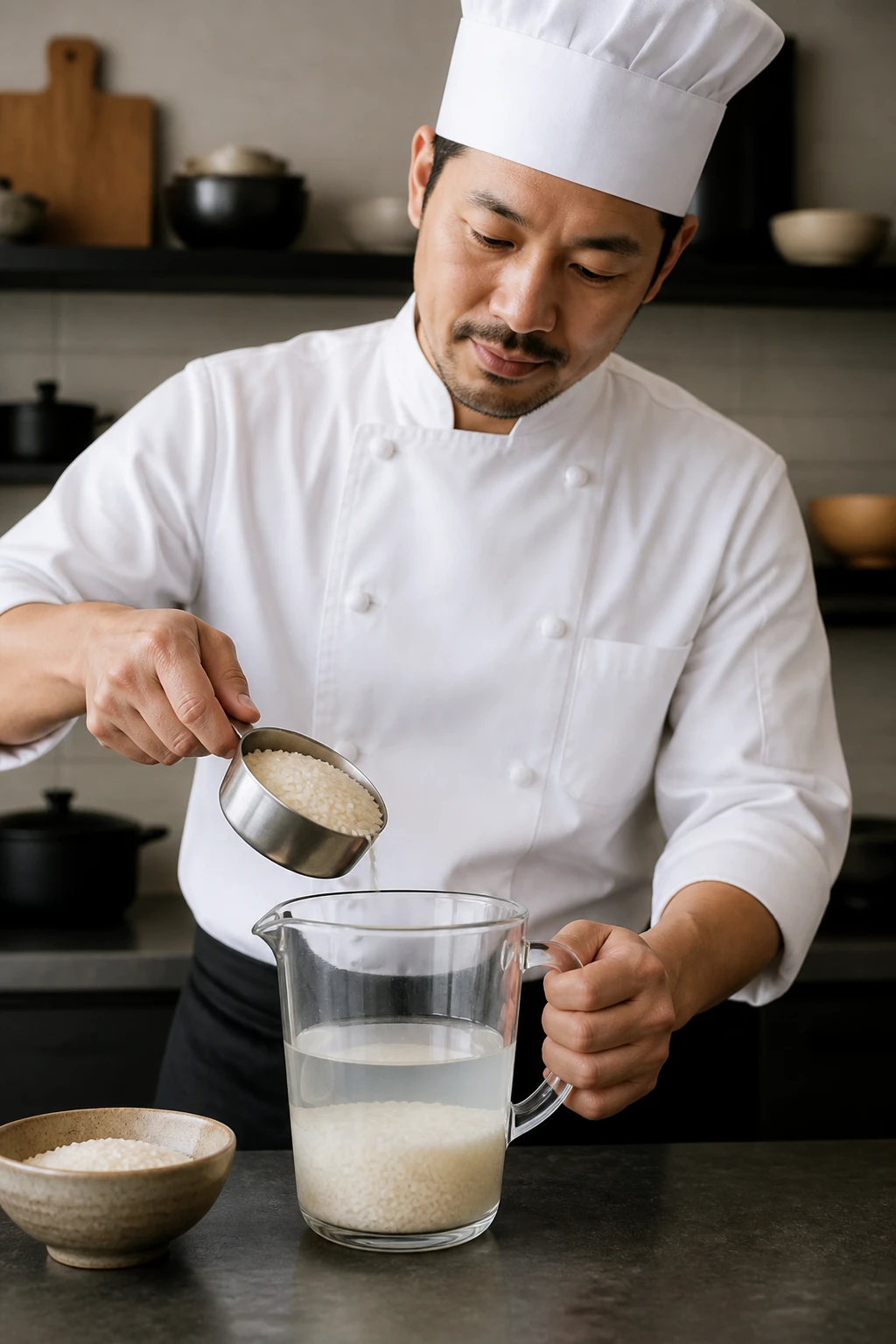
- Use a kitchen scale when possible for precise rice-to-water ratios. A gram-based approach reduces variability between batches.
- Keep a quick reference chart in your kitchen for each rice type you use often. Include ratios, times, and resting periods.
- Choose high-quality rice from reputable brands. Freshness matters, particularly for premium basmati or jasmine varieties.
- Invest in a decent pot with a heavy bottom and a tight lid. Even cheaper pots can deliver consistent results with the right technique.
- Flavor decisions drive taste—a little stock, salt, and aromatics can transform plain rice into a star side dish.
Common Mistakes To Avoid
- Not rinsing enough or not rinsing at all, leading to gummy rice.
- Using the wrong rice-to-water ratio for your specific variety.
- Over-stirring during cooking, which breaks grains and releases starch.
- Peeking or lifting the lid repeatedly, which interrupts steam buildup.
- Skipping the resting period, causing uneven texture and density.
- Cooking in too large a pot without even heat distribution, leading to hot spots and uneven cooking.
Real-Life Examples: How Professionals Handle Rice
Home cooks often imitate restaurant methods with a few smart tweaks. Here are a couple of scenarios I’ve observed in busy kitchens and kitchens that aim for perfection at home:
- Bustling weeknight in a small apartment: The cook rinses, toasts, and uses a tight lid with a measured 1.5:1.5 ratio (water to rice) for long-grain white, then rests the pot off the heat for 8 minutes. Result: fluffy, non-sticky rice that pairs with any sauce.
- Cooking for biryani night: Rinses basmati, soaks briefly, toasts lightly, and uses a 1:1.75 ratio. Slightly undercooks and folds in aromatics at the end to preserve grain separation and perfume.
- Brown rice batch for meal prep: Uses 2.5 cups water per cup of brown rice, cooks 40 minutes, and rests 15 minutes. Fragrance is elevated with a bay leaf and a pinch of salt.
Trends and Developments
In recent years, home cooks have embraced a few trends to improve rice results:
- Flavor-forward rice using broths, miso, or coconut water instead of plain water.
- One-pot rice dishes that combine grains with vegetables and proteins for complete meals.
- Pressure cookers and electric multi-cookers offering fast, consistent results, though they may require adaptation to preserve texture.
- Texture-aware recipes focusing on “non-sticky” grains for salads and bowls, emphasizing proper rinsing and shorter cook times.
Final Thoughts
Rice doesn’t have to be a mystery. With mindful rinsing, appropriate ratios, and a respectful approach to heat and resting, you can consistently produce grains that are fluffy, separate, and full of flavor. The Rice Mistake Everyone Makes isn’t a single misstep but a pattern of small habits that compound over time. Break the pattern with a simple plan, test across a couple of rice types, and you’ll build a reliable baseline you can adapt to countless recipes.
Conclusion
As you’ve seen, the secret to perfect rice is less about miracle technique and more about disciplined basics. Rinse, measure, toast, simmer, rest, and season. Treat these steps as a routine, not an exception, and you’ll unlock a level of consistency that makes you reach for rice with confidence rather than trepidation. Once you’ve mastered the fundamentals, you’ll find you can improvise with flavor and texture, tailoring the grains to fit any meal—whether a quick weeknight bowl or an elaborate dinner party plate.